
Best Dehumidifier for Basements: Complete Buying Guide

Basements run colder, damper, and darker than the rest of the house, and that combination is exactly what mold, mildew, and musty odors need to take hold. Finding the best dehumidifier for basements isn't quite the same task as picking one for a bedroom or bathroom. Basement air stays closer to the cold concrete floor, square footage tends to be larger, and many basements don't have a floor drain nearby. In this guide, you'll learn how to size a unit to your space, why basement temperature changes which models will actually work, how to handle drainage without a floor drain, and what humidity target actually keeps mold from coming back.
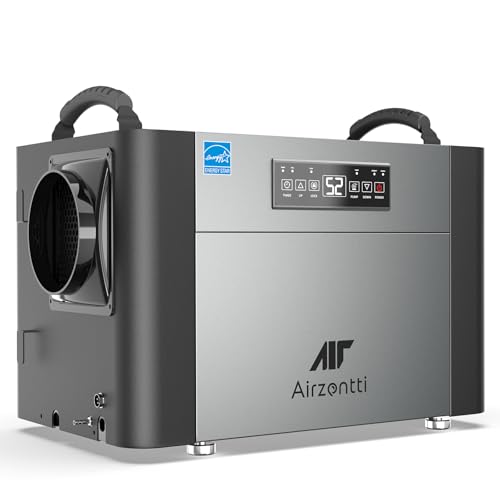
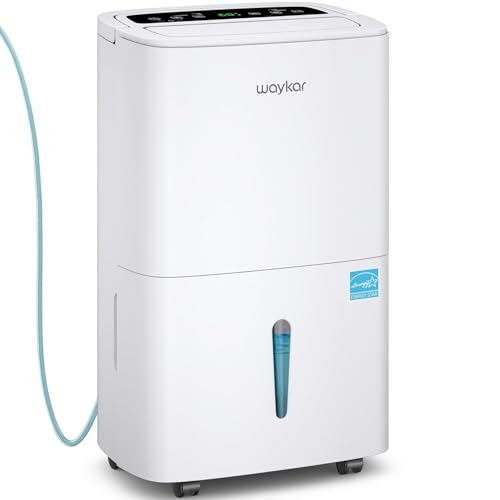
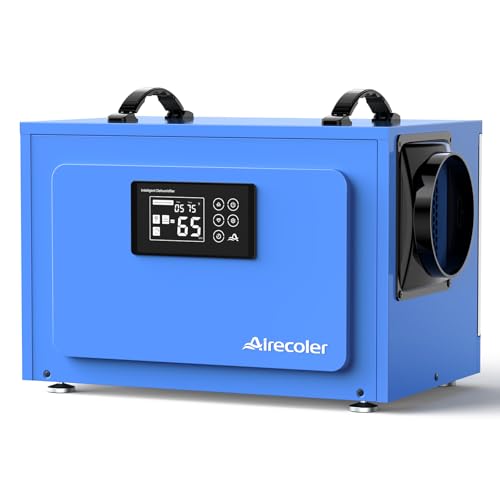
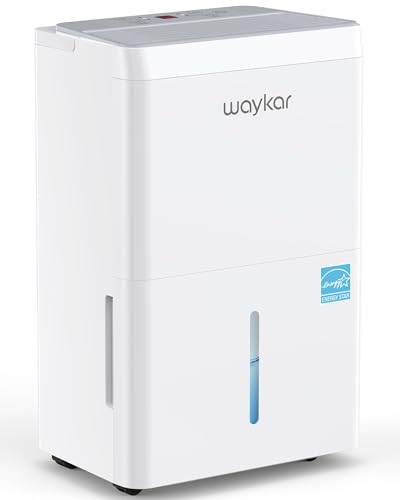
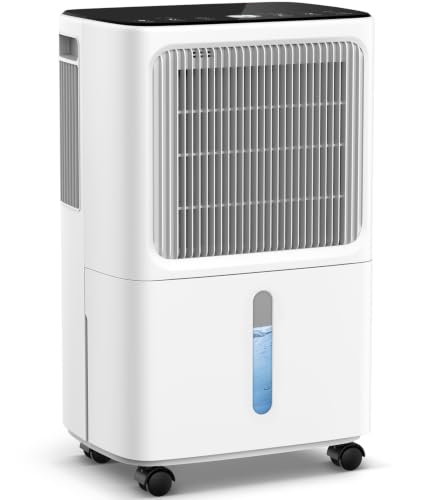
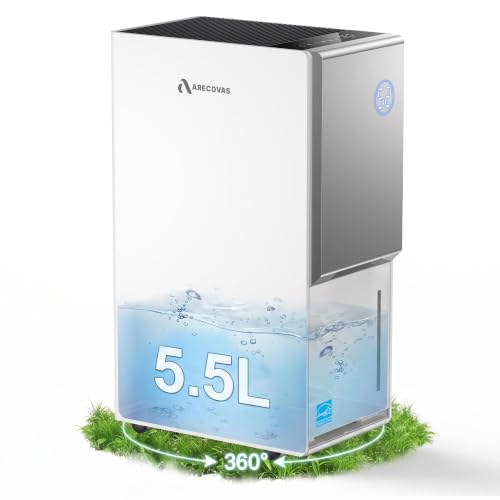
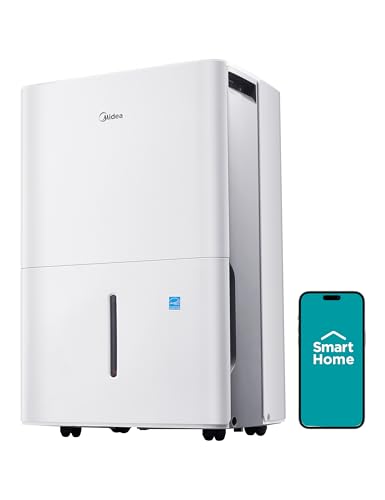
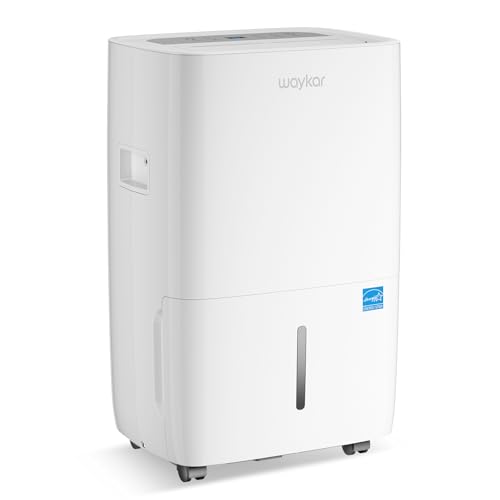
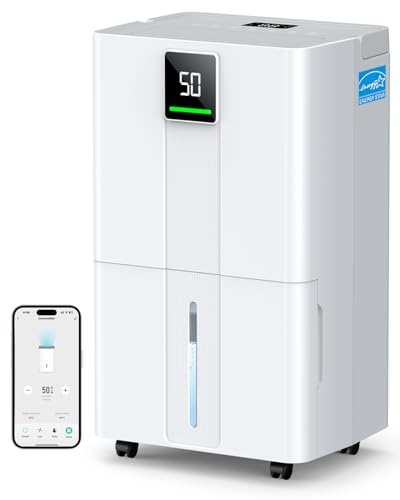
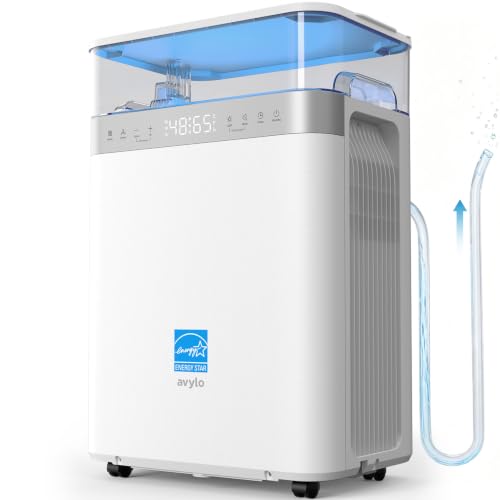

How Many Pints Your Basement Actually Needs
Dehumidifier capacity is measured in pints of water removed over 24 hours, and it's the single most important spec on the box. Buy too small and the unit runs constantly without ever catching up. Buy the right size and it cycles on and off while holding a steady humidity level.
Match Capacity to Square Footage and Moisture Level
Square footage alone doesn't tell the whole story. A well-sealed basement that only feels a little sticky in summer can often get by with a 30 to 40 pint unit for around 1,000 square feet. A basement that smells musty, has visible condensation, or floods occasionally needs more muscle, often 50 to 70 pints for a similar footprint. Larger basements, or ones with persistent dampness, frequently call for 70 pints or more, and this is usually where shoppers start actively comparing the best dehumidifier for basements options in that higher capacity range. Ceiling height matters too. Standard basements with a low ceiling need less capacity than a basement with 9 or 10 foot ceilings, since there's simply more air volume to process.
Why Sizing Up Beats Sizing Down
When you're between two capacities, choose the larger one. An oversized dehumidifier reaches your target humidity faster and then cycles off, which actually puts less wear on the compressor over a season than an undersized unit running nonstop. It also gives you a buffer for humid summer stretches or a basement that gets damper than usual after heavy rain. Since a basement unit tends to run for hours at a stretch, an energy efficient dehumidifier also keeps that added electricity cost from adding up over a season. Getting the capacity right is the first real step toward the best dehumidifier for basements, before you even look at features.
Why Basement Temperature Changes What You Should Buy
This is the part shoppers miss most often, and it's the reason a dehumidifier that works fine upstairs can struggle or stop working entirely in a basement. It's also what separates the best dehumidifier for basements from a model that's simply popular for general home use.
The Frost Problem Below 65°F
Standard dehumidifiers pull air across a cold refrigerant coil to condense moisture out of it. Once the surrounding air temperature drops below roughly 60 to 65°F, which is common in unheated or partially conditioned basements, frost starts forming on that coil instead of water draining off it. Left unchecked, the coil eventually iced over completely, airflow stops, and the unit does little more than run its fan while barely pulling any moisture out of the room.
Look for Auto-Defrost and Low-Temperature Ratings
The fix is a unit built for basement conditions rather than a general-purpose model. Look for a dehumidifier that specifically lists a low-temperature or basement-rated operating range, along with an automatic defrost cycle that periodically melts any frost buildup before it becomes a problem. Elevating the unit on a shelf or bench, rather than setting it directly on cold concrete, also helps it read a slightly warmer air temperature and avoid icing in borderline conditions. These two features together, low-temperature operation and auto-defrost, are what most reviews mean when they talk about the best dehumidifier for basements rather than just the best dehumidifier in general.
Drainage Options When There's No Floor Drain
The best dehumidifier for basements is one that can run continuously rather than shutting off every time its internal tank fills. How you drain it depends heavily on your basement's layout.
Gravity Drain Hoses
If your basement has a floor drain, a standard gravity-fed hose is the simplest setup. Water flows out of the unit and down into the drain with no extra parts needed, as long as the drain sits lower than the dehumidifier's outlet. This is the lowest-maintenance option whenever it's available, and it's worth checking the basement dehumidifier's manual for the exact hose fitting size before buying separate tubing.
Condensate Pumps for Basements Without a Drain
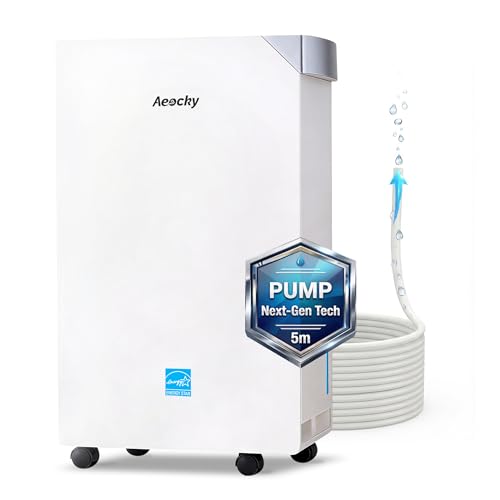
Plenty of basements don't have a floor drain anywhere near a convenient spot, and that's where a built-in condensate pump earns its keep. A pump pushes collected water upward and out through a window, into a utility sink, or into a standpipe well above floor level, so the unit can still run unattended for days at a time. If you've already read up on dehumidifiers with a pump, you already know this feature adds a bit of cost and a little more noise, but it solves the drainage problem for basements where gravity alone won't work.
Setting the Right Humidity Target to Stop Mold Before It Starts
Removing water from the air only matters if you're aiming for the right number. Mold spores that are always present in basement air need two things to become an active problem: a food source like drywall or cardboard, and humidity that stays elevated for days at a stretch.
Ideal Relative Humidity for Basements
Most guidance lines up around 50 percent relative humidity or lower as the ceiling for basements, since mold activity tends to accelerate once humidity sits above 60 percent for extended periods. Finished basements used as living space generally do best around 40 to 45 percent, while unfinished, utility-style basements can run a bit higher, around 45 to 50 percent. A dehumidifier with a built-in humidistat lets you set that exact target and have the unit cycle automatically to hold it, rather than guessing based on how the air feels. Pairing that setting with a home air quality test kit can confirm mold spore counts are actually dropping once you've dialed in the right humidity.
Adjusting by Season
The target isn't static year-round. In hot, humid summer months, running closer to 45 to 50 percent keeps mold in check without over-drying the space. In cold winter months, especially in colder climates, dropping the setting to around 30 to 40 percent helps prevent condensation from forming on cold basement walls and windows, which is its own moisture source if left unaddressed.
Frequently Asked Questions
What size dehumidifier do I need for my basement?
Start with your square footage, then adjust up if the basement is damp, musty, or floods occasionally. A 1,000 square foot basement typically needs 30 to 50 pints depending on moisture severity, while larger or consistently damp basements often need 70 pints or more. That combination of capacity and moisture level is really the whole equation behind finding the best dehumidifier for basements of any size.
What humidity level should a basement be kept at?
Aim for 50 percent relative humidity or below. Finished basements used as living space do best closer to 40 to 45 percent, while unfinished basements can run around 45 to 50 percent.
Will a regular dehumidifier work in a cold basement?
Not reliably. Standard units tend to frost over once temperatures drop below about 60 to 65°F. Basements that stay cool year-round need a model specifically rated for low-temperature operation with an automatic defrost cycle.
Do I need a dehumidifier with a pump for my basement?
Only if there's no floor drain nearby. A pump lets the unit push water uphill and out through a window or sink, which keeps it running continuously without manual emptying.
How many pints per day should a basement dehumidifier remove?
It depends on square footage and moisture level, but most basements fall somewhere between 30 and 70 pints per day, with larger or more humid spaces needing capacity toward the higher end.
Can a dehumidifier run continuously in a basement without a floor drain?
Yes, as long as it has a drain pump or you're comfortable emptying the internal tank regularly. Without either, the unit will shut off automatically once the tank fills.
Why does my basement dehumidifier keep freezing up?
This usually means the unit isn't rated for low-temperature use. Once ambient air drops below roughly 60 to 65°F, frost can build up on the coil faster than a standard defrost cycle can clear it, so look for a model built for basement or cold-room conditions.
Choosing the Right Fit for Your Basement
The best dehumidifier for basements comes down to matching capacity to your actual square footage and moisture level, confirming the unit can handle your basement's temperature without icing over, and settling on a drainage method that fits your layout. Get those three details right and the rest, from noise level to overall energy use, becomes a matter of personal preference rather than a dealbreaker. A basement that stays around 45 to 50 percent humidity year-round is a basement that stops smelling musty and stops feeding mold, and that's the real goal behind every spec on the box.