Best Newtry Commercial Meat Slicer: A Complete Buying Guide
Disclosure: We may earn a commission when you buy through links on this page, at no extra cost to you. As an Amazon Associate I earn from qualifying purchases. Learn more
A buying guide to choosing the right Newtry commercial meat slicer for your restaurant, deli, or prep kitchen based on motor power, blade options, and safety features.
Cutting meat into consistent strips, cubes, or mince by hand slows down prep and eats into a busy shift fast. A countertop cutter that jams every few pounds or overheats under steady use only makes the problem worse. If you are trying to find the best Newtry commercial meat slicer for your restaurant, deli, or catering kitchen, the right pick depends less on brand name and more on how the machine handles volume, safety, and daily cleanup. This guide walks through what actually matters in the Newtry commercial lineup, from motor output to blade thickness, so you can match a machine to how your kitchen really works.

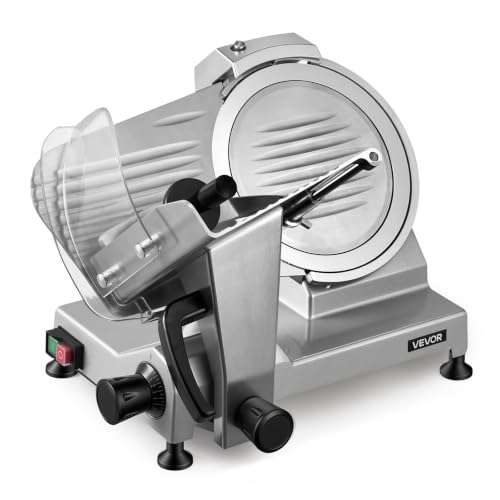
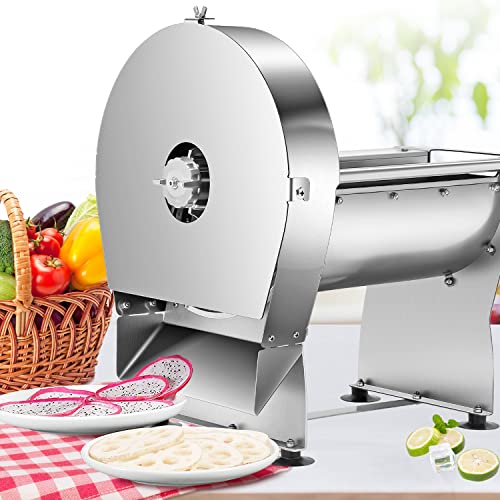
Understanding the Newtry Commercial Lineup
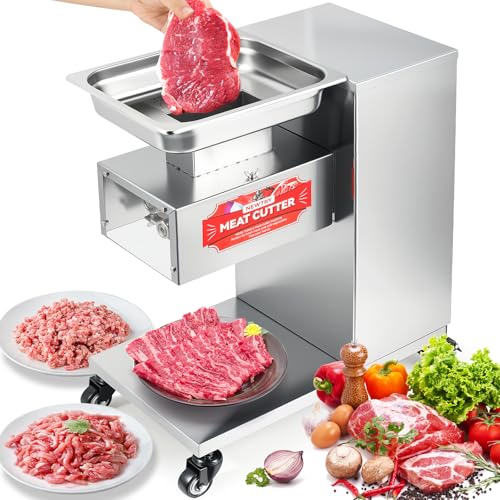
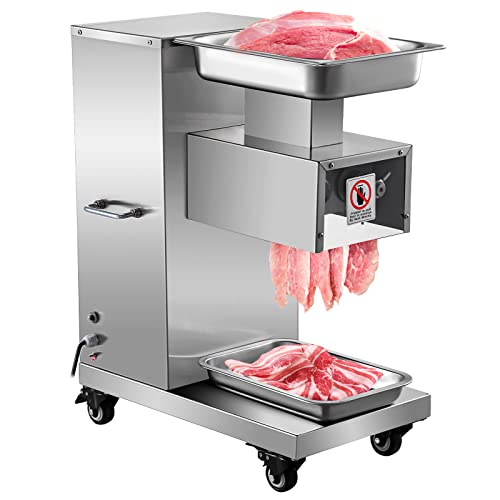
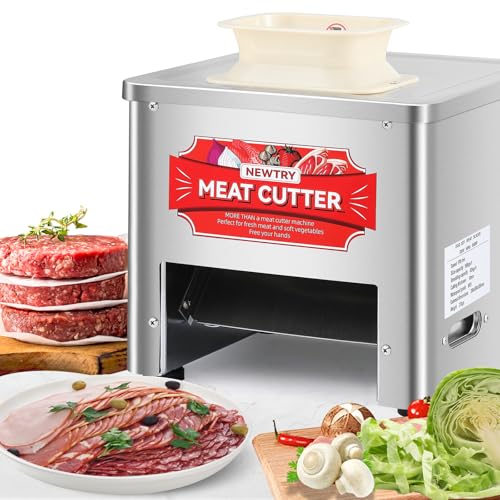
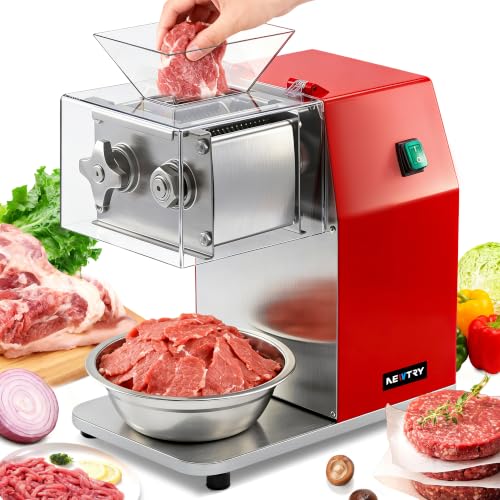
Newtry builds its commercial line around a multi-function cutting design rather than a single-purpose deli slicer. One machine can turn a boneless cut of meat into slices, then strips, then irregular cubes, and finally a coarse mince, depending on how many passes it runs through and which blade set is loaded. That flexibility is the main reason small restaurants and prep kitchens gravitate toward this style of cutter instead of a traditional gravity-feed slicer.
Multi-Function Cutting Design
Because the blade assembly is interchangeable, a single unit can replace two or three separate pieces of prep equipment. Kitchens that need diced meat for stir-fry, strips for fajitas, and mince for sausage filling can handle all three with one machine and a quick blade swap, instead of running meat through a slicer and then a separate grinder.
Motor Output Tiers
The lineup generally splits into a lighter-duty tier built around a copper-wound motor rated for moderate throughput, and a heavier-duty tier meant for continuous service during peak hours. Higher-output models push more pounds per hour without bogging down, which matters once you move past occasional prep and into daily production runs.
What to Look for in the Best Newtry Commercial Meat Slicer
Once you understand the lineup, narrow your choice using the same criteria a commercial kitchen manager would apply to any piece of prep equipment.
Motor Power and Throughput
Motor wattage determines how much meat the machine can process per hour without straining. A unit rated for a few hundred pounds an hour suits a small deli counter or food truck, while a kitchen prepping for a full-service dinner rush needs a model rated well above that. Running a machine near its throughput ceiling for hours at a time shortens motor life, so it pays to size up rather than buy the minimum.
Blade Thickness Options and Interchangeability
Blade kits typically range from just a few millimeters for thin slices up to much thicker options for chunky cubes. Because the blades are swappable, buying a machine that supports a wide range of thicknesses means you are not locked into one cut style. Check how easily the blade housing opens and closes, since a fiddly latch slows down every changeover during service.
Stainless Steel Build and Sanitary Design
Commercial kitchens need equipment that can be broken down, rinsed, and reassembled quickly between uses. Look for a housing and cutting chamber made from food-grade stainless steel with minimal seams or crevices where meat residue can collect. A removable feed tray and blade guard make daily sanitizing far less of a chore.
Safety Lock Switch and Overload Protection
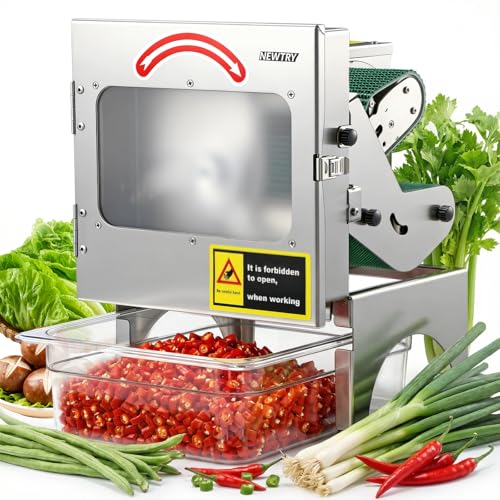
A commercial-grade cutter should refuse to run whenever the blade guard is open, which prevents accidental startup while someone is loading meat or clearing a jam. An overload reset button is just as important. When the motor senses excess resistance, it should cut power automatically rather than keep pushing until something burns out or, worse, someone gets hurt.
Noise Level and Duty Cycle for Continuous Service
Duty cycle refers to how long a motor can run before it needs a cooling break. A machine designed for occasional home use may only tolerate a few minutes of continuous operation, while true commercial units are built to run through an entire prep shift. If your kitchen slices meat in long batches rather than short bursts, duty cycle matters more than almost any other spec on the label.
Matching the Machine to Your Kitchen Volume
Not every kitchen needs the top-tier motor, and buying more machine than you use just adds cost and counter space you do not need.
Small Restaurants and Deli Counters
A lighter-duty model handles the steady but moderate demand of a small restaurant or deli counter well, especially if meat prep happens in shorter batches spread across the day rather than one continuous run. These setups also benefit from a smaller footprint, since counter space is usually tight.
High-Volume Prep Kitchens and Central Commissaries
Catering operations, central commissaries, and butcher shops that process large quantities of meat in a single session need the higher motor tier and a duty cycle built for hours of near-continuous work. In these settings, a machine that struggles to keep pace becomes the bottleneck for the entire prep line, so it is worth paying more upfront for headroom.
How to Use a Commercial Meat Cutter Safely
Even a well-built machine only stays safe and effective if it is used the way it was designed to be used.
Prepping Meat Before Cutting
These machines are built for boneless fresh meat, not frozen blocks, bone-in cuts, or cooked meat, so trim and portion meat before it goes near the feed chute. Chilling meat until it is firm but not frozen solid also produces cleaner, more consistent cuts and puts less strain on the motor.
Cleaning and Sanitizing Between Uses
Unplug the unit before disassembling any part of it, then remove the blade housing and feed components for a full rinse and sanitize after every shift, not just at closing. Letting raw meat residue sit on a blade for hours, even in a refrigerated kitchen, invites bacterial growth and dulls the cutting edge faster. Keeping a spare blade sharpened and ready with a dedicated electric knife sharpener keeps changeovers quick during a busy shift.
Common Mistakes to Avoid
- Buying a light-duty model for a kitchen that runs continuous prep, then wondering why the motor overheats by mid-shift.
- Forcing frozen or bone-in meat through the feed chute, which can damage the blade and strain the motor.
- Skipping the safety lock check before each shift, which defeats the purpose of the interlock switch entirely.
- Leaving meat residue on the blade between batches instead of wiping it down as part of the workflow.
- Choosing the thinnest blade available without checking whether it matches the cut style your menu actually needs.
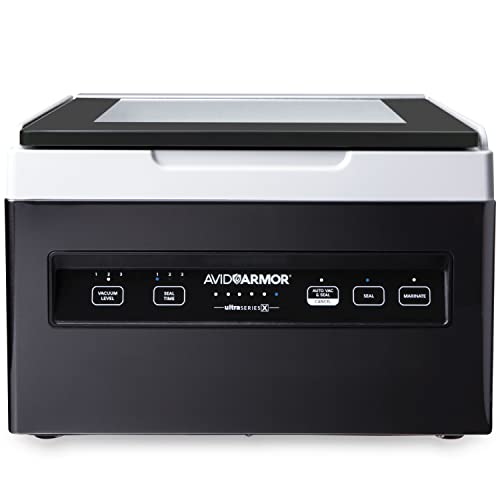
Once meat is portioned and sliced, many commercial kitchens move straight into packaging or short-term storage. Pairing your cutter with a reliable commercial vacuum sealer keeps prepped meat fresher between batches and cuts down on freezer burn if you are prepping ahead of a rush. For kitchens that also hold finished dishes at temperature before service, a dependable commercial food warmer rounds out the back-of-house line without adding much extra footprint. If your menu calls for ground or minced product beyond what a cutter attachment handles well, a dedicated electric meat grinder is worth adding to the equipment list.
Frequently Asked Questions
What can a Newtry commercial meat slicer actually cut?
These machines are designed for boneless fresh meat and can produce slices, strips, cubes, or a coarse mince depending on the blade installed and how many passes the meat runs through. They are not built for frozen meat, bone-in cuts, or hard vegetables like carrots or potatoes.
How much motor power do I need for restaurant use?
It depends on volume. Occasional prep at a small deli counter can run on a lighter motor tier, but a kitchen processing meat continuously through a shift should choose a higher-output model built for longer duty cycles.
Is a Newtry commercial meat cutter dishwasher safe?
Most removable parts, including the blade housing and feed tray, are meant to be hand washed and sanitized rather than run through a dishwasher. Always unplug the unit first and check the manufacturer's cleaning instructions for your specific model.
What blade thickness should I choose first?
Start with a mid-range thickness that covers your most common cut, then add thinner or thicker blades as your menu requires. Most units support interchangeable blades, so you are not locked into one cut style long term.
How loud is a commercial meat cutter during operation?
Noise levels vary by motor size and duty cycle, with higher-output models generally running louder under load. If noise is a concern in an open kitchen layout, ask about decibel ratings before buying rather than assuming all models sound the same.
How often should the blade be sharpened?
Blade sharpness should be checked weekly in a high-volume kitchen, since a dull blade forces the motor to work harder and produces ragged, uneven cuts. Keeping a second sharpened blade on hand avoids downtime during service.
Can one machine replace both a slicer and a grinder?
For many small kitchens, yes. The multi-function blade design covers slicing, cubing, and coarse mincing in one unit, though a dedicated grinder still produces finer, more uniform ground meat for products like sausage.
Final Thoughts
Picking the best Newtry commercial meat slicer comes down to matching motor power and duty cycle to how your kitchen actually preps meat day to day, not just picking the highest-rated option on paper. Get the safety features, blade flexibility, and cleaning routine right, and the machine will keep pace with your menu instead of becoming the slowest station in the kitchen.