Best Electric Meat Grinder: A Complete Buying Guide
Disclosure: We may earn a commission when you buy through links on this page, at no extra cost to you. As an Amazon Associate I earn from qualifying purchases. Learn more
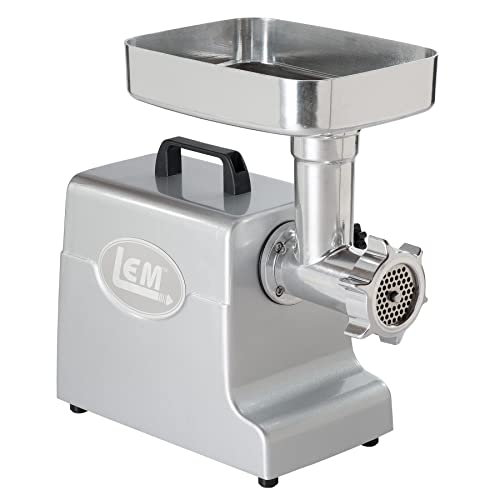
Grinding your own meat at home gives you control over fat content, freshness, and cost that pre-ground packages from the grocery store simply cannot match. Choosing the best electric meat grinder for your kitchen comes down to a handful of practical factors: how much power the motor actually delivers under load, whether the grinding plates suit the texture you want, and how easy the unit is to break down and clean after every use. Home cooks who grind a pound or two of burger meat on weekends need something different than hunters processing an entire deer harvest over a few days. This guide walks through what separates a grinder that holds up over years of use from one that stalls on the first batch of frozen venison.
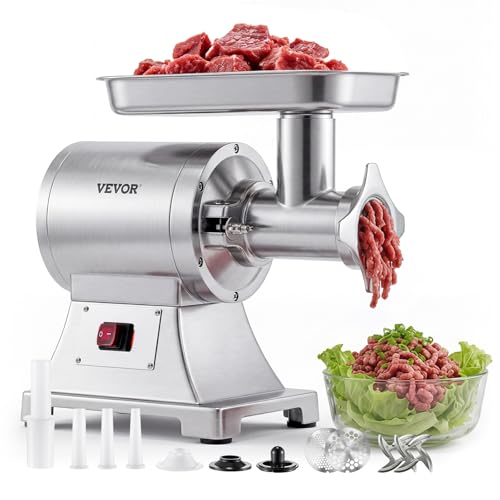
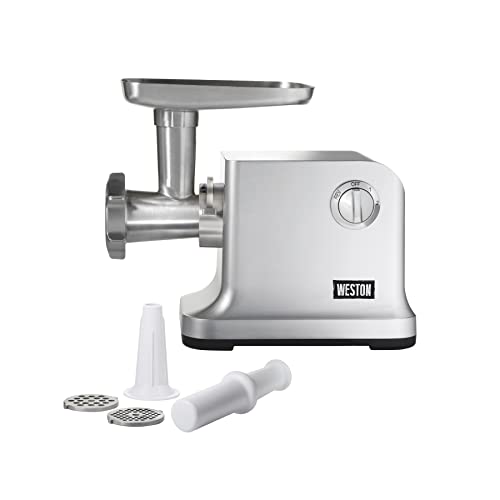
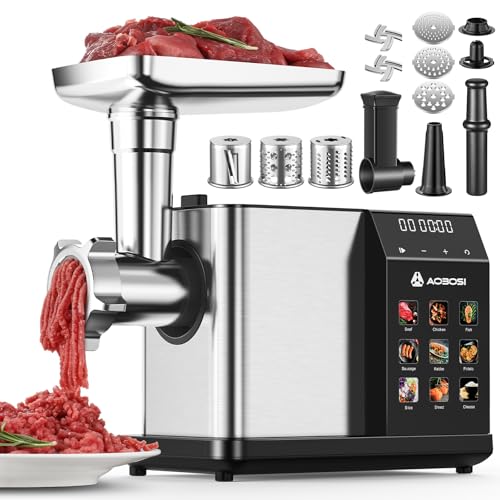
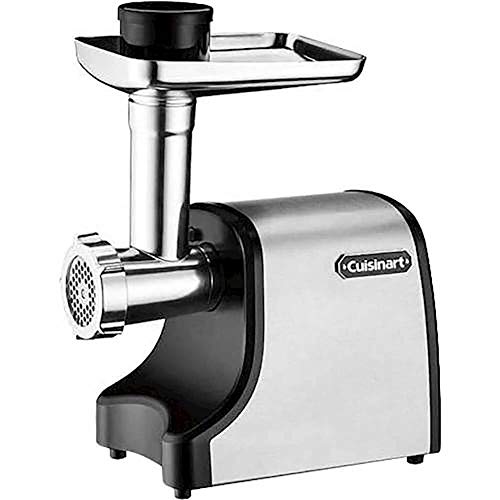
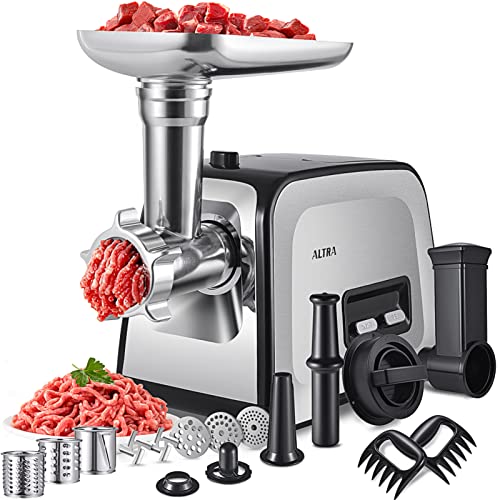
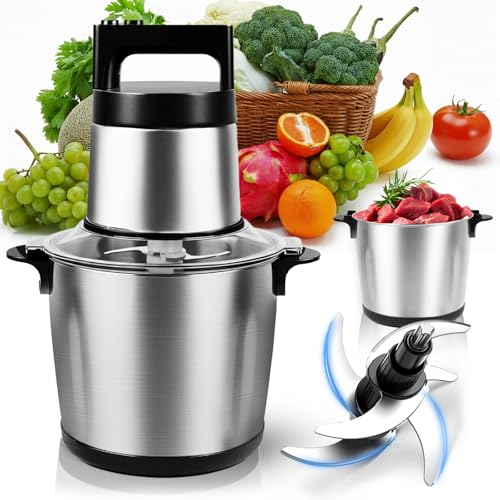
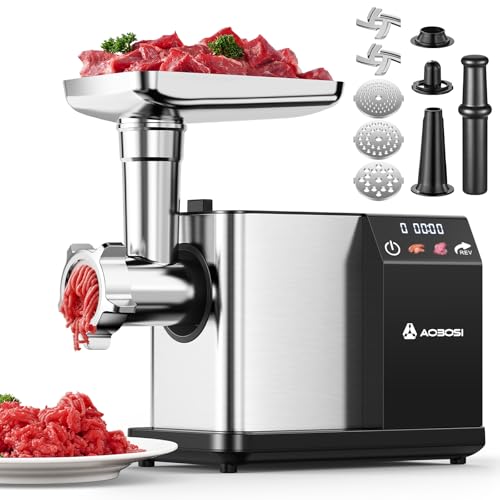
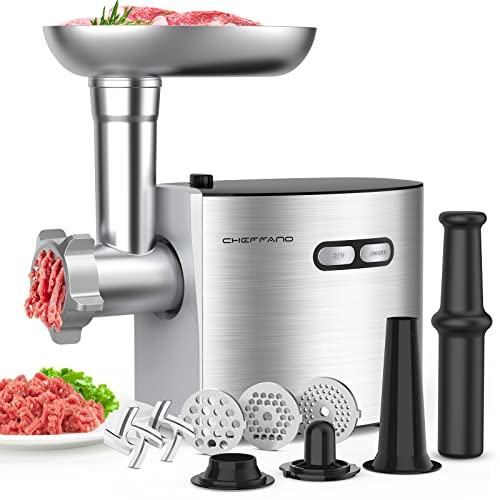
![CHEFFANO Meat Grinder, [2500W Max] Electric Meat Grinders with, 2 Grinding Blades,](https://images-na.ssl-images-amazon.com/images/I/41HQtmOijoL.jpg)
Motor Power and Grinding Plates That Actually Matter
The best electric meat grinder for your situation is rarely the one with the biggest number printed on the box. Wattage numbers on the box can be misleading. Many manufacturers advertise peak or locked-rotor wattage, which is the power the motor draws for a split second at startup or when it stalls, not what it delivers during continuous grinding. A well-built 350-watt motor with solid gear reduction often outperforms a cheaply made 1000-watt unit that overheats after ten minutes. Pay attention to rated (continuous) wattage rather than the bold number printed on the front of the box.
Rated Power for Different Workloads
For occasional home use, a motor rated between 300 and 500 watts continuous is usually enough for boneless cuts at room temperature. If you regularly grind semi-frozen meat, sinew-heavy cuts, or run long batches, step up to 500 to 800 watts so the motor does not bog down halfway through.
Plate Sizes and Housing Material
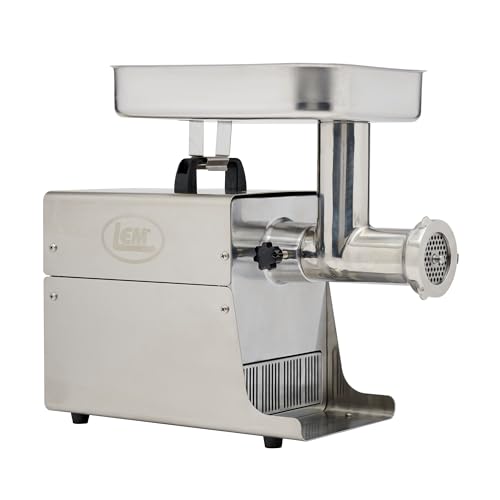
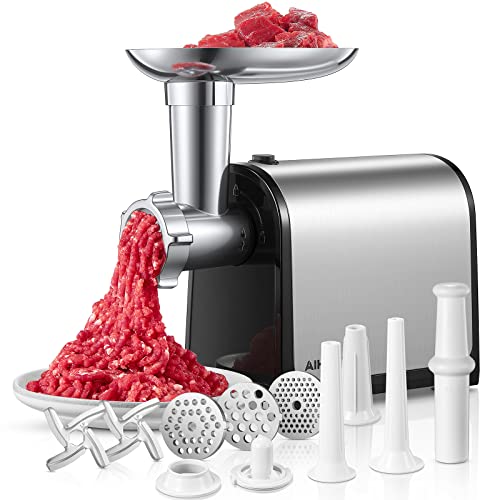
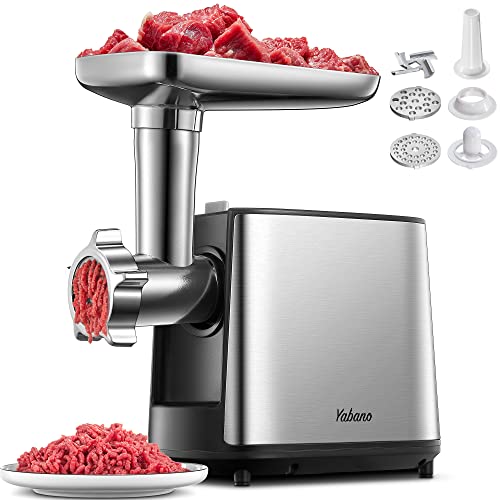
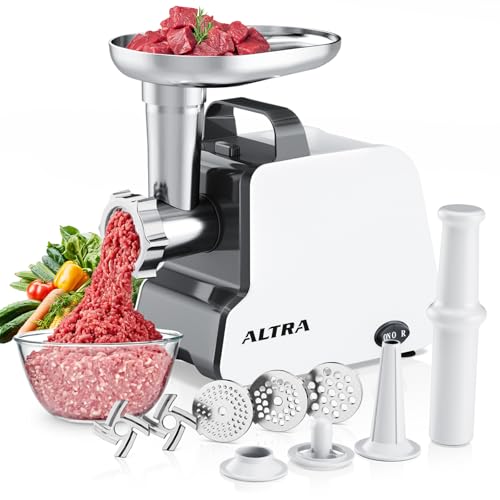
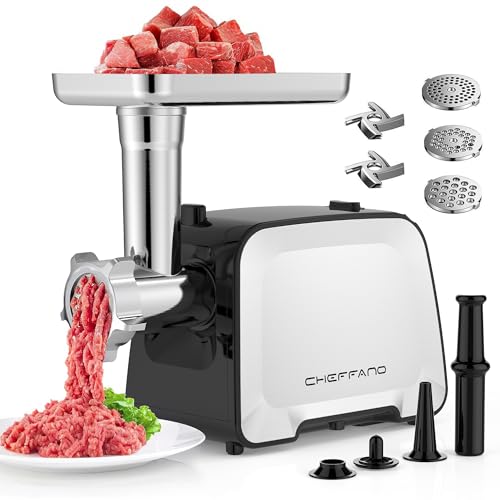
A grinder that ships with at least three plates, coarse, medium, and fine, gives you the flexibility to make everything from chunky chili meat to smooth sausage filling. Coarse plates with larger holes need less motor effort and work well for a first pass, while fine plates are better suited to burger blends and finer sausage links. Stainless steel plates, augers, and cutting blades resist rust and hold an edge far longer than the chrome-plated or plastic parts found in bargain models, and a stainless or cast-metal housing runs cooler and vibrates less than an all-plastic body under sustained use.
Standalone Grinders vs. Stand Mixer Attachments
Two very different setups fall under the same shopping category. A dedicated countertop grinder is built around one job: pushing meat through a plate as efficiently as possible, usually with a wider throat opening and a motor sized specifically for that task. It takes up its own storage space but tends to grind faster and handle larger batches without complaint.
A grinder attachment for a stand mixer is the better fit if you already own one and only grind meat a few times a year. It saves counter space and cabinet room, but it borrows torque from a motor designed primarily for dough and batter, so it grinds more slowly and struggles with tough or gristly cuts. If burger night and sausage making are regular events in your house rather than an occasional project, a standalone unit will hold up better over time.
Matching Grinding Capacity to How Much Meat You Actually Process
Grinding capacity, usually listed in pounds per minute, matters more than most shoppers expect. An occasional cook who grinds a pound or two of chuck for weekend burgers will barely notice the difference between a 3-pound and a 7-pound-per-minute machine. Someone processing wild game after a hunting trip, on the other hand, might be feeding twenty or thirty pounds of venison through the hopper in a single session, and a slow, underpowered machine turns that into an all-day chore.
Feed tray size and tube diameter also affect real-world speed, since a narrow tube forces you to cut meat into smaller chunks before feeding it in. If your grinding needs are light and occasional, it is worth looking at a compact, budget-oriented option, since the entry-level end of the market has matured a lot and a well-reviewed grinder under $100 can handle small home batches without the premium price tag of a heavy-duty machine built for game processing.
Cleaning Meat Grinder Parts Without Cross-Contamination
Raw meat residue left inside a grinder is a food safety problem, not just a maintenance annoyance. Bacteria multiply quickly in the warm, protein-rich film left on the auger, plate, and blade, so parts should come apart and get washed within thirty minutes of finishing a batch, not left to sit until later in the day.
Most grinders disassemble into a handful of pieces: the hopper, auger, blade, plate, and retaining ring. Hand-washing in hot soapy water is generally safer for the blade and plates than a dishwasher, since dishwasher heat and detergent can dull cutting edges and cause pitting on lower-grade metal over time. Dry every part completely before reassembly or storage, since trapped moisture on carbon steel blades leads to rust spots that show up on the next use.
Frequently Asked Questions
How much wattage do I actually need for home use?
A continuous-rated 300 to 500 watt motor handles most home grinding tasks, including burger meat and simple sausage. Step up to 500 to 800 watts if you plan to grind semi-frozen cuts or large batches regularly.
Can I grind bones or frozen meat in a home grinder?
No. Home electric grinders are built for boneless, chilled or lightly semi-frozen meat only. Bones and fully frozen blocks can damage the auger and blade, and most manufacturers void warranties for that kind of use.
How many grinding plates do I really need?
Three plates, coarse, medium, and fine, cover the vast majority of home tasks from chili meat to sausage filling. Extra specialty plates are nice to have but rarely necessary for casual cooking.
Is a stainless steel grinder worth the extra cost?
Yes, if you plan to use it more than a few times a year. Stainless components resist rust, keep a sharper edge longer, and hold up better to repeated washing than chrome-plated or plastic parts.
How long does a home grinder typically last?
A well-maintained mid-range grinder with metal gears and stainless plates can last well over a decade of regular home use. Cheap plastic-gear models often fail within a season or two of frequent grinding.
Do I need to chill the meat before grinding?
Yes. Meat that is well chilled or very lightly frozen around the edges grinds much more cleanly than room-temperature meat, which tends to smear and clog the plate instead of cutting cleanly.
Is a manual grinder a reasonable alternative to an electric one?
Manual grinders cost less and need no outlet, but they demand real physical effort and are impractical for anything beyond small, occasional batches. For regular use, the best electric meat grinder saves both time and effort.
Getting Comfortable With Home Meat Grinding
Once you have matched motor power, plate selection, and capacity to how you actually cook, the grinder itself becomes a routine kitchen tool rather than a chore. Most of the learning curve is in the cleanup habits, not the grinding technique. Give it a proper wash after every use and the machine will keep producing better burgers and sausage than anything sold pre-ground for years to come.