Best Commercial Vacuum Sealer: A Complete Buying Guide
Disclosure: We may earn a commission when you buy through links on this page, at no extra cost to you. As an Amazon Associate we earn from qualifying purchases. Learn more
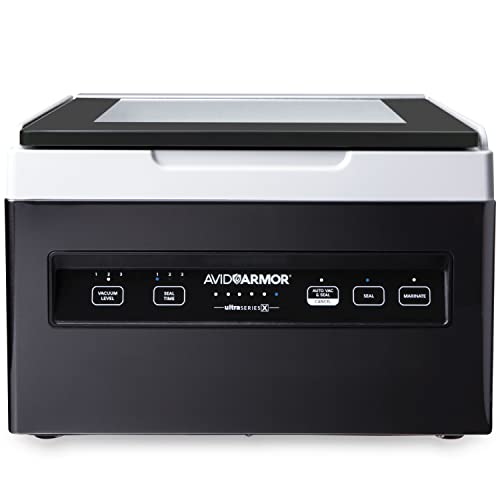
Picking the best commercial vacuum sealer for your kitchen is less about finding one "winner" and more about matching a machine to how you actually work. A busy restaurant prepping sous vide proteins all day has very different needs than a butcher shop wrapping fresh cuts for the display case, or a caterer packing meals for delivery. The right sealer keeps food fresher for longer, cuts down on freezer burn, and can shave real money off your food cost over a year of daily use. Before you compare specific machines, it helps to understand the handful of factors that actually separate a good fit from a frustrating one, including how the machine pulls a vacuum, how big its seal bar is, and what the bags will cost you month after month.
Chamber vs. External Suction: Which Fits Your Kitchen
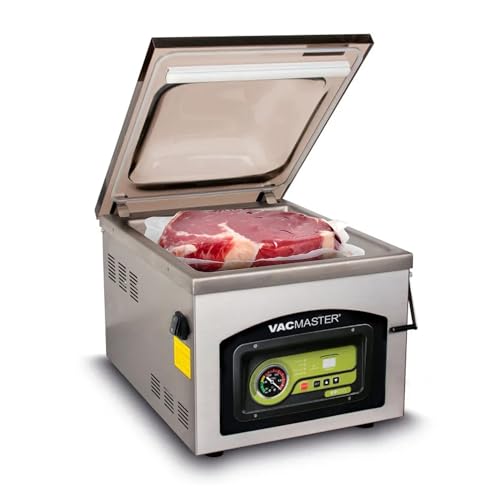
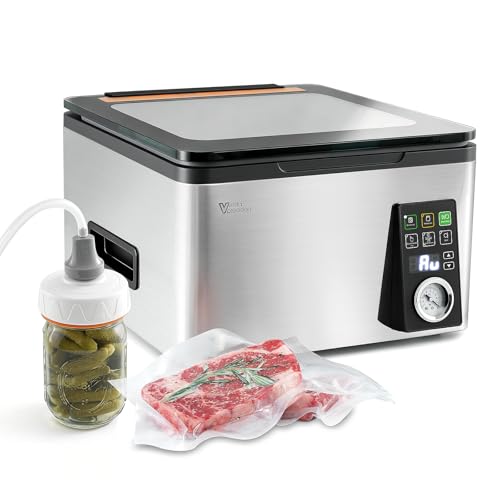
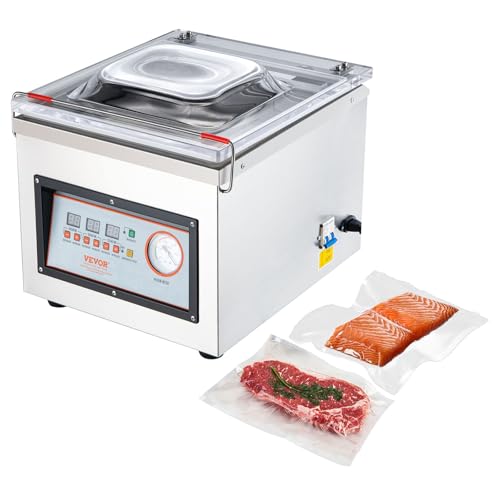
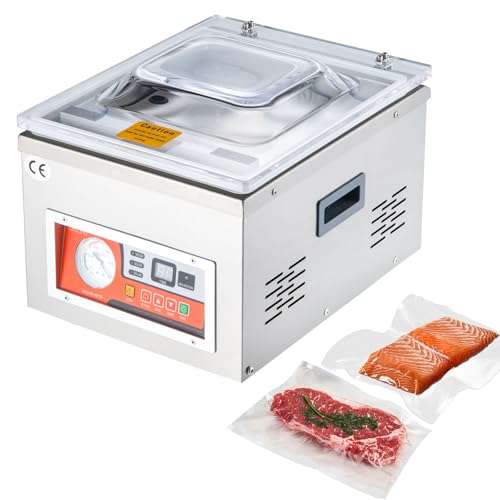
Commercial vacuum sealers fall into two broad camps, and the split matters more than any single spec. Chamber sealers place the entire bag inside a sealed compartment, then pull air out of the whole chamber rather than just the bag. That makes them the only realistic choice for liquids, marinades, soups, and anything with moisture that would otherwise get sucked out the neck of the bag mid-cycle.
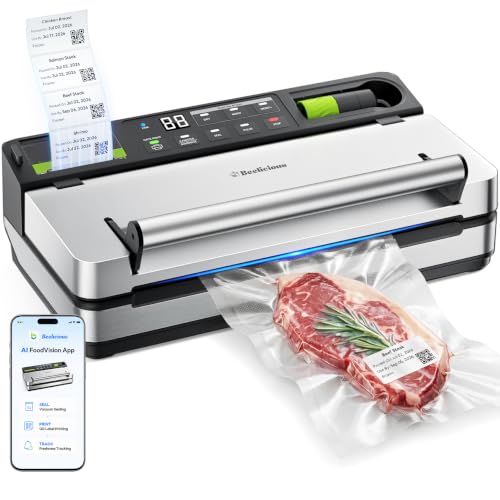
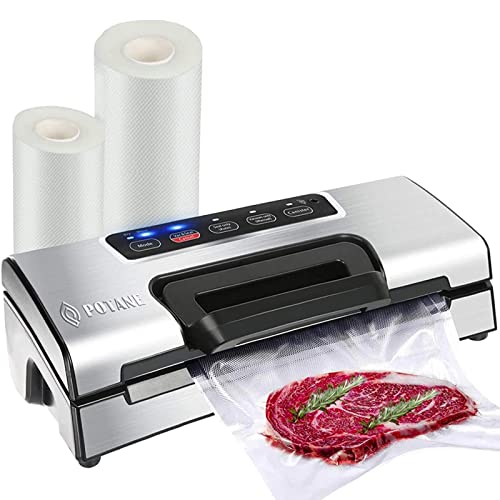
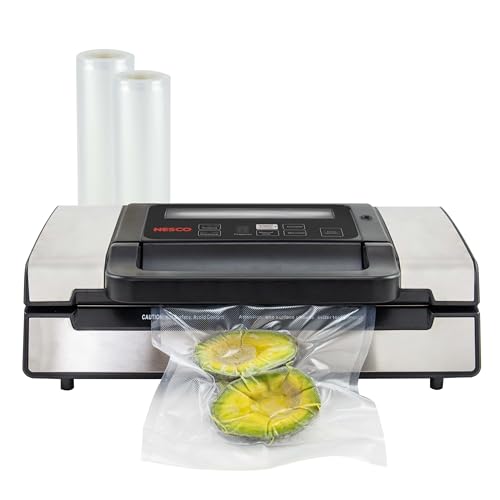
External Sealers
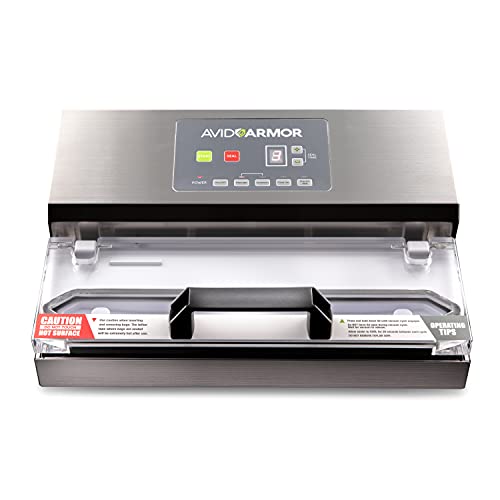
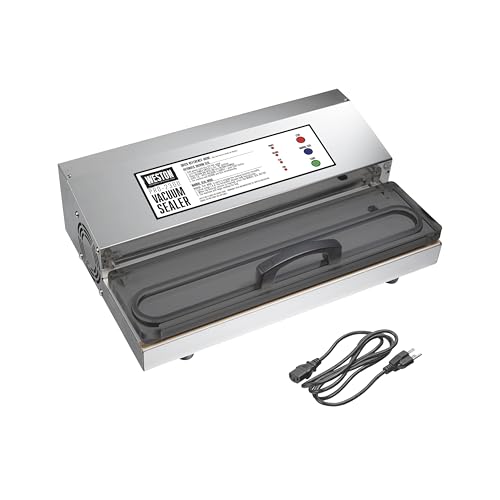
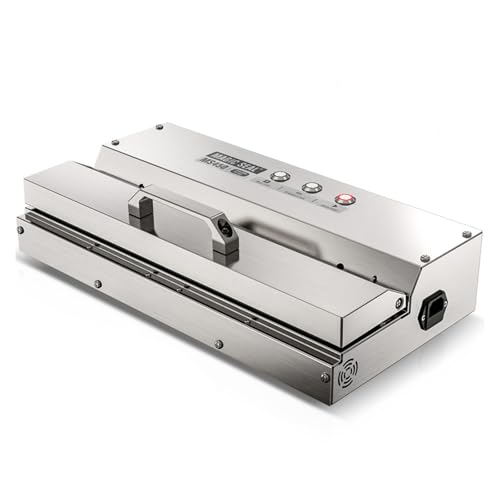
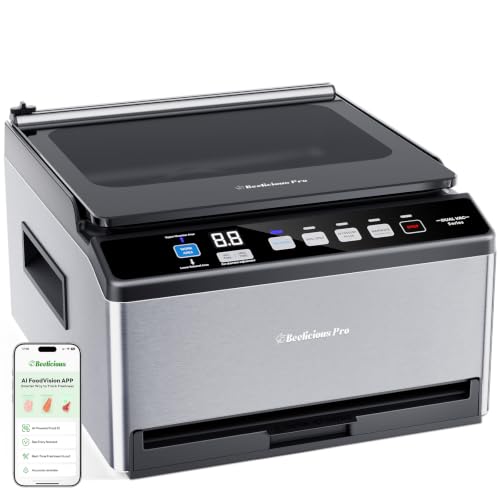
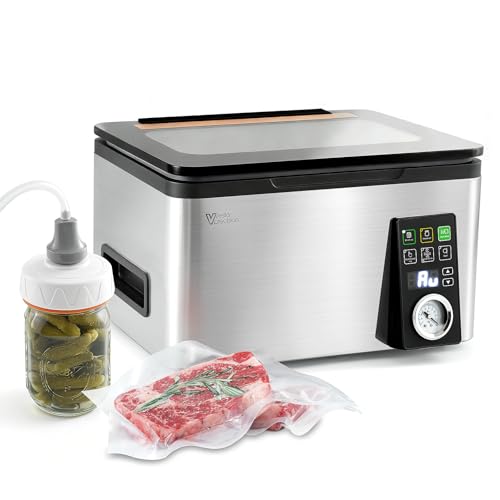
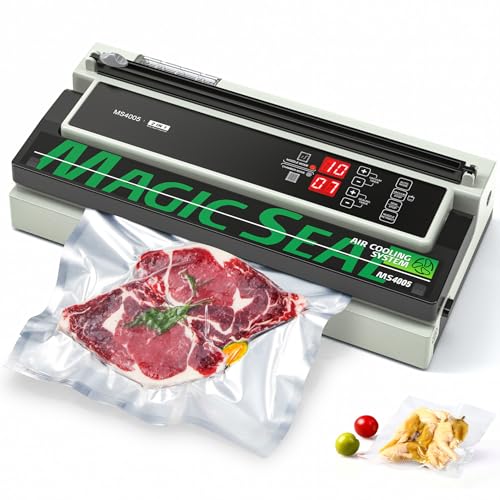
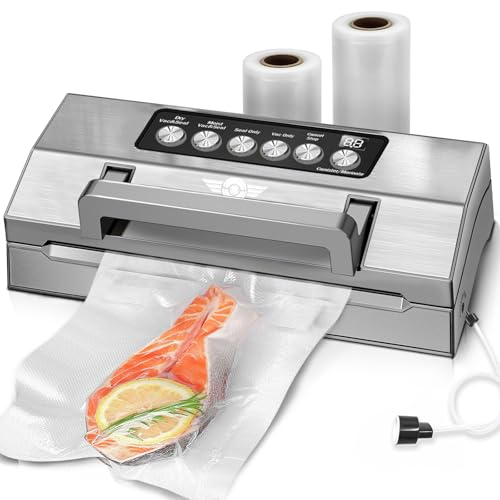
External machines only draw air from inside the bag itself, using the bag opening as the vacuum point. They work well for dry or semi-dry goods like cuts of meat, cheese, or bulk dry ingredients, and they take up less counter space. For a kitchen doing light prep work or portioning meats without much liquid involved, an external unit can be plenty.
Chamber Sealers
If your prep list includes braises, stocks, marinated proteins, or sous vide bags with liquid added before cooking, a chamber sealer earns its keep quickly. It also seals more consistently bag after bag, which matters when you're running dozens of cycles a shift.
Matching Seal Bar Size and Cycle Speed to Your Daily Volume
Seal bar length determines how wide a bag you can close in one pass, and it's easy to underestimate how much this affects your workflow. A narrow seal bar forces you to fold or double-seal larger bags, which slows down prep and can weaken the seal. If you regularly pack whole proteins, large cuts, or bulk portions, look for a wider bar rather than trying to make do with a compact home-style unit.
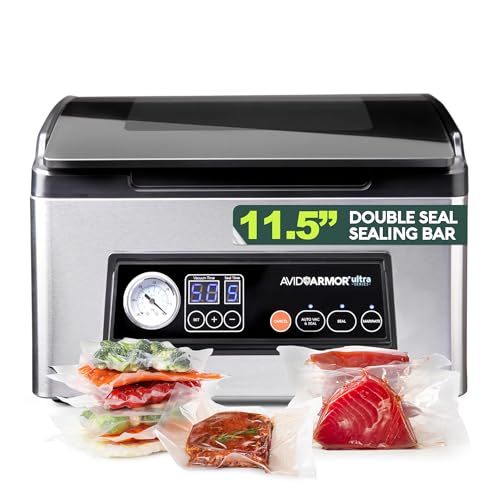
Cycle speed matters just as much once volume climbs. A machine that takes a long time per bag might be fine for a handful of items a day, but during a rush prep session it becomes a bottleneck. Some chamber units offer dual seal bars, letting you seal two bags per cycle, which effectively doubles throughput without buying a second machine. If your kitchen preps in batches ahead of service rather than continuously, a slightly slower single-bar unit may still be perfectly workable, so think about your actual prep rhythm before paying for speed you won't use.
Why Bag Costs Change the Math at Commercial Scale
Bags are the hidden recurring cost that many first-time buyers overlook, and at commercial volume they add up fast. External sealers require textured, channeled bags that let air escape during the vacuum draw, and those bags typically cost noticeably more per unit than the smooth bags a chamber sealer uses.
Chamber machines can use flat, smooth bags purchased in bulk rolls or cases, often at a fraction of the per-bag cost of external-style pouches. If you're sealing dozens or hundreds of bags a week, that difference compounds quickly. Some operators find that the bag savings alone cover the higher upfront price of a chamber unit within a year or two of steady use. When you're comparing the best commercial vacuum sealer for your specific volume, run the bag math alongside the machine price rather than looking at the sticker price in isolation.
Where Commercial Vacuum Sealers Earn Their Keep
Restaurants running sous vide programs lean on vacuum sealers daily, since the bags need a tight, air-free seal to cook evenly in a water bath. If your menu leans on sous vide cooking, pairing a reliable sealer with your setup is less optional and more foundational to consistent results.
Butcher shops and meat processors use sealers to extend shelf life on fresh cuts and to prep vacuum-packed portions for retail or wholesale orders. Catering operations rely on them to pack meals ahead of events, since a good seal keeps food safe and fresh through transport and reheating. Even smaller cafes and bakeries use sealers for portioning ingredients, storing prepped items overnight, or reducing freezer burn on items held for later use.
Weighing Upfront Cost Against Long-Term Savings
Chamber sealers cost more to buy than external units, sometimes by a wide margin, and that upfront number can be intimidating for a smaller operation. But the total cost of ownership tells a fuller story. Between cheaper bags, less food waste from better seals, and fewer breakdowns from a machine built for daily commercial use, a higher-priced chamber unit often costs less per year than it appears to at checkout.
External sealers make sense when your volume is lower, your budget is tighter up front, or your prep work rarely involves liquid. There's no single right answer here. It comes down to how many bags you'll seal in a typical week and what kind of food you're sealing most often, so it's worth tallying both before you commit to either style.
Frequently Asked Questions
What's the main difference between a chamber and an external vacuum sealer?
A chamber sealer removes air from the whole chamber, so it handles liquids and marinades cleanly. An external sealer only pulls air from inside the bag, which works best with dry or semi-dry foods.
How often should seal bar gaskets be replaced?
Gaskets wear from repeated heat cycles and should be checked regularly for cracks or gaps. Most commercial kitchens replace them every few months under heavy daily use, sooner if seals start looking uneven.
Can a commercial vacuum sealer handle liquids like soups or marinades?
Only a chamber-style sealer reliably handles liquids, since it vacuums the entire chamber rather than just the bag. External sealers tend to pull liquid out through the bag opening before a seal forms.
Are commercial vacuum sealer bags reusable?
Most commercial bags are designed for single use, especially once they've held raw proteins or liquids. Some heavier-duty bags can be rinsed and reused for dry, non-perishable items, but this varies by bag type.
How much counter or floor space does a commercial vacuum sealer need?
External units are compact and can sit on a standard prep counter. Chamber sealers are larger and heavier, so measure your counter or cart space and factor in room to load bags before buying.
Do vacuum sealers actually extend food shelf life significantly?
Yes, removing air slows oxidation and inhibits many spoilage organisms, which can extend refrigerated and frozen shelf life well beyond loosely wrapped storage. Actual gains depend on the food type and storage temperature.
Is a dual seal bar worth paying extra for?
If your kitchen seals in batches during rush periods, a dual seal bar can meaningfully cut prep time by sealing two bags per cycle. For lower-volume kitchens, a single seal bar is usually enough.
Making the Right Call for Your Operation
There isn't one machine that fits every kitchen, but there is a clear way to think through the decision. Match the sealer type to what you're actually packing, size the seal bar and cycle speed to your real daily volume, and run the bag cost math before comparing price tags. The best commercial vacuum sealer for your business is the one that fits your prep routine without becoming a bottleneck or an ongoing expense you didn't plan for.