Best Commercial Food Warmers: A Complete Buying Guide
Disclosure: We may earn a commission when you buy through links on this page, at no extra cost to you. As an Amazon Associate we earn from qualifying purchases. Learn more
Keeping food at a safe, appetizing temperature between the kitchen and the serving line is one of the most overlooked challenges in food service. Whether you run a buffet restaurant, a cafeteria, or a catering business, the equipment you use to hold hot food matters as much as the recipe itself. Picking the best commercial food warmers for your operation comes down to matching heat type, capacity, and build quality to how your kitchen actually works. This guide walks through the practical decisions that separate a warmer that earns its keep from one that ends up gathering dust in a storage room. You will find guidance on heat types, sizing, equipment categories, compliance basics, and where each style of warmer fits best, plus answers to the questions operators ask most often before buying.
Dry Heat or Moist Heat: Picking the Right Method
The single biggest decision in this category is whether your food needs dry heat or moist heat. Wet-heat units, often built around a water bath, keep humidity high around the food. That moisture prevents sauces, soups, and braised dishes from drying out or forming a skin during a long holding period. If your menu leans on gravies, stews, or vegetables in liquid, moist heat is usually the better call.
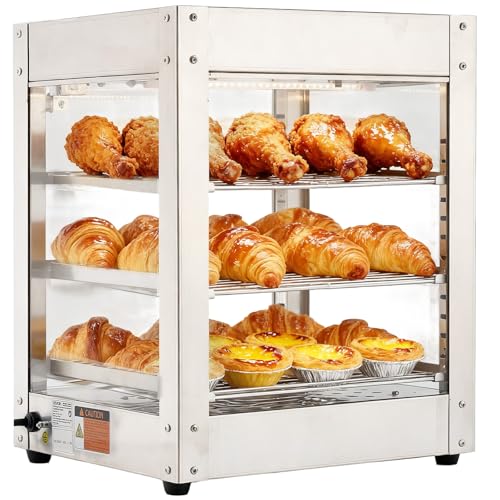
Dry heat, delivered through radiant elements or gentle forced air, works better for items that need to stay crisp. Fried chicken, pizza slices, and pastries turn soggy fast in a humid environment, so a dry-heat cabinet or lamp setup protects the texture you worked hard to create in the kitchen.
Temperature Range and Consistency
Look past the headline temperature number and check how evenly a unit distributes heat across every pan or shelf. Hot spots and cold corners are the main reason food ends up either dried out or sitting below a safe holding temperature. Units with independent thermostats per section give you more control when you are holding several dishes with different needs at once.
Sizing Equipment to Match Your Service Volume
Capacity is usually measured in the number of standard food pans a unit can hold, and getting this number right prevents two common headaches. Too small, and your line runs out of holding space during peak service, forcing staff to juggle pans or rush food out before it is ready. Too large, and you are heating empty space, wasting energy, and taking up floor room you could use elsewhere.
Think through your busiest hour, not your average one. A weekday lunch cafeteria and a weekend banquet hall have very different peak demands, even if their average daily volume looks similar on paper. Count how many pans you realistically run at once, add a little cushion for backup dishes, and size your equipment around that number rather than a rough guess.
Fixed Stations vs Mobile Units
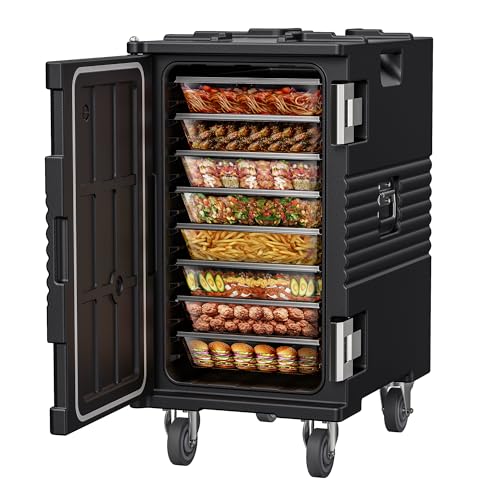
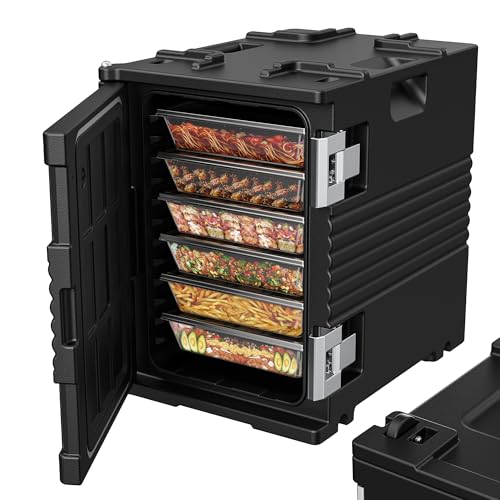
Built-in steam tables suit a fixed buffet line that rarely moves, while cart-mounted or countertop cabinets give you flexibility to shift holding capacity between rooms or events. Operations that cater off-site or rearrange their floor plan for different events tend to lean toward mobile setups for that reason.
Steam Tables, Holding Cabinets, and Heat Lamps Compared
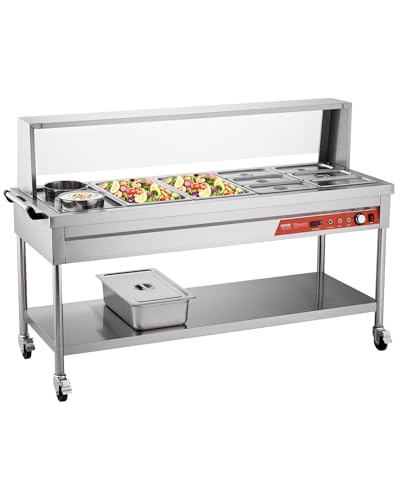
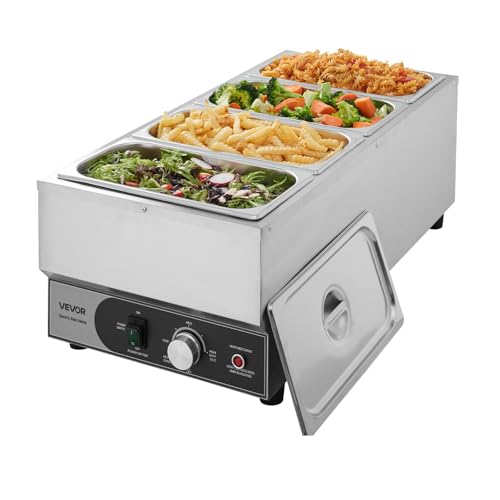
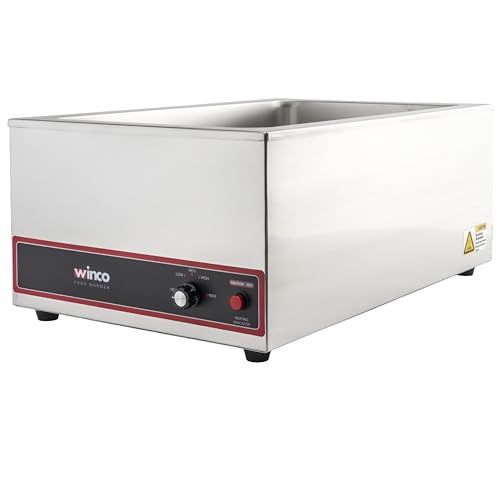
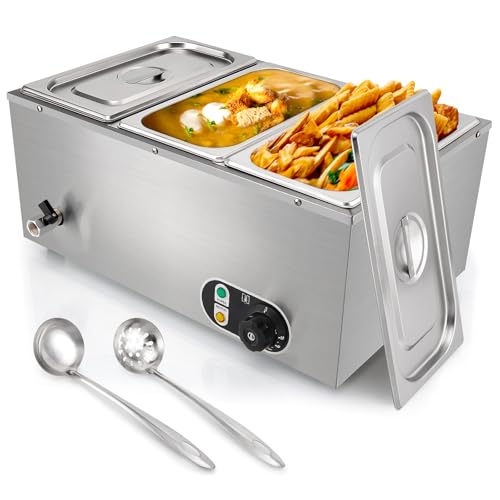
Steam tables are the workhorse of buffet lines and cafeterias. They use a heated water well beneath each pan to keep wet dishes moist for hours without constant attention, which makes them a natural fit for self-serve setups where food sits out for an extended stretch.
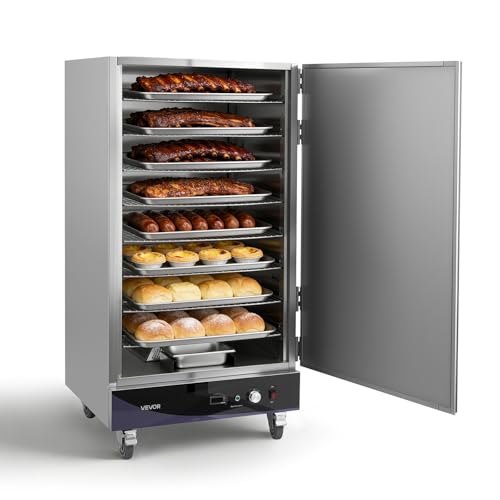
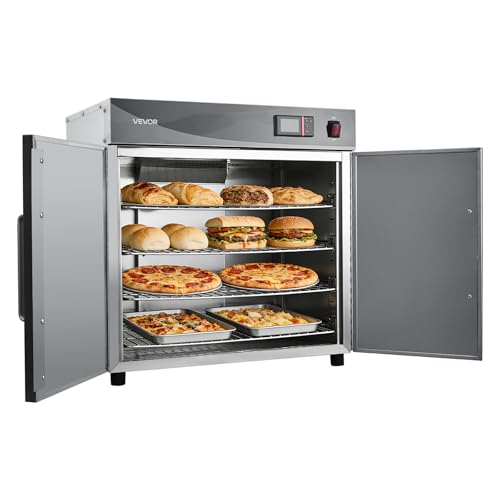
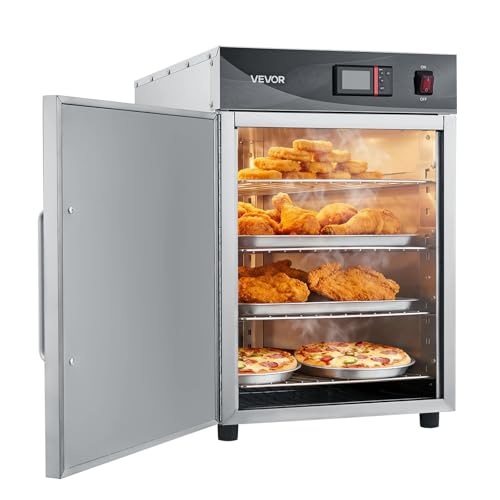
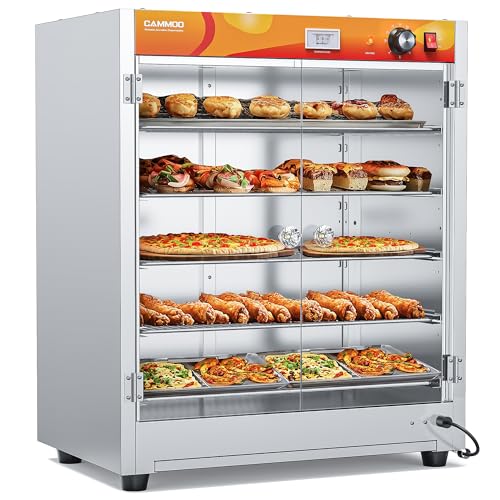
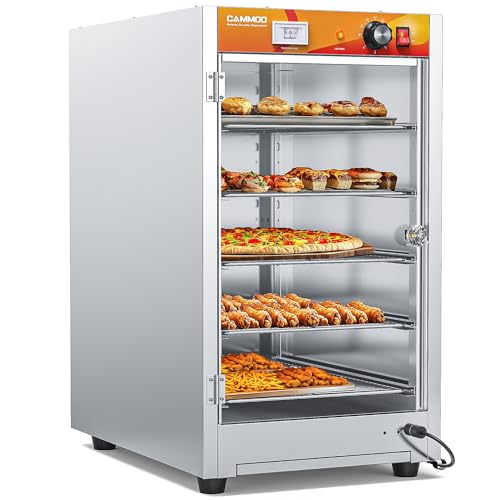
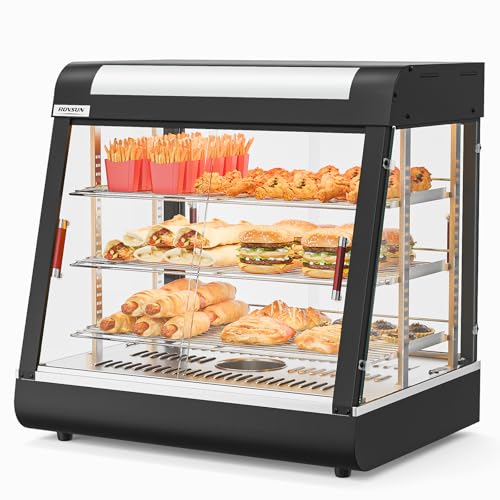
Holding cabinets, sometimes called warming cabinets, are fully enclosed units that maintain a steady internal temperature and often add humidity control. Because they are closed off from the dining room, they work well for staging plated meals ahead of a banquet or holding large batches of food a kitchen has prepped in advance.
Heat lamps and strip warmers use radiant heat from above, usually over a plating or expo station rather than a full buffet line. They hold food for a shorter window than a steam table or cabinet, which makes them best suited to fast-turnover spots like a carving station or a short-order pickup counter rather than long-duration storage.
Staying Inside Food Safety Rules
Health inspectors care about one number above almost everything else in this category: whether your hot-held food stays above the safe holding threshold, generally cited around 135 to 140 degrees Fahrenheit depending on local code. Equipment that drifts below that line for even part of a shift can trigger a violation, so consistent, verifiable temperature control matters more than a high maximum setting.
Look for units carrying NSF certification, which confirms the materials, construction, and cleanability meet recognized commercial food equipment standards. A certified warmer is easier to clean thoroughly between shifts and less likely to harbor bacteria in seams or hard-to-reach corners, both of which matter during a health inspection.
It is worth noting that cranking the temperature higher than necessary does not make food safer for longer. It usually just dries out or overcooks the dish, since a warmer is meant to hold food at a safe temperature rather than continue cooking it.
Matching the Setup to Your Type of Operation
Buffet restaurants generally need the largest, most continuous holding capacity, since food sits exposed to guests for hours at a stretch. Steam tables paired with sneeze guards tend to dominate this setting, which is one reason so many operators default to them when researching the best commercial food warmers for a self-serve line. Operations building a customer-facing setup rather than back-of-house holding may want to compare notes with a guide on commercial display cases built for showing food to customers, since the buying priorities shift once presentation becomes part of the job.
Catering operations often favor mobile holding cabinets and insulated carriers because food gets prepped at a central kitchen and transported to an event site. Cafeterias sit somewhere in between, usually running fixed steam tables for the main line with a smaller heat-lamp station for grab-and-go items. Banquet halls tend to combine holding cabinets for staging with steam tables on the actual serving line, since plated banquet service and buffet-style service often happen in the same building on different nights.
Frequently Asked Questions
What temperature should a commercial food warmer maintain?
Most health codes require hot-held food to stay at or above roughly 135 to 140 degrees Fahrenheit. Check your local regulations, since exact thresholds can vary slightly by jurisdiction and food type.
How long can food safely sit in a warmer?
Guidance generally allows hot-holding for up to six hours if temperature stays consistent, though many kitchens rotate food every two to four hours to protect texture and flavor rather than pushing the full limit.
Do I need a steam table or a holding cabinet?
Choose a steam table for wet, saucy dishes on an active buffet line and a holding cabinet for staging plated food or storing large batches before service. Many larger kitchens use both for different parts of the operation.
Does NSF certification actually matter for a small operation?
Yes, since most health inspectors and commercial kitchen leases expect certified equipment regardless of operation size. It also signals the unit was built with cleanable materials and safe electrical design.
Can one warmer handle both wet and dry foods well?
Not reliably. Wet heat that keeps soup moist will make fried food soggy, so most kitchens run separate dry-heat and moist-heat stations rather than expecting one unit to do both jobs.
How much capacity does a small buffet restaurant typically need?
It depends on your menu count and seating, but a common starting point is enough pan wells to hold every active menu item at once with a small buffer for backup batches during peak hours.
Is a portable warmer a realistic substitute for commercial equipment?
For very small events or single-dish transport, a smaller unit can work, and it's worth comparing options like a compact food warmer built for transport against full-size equipment before deciding. For regular buffet or catering volume, dedicated commercial equipment holds up far better over time.
Making the Final Call for Your Kitchen
The right holding equipment comes down to an honest look at your menu, your busiest service hour, and the health code rules you operate under. Kitchens that weigh those three factors, rather than picking whatever looks biggest on a showroom floor, tend to land on the best commercial food warmers for their actual workflow instead of a generic pick. Take the time to match heat type and capacity to how your team really works, and the payoff shows up in less wasted food and smoother service every shift.