Best Electric Knife Sharpener: A Complete Buying Guide

If sharpening your knives by hand sounds like one more chore you will never get around to, you are not alone. Most home cooks do not want to learn whetstone angles or spend twenty minutes hunched over a stone before dinner. That is exactly why so many people start searching for the best electric knife sharpener they can find: a machine that takes a dull blade from struggling through a tomato to slicing cleanly in under two minutes, with almost no learning curve. This guide walks through how these machines actually differ, what sharpening stages do, which knives they can safely handle, and what tradeoffs come with the convenience.




Pull-Through Slots vs. Guided Belt Systems
Not every electric knife sharpener works the same way, and the mechanism matters more than the brand name on the box. Two design families cover most of what is on the market right now.
Pull-Through Sharpeners
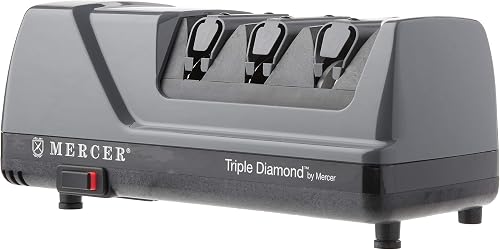
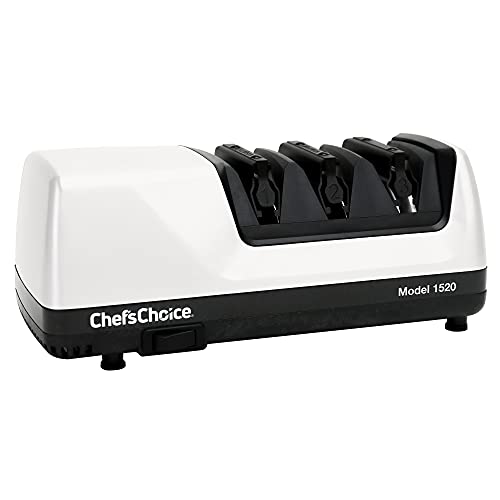
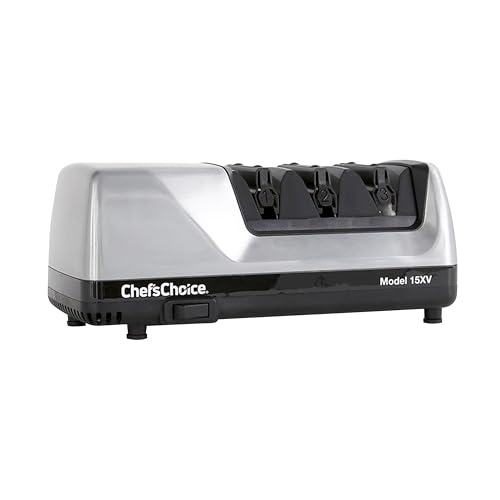
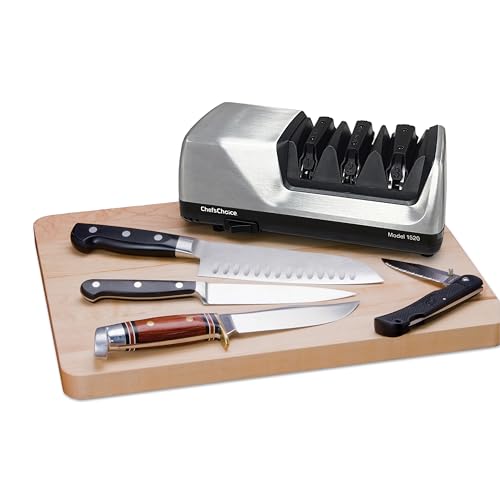
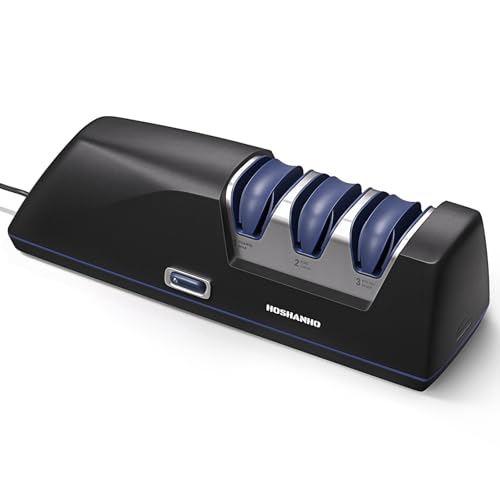
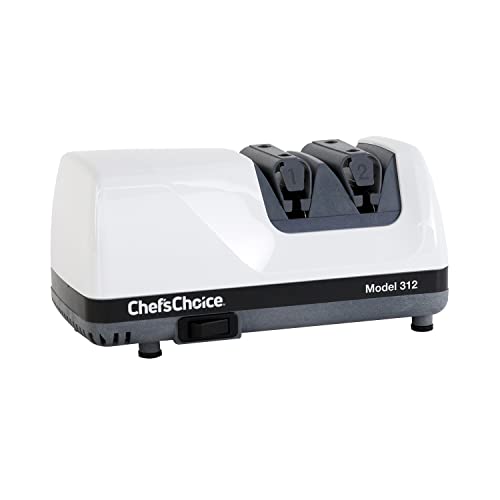
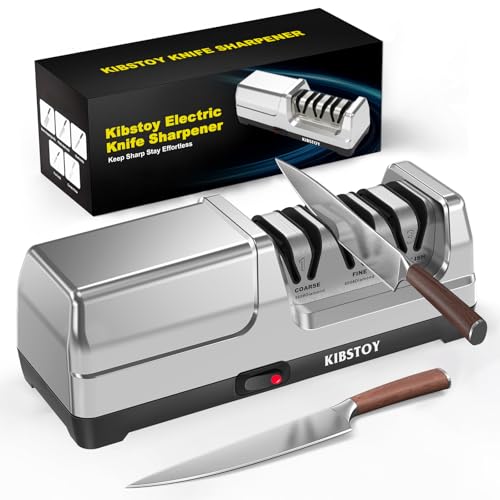
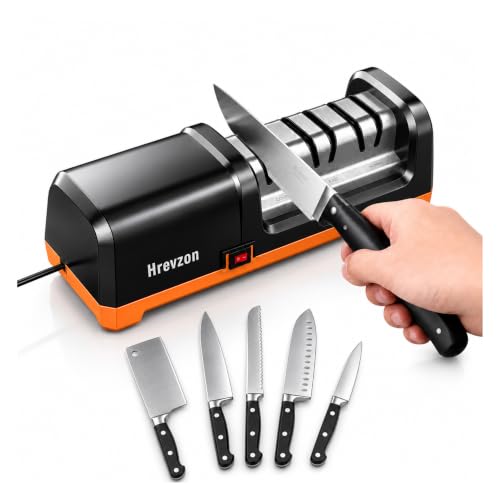
These are the countertop boxes with one, two, or three slots cut at a fixed angle. You switch the machine on and draw the blade through each slot a set number of times, and internal abrasive wheels spin against the edge to do the work. They are the fastest option to learn, since the slot decides the angle for you. The tradeoff is flexibility: a fixed slot sharpens every knife at the same angle, whether it is a thick chef's knife or a thin paring knife that would benefit from something narrower.
Guided Belt and Freehand Electric Systems
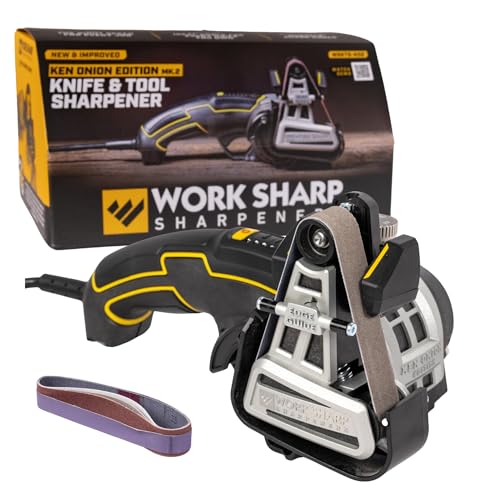
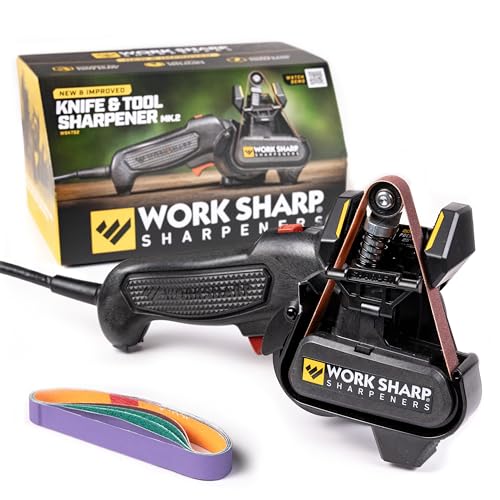
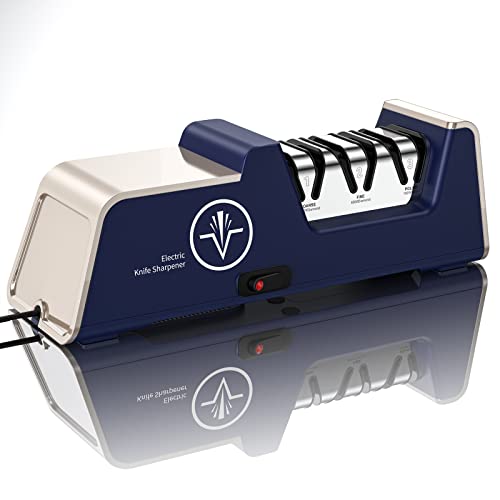
Belt-driven models use a motorized abrasive belt instead of fixed slots, and you guide the blade across it by hand, often with an adjustable angle guide clipped to the spine. They take a bit more practice than a pull-through slot, but they let you match the sharpening angle to the actual knife instead of forcing every blade through the same geometry. If you own a mixed set, from a heavy Western chef's knife to a thinner boning knife, this style tends to give more consistent results across the whole block.
How Many Sharpening Stages You Actually Need
Every electric sharpener is built around a series of stages, and the number tells you what condition of knife it is meant to fix.
Two-Stage Sharpeners
A coarse stage plus a fine stage covers routine upkeep well. The coarse pass resets the edge, and the fine pass refines it into something that will comfortably slice through produce and protein. For knives that get touched up every few weeks and never let a serrated saw develop, two stages are usually plenty.
Three-Stage Sharpeners With a Strop
Adding a third, ultra-fine or stropping stage removes the microscopic burr that the first two stages leave behind. That burr is invisible, but it is why a knife can feel sharp right off a two-stage machine and then dull again within days. If your knives sit unused in a knife block for weeks between real use, or you regularly bring back badly neglected blades, the extra stage is worth paying for.
How Much Metal an Electric Sharpener Removes (and Why That Matters)
This is the tradeoff most first-time buyers never think about until it is too late, and it is worth understanding before you settle on the best electric knife sharpener for your kitchen. Electric sharpeners work by grinding metal away with a spinning abrasive, and that is genuinely faster than a whetstone, but it also removes more steel per pass than manual sharpening does. Run a knife through a two-stage electric machine every week and you will visibly shorten its working life over a couple of years, thinning the blade and eventually changing its balance.
The practical fix is restraint, not avoidance. Save the coarse or medium stage for knives that are genuinely dull, and use only the fine or strop stage for routine maintenance in between. Cheaper, thinner kitchen knives tend to tolerate this better than expensive forged blades, so if you own a mix, treat your higher-end pieces more carefully.
Which Knives Work in an Electric Sharpener and Which Don't
Not every blade in your kitchen belongs in the same machine, and putting the wrong knife through the wrong sharpener is a common way to damage an edge permanently.
Straight-Edge Kitchen Knives
Standard Western-style chef's knives, utility knives, and paring knives are exactly what most electric sharpeners are designed for. As long as the slot or guide angle roughly matches your knife's factory angle, straight-edge blades are the safest, most predictable category to run through a motorized sharpener.
Serrated Blades
Only some models handle serrated edges, usually through a narrow tapered slot meant to reach into the scallops. Running a serrated bread knife through a slot built for straight edges will grind down the points of the serrations instead of sharpening them, so check the manual before you try it.
Ceramic and Ultra-Thin Japanese-Style Blades
Ceramic blades need a diamond abrasive specifically rated for ceramic, and standard steel-sharpening wheels will chip them instead. Thin, hard Japanese-style knives, including many gyuto and santoku patterns, are also risky in a fixed pull-through slot because their edge geometry is narrower than what most consumer machines assume. If you rely on a Japanese chef's knife as your main blade, a guided freehand system or a manual stone will treat it far more gently than a generic electric slot.
Speed, Noise, and Everyday Convenience
The entire appeal of an electric sharpener comes down to how little it asks of you. Most models finish a standard chef's knife in one to two minutes, including all stages, compared to ten or twenty minutes of freehand work on a stone. Motors on countertop pull-through models run fairly loud for a few seconds at a time, so it is not a middle-of-the-night task, but the noise is brief. Look for a model with a stable, non-slip base and enough weight that it will not skate across the counter while you are guiding a blade through it, especially if you plan to sharpen an entire cutting board full of prepped vegetables right after.
Frequently Asked Questions
How long does it take to sharpen a knife with an electric sharpener?
Most straight-edge kitchen knives take one to two minutes total, including every stage. Badly neglected blades that need a coarse pass first can take a little longer.
Can an electric knife sharpener damage your knives?
Yes, if it is used too often or on the wrong stage. Overusing the coarse setting removes unnecessary metal and can gradually thin and weaken a blade, so save it for knives that genuinely need it.
How often should you use an electric knife sharpener?
For knives in regular use, a quick pass on the fine or strop stage every two to three weeks is usually enough. Reserve the coarse stage for knives that have gone visibly dull or nicked.
Can you sharpen serrated knives with an electric sharpener?
Only with a model that includes a slot designed for serrations. A standard straight-edge slot will grind down the points instead of restoring them.
Are electric knife sharpeners safe for ceramic knives?
Only if the machine specifically lists ceramic compatibility and uses a diamond abrasive rated for it. Standard steel-sharpening wheels can chip a ceramic edge.
Is an electric sharpener as good as a whetstone?
A whetstone gives more control over the exact angle and removes less metal over time, but it takes practice and patience. An electric sharpener trades some of that precision for speed and consistency.
Is an Electric Sharpener the Right Call for You
The best electric knife sharpener for your kitchen is hard to beat if you want reliable, repeatable results without learning freehand technique, and most home cooks fall into exactly that category. The tradeoff is that convenience comes with faster wear on your blades if you lean on the coarse stage too often. Match the sharpener style, pull-through or guided belt, to the knives you actually own, use the lightest stage that gets the job done, and an electric sharpener will keep a kitchen running with sharp, safe blades for years.