
Best Camping Coolers: Every Type Explained Side by Side
Disclosure: We may earn a commission when you buy through links on this page, at no extra cost to you. As an Amazon Associate I earn from qualifying purchases. Learn more

The best camping coolers by type: hard, rotomolded, soft and 12V electric compared, with capacity and ice tips.
A good cooler keeps food safe and drinks cold for the whole trip, and the wrong one leaves you with warm sandwiches, soggy packages and a mid trip run for more ice. Camping coolers now come in several very different designs: classic hard coolers, heavy rotomolded chests, lighter injection molded models, soft sided bags and backpacks, wheeled coolers and 12 volt electric fridges that need no ice at all. This guide to the best camping coolers compares every type side by side, so you can match one to your trips, your vehicle and your budget.
We explain how each type works, who it suits, what it costs and where it falls short, then cover how to choose, how to make a cooler last and common questions. Every cooler in the table above is sold new on Amazon US. Food safety matters on any trip: keep perishable food at 40°F or below, and when in doubt about food that has warmed, throw it out.


Types of Camping Coolers Compared
The main types of camping coolers are standard hard coolers, rotomolded and premium hard coolers, soft coolers and 12 volt electric coolers. Standard hard coolers suit most weekend trips at a low price, rotomolded coolers suit long trips and rough use, soft coolers suit day trips and hikes and electric coolers suit road trips and overlanding with vehicle power.
| Type | Best For | Pros | Cons | Typical Price |
|---|---|---|---|---|
| Standard hard cooler | Weekend car camping, tailgates | Low price, light, large capacity | Shorter ice retention, less durable | around $40 to $120 |
| Rotomolded / premium hard cooler | Long trips, fishing, rugged use | Longest ice retention, very tough | Heavy, expensive | around $200 to $500 |
| Soft cooler | Day trips, hikes, beach, kayaks | Light, easy to carry, packs small | Smaller, shorter ice life | around $25 to $350 |
| 12V electric cooler / fridge | Road trips, overlanding, RVs | No ice needed, can freeze | Needs power, heavy, costly | around $110 to $470 |
Car Camping Coolers: Standard and Wheeled Hard Coolers
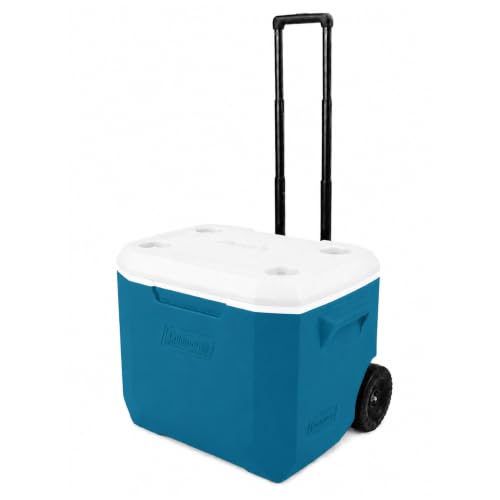
Standard hard coolers are the best fit for car campers who drive to a site and want plenty of space for little money. The Coleman Chiller 60 quart rolling cooler, at around $67, is a good example: Coleman says its TempLock foam holds ice for up to 72 hours, it fits 47 cans with 30 pounds of ice, its lid supports up to 200 pounds as a seat and it weighs 12.3 pounds empty.
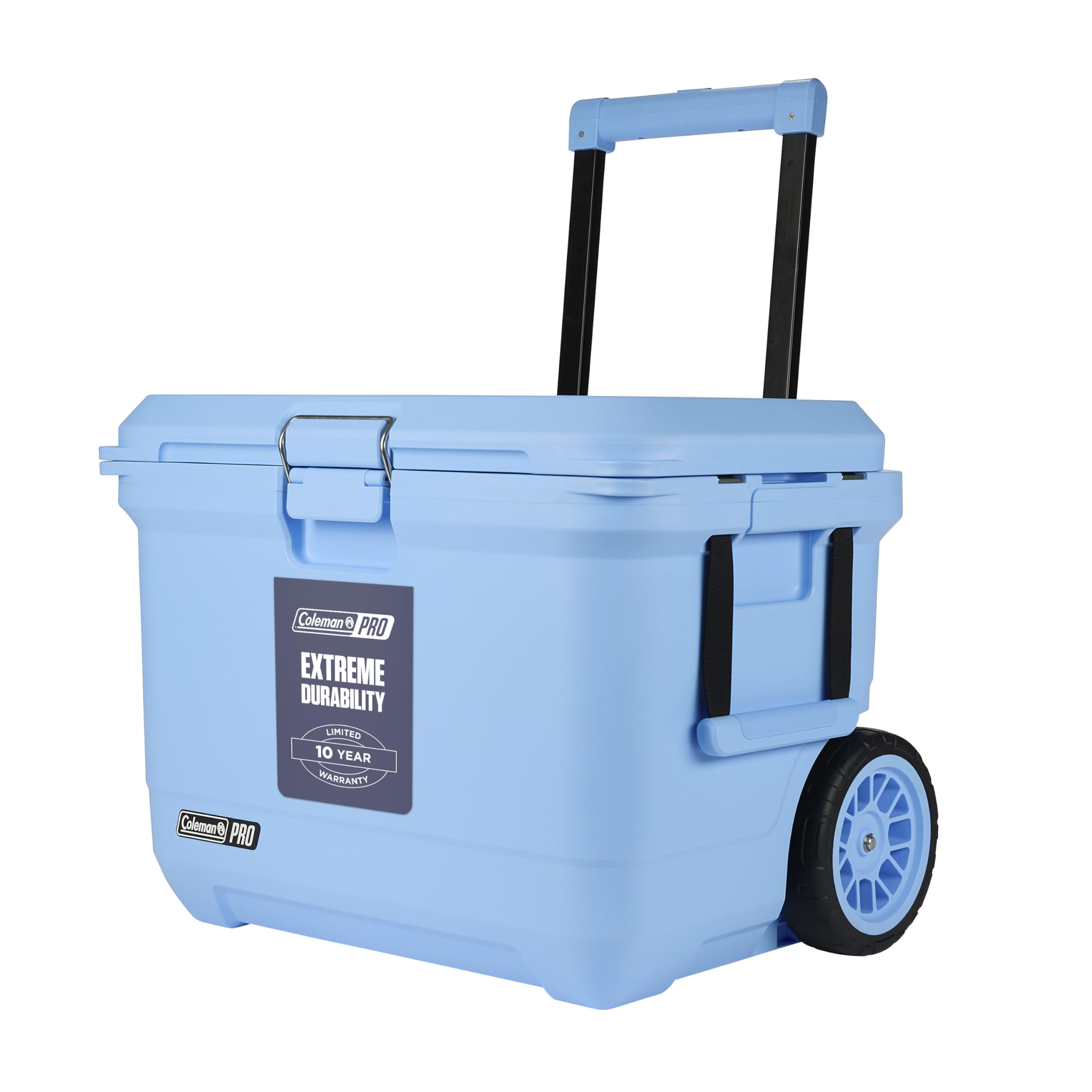
Wheels matter more than most people expect. A loaded 60 quart cooler can weigh well over 60 pounds, and wheels make it easy for one person to move from the car to the campsite. Step up models like the Coleman Pro 55 quart with wheels add better insulation and sturdier construction at around $300.
The trade off is ice retention. Thinner walls and simpler lids mean ice melts faster than in premium coolers, which is fine for two or three day trips but less ideal for a week in the backcountry. Keep these coolers in the shade and add ice as needed.
Long Trip Coolers: Rotomolded and Premium Hard Coolers
Rotomolded coolers suit long trips, fishing, hunting and anyone who needs ice to last for days in hot weather. Rotational molding creates one piece walls packed with thick insulation, plus freezer style lid gaskets and heavy latches. Examples include the Grizzly 75 quart, made in the USA with a lifetime warranty, at around $348, and the Frosted Frog 45 quart at around $260.
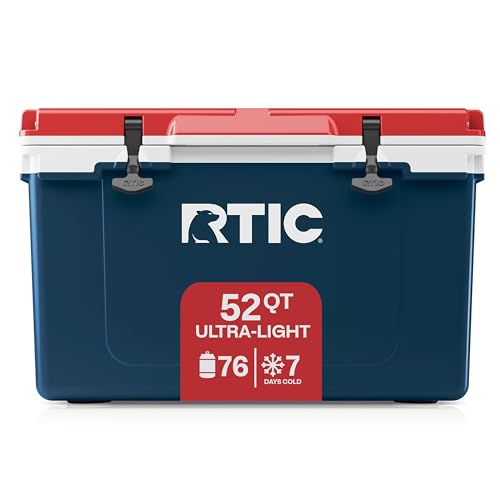
Lighter alternatives cut weight without giving up much performance. RTIC says its Ultra-Light 52 quart is over 30 percent lighter than traditional rotomolded coolers, with up to 3 inches of closed cell foam, room for 76 cans or 51 pounds of ice and a 21 pound empty weight, at around $229. Wheeled premium models like the YETI Roadie 48, with NeverFlat wheels, and the Ninja FrostVault 45 quart, with a separate dry zone for food that stays under 40°F, add convenience at around $300 to $425.
The downsides are weight and price. Even empty, rotomolded coolers are heavy, and a full one usually needs two people. They make the most sense if you camp often or for long stretches.
Day Trip and Hiking Coolers: Soft Coolers and Cooler Backpacks
Soft coolers suit day hikes, beach days, kayaking and short trips where you carry the cooler yourself. The Maelstrom 35 can cooler backpack, at around $38, holds up to 35 cans and keeps contents cold for about 16 hours, according to Maelstrom, with padded shoulder straps and a bottle opener on the strap.
Premium soft coolers use thicker closed cell foam and leakproof zippers. YETI says its Hopper Flip 18 uses ColdCell insulation, a 100 percent leakproof HydroLok zipper and a waterproof DryHide shell, holds up to 16 cans plus ice and weighs 5.1 pounds empty, at around $300.
Soft coolers pair well with a larger hard cooler at camp: keep the main supply in the hard cooler and carry lunch and drinks for the day in the soft one. They do not hold ice as long as hard coolers, so they are not the best choice as a primary cooler on multi day trips.
Road Trip and Overlanding Coolers: 12V Electric Coolers
Electric coolers suit road trips, van life, RVs and overlanding, where vehicle power or a portable power station is available. Compressor models work like small refrigerators, keeping food cold without ice and often freezing too. BougeRV says its 53 quart model cools from 77°F to 32°F in about 15 minutes, uses under 45 watts in ECO mode and includes a three level battery monitor to avoid draining your car battery, at around $295.
Smaller dual zone units like the ICECO GO20, at around $449, offer separate fridge and freezer zones with a SECOP compressor, 12/24V DC and 110 to 240V AC power and a five year compressor warranty, according to ICECO. Without ice, every bit of interior space holds food.
The trade offs are price, weight and power. You need a vehicle, a power station or campsite power to run them, and they are not meant to be carried far.
Hard Coolers vs Electric Coolers: Which Should You Choose?
Choose a hard cooler if you camp at sites without power, want the lowest cost or need a cooler you can leave in the sun and forget. Choose an electric cooler if you take long road trips, travel with a vehicle that runs daily or own a portable power station, and you are tired of buying ice and draining melt water.
For most weekend car campers, a good hard cooler is the better value. A 45 to 60 quart hard cooler costs a fraction of an electric fridge and needs nothing but ice. Rotomolded models extend that to longer trips.
Electric coolers shine on trips of a week or longer, where ice costs add up and keeping food dry and organized matters. They also handle hot climates better, since a compressor fridge holds a set temperature regardless of how hot it is outside, as long as it has power.
Many campers own both: an electric cooler for food in the vehicle and a soft or hard cooler for drinks that get opened often. Drinks coolers open frequently, which warms them faster, so separating food and drinks helps both last longer.
How to Choose the Best Camping Coolers for Your Trips
To choose among the best camping coolers, match capacity to your group and trip length, check ice retention claims, consider weight and how far you carry it and look at features like drains, wheels and latches.
Weight and Packed Size
Check the empty weight and external dimensions before buying. The Coleman Chiller 60 weighs 12.3 pounds empty, while the RTIC Ultra-Light 52 weighs 21 pounds and traditional rotomolded coolers weigh more. Add the weight of ice, food and drinks, and a full large cooler can top 80 pounds.
Measure your trunk or truck bed too. RTIC lists exterior dimensions of 27.17 by 17.49 by 17.33 inches for its 52 quart model; make sure your cooler fits with room left for other gear.
Capacity and Performance Specs
Capacity is listed in quarts. As a rough guide, 20 to 30 quarts suits one or two people for a day or overnight, 45 to 55 quarts suits a couple or small family for a weekend and 60 quarts or more suits groups or longer trips. Remember that ice takes up about half the space in a hard cooler.
Ice retention claims vary widely and are measured in ideal conditions. Expect less in hot sun with frequent opening. Look for wall thickness, insulation type and lid gaskets as signs of better performance.
A simple rule for a weekend: plan about 2 pounds of ice for every quart of food space you need cold, and choose a cooler large enough to hold both with a little air space to spare. Leftover gaps fill with towels or extra ice.
Ease of Carrying and Handles
Comfortable handles and wheels make the biggest difference in daily use. Look for rope or molded handles that do not pinch, wheels sized for gravel and grass and a telescoping handle on wheeled models. Cooler backpacks should have padded straps and a padded back panel.
If you camp at walk in sites, a wheeled cooler or two smaller coolers are easier than one huge chest.
Drains, Latches and Accessories
A good drain plug lets you empty meltwater without tipping the cooler. Strong latches keep the lid sealed and help with bear and raccoon resistance at camp, though only certified designs are bear resistant. Accessories like dividers, dry baskets and cutting boards help keep food organized and out of meltwater.
The Ninja FrostVault's separate dry zone is a useful feature for keeping food dry without extra containers.
How to Make Your Camping Cooler Last Longer
Pre chill the cooler the night before with a bag of sacrificial ice, then pack it with cold food and drinks. Use block ice on the bottom, which melts slower than cubes, and fill empty space with more ice or towels.
Keep the cooler in the shade, open it as little as possible and keep drinks in a separate cooler. After each trip, wash it with mild soap, rinse, dry fully with the lid open and store it in a cool place to prevent odors and mildew. Lubricate gaskets occasionally and check latches and hinges.
Camping Coolers: Your Questions Answered
How long will ice last in a camping cooler?
Ice lasts about two to three days in standard hard coolers and up to several days or more in rotomolded coolers in good conditions. Soft coolers usually hold ice for one day or so. Pre chilling, block ice, shade and limited opening extend ice life.
Is a premium cooler worth the price?
A premium cooler is worth it if you camp often, take trips longer than a weekend or camp in hot weather. For occasional weekend trips, a standard hard cooler like the Coleman Chiller offers better value.
Should I drain the meltwater?
Drain meltwater from food areas, since it warms faster than ice and can soak packaging. Some campers leave cold meltwater in drink coolers, where it helps cool cans, but keep food out of it.
How long do camping coolers last?
Standard hard coolers often last several years with care, while rotomolded coolers can last a decade or more. Electric coolers last many years, and compressor warranties, like ICECO's five years, indicate expected longevity.
The Bottom Line
The best camping coolers match your trips. Standard hard coolers like the Coleman Chiller 60 suit weekend car camping on a budget, rotomolded and premium coolers like the RTIC Ultra-Light, Grizzly and YETI Roadie suit long trips, soft coolers suit day trips and 12V electric coolers like the BougeRV and ICECO suit road trips and overlanding. Pack smart and keep food at 40°F or below.
For more camping guides, see the best coolers, the best camping tents, the best camping grills and the best generators for camping. Then compare current prices in the product table above.


