Best Bug Zappers: A Buying Guide for Choosing the Right One
Disclosure: We may earn a commission when you buy through links on this page, at no extra cost to you. As an Amazon Associate we earn from qualifying purchases. Learn more
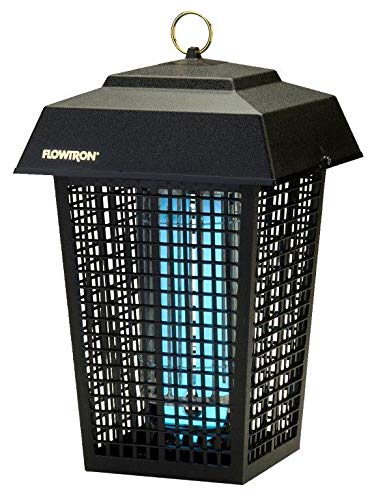
Nothing ruins a summer evening on the patio faster than swatting at moths, gnats, and flying beetles every few seconds. If you have looked into the best bug zappers for your yard or porch, you have probably noticed that not all of them are built the same way, and picking the wrong size or type can leave you with an expensive porch light that barely makes a dent in the problem. This guide walks through how these devices actually work, how to size one to your space, what changes between indoor and outdoor models, and where to place it so it helps rather than backfires. By the end, you will know exactly what to look for before you start comparing specific models.
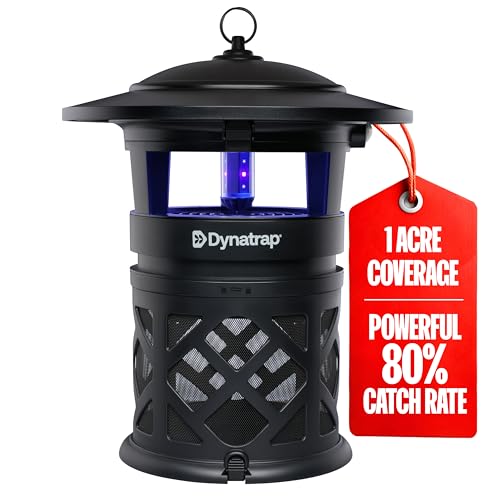
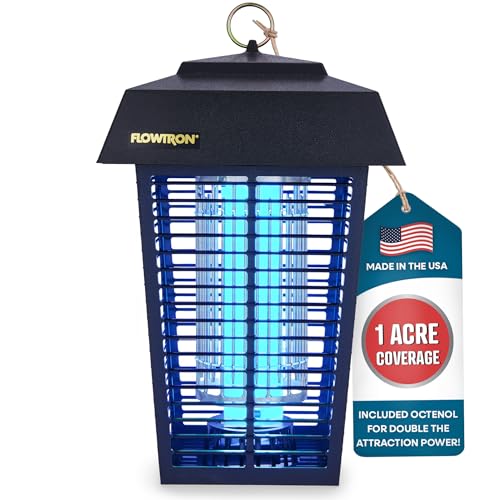
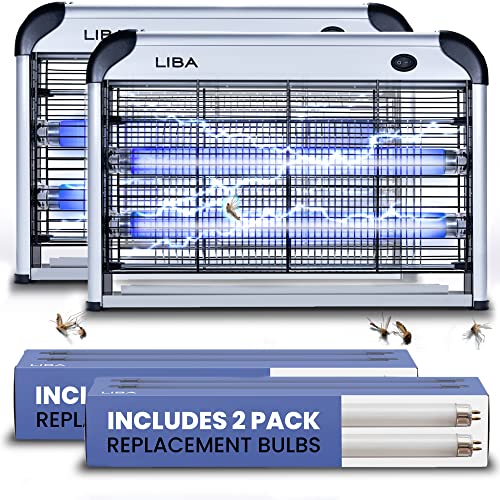
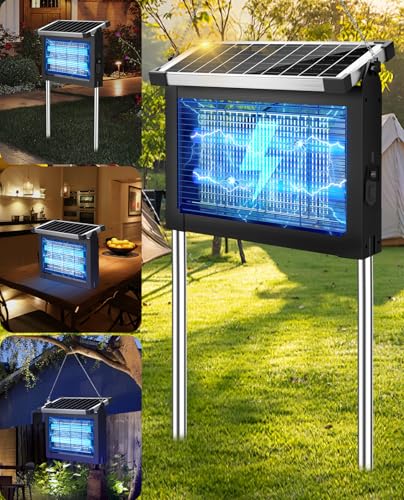
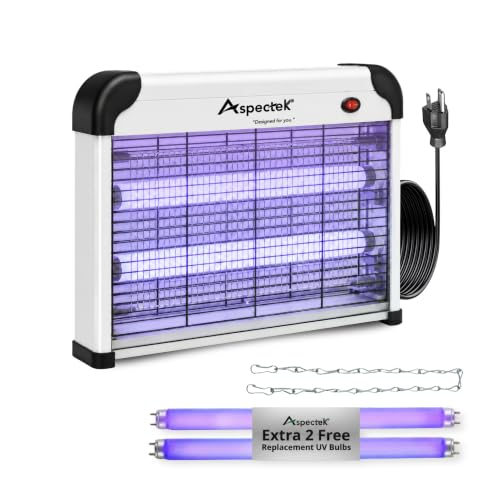
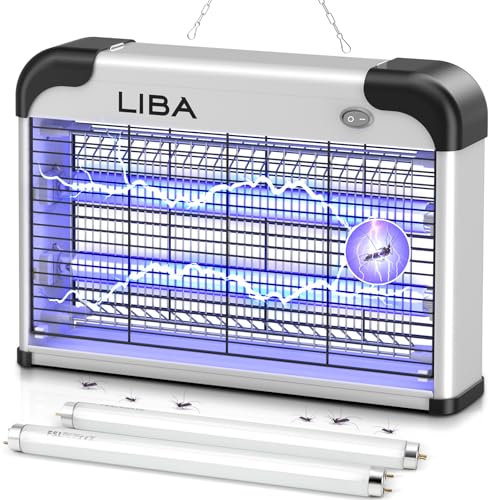
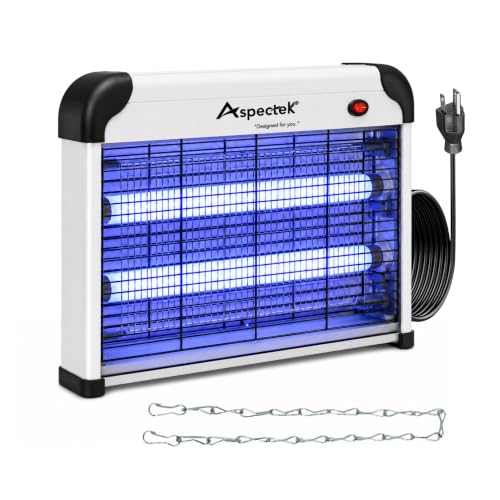
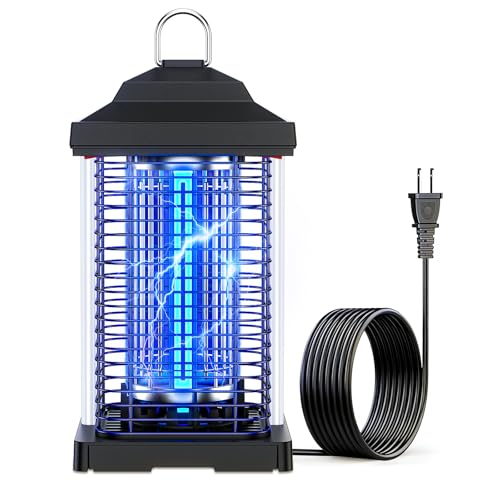
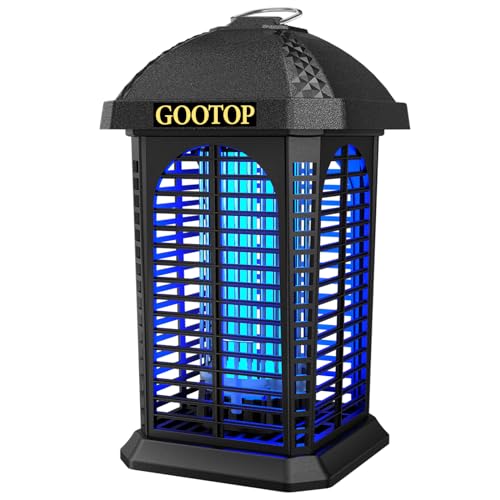
How Bug Zappers Actually Attract and Kill Insects
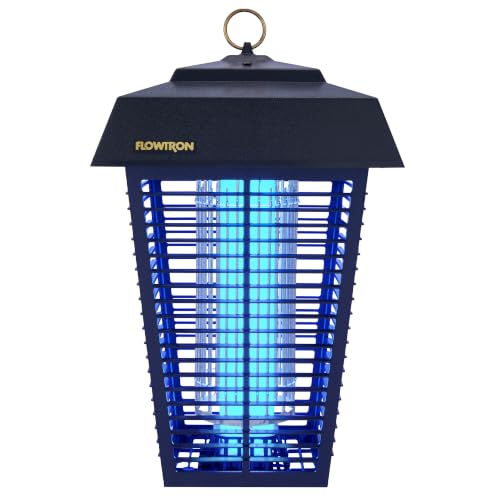
Every electric bug zapper relies on the same basic idea: use light to lure flying insects toward a grid, then deliver a jolt strong enough to kill on contact. Grasping how that circuit and the attractant light actually work makes it much easier to judge which coverage area and features you actually need, rather than assuming one model works like another. This mechanism is exactly why the best bug zappers vary so much in results from one yard to the next.
UV Light and the Electric Grid
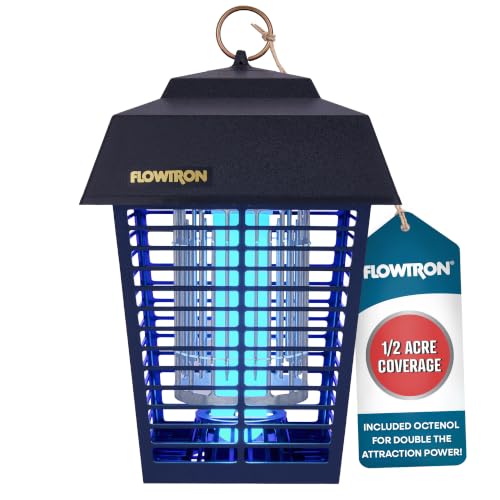
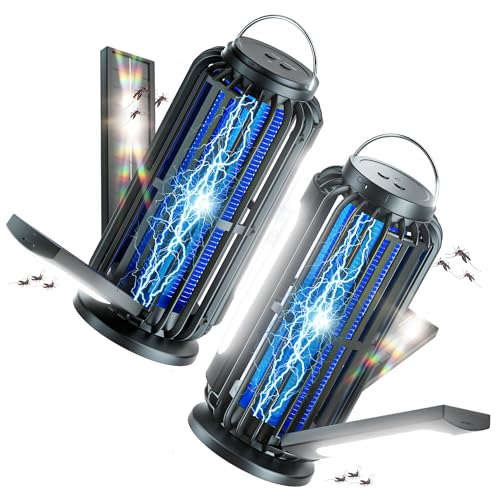
Inside every unit is a bulb tuned to a near ultraviolet wavelength, the range flying insects are most sensitive to. Moths, flies, gnats, and beetles fly toward that light and pass through an outer housing that separates them from the electrified grid, where two high voltage wires sit a few millimeters apart. Once an insect bridges those wires, the circuit completes and the shock kills it almost instantly. Even a basic UV bug zapper with no added attractant works well against moths and beetles, which stay drawn to the light on its own. Some higher end models also add an octenol or lactic acid cartridge near the bulb, a scent that mimics the breath and body odor of humans and animals, which pulls in more biting insects than light alone.
Why Mosquitoes Are the Exception
Here is the part most buying advice glosses over: standard UV light does very little to attract mosquitoes. Female mosquitoes hunt primarily by carbon dioxide and body heat, not light, so university trials have found mosquitoes make up only a small fraction of what a typical zapper actually catches, usually well under ten percent. If mosquito control is your main goal, look specifically for a unit with an octenol or CO2 style attractant, or pair a zapper with a topical bug repellent for direct skin protection, since the two work in different ways.
Matching Coverage to Your Space
Coverage area is where most buying decisions go wrong. Manufacturers list a maximum square footage or acreage figure, but that number assumes open, unobstructed air with no wind, trees, or structures in the way. A realistic rule of thumb is to plan for roughly seventy percent of the advertised coverage, then size up from there.
- Small patios, balconies, or single rooms under 300 square feet do well with a compact tabletop or plug-in unit.
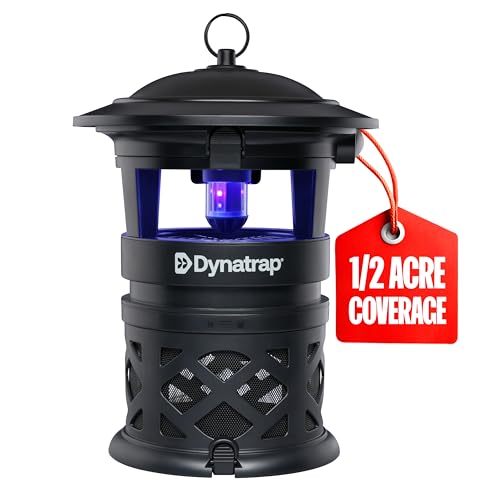
- Mid-size yards up to about half an acre call for a stronger outdoor bug zapper with a wider light spread.
- Properties near woods, standing water, or open fields should size up by 25 to 50 percent above the yard's actual footprint, since those areas draw in far more insects than an average suburban lot.
If you are choosing between two sizes and are not sure which way to go, the bigger unit is almost always the safer bet. Among the best bug zappers on the market, the ones that disappoint buyers most often are undersized units asked to cover more ground than they were built for.
Indoor Units vs Outdoor Units: What Actually Changes
Choosing between the best bug zappers for indoor versus outdoor use comes down to engineering, not just size. An indoor bug zapper and an outdoor model look similar at a glance, but the internal build is different enough that swapping one for the other usually ends badly.
Outdoor units are weatherproofed, run at higher voltage, and are built to survive rain, humidity, and temperature swings without shorting out. They also tend to be louder and can release a small amount of ozone, which is fine in open air but not ideal in a closed room. Indoor units are gentler by design, with lower voltage, quieter operation, and a tighter grid spacing that still handles flies, gnats, and moths without the noise or smell.
Mixing the two up creates real problems. Running an outdoor grade unit indoors can be loud enough to disrupt sleep and may build up more ozone than a small room can comfortably handle. Using an indoor unit outside, on the other hand, usually means a housing that cannot handle rain or humidity and a light that is not strong enough to draw insects from more than a few feet away. Pests like June bugs, which are strongly drawn to porch lighting, are a good example of why an outdoor-rated unit matters near entryways during peak summer months.
Placement and Safety Around Kids and Pets
Where you put the unit affects both how well it works and how safe it is to have around family. Getting placement right is often what separates the best bug zappers in glowing reviews from the same models in frustrated complaints. A zapper hung too close to your seating area pulls insects toward the people it is supposed to protect, not away from them.
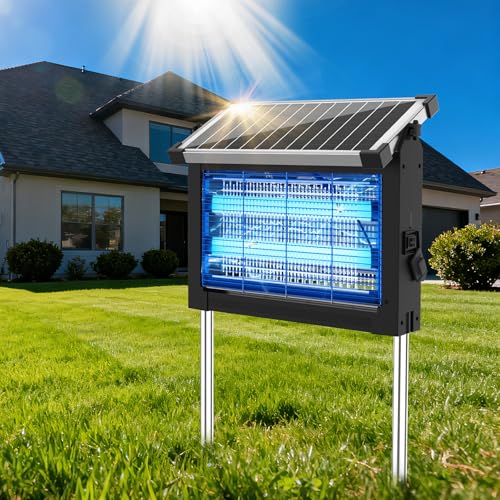
Aim for a spot roughly six to seven feet off the ground and at least fifteen to twenty feet from the patio table, grill, or wherever people actually sit. That height keeps the unit within the natural flight path of most flying insects while staying out of reach for kids and larger dogs. Avoid hanging it directly above a doorway, since insects scatter inward when they are startled, and steer clear of loose soil or mulch beds where pets like to dig near a ground stake.
If you are planning your outdoor layout around seating and dining space, treat the zapper as a separate zone entirely, tucked along a fence line or garden edge rather than centered near the furniture.
Enclosed grid housings, which prevent direct contact with the electrified wires, are worth prioritizing in any home with young kids, curious pets, or frequent guests. Pairing the zapper with ambient outdoor lighting elsewhere on the patio also helps, since it keeps the zapper as the single brightest UV source pulling insects away from where people actually gather.
Frequently Asked Questions
Do bug zappers actually work on mosquitoes?
Somewhat, but not as well as most people expect. Standard UV models catch mostly moths, flies, and beetles, since mosquitoes hunt by scent and body heat rather than light. Among the best bug zappers built for mosquito-heavy yards, the ones that perform noticeably better add an octenol or CO2 style attractant alongside the UV light.
Are bug zappers safe for pets?
Yes, as long as it is placed correctly. The electrified grid itself is enclosed on most models, so casual contact will not shock a pet. The bigger risk is placement, so keep the unit at least six feet up and away from digging spots, food bowls, or a dog's favorite resting spot.
How often should you clean a bug zapper?
Wipe down the collection tray and brush off the grid every one to two weeks during peak season, more often if you run it nightly. Always unplug the unit first, and never use water directly on the electrified grid since it can damage the internal wiring.
How often do bug zapper bulbs need to be replaced?
Most UV bulbs lose a meaningful share of their attracting power after about a year of regular use, even though they still appear to glow normally. Replacing bulbs at the start of each bug season keeps the unit performing the way it did when new.
Is a bug zapper better than a mosquito trap?
It depends on the goal. A zapper is affordable and effective against general flying insects like moths and beetles, while a dedicated mosquito trap uses heat and CO2 to target biting insects specifically and tends to reduce mosquito numbers more noticeably over time. Many of the best bug zappers on the market now blend both approaches into one unit.
Do bug zappers attract more bugs than they kill?
Not exactly, but the best bug zappers can pull insects toward your property from farther away than you would get without one. That is a fine trade-off in an open yard, but it is one more reason to keep the unit away from the exact spot where people are sitting.
Setting Realistic Expectations
That is really the whole point of narrowing down the best bug zappers for your specific setup before you start comparing individual models. A well-chosen unit earns its keep against moths, flies, gnats, and other general flying insects, especially once you have it sized correctly and placed away from where people gather. Just do not expect it to solve a serious mosquito problem on its own, since that calls for either an attractant-equipped model or a separate strategy entirely. Once the coverage, indoor versus outdoor design, and placement pieces fit together, comparing specific models becomes a lot more straightforward.