
Best Brahmi Tablets: Types Compared and How to Choose for 2026
Disclosure: We may earn a commission when you buy through links on this page, at no extra cost to you. As an Amazon Associate I earn from qualifying purchases. Learn more

Learn how to choose the best brahmi tablets by comparing extract strength, dose per serving, purity testing, and price per day in one clear guide.
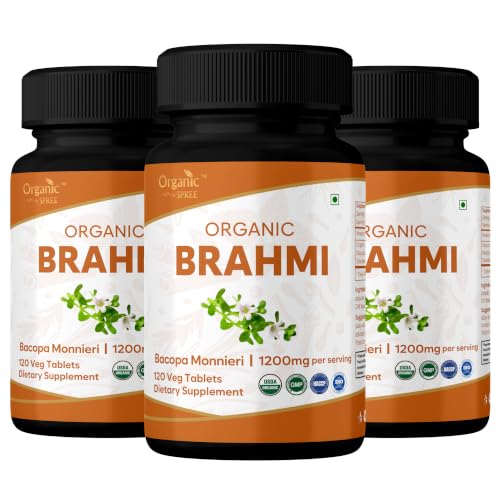
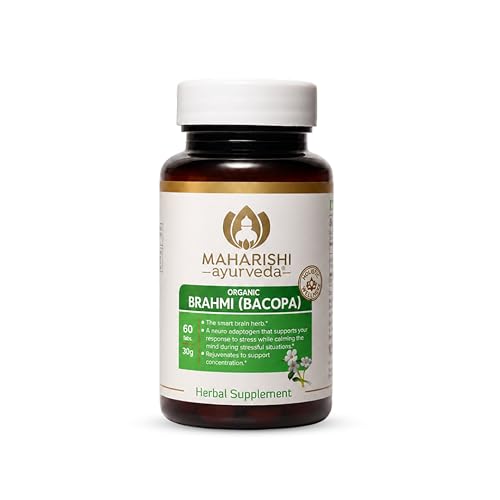
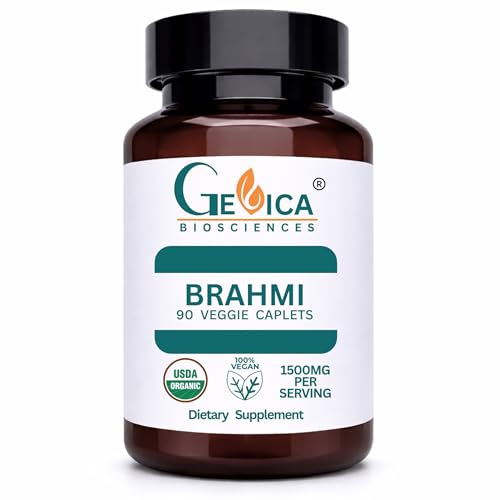
Brahmi, from the herb Bacopa monnieri, comes in so many tablet strengths and blends that two bottles side by side can look similar while delivering very different amounts of the plant. Choosing the best brahmi tablets is mostly about reading the label well. This guide compares the main tablet types, explains what the numbers on the label actually mean, and shows you how to match a formula to your routine and budget. The comparison table below gathers the key options in one place.
One caution before you start. Brahmi is a supplement, not a medicine, and it is not right for everyone. The safety notes later in this guide matter as much as the price, so read them before you order.

How Brahmi Tablets Compare to Other Options
Brahmi reaches you in several forms, and the form changes how easy a product is to dose, store, and take every day. Tablets are the most measured option because each one carries a fixed amount. Capsules, loose powder, teas, and liquid extracts each trade some of that precision for flexibility or speed. Understanding those trade offs first makes the tablet types themselves much easier to judge, because you will know what tablets do well and where another form might serve you better.
Brahmi Tablets vs Capsules
Tablets and capsules often contain the same extract, so the real differences are practical. Tablets are pressed, which makes them sturdy in a bag, slow to absorb moisture, and usually cheaper per serving because the production process is simple. Capsules can be easier to swallow and sometimes avoid the binders and coatings that pressed tablets need. If you dislike a faint herbal taste, a tablet with a light coating or a capsule both solve that. Choose tablets when cost per day and shelf stability matter most, and capsules when swallowing comfort is the deciding factor.
Brahmi Tablets vs Powder and Tea Forms
Loose brahmi powder is the most flexible form because you can adjust the amount freely and mix it into food or drinks. That freedom has a cost. Powder tastes strongly bitter, measuring it daily gets tedious, and a kitchen scale or scoop is far less precise than a pressed tablet. Teas made from the dried herb are gentle and pleasant, but the strength of each cup varies with steeping time and leaf quality. Tablets win for travel, for consistent daily amounts, and for anyone who wants to take a serving in seconds without tasting the herb at all.
Brahmi Tablets vs Blended Focus Formulas
Many tablets combine brahmi with other herbs or nutrients aimed at focus and calm. Blends can be convenient when you already planned to take those ingredients, but they hide the dose of each component unless the label lists every amount openly. A single herb tablet tells you exactly how much brahmi you get, which makes it easier to judge value and to notice how you respond. If you try a blend, check that brahmi is not just a token ingredient near the end of a long proprietary list with no amounts shown.
Who Should Choose Brahmi Tablets?
Tablets suit adults who want a steady, simple daily routine and a clear record of how much they take. Students and office workers who keep a bottle at a desk, travelers who need a form that will not spill, and anyone who dislikes herbal flavors tend to do well with tablets. They also suit careful shoppers, because a fixed dose per tablet makes price per day easy to calculate and compare across brands.
Other people should pause or choose differently. If you are pregnant, nursing, managing a thyroid condition, or taking sedating or prescription medicine, talk with your clinician before using brahmi at all, in any form. Children should only use herbal supplements when a pediatric clinician advises it. If swallowing tablets is difficult for you, a capsule or liquid form is the safer and more comfortable choice.
How to Choose the Right Brahmi Tablet
Extract Strength and Bacoside Content
The most useful number on the label is the amount of bacosides, the active compounds in brahmi, given as a percentage of the extract. A standardized extract might list 20 percent or 50 percent bacosides, which lets you compare two products honestly. Whole herb powder tablets contain the ground plant with no such guarantee, so a larger milligram number can still deliver less of the active compounds. Prefer labels that state both the extract amount per tablet and the bacoside percentage. When a label shows only a big milligram figure with no percentage, treat that as a weaker sign of quality.
Dose Per Tablet and Serving Size
Read the serving size before the front label claims. Some bottles advertise a strong number that actually requires two or three tablets a day, which changes both the cost and the effort involved. A single tablet serving is simpler to keep up, and consistency matters because brahmi is traditionally taken daily over many weeks rather than as an occasional boost. Check how many tablets the bottle holds against the daily serving to see how many days it truly lasts. A bottle that looks like a two month supply at first glance may last only one month at the stated serving.
Testing, Purity, and Label Honesty
Herbal products can carry heavy metals or other plant material if sourcing and testing are careless, so look for evidence that each batch is tested by an independent laboratory for identity, purity, and contaminants. Clear labels name the plant part used, the country level sourcing detail when available, and the full ingredient list without hiding behind vague proprietary blends. The same label reading habit helps across the supplement shelf. When you compare the best fiber tablets or the best collagen tablets, the brands that state amounts and testing plainly are the ones you can judge fairly.
Added Ingredients and Allergens
Pressed tablets need binders and flow agents, and some formulas add coatings, colors, or sweeteners. A short, plainly named ingredient list is easier to trust than a long one full of extras you did not ask for. Check for allergens such as soy or gluten if those matter to you, and note whether the product is suitable for a vegetarian diet, since coatings and capsule style ingredients vary. If a formula adds caffeine or other stimulating ingredients, that changes when you should take it and who should avoid it, so blends deserve an extra careful read.
Price Per Day and Bottle Size
Compare cost per day at the stated serving, not cost per bottle. A larger bottle with a two tablet serving can cost more per day than a smaller bottle with a one tablet serving. As a rough guide, basic whole herb tablets often cost the least per day, standardized extract tablets sit in the middle, and elaborate blends cost the most because you are paying for several ingredients at once. Paying more makes sense when it buys verified bacoside content and documented testing. It makes less sense when it buys only fancy packaging and bold claims.
Use and Storage Tips
Take brahmi with food if it upsets your stomach, and take it at the same time each day so the habit sticks. Store the bottle in a cool, dry cupboard away from bathroom humidity, keep the lid closed, and note the expiry date when you open it. Keep supplements out of reach of children, and do not transfer tablets into unlabeled containers where someone could mistake them for something else.
Stop and seek medical advice promptly if you notice warning signs such as a rash, swelling, trouble breathing, severe stomach pain, unusual sleepiness, or a racing or very slow heartbeat. Talk with your clinician before use if you take thyroid medicine, sedatives, or medicines for mood or seizures, because herbs can interact with prescriptions. Brahmi is not a treatment for memory loss or anxiety disorders, and new or worsening symptoms deserve a proper medical evaluation rather than a stronger supplement.
Brahmi Tablets: Your Questions Answered
How long does brahmi take to show any effect?
Brahmi is generally used daily for at least eight to twelve weeks before people judge how it suits them. It is not a stimulant, so expecting a same day lift sets you up for disappointment. Keep a simple note of sleep, focus, and mood during the first weeks. That written record is far more reliable than memory when you decide whether to continue, switch type, or stop.
What dose of brahmi should I look for on a label?
Look for a label that states the extract amount and the bacoside percentage, then follow the serving directions on that product rather than copying a number from the internet. Products differ too much for one universal figure. Start at the lowest suggested serving, give it time, and never exceed the label amount. If you are unsure what suits your health situation, ask your clinician or pharmacist before starting.
Can I take brahmi tablets with food?
Yes, taking brahmi with a meal is a common and sensible choice, especially if you have a sensitive stomach. Food can soften the nausea or cramps some people notice when they take herbal tablets on an empty stomach. A meal containing some fat is a practical pick because parts of the plant are fat soluble. Whatever you choose, keep the timing consistent from day to day.
Is brahmi safe during pregnancy or while nursing?
The safe answer is to avoid brahmi during pregnancy and while nursing unless your own clinician advises otherwise. There is not enough reliable safety evidence for these stages, and supplement labels commonly warn against use. The same caution applies if you are trying to conceive. Your clinician knows your history and can suggest safer ways to support sleep, stress, and focus during this period.
How should I compare two brahmi products with different prices?
Compare them in this order: bacoside percentage, extract amount per serving, independent testing, then price per day. A cheaper bottle with no stated standardization may deliver far less of the active compounds than a smaller, clearer labeled one. Also count how many tablets a daily serving needs. That simple order turns a confusing shelf into a fair side by side judgment in a few minutes.
Final Thoughts
The decision comes down to three things: a clearly stated bacoside content, a serving size you will actually keep up, and testing you can verify. Match the type to your life, simple whole herb tablets for the lowest cost per day, standardized extracts for a measured amount, and blends only when every ingredient amount is shown. Use the product table above to compare your shortlist, and choose the best brahmi tablets for your routine with the safety notes in mind. When in doubt, talk with your clinician about your personal needs before you buy.


