
Best Insect Traps: A Buying Guide to Passive Pest Control
Disclosure: We may earn a commission when you buy through links on this page, at no extra cost to you. As an Amazon Associate we earn from qualifying purchases. Learn more

Fruit flies hovering over the kitchen counter, gnats circling a houseplant, or beetles chewing through a rose bush all point to the same question: how do you catch the insects without spraying chemicals or running an electric grid. The best insect traps solve this with passive capture instead of active killing. They use adhesive, scent, or light to draw pests in and keep them there, no cord and no current required. This guide walks through how these traps actually work, which type matches which pest, where to place one so it doesn't backfire, and how to keep it working once it's set up.
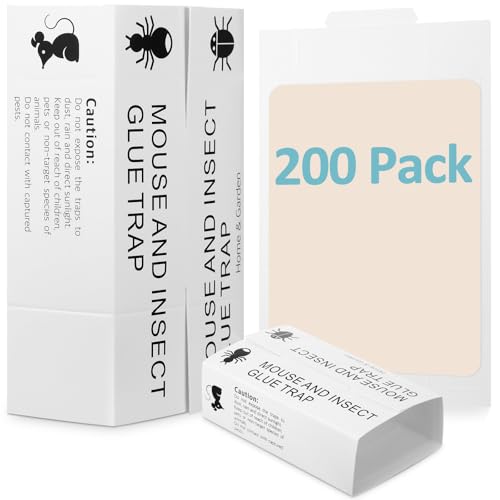
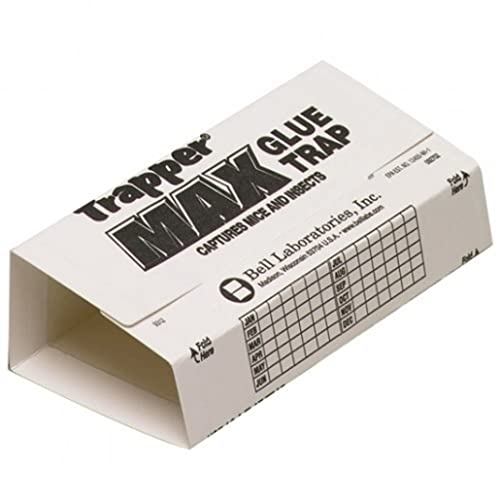
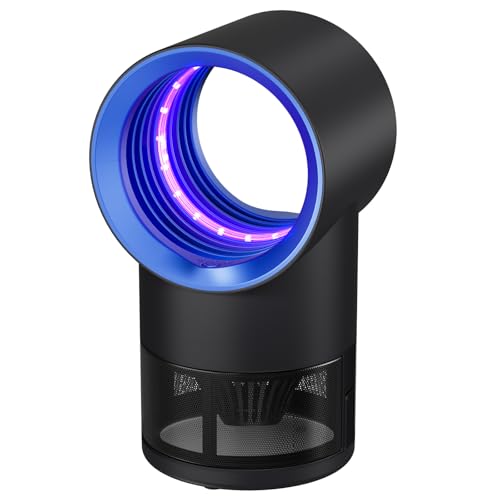
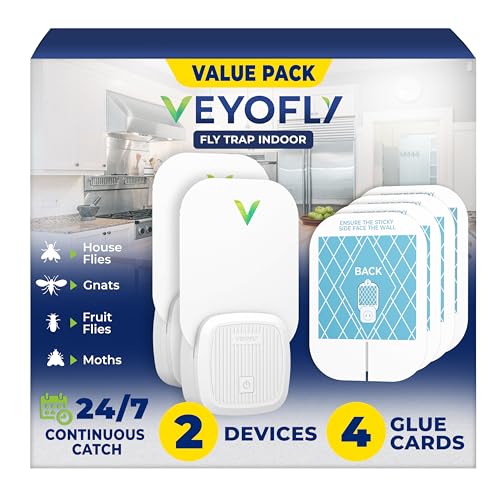


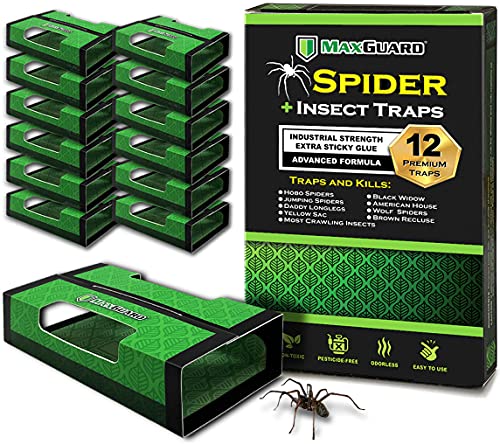
How Passive Insect Traps Actually Work
An insect trap is fundamentally different from the two other pest tools you'll see on store shelves. Understanding that difference up front will save you from buying the wrong product, since the best insect traps for one pest can be nearly useless against another.
Traps vs. Zappers vs. Repellents: What's Actually Different
A trap captures insects passively, usually with an adhesive surface, a scent lure, or a container they can enter but not easily exit. Nothing is electrocuted and nothing needs to be plugged in for most designs. A bug zapper works differently: it uses light to draw insects toward an electrified grid that kills on contact, which makes it a better fit if you want active, ongoing knockdown of flying insects over a patio or yard (our guide to bug zappers covers that approach in detail).
A repellent is different again, since it's applied to skin or clothing to prevent bites in the first place rather than capturing anything (see our bug repellent guide if prevention is what you're after). If you specifically want to reduce a population that's already inside your kitchen or garden without electricity or chemicals on your skin, a trap is the right category to shop in.
The Four Main Attractant Mechanisms
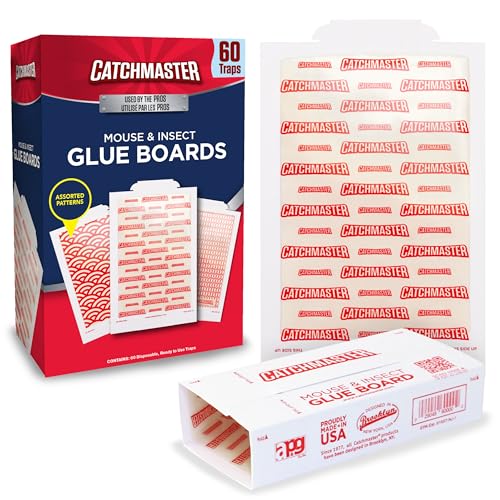
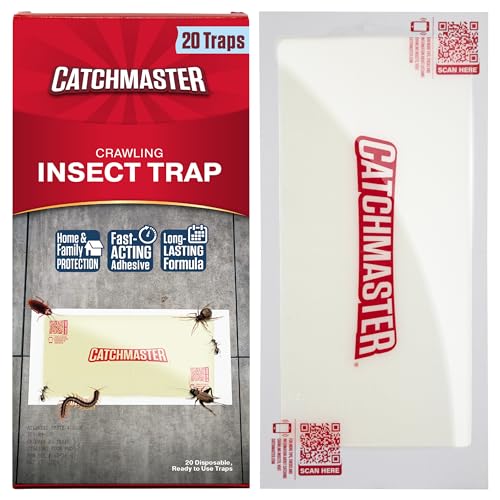
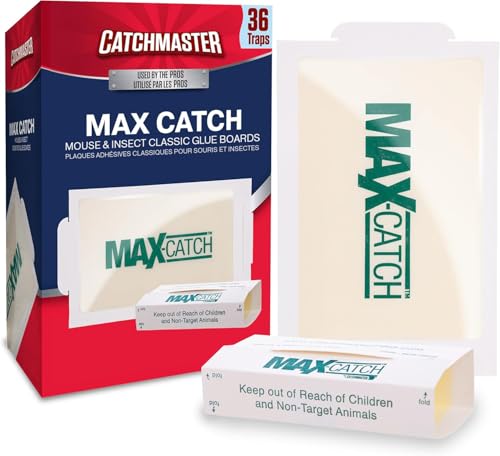
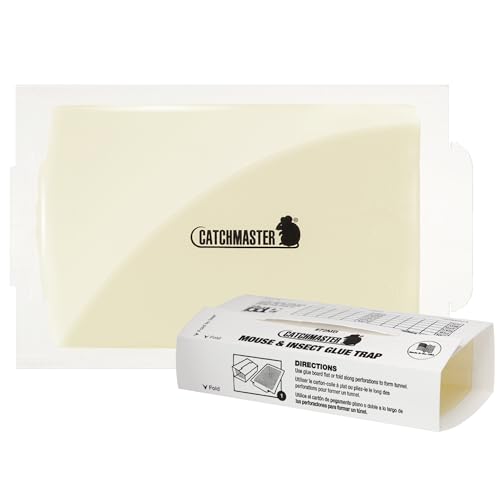
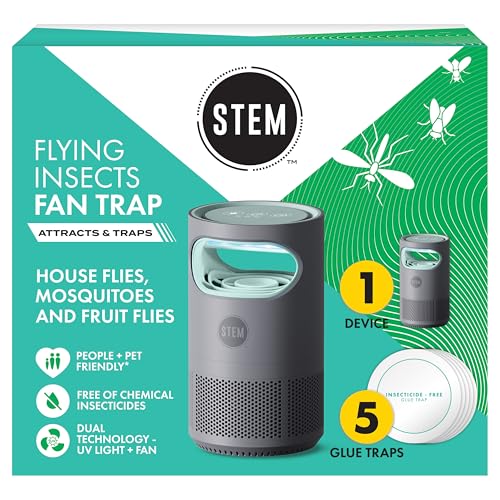
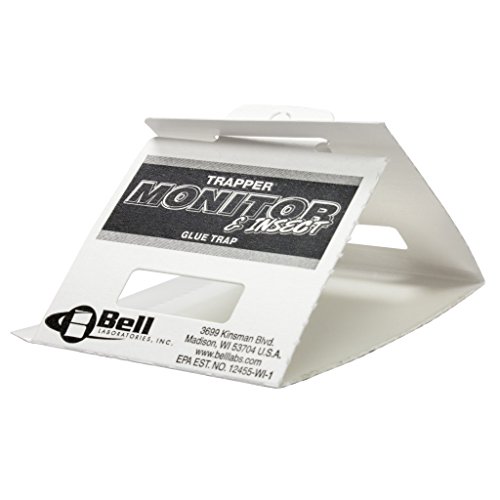
Most traps on the market rely on one of four ways to pull insects in. Sticky or glue traps use a non-drying adhesive surface, often paired with color or a food-based scent, to hold insects on contact. Pheromone traps use a synthetic version of the scent insects release to attract mates, which makes them extremely species-specific. Non-electric light traps use UV or visible light to draw insects into a chamber or onto an adhesive surface without an electrified grid. CO2 or yeast-fermentation traps mimic the carbon dioxide humans and animals exhale, which is what draws in host-seeking mosquitoes, using a sugar-and-yeast mixture instead of a power source.
Matching the Trap Type to the Pest You're Actually Dealing With
One of the most common mistakes buyers make is picking a generic "insect trap" without checking whether it's built for the pest bothering them. In practice, the best insect traps for your situation are rarely the same for a kitchen fruit fly problem and a backyard beetle problem, since traps tend to be far more pest-specific than zappers and matching the mechanism to the pest matters more here than with other pest control products.
Fruit Flies and Gnats
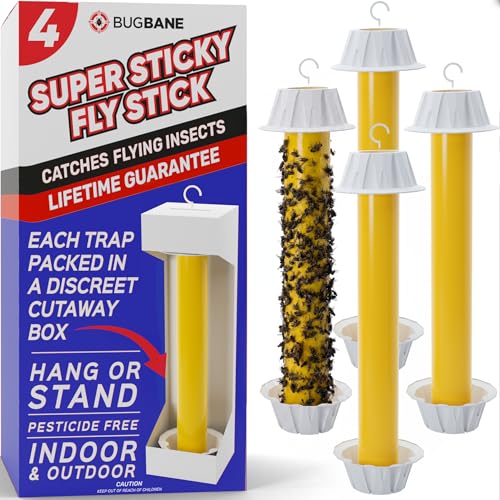
Small kitchen and houseplant pests respond best to sticky traps paired with a food or vinegar-based scent, or to a small enclosed liquid-lure trap. These insects are drawn by smell more than light, so a trap with a strong scent cue tends to outperform a purely visual one indoors.
Moths and Garden Beetles
Species like clothes moths, pantry moths, and Japanese beetles respond strongly to pheromone lures because the scent mimics a mating signal specific to that species. These traps are excellent for monitoring how bad an infestation actually is, though placement matters enormously, which the next section covers.
Mosquitoes and Outdoor Flies
Mosquitoes are drawn primarily by the carbon dioxide and body heat of a host, so a CO2 or yeast-fermentation trap tends to outperform a sticky trap outdoors. Outdoor flies around trash areas or patios often respond well to hanging bag traps that combine a strong food-based lure with a large capture volume.
Where to Place a Trap So It Doesn't Backfire
Placement is where a lot of buyers go wrong, and it's the difference between a trap that solves a problem and one that quietly makes it worse. Even the best insect traps can backfire if positioned poorly, since research on pheromone-based garden traps has found that a strong lure can attract several times more insects into the area than it actually catches, meaning the extras end up feeding on nearby plants instead of ending up in the trap.
Indoor Placement
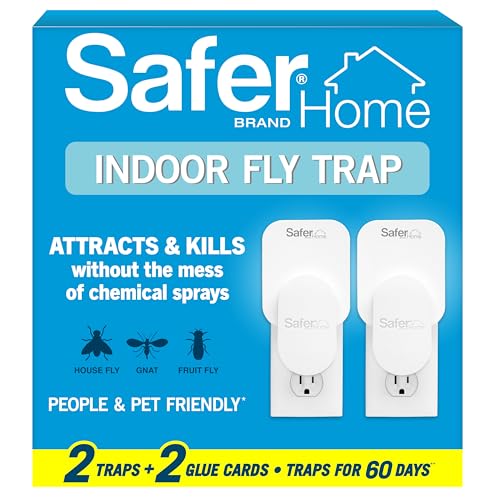
Set sticky or scent traps close to where the pests are breeding or feeding, such as near a fruit bowl, a drain, or a houseplant with damp soil, rather than in the middle of a room. This shortens the distance insects need to travel and improves capture rates quickly.
Outdoor Placement
For pheromone and other strong-lure traps, place them well away from the plants or areas you're trying to protect, not right next to them. A trap set at the far edge of a yard pulls insects away from a garden bed; the same trap hung directly above the plants you care about can draw in far more insects than it removes.
Keeping a Trap Working: Lures, Glue Boards, and Refills
Even the best insect traps stop earning their keep if you forget about them. A trap that isn't refreshed regularly stops being effective long before it looks obviously full. Adhesive surfaces lose their stickiness as dust and debris accumulate, even before every visible spot is covered, so replacing a glue board on a schedule works better than waiting until it looks completely used up. Pheromone lures degrade over time as the scent compound evaporates, so most need replacing every few weeks during peak season even if the trap still looks intact. CO2 and yeast-based traps need the bait mixture refreshed regularly since fermentation slows and eventually stops producing the gas that draws insects in. Budgeting for ongoing refills, rather than treating a trap as a one-time purchase, is part of getting realistic results.
Frequently Asked Questions
Do sticky traps actually work?
Yes, for the pests they're designed for. Sticky traps are genuinely effective against small flying insects like fruit flies, gnats, and whiteflies, especially indoors where there's less air movement to interfere with the scent or color cue drawing insects to the surface.
What is the difference between a bug zapper and an insect trap?
A trap captures insects passively using adhesive, scent, or a container, while a zapper actively kills insects with an electrified grid after luring them with light. The best insect traps tend to be more targeted to specific pests, while zappers offer broader, ongoing knockdown over an outdoor space.
Do pheromone traps attract more bugs than they catch?
They can, if placed too close to the plants or areas you're trying to protect. Placing a pheromone trap well away from valued plants avoids drawing extra insects into the exact area you're trying to defend.
How often should I replace a glue trap or lure?
Glue boards should generally be swapped every few weeks or sooner if visibly covered, and pheromone lures typically need replacing every few weeks during active pest season since the scent compound weakens over time.
Are insect traps safe around pets and kids?
Most passive traps are low-risk since there's no electric current involved, though adhesive traps and liquid lures should still be kept out of reach so curious pets don't get into the sticky surface or bait.
Why does my fruit fly trap stop working?
Usually because the lure has evaporated, the adhesive is saturated with debris, or the trap has been left in the same spot too long. Moving it closer to the actual source, such as a drain or fruit bowl, and refreshing the lure often solves the problem.
Making Your Decision
Choosing among the best insect traps comes down to matching the attractant mechanism to the pest you actually have and placing it where it works with your space instead of against it. Start with the pest, choose the trap type built for it, and commit to refreshing lures and glue boards on a regular schedule rather than waiting for a visible failure.