Best KWS Electric Meat Slicer: Complete Buying Guide
Disclosure: We may earn a commission when you buy through links on this page, at no extra cost to you. As an Amazon Associate I earn from qualifying purchases. Learn more

Most buyers comparing a KWS electric meat slicer get stuck on blade size and price, then plug the thing in and wonder why it bogs down halfway through a brisket or trips a breaker on the first use. The part that actually determines how a slicer performs over time is the motor and the electrical system behind it, not the blade diameter. This guide breaks down how KWS drives its blades, how long a motor can run before it needs a break, what outlet and voltage you should plan for, and which safety features actually matter when you're working with a spinning blade next to a live power cord.
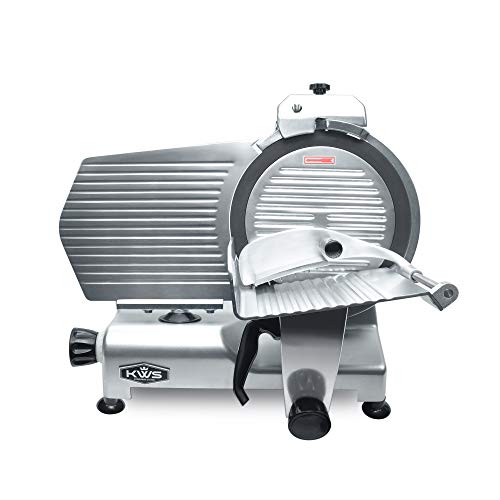
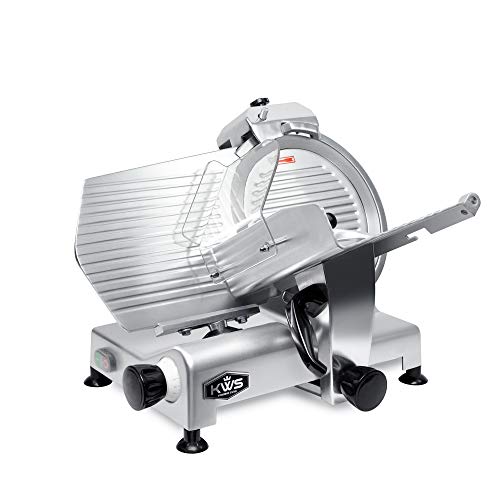


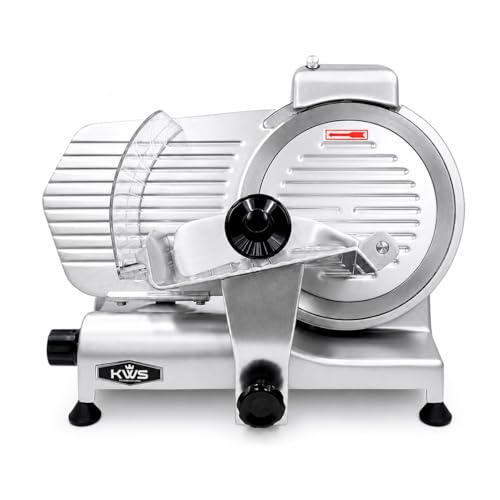
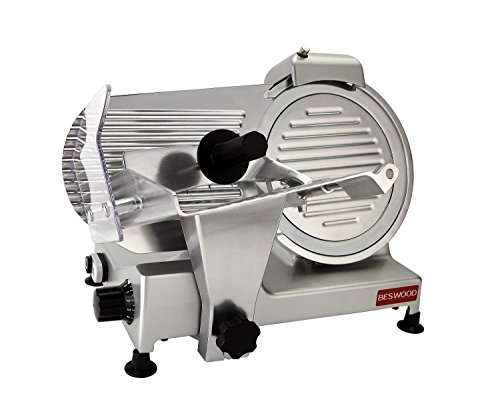
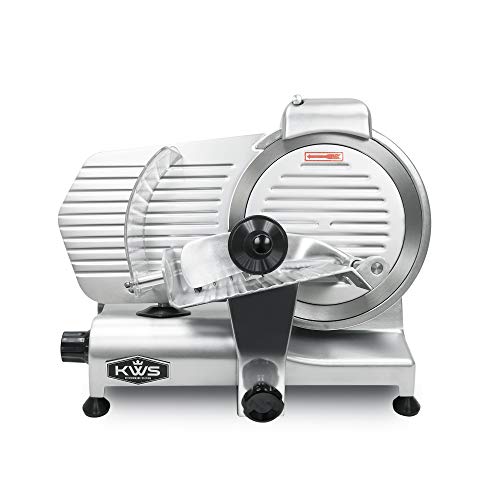
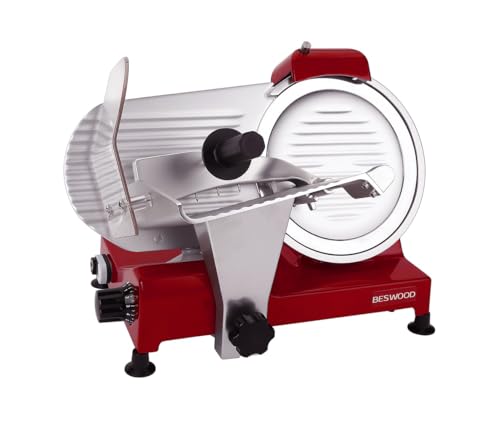
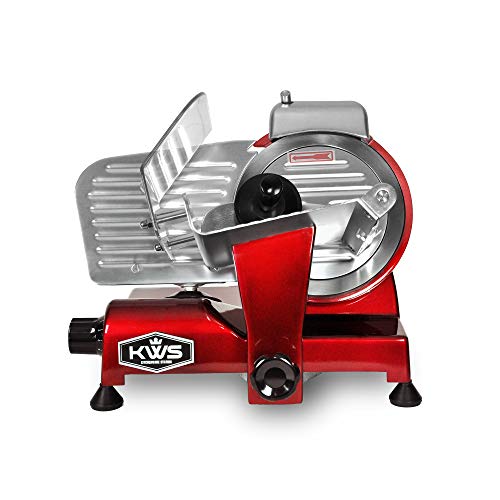

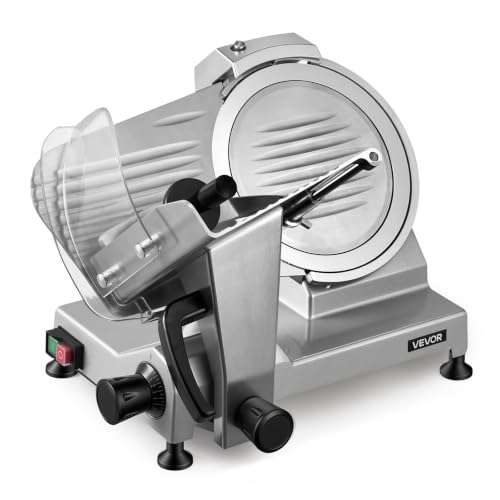
Gear-Driven vs Belt-Driven: What Actually Powers the Blade
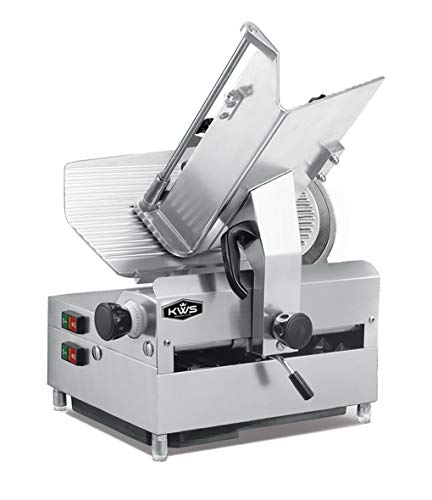
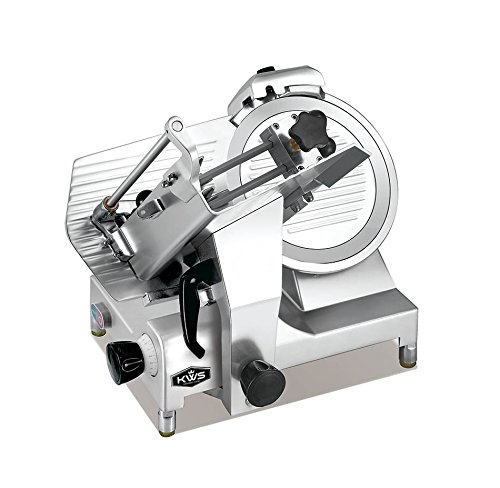
KWS builds slicers around two different drive systems, and the difference shows up long after the warranty period ends. A gear-driven motor connects directly to the blade through a set of metal gears, which keeps blade speed consistent even when you're pushing through a dense cut or a semi-frozen roast. A belt-driven motor uses a rubber or fiber belt instead, which flexes slightly under load and runs noticeably quieter and smoother.
Why the Drive System Matters More Than Horsepower Alone
A higher wattage number doesn't tell you much on its own. A belt-driven slicer with a strong motor can still outperform a weaker gear-driven unit, and vice versa. What matters is how the power actually reaches the blade under sustained load. Gear-driven models tend to hold their slicing speed better when you're working through pound after pound of meat without stopping, which is why they show up more often on the specialty pages of KWS's heavier-duty lines. It's the same reasoning that separates entry-level and gear-driven stand mixers: a direct gear connection resists bogging down under load in a way a belt simply can't match.
What It Costs You Down the Road
Belts wear out, but replacing one is a simple job most owners can do themselves with basic tools. A worn gear hub is a different story: parts and labor add up to far more than a belt replacement, and it's not usually a weekend fix. If you slice occasionally and want lower long-term maintenance risk, a belt-driven KWS electric meat slicer is the easier machine to live with. If you're running it hard and often, the gear-driven design earns its keep.
Duty Cycle: How Long the Motor Can Run Before It Needs a Break
Duty cycle is the specification most home buyers skip and later regret ignoring. It describes how many minutes a motor can run continuously before it needs to cool down, and it matters far more for a deli counter or a small meat-processing operation than it does for someone slicing a few sandwiches a week. Consumer-oriented motors are often built around short bursts with rest periods in between, while heavier-duty units are engineered to keep going through a full prep session.
Home Use vs Small Business or Deli Use
If your slicing sessions run five minutes at a time with long gaps between them, almost any KWS motor will keep up without issue. If you're prepping deli-style portions for a catering job, a farmers market stand, or a small shop, look for a model built for extended runtime and plan on giving the motor scheduled breaks anyway, even on units rated for heavier use. That's the same duty-cycle math that goes into choosing commercial-grade blenders for a busy kitchen: the motor rating has to match how many hours a day it actually runs.
Signs the Motor Is Being Pushed Too Hard
A motor that's straining will slow down mid-cut, hum louder than usual, or feel warm to the touch around the housing. Several KWS models include a built-in overheat cutoff that shuts the machine down before damage occurs rather than letting it keep running hot. Treat a tripped cutoff as a signal to let the slicer rest for several minutes, not as a fault to work around.
Voltage, Outlets, and Power Draw to Plan For
Most KWS slicers sold for the US market run on a standard 110-volt household circuit, which is genuinely convenient since it means no special commercial wiring is required for typical countertop use. That said, the more powerful countertop and floor models pull enough current that plugging into an overloaded kitchen circuit alongside a microwave or a coffee maker can cause nuisance trips.
Why Higher-Wattage Models May Need Their Own Circuit
If you're set on one of KWS's heavier motors, check the amperage draw against what else shares that circuit before you commit to a spot in your kitchen or prep area. A dedicated outlet avoids the annoyance of losing power mid-slice, and it's a far cheaper fix to plan ahead of installation than to rewire afterward. Avoid running any electric meat slicer off a thin extension cord, since voltage drop over a long, undersized cord can make an otherwise capable motor perform sluggishly.
Electrical Safety Features Worth Checking
A blade spinning inches from a power cord is not a place to cut corners on safety, and this is one area where the differences between KWS models are worth reading closely before you buy.
Switch Design and Water Protection
Look for an on and off switch with a waterproof cover, since slicers get rinsed and wiped down constantly and water finding its way into an exposed switch is a real hazard. A recessed or covered switch also reduces the odds of the machine getting bumped on accidentally while you're carrying or cleaning it.
Certification Marks That Actually Mean Something
An ETL listing means the unit has been independently tested against North American electrical safety standards, which is worth more than any marketing claim about build quality. Some KWS models also carry NSF certification, which speaks to food-contact safety rather than electrical safety, so check for both marks separately rather than assuming one implies the other. Several models also build in a transformer stage designed to guard against electrical leakage and short circuits, an extra layer worth having given how often this appliance sits near water and food residue.
Motor Noise During Extended Slicing Sessions
Noise is easy to overlook until you're thirty minutes into slicing for a gathering and realize the whine is giving you a headache. Gear-driven motors tend to run louder, with a mechanical whir that becomes more noticeable the longer the machine runs. Belt-driven designs absorb more vibration and generally stay quieter through a long session, which matters if your slicer lives on an open kitchen counter rather than in a back room or garage. If you're deciding between the two drive types purely on comfort of use, and not just durability, this is often the deciding factor for home buyers. For a broader look at blade sizes, build materials, and cleaning routines across the full KWS electric meat slicer lineup, our complete KWS meat slicer buying guide covers those angles in more depth.
Frequently Asked Questions
Do KWS electric meat slicers need a dedicated outlet?
Lower-wattage compact models usually run fine on a shared household circuit. Higher-wattage countertop and floor models draw enough current that a dedicated outlet is worth planning for, especially if other appliances share that same circuit.
How long can a KWS slicer motor run before it needs a break?
It depends on the model and how heavily it's built, but most home-oriented units are meant for shorter bursts with rest periods in between, while heavier-duty designs are built for longer continuous sessions. When in doubt, give the motor a break every so often rather than running it nonstop.
What happens if the motor overheats?
Many KWS models include a built-in overheat protection function that stops the motor before it sustains damage. If this happens, unplug the unit, let it cool for several minutes, and avoid immediately resuming heavy slicing.
Is a gear-driven motor worth the extra maintenance cost?
If you slice frequently or in high volumes, the added durability and consistent speed usually justify the higher repair cost if something eventually wears out. For occasional home use, a belt-driven model is simpler and cheaper to maintain over time.
Should a meat slicer be plugged into a GFCI outlet?
Since slicers are used near water and get cleaned frequently, plugging into a ground-fault protected outlet is a sensible precaution, similar to how you'd treat any electrical kitchen appliance used near a sink.
Why do some KWS models sound louder than others?
The drive system is the biggest factor. Gear-driven motors are mechanically louder by design, while belt-driven motors absorb more vibration and run quieter, which is why two KWS models of similar size can sound noticeably different.
The Bottom Line on Motor Power
Blade size gets most of the attention, but the motor and electrical setup behind a KWS electric meat slicer are what determine whether it holds up to how you actually plan to use it. Match the drive system and duty cycle to your slicing habits, confirm your outlet can handle the draw, and don't skip past the safety certifications when you compare models.