Best Commercial Meat Slicer for Home Use: Buying Guide
Disclosure: We may earn a commission when you buy through links on this page, at no extra cost to you. As an Amazon Associate we earn from qualifying purchases. Learn more
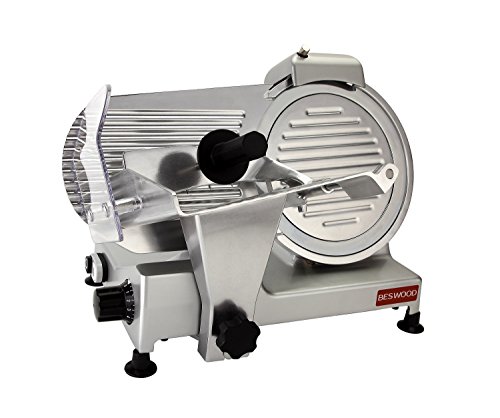
If you've started searching for the best commercial meat slicer for home use, you're probably past the point where a flimsy countertop slicer cuts it. These machines borrow the blade size, motor strength, and build quality of restaurant equipment, then shrink the footprint and cost down to something a serious home cook can justify. They aren't the same as the full-size units running nonstop behind a deli counter, but they sit well above a basic home slicer in power and consistency. This guide covers who actually benefits from that upgrade, what changes in your kitchen once you own one, and what your extra money is really buying compared with an entry-level model.

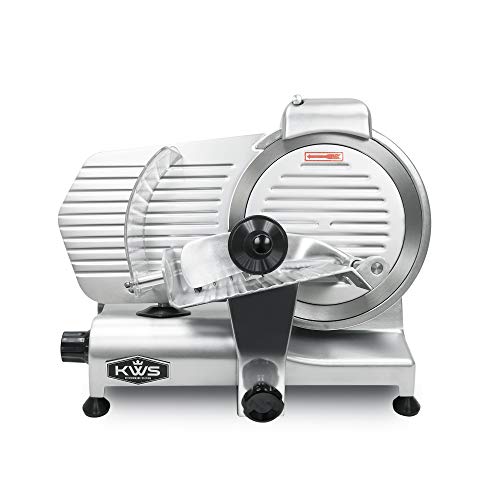
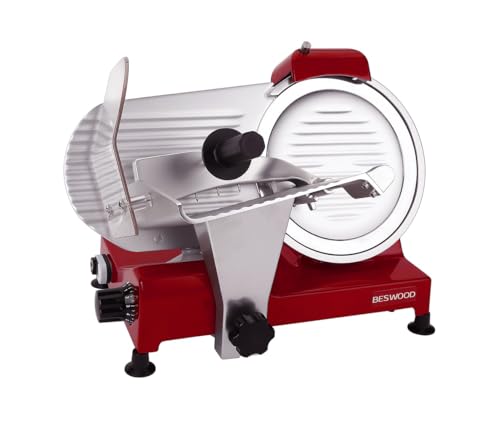

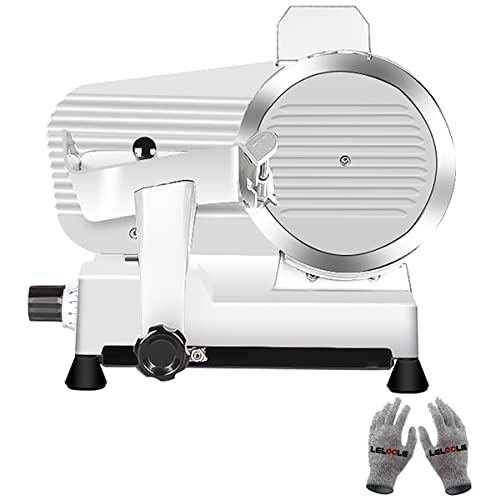
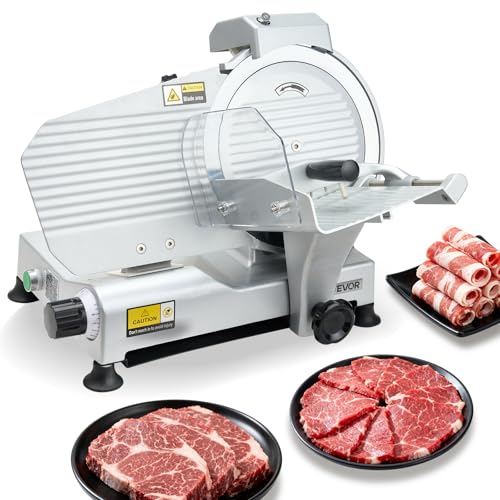
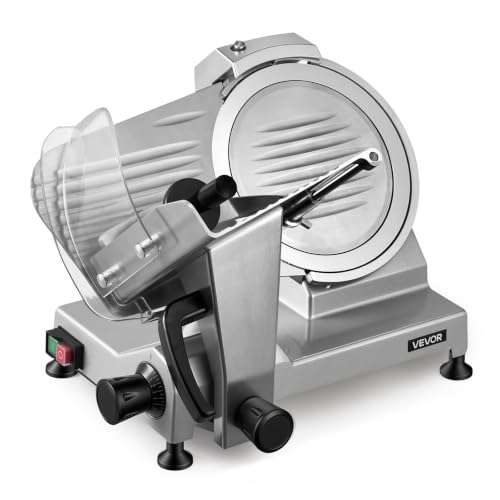
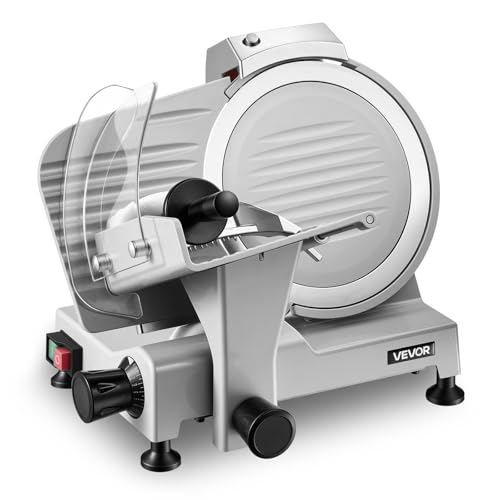
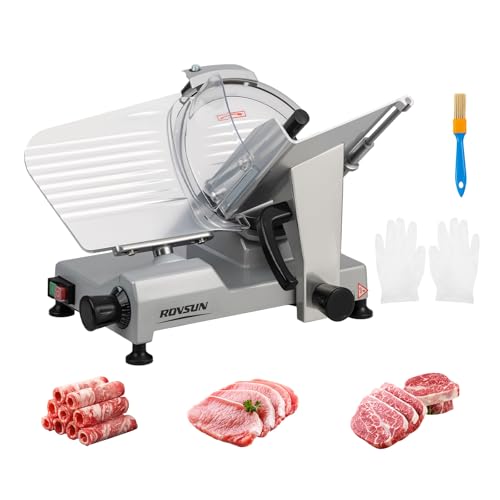
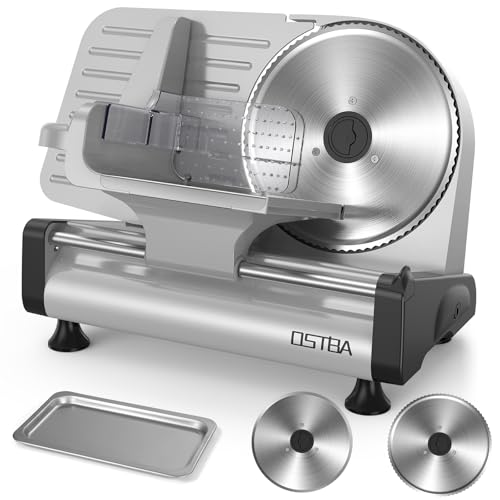
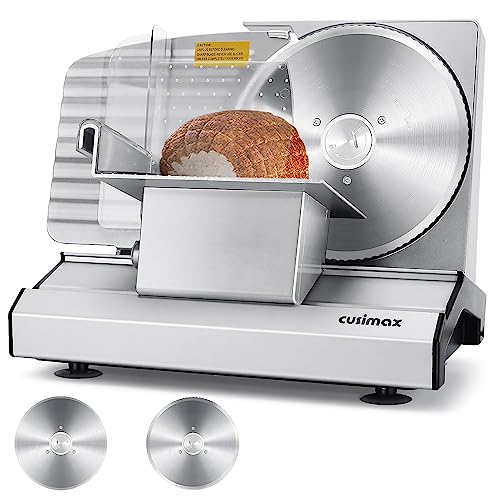
Why Home Cooks Choose a Step-Up Slicer
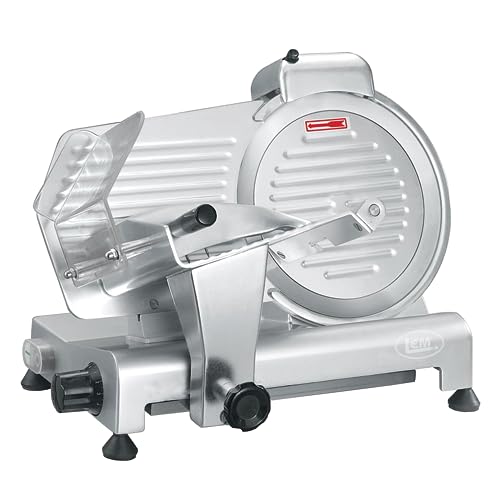
A commercial-style home slicer usually runs a motor in the 200 to 400 watt range, noticeably stronger than the 130 watt motors common on bargain models. That extra torque matters most when you're pushing through a cold roast, a slab of brisket, or a whole ham rather than a few deli slices for sandwiches. The motor doesn't bog down or strain, and the blade keeps a clean, even cut from the first slice to the last.
Blade diameter is the other big jump. Basic home slicers typically use a 7 to 7.5 inch blade, while step-up models run 9 to 10 inches. A larger blade slices through wider cuts of meat in a single pass instead of requiring you to saw back and forth, which keeps the texture more even and reduces the amount of meat left clinging to the bone or trim.
None of this means you need a true deli-duty machine. A restaurant slicer is built for hours of continuous operation and a much higher price to match, while the best commercial meat slicer for home use is designed to run in shorter bursts and then rest, which is exactly how most households actually use one.
Who Gets the Most Value From This Upgrade
Hunters processing their own game
Anyone breaking down a deer, hog, or elk quarter after a hunt runs into far more meat volume than a typical grocery cut. A stronger motor and larger blade turn a multi-hour slicing session into something manageable in an afternoon, and consistent thickness matters for jerky and cured cuts that dry or cook evenly.
Home charcuterie and cured meat hobbyists
Slicing cured sausage, pancetta, or a home-cured ham thin enough to taste right takes a sharper, more stable blade than most entry-level slicers offer. Thin, consistent slices are half the presentation with cured meats, and a wobbly budget slicer usually can't get there.
Large families and bulk shoppers
If you're regularly slicing a full roast or a warehouse-club block of cheese for the week ahead, the extra speed and reduced motor strain pay off fast. A basic slicer working through that same volume tends to overheat or slow down partway through.
Where It Will Actually Live in Your Kitchen
Step-up slicers are heavier and larger than basic models, often in the 15 to 25 pound range with a wider blade housing. That weight is a feature, not a flaw, since it keeps the machine planted on the counter instead of walking around under pressure. It also means you need a real spot to store it.
- Measure your counter and cabinet space before buying, including clearance for the carriage to slide fully out during use.
- Look for a model with a removable blade guard or a compact "off" position if counter space is tight and the slicer needs to live in a cabinet between uses.
- Factor in the weight when deciding whether it will be a permanent counter fixture or something you lift out for occasional projects.
If your kitchen is small, it's worth being honest about how often you'll actually use the machine. A slicer that's a hassle to haul out tends to get used far less than one that has a permanent, convenient spot.
Cleaning and Food Safety at Home
A bigger blade and motor also mean more surface area to clean after every use, and raw meat residue left on a blade or carriage is a real food safety concern. Look for a model with a removable blade that detaches without tools, since that single feature makes the difference between a two-minute rinse and a dreaded chore.
Check whether the blade guard, food carriage, and pusher are dishwasher-safe or strictly hand-wash only. Stainless steel components generally hold up better to repeated washing than coated or painted parts, which can chip over time and create spots where bacteria can hide. Wipe down the motor housing and any exposed gears with a damp cloth rather than submerging them, and always unplug the unit before cleaning.
A sharp blade is also a safer blade. Slicers that lose their edge quickly force you to push harder, which increases the odds of slipping, so blade sharpness retention is worth weighing alongside raw cleaning convenience when you compare models.
What the Extra Money Actually Buys You
Compared with a basic electric slicer built for occasional home use, a step-up commercial-style model typically costs more for three specific reasons: a longer-lasting motor, a blade that holds its edge through more use before needing sharpening, and the ability to cut thicker slices without tearing the meat. All three add up to less frustration over years of ownership rather than a single slicing session.
It's worth being clear about what you're not paying for. You're not buying continuous-duty deli performance, NSF commercial certification, or the kind of gravity-feed carriage found on true restaurant equipment, all of which belong to an entirely different category covered in a separate guide to full commercial slicers. If your household needs are genuinely occasional, that gap in price rarely pays for itself.
Frequently Asked Questions
Is a commercial-style slicer overkill for a family of four?
Not necessarily. If you regularly slice roasts, deli meat in bulk, or cheese for meal prep, the stronger motor and larger blade save real time. For occasional sandwich slicing, a basic model is usually enough.
What blade size should I look for?
A 9 to 10 inch blade handles most home needs well, cutting through wider roasts in one pass. Anything above 10 inches starts edging into true commercial territory with a bigger footprint to match.
Can these slicers handle frozen meat?
Most handle partially frozen or well-chilled meat better than fully frozen blocks. Slightly firming up meat in the freezer for 20 to 30 minutes before slicing actually improves thin, even cuts.
How often does the blade need sharpening?
It depends on use, but a step-up slicer with a quality blade typically holds its edge through months of regular home use. Some models include a built-in sharpener, which is worth prioritizing if you slice often.
Are these slicers safe for kids or beginners to use?
They're safe with proper technique, but the larger blade and stronger motor mean less margin for error than a basic model. Always use the pusher and blade guard, and keep the machine unplugged when not actively slicing.
Do I need a slicer this powerful for cured meat and charcuterie?
Yes, more so than for everyday deli meat. Cured meats need thin, even slices to taste right, and a steadier blade at higher speed gets closer to that result than a budget slicer typically can.
How much storage space should I plan for?
Plan for a footprint similar to a stand mixer, plus extra depth for the sliding carriage. A dedicated shelf or cabinet spot works better than trying to keep it fully assembled on an open counter.
Making the Call for Your Kitchen
The best commercial meat slicer for home use earns its keep in kitchens that process real volume, whether that's game meat, bulk groceries, or a growing charcuterie habit. If that describes your household, the stronger motor, larger blade, and better edge retention will show up in every slicing session for years. If your needs are lighter, a basic home slicer will likely serve you just as well for less money and less counter space.