Best Global Knife Set: A Complete Buying Guide
Disclosure: We may earn a commission when you buy through links on this page, at no extra cost to you. As an Amazon Associate I earn from qualifying purchases. Learn more
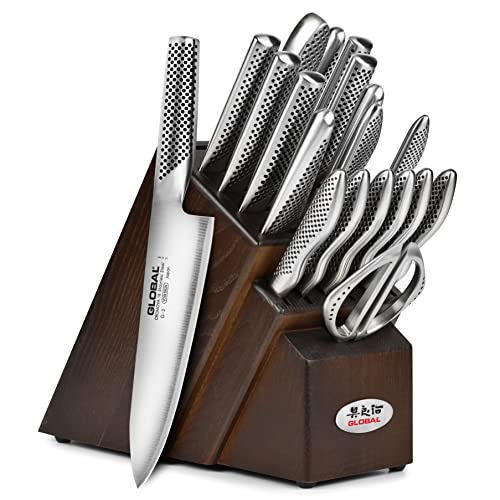
If you've ever picked up a Global chef's knife right after setting down a Wusthof or a Zwilling, the difference is immediate. It's noticeably lighter, the handle feels smaller in your palm, and the edge bites into a tomato skin with almost no resistance. That's not an accident of manufacturing; it's the result of a completely different approach to building a knife. Finding the best Global knife set means understanding that approach before you buy, because these knives ask you to hold and use them differently than the German-style sets most home cooks grew up with. This guide focuses on what actually sets Global apart: the one-piece steel construction, the weight and edge angle that come from it, how to size a set to your kitchen, and how to keep the dimpled handle secure and the blade sharp without ruining its geometry.

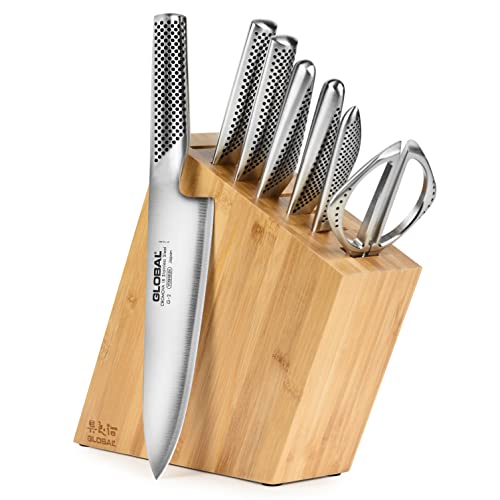
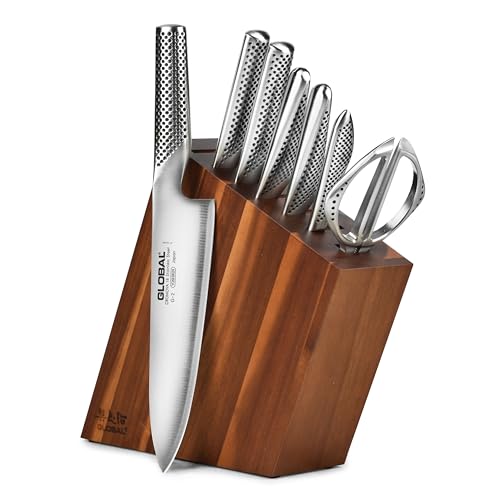
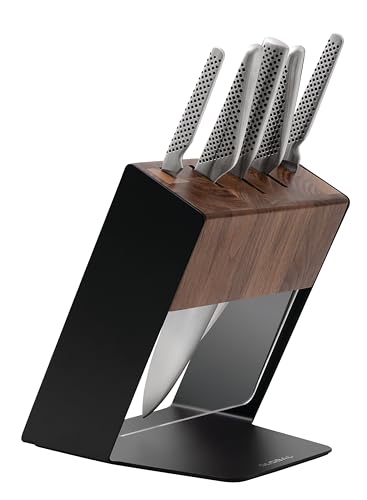
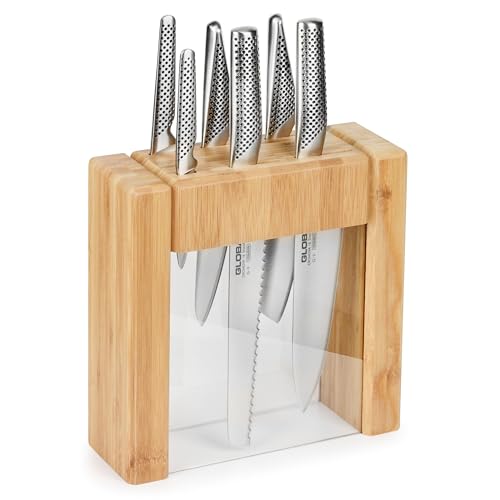
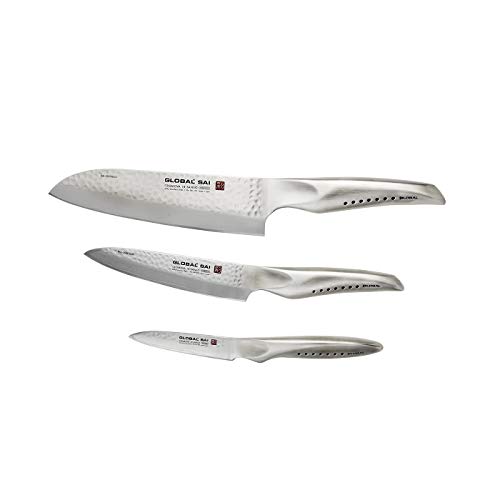
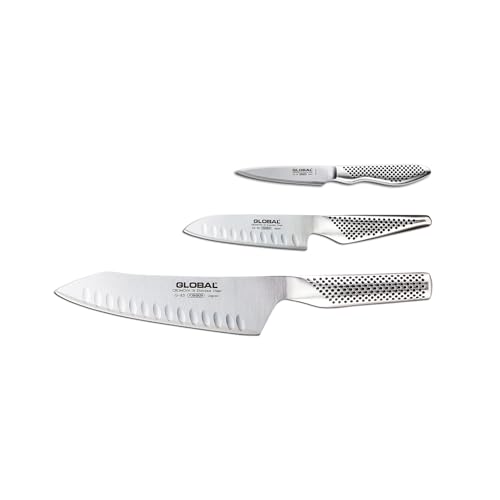
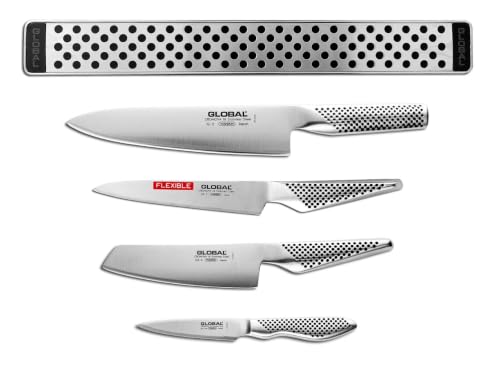
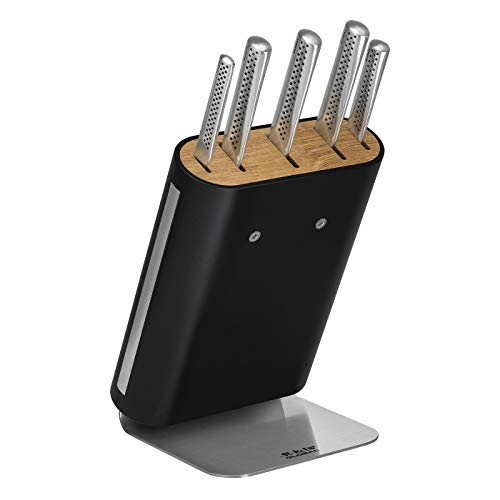
One-Piece Steel Construction: The Core Difference From German Knife Sets
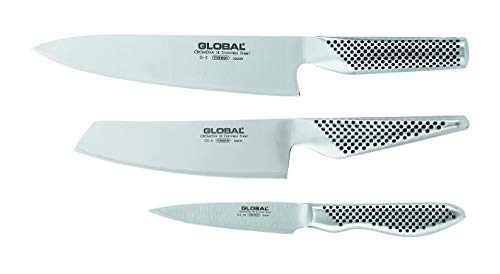
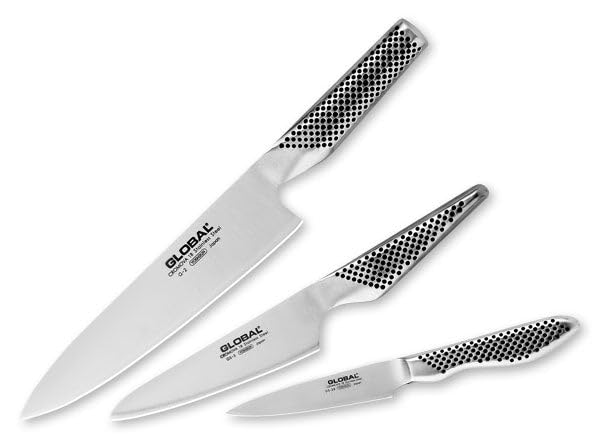
Most Western knife sets, including the German brands Global gets compared to most often, build a knife from a separate tang and handle. A steel tang runs into a wood or synthetic handle, secured with rivets, often backed by a bolster where the blade meets the grip. Global skips all of that. Each knife is milled from a single continuous piece of CROMOVA 18 stainless steel, a blend of chromium, molybdenum, and vanadium, with the handle formed as a hollow shell rather than a solid block.
That hollow handle is then filled with a precisely measured amount of sand, which is how Global balances the knife's weight without adding a bolster or a heavy handle material. There's no seam where a separate handle meets the blade, no rivets to loosen over years of use, and no wood to swell or crack from repeated washing. It's also why Global knives don't need the periodic tightening or handle replacement that can eventually affect riveted-handle knives.
The tradeoff shows up in edge retention. CROMOVA 18 stays sharp and resists rust well, but it doesn't get quite as hard as some premium carbon or powdered steels used in higher-end Japanese blades, so it needs more frequent honing to stay at its best. For cooks weighing this construction against a more traditional design, our kitchen knife set buying guide breaks down how tang-and-bolster knives compare on that same point.
Weight, Balance, and Edge Angle: Why Global Feels So Different in Hand
The numbers explain a lot of what you feel when you switch brands. An 8-inch Global chef's knife typically weighs somewhere around 5.5 ounces, compared to roughly 8 ounces for a comparable Wusthof, with Zwilling landing in a similar heavier range. That's a real difference over a long prep session, not a marginal one, and it comes directly from the sand-filled handle replacing the solid grip and bolster that add mass to German knives.
Balance sits right at the point where blade meets handle rather than shifting toward a heavy handle or a thick spine, so the knife pivots with very little effort. Cooks moving from a heavier set often describe an adjustment period of a week or two before the lighter weight starts to feel natural instead of flimsy.
Edge geometry is the other half of the equation. Global grinds its blades to a steeper angle than the roughly 20-degree standard on most German knives, closer to the acute edges found on traditional Japanese blades. That angle is what makes thin slicing and fine knife work feel almost effortless, but it also means the edge chips more easily if you twist the blade, pry with the tip, or cut into something hard like a frozen block or a squash rind. Anyone coming from a Japanese single-bevel blade already knows this tradeoff; if you're newer to that style, our guide to Japanese chef's knives covers the same sharpness-versus-durability balance in more depth.
Matching Piece Count to How You Actually Cook
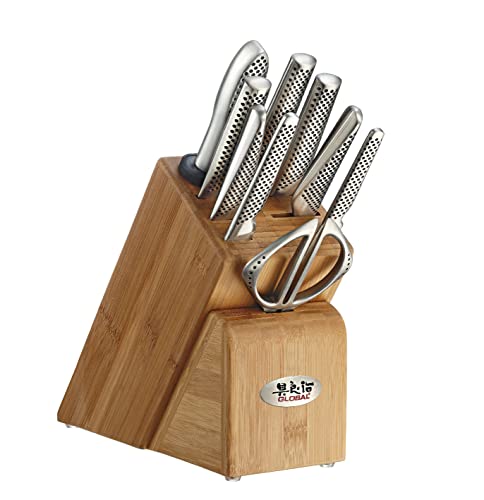
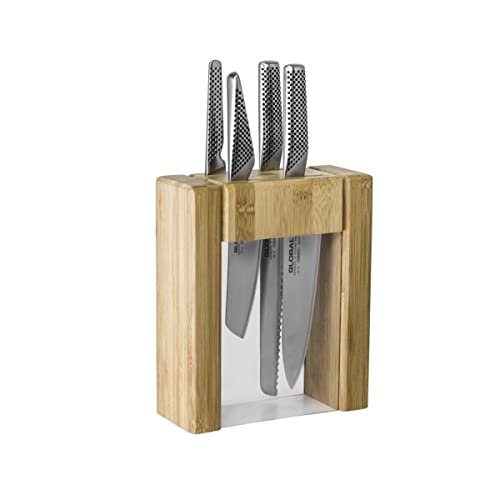
Global sells its knives in configurations that range from a two-piece starter pairing up to seven-piece block sets, and the temptation is always to buy the biggest one on the shelf. Resist it. A chef's knife, a utility knife, and a paring knife cover the overwhelming majority of everyday prep work, and starting with that core trio is a reasonable way to test whether the lighter weight and steeper edge suit your cooking style before committing to more.
Larger sets add pieces like a serrated bread knife, a santoku, or kitchen shears, which are genuinely useful if you bake regularly or break down whole chickens at home, but they sit unused in a block for plenty of buyers. Because every Global knife shares the same one-piece construction, adding pieces later matches the same weight and balance as your original set, so there's little downside to starting small and expanding once you know which extra blades you'd reach for.
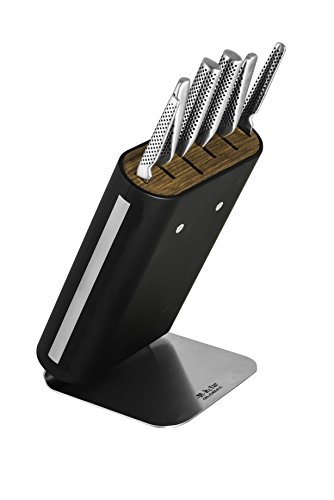
If counter space or storage format is part of your decision too, a block isn't the only option. Some cooks prefer keeping thin, acute edges separated on a wall-mounted strip instead of nested in slots, and our magnetic knife holder guide covers what to look for if you'd rather go that route with a Global set.
Handling the Dimpled Grip Safely, Wet Hands and All
The black dimples on a Global handle aren't just a design signature. They add texture that helps your grip stay put, which matters more than usual on a smaller-circumference handle that's already a departure from the thicker grips on most German knives. Even so, don't assume the dimples solve every grip issue on their own. Cooks who work with wet or greasy hands, breaking down a chicken or handling fish, often notice the smaller handle can still feel slick compared to a bulkier Western grip, and it's worth drying your hands or wiping the handle between tasks rather than relying on texture alone.
The lack of a bolster is another adjustment. Global blades run straight into the handle without the raised guard that some German knives use to keep fingers clear of the edge, and a few first-time users notice the sharp heel of the blade catching the top of their index finger until they settle into a pinch grip further back from the edge. It's a minor habit change, not a design flaw, but it's worth knowing about before your first few cuts rather than discovering it mid-prep.
Sharpening Without Losing the Factory Edge Angle
Because the edge is ground steeper than a typical Western knife, sharpening it at the wrong angle does real damage to what makes a Global blade perform the way it does. A pull-through sharpener built for a 20-degree Western edge will grind away the acute geometry these knives are known for, dulling performance even while technically making the blade "sharper." A whetstone, held at an angle matched to the factory edge, is the only method that preserves it properly. If you're deciding between sharpening tools, our knife sharpener guide walks through which types work safely with steeper Japanese-style edges like this one.
Honing between sharpenings matters more here too, since a thinner edge rolls out of alignment faster than a thick German blade. A few passes on a honing steel every few uses keeps the edge tracking straight and delays the need for a full resharpening. Combined with hand washing only and drying the blade immediately after use, rather than letting it soak in a sink, these habits are what let a Global set hold its factory sharpness for years instead of months.
Frequently Asked Questions
Is a Global knife set good for beginners?
Yes, especially for anyone switching from a heavier German set who wants a lighter, more nimble knife. Expect a short adjustment period for the weight and grip, but most new users find the sharper edge and lower fatigue make prep work easier once they settle in.
Why are Global knives lighter than Wusthof or Zwilling?
Global replaces the solid handle and bolster found on German knives with a hollow handle filled with sand for balance. That construction removes several ounces of material compared to a full-tang, bolstered knife of the same blade length.
Can Global knife handles get slippery when wet?
They can, more so than a bulkier Western handle, even with the textured dimples. Drying your hands and the handle periodically during wet tasks like breaking down poultry or fish helps maintain a secure grip.
What angle should I use to sharpen a Global knife?
Global blades are ground steeper than standard Western knives, so matching that acute angle on a whetstone is what keeps the factory edge intact. A standard Western-angle pull-through sharpener will wear down the geometry over time.
Are Global knife sets dishwasher safe?
No, even though some packaging suggests occasional dishwasher use is fine. Hand washing and drying immediately protects both the sharp edge and the sand-filled handle seal from long-term wear.
How many knives do I actually need in a Global set?
Most home cooks get by with three pieces: a chef's knife, a utility knife, and a paring knife. Larger block sets add specialty blades that are convenient but not essential unless you regularly need one for a specific task.