Best Fireplace Insert: A Buying Guide for Matching Your Fireplace
Disclosure: We may earn a commission when you buy through links on this page, at no extra cost to you. As an Amazon Associate I earn from qualifying purchases. Learn more
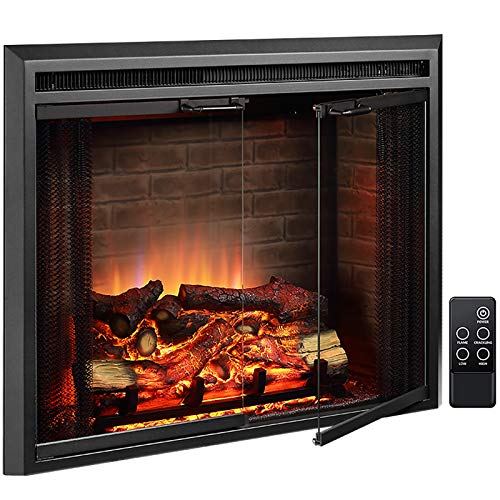
If you have a drafty, inefficient masonry fireplace that loses more heat than it delivers, a fireplace insert can turn that opening into one of the most useful heat sources in your home. Unlike a freestanding unit, a fireplace insert fits directly into your existing fireplace opening, using the same chimney or flue while sealing off much of the heat loss an open hearth creates. Finding the best fireplace insert for your space starts with understanding the three main types, gas, wood, and electric, and how each one interacts with the opening you already have. This guide walks through sizing, venting, safety, and cost so you can shop with confidence instead of guessing.
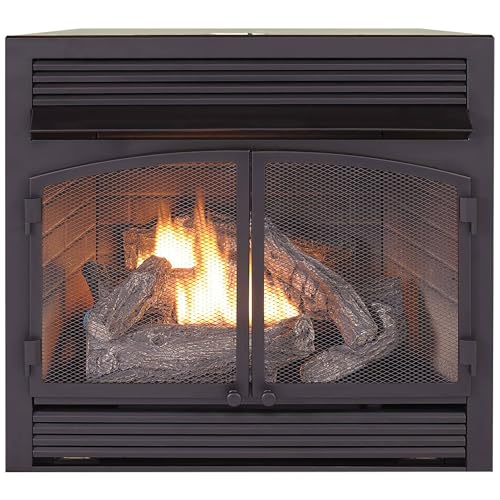
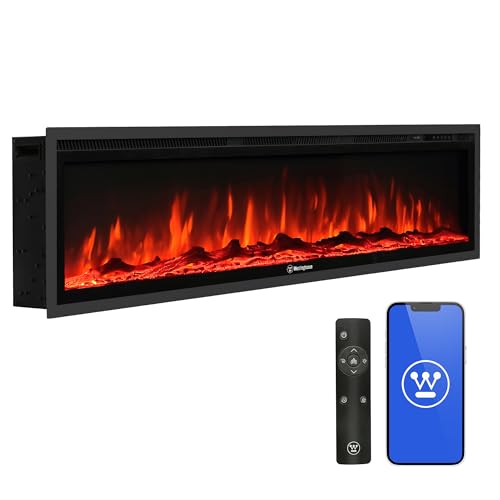
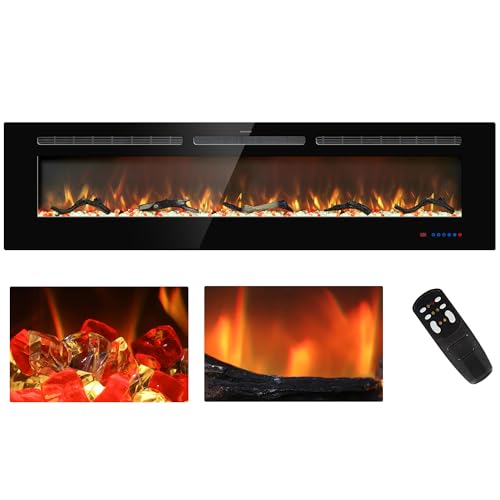
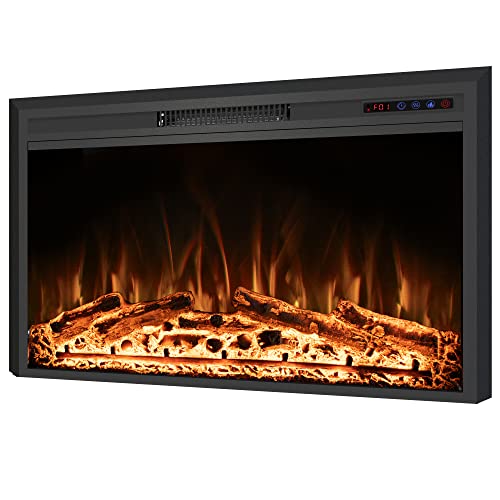


Gas, Wood, or Electric: Choosing the Right Insert Type
Every fireplace insert falls into one of three fuel categories, and the right choice depends on your existing setup, how much upkeep you want to take on, and whether you need real supplemental heat or mostly want efficiency and ambiance.
Gas Fireplace Inserts
Gas inserts use a sealed glass front and a direct-vent system that runs a co-linear pipe through your existing chimney, pulling in combustion air and pushing out exhaust without relying on the old flue alone. They light with the flip of a switch or remote, produce steady heat, and skip the ash and creosote that come with burning wood. Because installation involves gas lines and venting, this is one type where professional installation isn't optional.
Wood-Burning Inserts
A wood-burning insert is essentially an airtight stove built to slide into your existing opening, and modern versions are EPA certified to burn far cleaner and more efficiently than an open hearth. They still require regular ash removal, seasoned firewood, and periodic chimney sweeping, but many homeowners like the traditional flame and the fact that they don't depend on gas or electricity to run. If you keep a wood-burning setup, a best cast iron fireplace grate underneath can help improve airflow and combustion.
Electric Fireplace Inserts
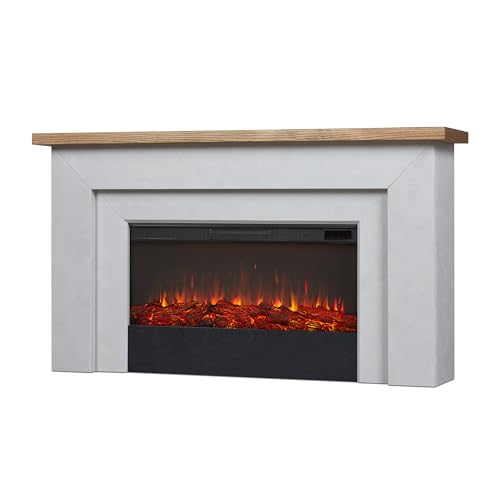
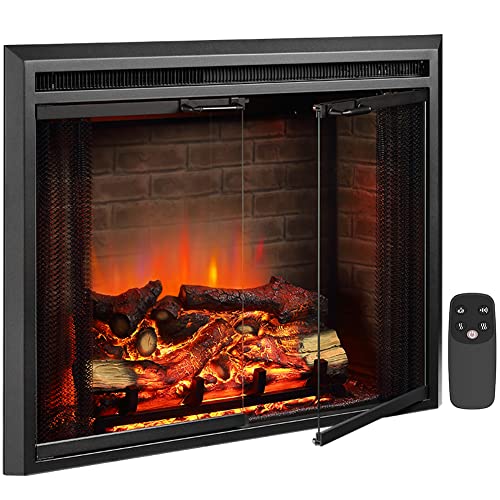
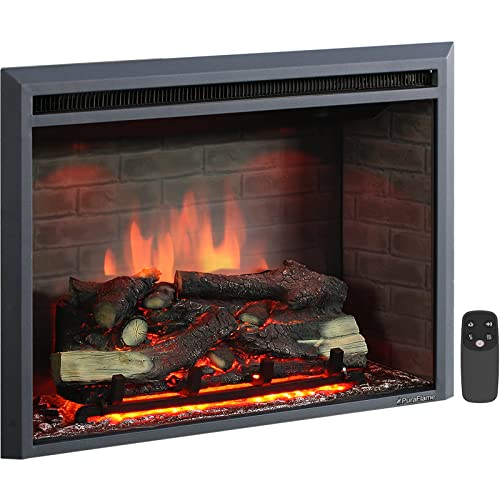
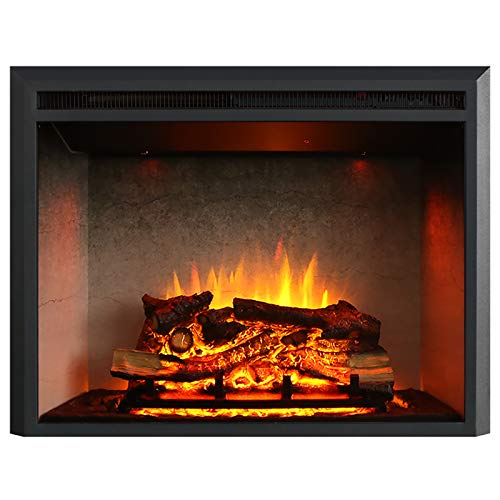
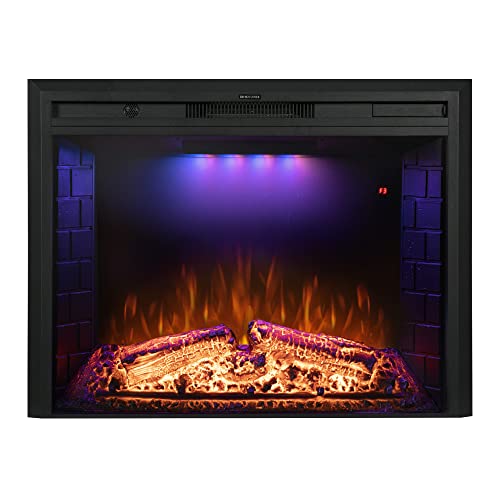
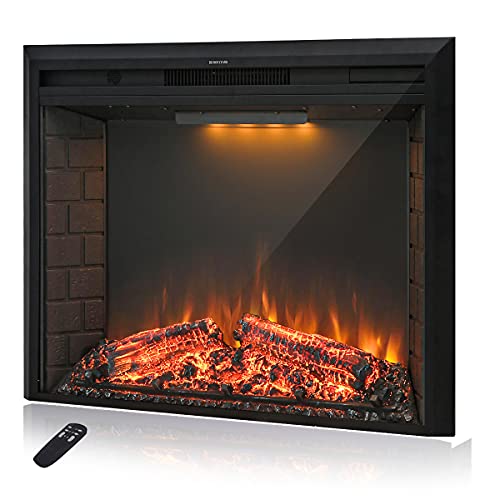
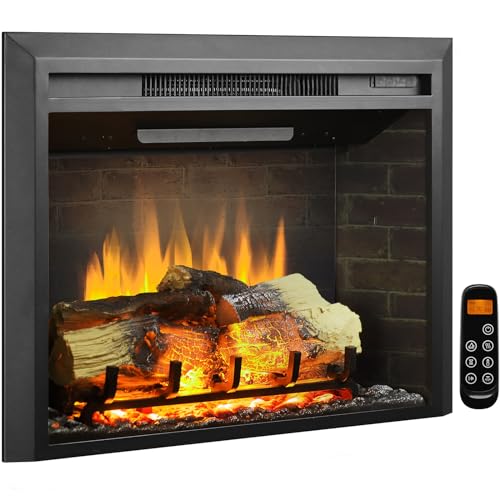
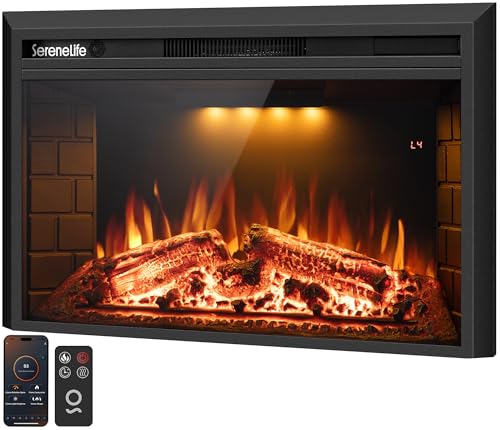
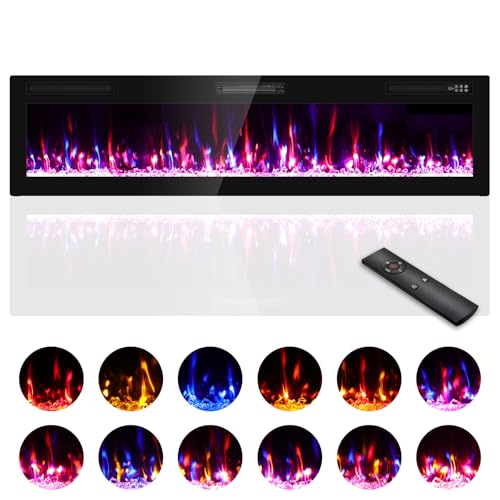
Electric inserts plug into a standard outlet and need no venting at all, which makes them the simplest option to fit into an existing masonry opening. They trade real combustion heat for a heating element and LED flame effects, so they suit supplemental warmth and ambiance better than they suit acting as a primary heat source in a cold climate.
Measure Your Existing Fireplace Opening Before You Shop
Because an insert has to fit inside a space that already exists, measuring comes before browsing, not after. Every manufacturer lists minimum and maximum dimensions for width, height, and depth, and an insert that's even an inch too large simply won't slide into your firebox.
Measure the width and height of the opening at its narrowest points, plus the full depth from the front of the firebox to the back wall. Also check the flue size and shape, since a rectangular masonry flue and a round metal chimney liner call for different adapter setups. Bring these numbers, or better yet a photo of the opening, when you talk to a dealer or installer.
Heat Output and Room Size: Getting the BTU Range Right
Heat output is measured in BTUs, and matching that number to your room size determines whether the best fireplace insert for your living room over-heats a small space or barely takes the edge off a large one.
As a rough guide, expect to need somewhere around 20 to 30 BTUs per square foot for a well-insulated room, though ceiling height, window count, and climate all shift that number. A small den might only need an insert rated in the low thousands of BTUs, while an open-concept great room could call for a unit rated well above 40,000 BTUs. Gas and wood inserts generally produce more usable heat than electric models, which matters if you're trying to offset your main heating system rather than just add atmosphere.
Venting, Clearances, and Professional Installation
Venting requirements vary by fuel type, and getting them wrong isn't just inefficient, it's a safety issue.
Venting by Fuel Type
Wood inserts typically need a stainless steel liner run the full length of the chimney to vent safely and maintain proper draft. Gas inserts use a direct-vent or co-linear system that both brings in air and removes exhaust, and some models are rated for use with an existing masonry flue once the right liner is installed. Electric inserts need no venting whatsoever, which is the main reason they're the easiest of the three to retrofit.
Clearances and Certifications
Look for listing from a recognized testing lab and, for wood-burning models, EPA certification confirming the unit meets current emissions standards. Combustible clearances around the surround and hearth extension still apply even though the insert sits inside an existing fireplace, so don't assume the old fireplace's clearances automatically carry over. A local inspection or permit is often required, and skipping that step can affect your homeowner's insurance if something goes wrong later.
What Drives the Cost of a Fireplace Insert Install
The insert itself is only part of the budget. Installation complexity, driven mostly by venting, is usually the bigger variable.
Electric inserts are the cheapest to install since there's no venting or gas line work involved, often amounting to little more than plugging it in and securing the surround. Wood inserts add the cost of a chimney liner and sweep, while gas inserts add the cost of running a gas line if one isn't already present near the fireplace. If you're also weighing a full best gas fireplace replacement against an insert, keep in mind that an insert reuses your existing masonry and chimney, which is usually the more budget-friendly path when that structure is still sound.
If your existing fireplace already vents properly and you're just looking for more visible flame and heat without a full insert conversion, upgrading to best gas fireplace logs for heat is a lower-cost middle step worth comparing against a full insert install.
Common Fit and Installation Mistakes to Avoid
The single biggest mistake is buying before measuring, since return shipping and restocking fees on a heavy insert can erase whatever discount you found.
Another common misstep is underestimating venting costs, especially for wood inserts, where a full liner replacement can rival the price of the insert itself. Buyers also sometimes oversize the unit for the room, assuming more BTUs is automatically better, when an oversized insert in a small space just means you run it on a low setting most of the time and lose the efficiency you were after. Finally, skipping professional installation on a gas insert to save money is a mistake that can turn into a safety hazard, since improper venting is one of the leading causes of combustion appliance problems in homes.
Frequently Asked Questions
What is the difference between a fireplace insert and a regular fireplace?
A regular open fireplace burns fuel in an unsealed opening and loses most of its heat up the chimney. A fireplace insert is a sealed, self-contained unit installed into that same opening, which dramatically improves efficiency and heat delivered to the room.
Can I install a fireplace insert myself?
An electric insert is often simple enough for a confident do-it-yourselfer, since it just needs a nearby outlet. Gas and wood inserts involve venting, gas lines, or chimney liners, and are generally best left to a licensed professional for safety and code compliance.
How do I know what size fireplace insert I need?
Start by measuring your existing fireplace opening's width, height, and depth, then match those numbers against a manufacturer's listed size range. Heat output should be matched separately to your room's square footage rather than to the opening size.
Do fireplace inserts really save money on heating?
Yes, in most cases. Sealing an open fireplace with an insert cuts down on drafts and wasted heat, and a gas or wood insert can meaningfully offset your main heating system's workload in the room where it's installed.
Are wood-burning fireplace inserts safe?
Modern EPA-certified wood inserts are safe when installed with the correct liner and swept regularly to prevent creosote buildup. Skipping maintenance or using an improperly sized liner is where most safety issues come from.
Can any fireplace insert work with any existing fireplace?
Not always. Your fireplace opening's dimensions, flue size, and structural condition all limit which inserts will physically fit and vent correctly, which is why measuring and a professional evaluation come before choosing a model.
How long does a fireplace insert last?
A well-maintained gas or wood insert commonly lasts 15 to 20 years or more, while electric inserts vary more depending on build quality. Regular maintenance and correct sizing both play a large role in how long any insert holds up.
Choosing an Insert That Fits Your Fireplace
The best fireplace insert for your home comes down to matching fuel type, size, and venting to the fireplace opening you already have, not chasing the highest BTU rating or the flashiest flame effect. Measure first, confirm venting requirements for your fuel type, and lean on a qualified installer for anything beyond an electric plug-in unit. Get those basics right and an insert can turn an inefficient, drafty fireplace into one of the most functional heat sources in your home for years to come.