
Best Cast Iron Fireplace Grate: How to Choose the Right One
Disclosure: We may earn a commission when you buy through links on this page, at no extra cost to you. As an Amazon Associate we earn from qualifying purchases. Learn more

If you have ever swept apart a smoldering pile of logs the next morning and wondered why half of them never really caught, the problem is often what the wood was resting on rather than the wood itself. A grate lifts the fire off the hearth floor so air can reach it from below, and that single change is usually the difference between a fire that smolders and one that burns clean. When you start comparing options, the best cast iron fireplace grate for your setup depends less on brand and more on size, construction, and a few details most shoppers overlook. This guide walks through how to measure your firebox, the two main grate styles, what separates a grate that lasts decades from one that warps in a season, and how to keep cast iron in good shape once it is in place.


How to Measure Your Fireplace for the Right Grate Size
Before you look at a single grate, grab a tape measure. Getting the dimensions right matters more than any material or design feature, because a grate that does not fit properly will underperform no matter how well it is made.
Taking the Three Key Measurements
Measure the width of the firebox opening at its widest point, then measure again at the back wall if the firebox narrows toward the rear, which many masonry fireplaces do. Take the depth from front to back, and note the height from the floor of the firebox to the top of the opening. As a general rule, a grate should sit four to six inches narrower than the opening on each side, and its depth should leave six to eight inches of clearance behind it for ash to collect without spilling forward.
The Sizing Mistake Almost Everyone Makes
The most common error is measuring only the front opening and assuming the back of the firebox is the same width. In a tapered firebox it usually is not, and a grate that fits perfectly up front can wedge against the walls a few inches back. The second common mistake is going too big on purpose, on the theory that a larger grate means a bigger fire. In practice, an oversized grate chokes off the clearance a fire needs to draw air properly, traps heat against the masonry, and leaves no room for ash. Undersized grates cause their own problem, since logs can roll off the sides, but oversized is by far the more frequent complaint among buyers.
Bar Grates vs. Basket Grates: Which Type Fits Your Fireplace
Once you know your dimensions, the next decision is which style actually suits how you burn. The two common designs work differently enough that picking the wrong one can leave you unhappy even when the size is correct.
Bar Grates
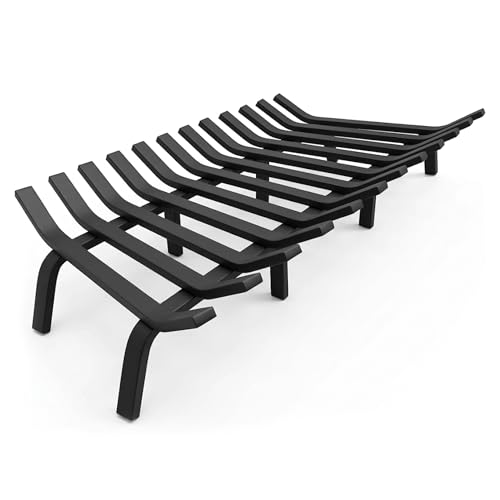
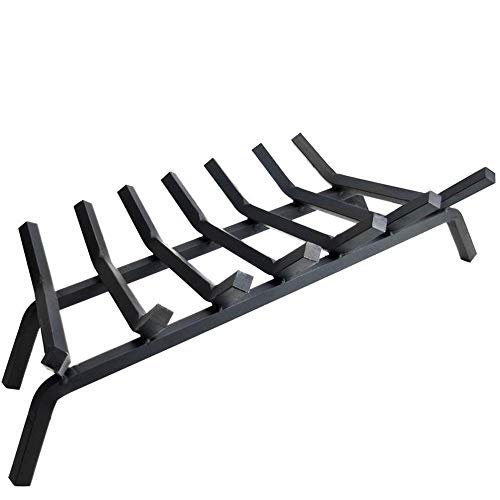
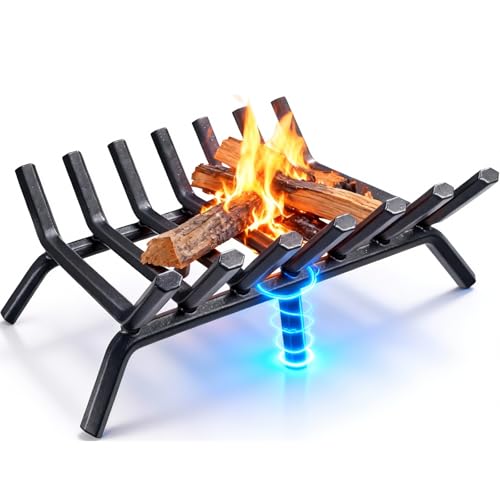
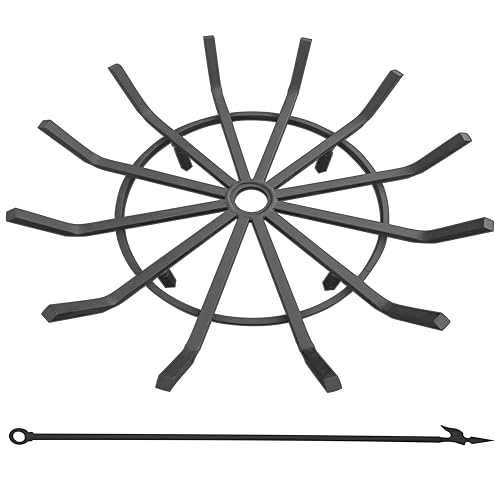
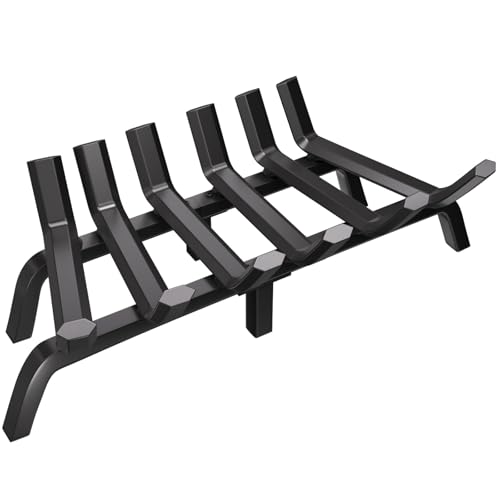
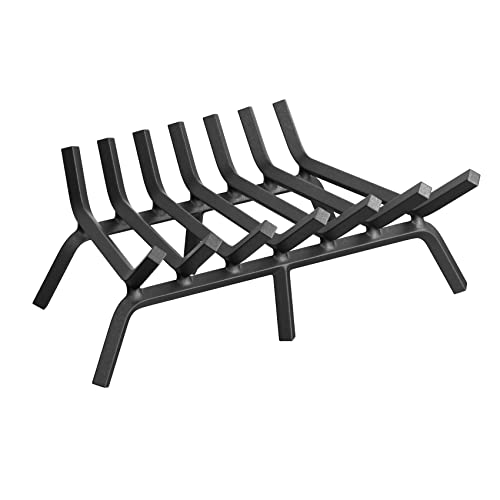
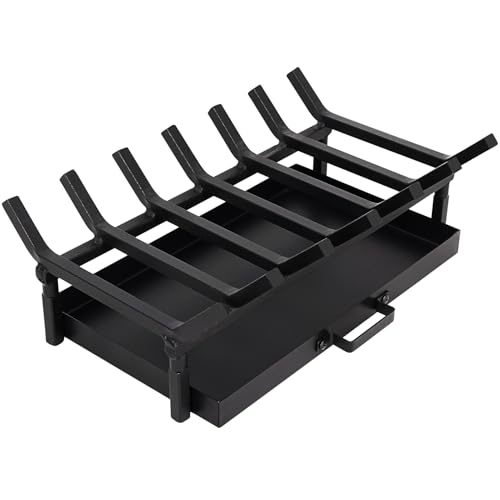
A bar grate is the simpler of the two: parallel bars welded to four legs that lift logs a few inches above the hearth floor. The bars usually sit fairly far apart, which suits wood well because it lets plenty of air reach the coals underneath. Bar grates tend to be lighter and less bulky, which makes them a good fit for smaller fireboxes or fireplaces used only occasionally.
Basket Grates
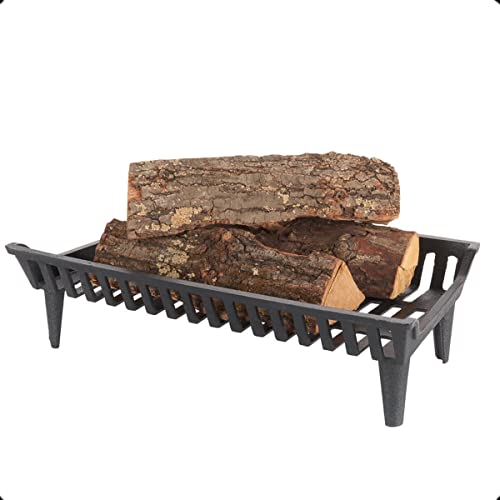
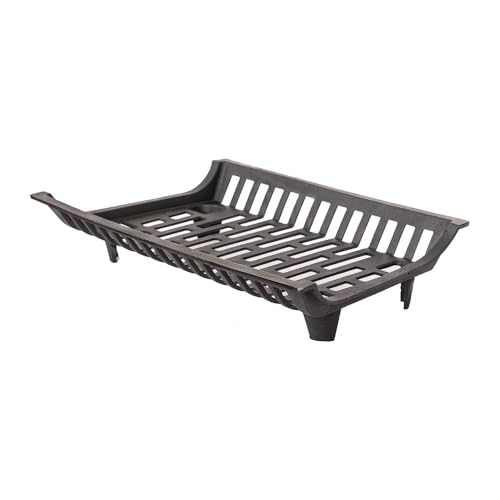
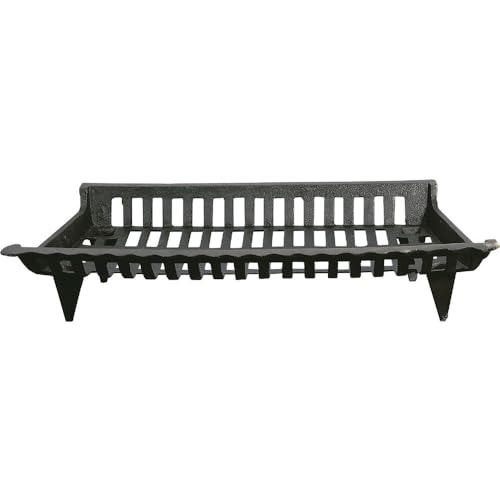
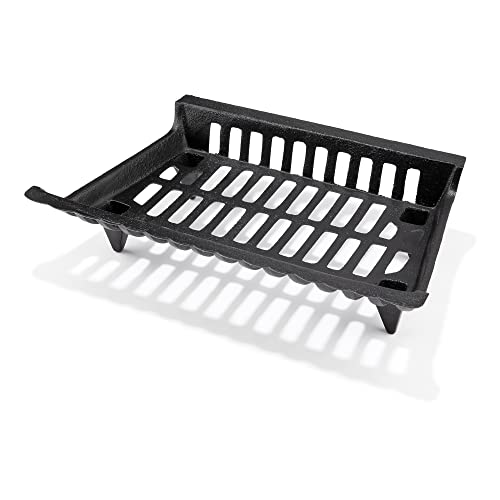
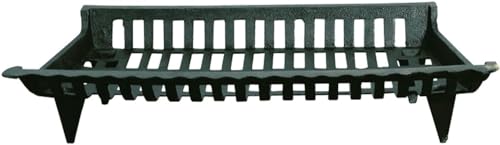
A basket grate is typically a single cast piece shaped like a shallow bowl or cradle rather than a row of bars. That shape holds a bigger pile of logs securely, and the tighter spacing means it can handle coal as well as wood without fuel falling through. Basket grates run heavier and usually cost more, but they suit larger fireboxes and anyone who burns often enough to want more fuel capacity per load. If you keep a supply of split wood indoors between loads, a sturdy firewood carrier makes it much easier to keep a basket grate topped off without dragging bark and debris across the floor.
What Actually Makes a Cast Iron Grate Worth Buying
This section covers grates for wood-burning fireplaces specifically. If your setup runs on gas instead, the buying criteria are different, and something built for consistent heat output, like gas fireplace logs designed for heat, matters more than grate material. For a wood-burning firebox, though, a lot of buyers get distracted chasing a familiar name instead of asking what actually makes the best cast iron fireplace grate hold up season after season.
Cast Iron vs. Steel: Why the Material Matters
Steel grates are cheaper up front, but ordinary steel loses a bit of carbon with every heating cycle, which gradually weakens the metal until it sags or cracks. A steel grate often lasts somewhere in the range of two to five years under regular use. Cast iron holds far more carbon and actually gets more resilient through repeated heating and cooling, which is why a solid cast iron grate commonly lasts fifteen to twenty five years, and sometimes longer, before it needs replacing. The trade-off is weight and cost, since cast iron is heavier and pricier than a comparable steel piece, but for anyone who burns fires regularly through the season, the extra upfront cost tends to pay for itself in years of use.
Leg Height and Bar Spacing
Taller legs raise the fuel higher off the hearth floor, which increases the air gap underneath and generally produces a hotter, more complete burn along with more room for ash before you need to clean it out. Shorter legs suit shallow fireboxes where height is limited. Bar spacing matters too: wider gaps favor wood by maximizing airflow, while the tighter spacing on basket-style grates is what allows them to handle coal without losing fuel through the bottom. Neither spacing is universally better, it depends on what you are burning and how the rest of the firebox is set up.
Keeping a Cast Iron Grate Rust Free
Cast iron behaves differently from steel when it comes to care, and treating it the wrong way is what shortens its life the most. Skip water, soap, and harsh cleaners on the metal itself, since moisture is exactly what triggers rust and can strip away the natural protective coating the surface builds up over time. Instead, brush off loose soot and ash with a dry, stiff brush once the grate has cooled completely. If the surface starts to look dry or dull, wipe on a thin layer of food-grade oil or a cast iron protectant, then buff off the excess so it does not smoke the next time you light a fire.
Check the grate for surface rust, hairline cracks, or loose joints before each burning season, and address small rust spots early with a wire brush rather than letting them spread. Keeping your fuel dry matters too, since wood stored on an elevated outdoor rack seasons faster and burns cleaner, which means less creosote residue building up on the grate over time. If you are storing the grate for the off season, clean it, oil it, and keep it somewhere dry rather than leaving it in a damp garage or shed.
Frequently Asked Questions
What size fireplace grate do I need?
Measure your firebox width, depth, and height, then choose a grate that sits four to six inches narrower than the opening on each side. Always check the width at the back of the firebox too, since many fireboxes taper and a grate that fits up front can be too wide further back.
How long does a cast iron fireplace grate last?
A solid cast iron grate typically lasts fifteen to twenty five years with normal use, and a heavy-duty model can last even longer. That is well beyond the two-to-five-year lifespan you can generally expect from a lighter steel grate.
Which way should a fireplace grate face?
Most grates have a slightly shorter back edge and a longer front edge to match the shape of a typical firebox. The shorter side should face the back wall, and the longer side should face out toward the room.
Can a fireplace grate be used for coal as well as wood?
Grates with tighter bar spacing, like most basket-style designs, can handle coal without letting fuel fall through. Bar grates with wide spacing are built for wood and are not the best choice for coal, since too much fuel will drop through the gaps.
Why is my grate sagging or warping?
Sagging and warping usually point to a steel grate reaching the end of its useful life, since repeated heating cycles gradually weaken the metal. It can also happen when a grate is undersized for the fuel load it is regularly asked to carry, putting more stress on the bars than they were built for.
How much clearance should be around a fireplace grate?
Aim for roughly three inches of clearance on each side between the grate and the firebox walls. That gap keeps air moving around the fire instead of getting choked off, which leads to fuller flames and more heat in the room.
Making the Right Call
Finding the best cast iron fireplace grate for your home comes down to three things: measuring your firebox accurately, picking the style that matches how you actually burn, and choosing a material built to survive years of heating cycles rather than just the first season. Cast iron asks for a bit more care than steel, mainly around keeping it dry, but it pays that back many times over in how long it lasts. Take the measurements first, decide between bar and basket based on your fuel and firebox size, and the rest of the decision gets a lot simpler.