Best Gas Fireplace Logs for Heat: A Complete Buying Guide
Disclosure: We may earn a commission when you buy through links on this page, at no extra cost to you. As an Amazon Associate we earn from qualifying purchases. Learn more
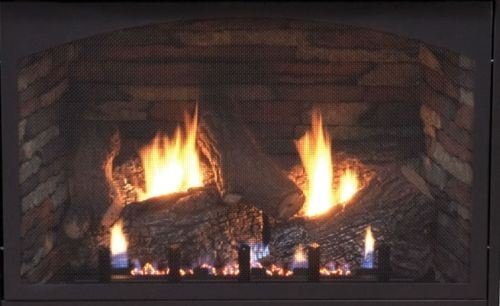
Shopping for the best gas fireplace logs for heat? Compare vented vs. vent-free heat output, BTU sizing, and safety features before you buy.
A gas fireplace that looks great but barely warms the room is a common letdown, and it usually traces back to the log set rather than the fireplace itself. Finding the best gas fireplace logs for heat means looking past flame realism and focusing on how the logs are rated, vented, and sized for your space. This guide breaks down vented versus vent-free designs, BTU output, safety certifications, and the sizing math that determines whether your fireplace actually takes the chill out of a room or just decorates it. By the end, you will know exactly what separates a log set built for warmth from one built purely for looks.
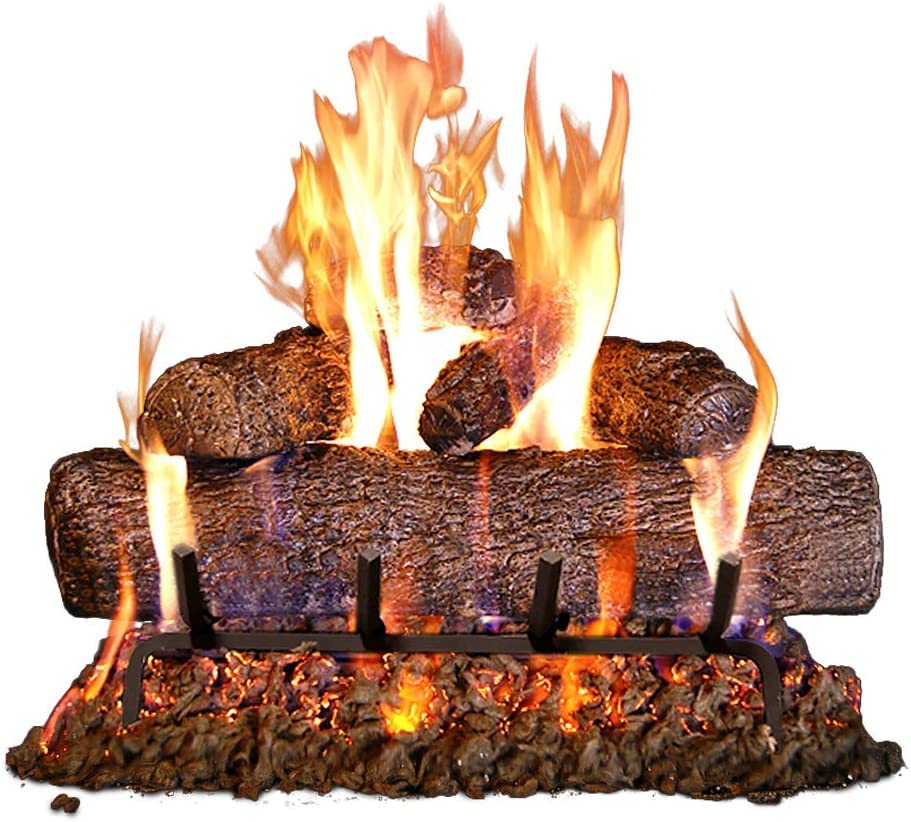
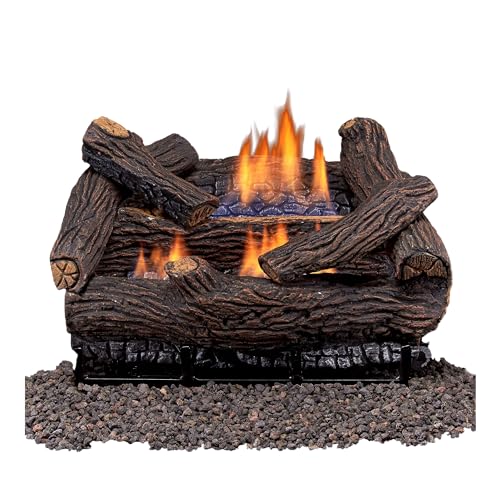
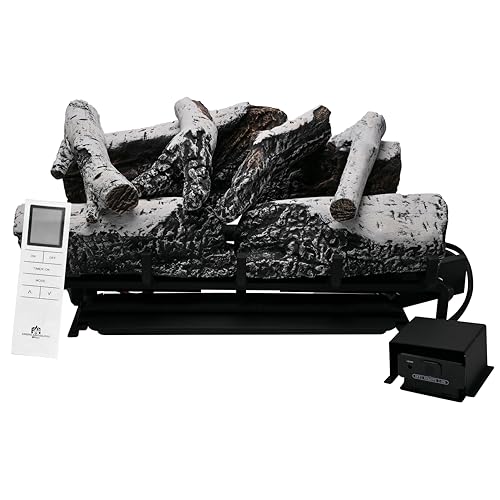
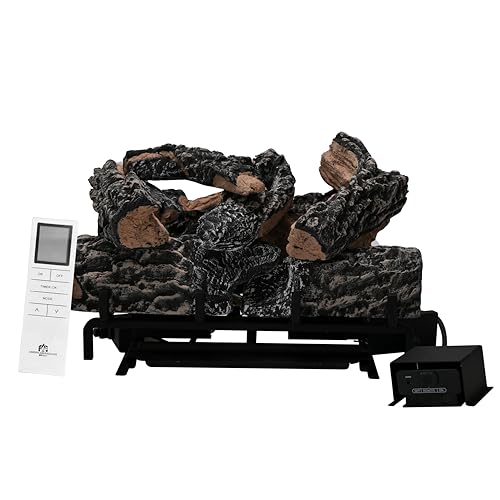
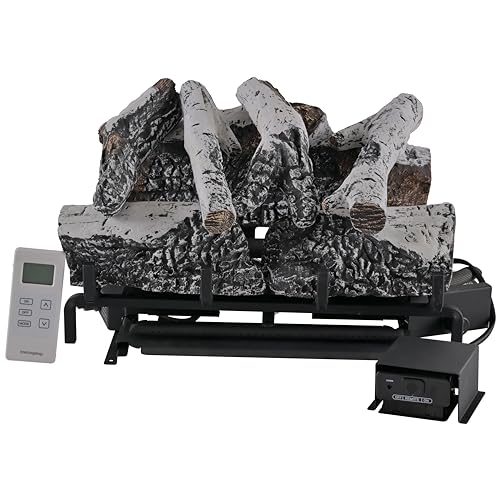
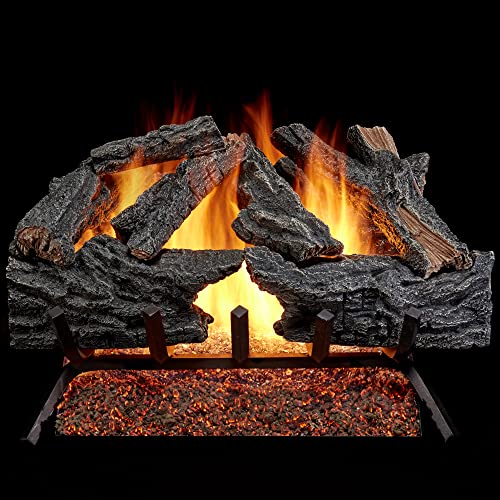
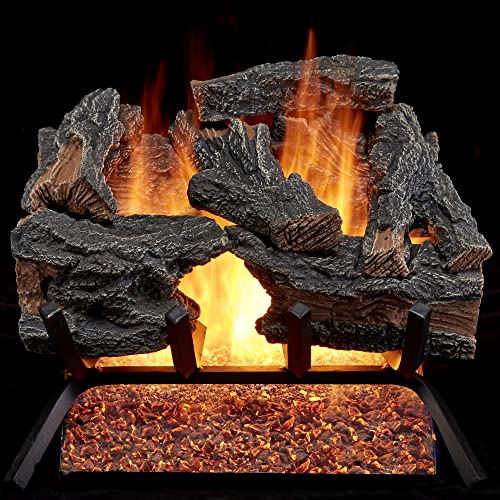
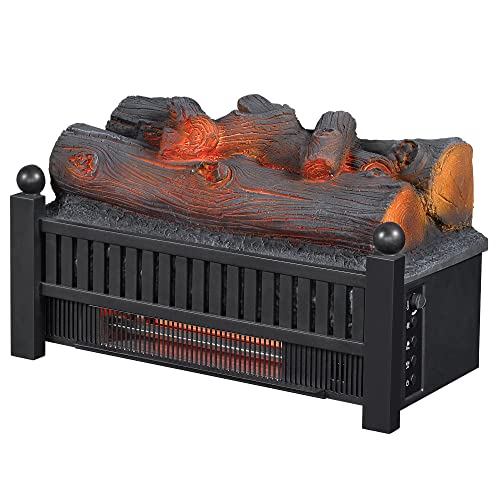
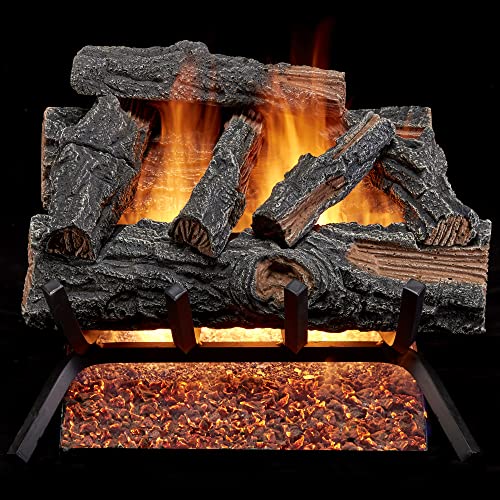
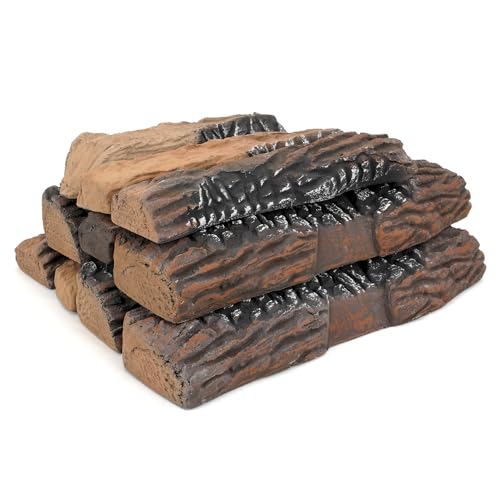
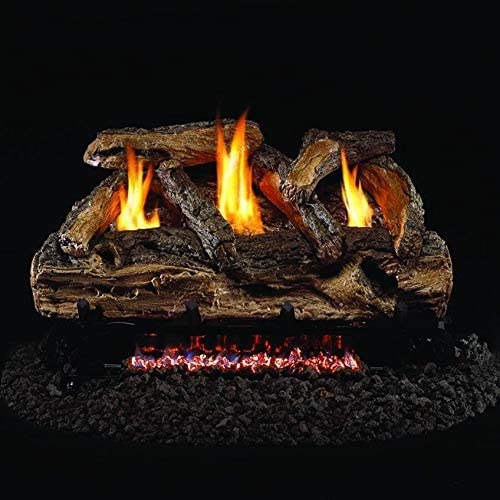
Vented vs. Vent-Free Gas Logs: Which Heats Better
This is the single biggest decision for anyone shopping with heat as the priority, and the two designs perform very differently once you account for where the heat actually goes.
How Vented Logs Handle Heat
Vented gas logs are built to burn with the damper open, the same way a wood fire would, which produces tall, realistic yellow flames. The tradeoff is that a large share of the heat they generate escapes straight up the chimney along with the combustion byproducts. A vented set rated at 60,000 BTUs might only deliver a fraction of that as usable room heat, which is why these sets are often described as more decorative than functional, even though they can still take some edge off a chilly room nearby.
How Vent-Free Logs Handle Heat
Vent-free, or ventless, log sets burn with the damper closed, so nearly all the heat they produce stays in the room instead of venting outside. That is why a vent-free set rated in the 30,000 BTU range can feel noticeably warmer than a much higher rated vented set. Efficiency ratings for vent-free logs run close to 99 percent, compared with vented sets that lose a large portion of their output through the flue.
Local Codes and When Vent-Free Isn't Allowed
Vent-free logs are not permitted everywhere. Some states and municipalities restrict or ban them entirely, and certain older or smaller fireplaces are not rated to handle unvented combustion safely. Check with your local building department or a licensed hearth professional before assuming a vent-free set will be approved for your home.
What to Look for When Choosing Gas Logs for Heat
Once you know which venting style fits your home, a few more details separate the best gas fireplace logs for heat from a set that just looks the part.
BTU Output and Room Size
Higher BTU numbers sound appealing, but the right output depends entirely on the space you are heating. A log set that is too small for the room will run constantly without ever feeling warm, while one that is oversized can overheat a small space and cycle on and off in a way that wastes fuel and shortens component life.
Burner and Log Set Design
Look at how the burner pan and log placement are arranged. A well designed set keeps the flame pattern from being smothered by tightly packed logs, since airflow around the burner affects both flame height and how evenly heat radiates into the room.
Ignition Type and Convenience
Match lit and standing pilot systems are the simplest and often the most affordable, but they use a small amount of gas continuously. Electronic ignition and remote or thermostat controlled sets cost more upfront but let you set a target temperature and only run the burner as needed, which matters if you plan to use the logs as a real secondary heat source rather than an occasional ambiance feature.
Certification and Safety Features
Any log set marketed for heating purposes, especially a vent-free gas fireplace log set, should carry ANSI certification and include an oxygen depletion sensor, or ODS, that automatically shuts off gas flow if oxygen levels in the room drop too low. Do not consider a set without this certification if you intend to run it regularly.
Sizing Your Gas Logs to Your Fireplace and Room
Start by measuring the room's square footage, then multiply by roughly 20 to 30 BTUs per square foot for supplemental heat in an average climate, or 30 to 40 BTUs per square foot if the logs will serve as a primary heat source or the room runs cold. A 300 square foot living room, for example, generally calls for somewhere in the 6,000 to 9,000 BTU range for comfortable supplemental warmth. Add extra capacity for high ceilings, large windows, drafty construction, or an open floor plan connected to other rooms, since all of these pull heat away faster than a closed, well insulated space.
Just as important is measuring your existing firebox. Gas logs are sold by length, and a set that is too large for the opening will not sit correctly on the burner, while one that is too small looks sparse and can create uneven heat distribution. Getting this math right is often what separates a genuinely warming set from one that simply looks the part.
Materials: Ceramic Fiber vs. Refractory Ceramic Logs
Ceramic fiber logs are lightweight, generally the most affordable option, and reasonably durable for everyday use. Refractory ceramic logs, sometimes described as cast concrete or "real fyre" style logs, cost more but tend to hold up better under sustained high heat and offer more realistic bark and grain texture. Material does not change the burner's BTU rating, but a set that degrades or cracks over time can affect flame pattern and, indirectly, how evenly the fireplace radiates heat into the room.
Safety Considerations for Heating with Gas Logs
Running gas logs as an actual heat source, rather than occasional ambiance, raises the stakes on safety. An oxygen depletion sensor is a helpful safeguard, but it is not a substitute for a working carbon monoxide detector installed near the fireplace and in nearby bedrooms. Vent-free combustion also releases water vapor into the room, and running the logs for long stretches in a tightly sealed house can lead to condensation on windows or a persistent stuffy feeling, so cracking a window occasionally or checking your home's air exchange helps. If you are unsure how your indoor air is holding up during heavy use, a home air quality test kit can give you a clearer picture. Have the gas connection and burner inspected annually by a qualified technician, and never leave a vent-free set running unattended overnight.
Common Mistakes to Avoid
- Buying based on flame realism alone and ending up with a vented set that provides almost no usable heat
- Choosing a BTU rating without calculating it against actual room square footage
- Installing a vent-free set without confirming it is legal and appropriate for the specific fireplace and local codes
- Skipping the carbon monoxide detector because the log set has an oxygen depletion sensor
- Ignoring moisture buildup in a tightly sealed room during long vent-free burn sessions
Comparing options against a broader roundup of gas fireplace logs can also help you see how sets built for heat stack up against ones chosen mainly for appearance, which matters if warmth, not just ambiance, is the goal.
Frequently Asked Questions
Do vented or vent-free gas logs put out more usable heat?
Vent-free logs put out more usable heat because nearly all the BTUs stay in the room, while vented logs lose a large portion of their heat up the chimney. Vented sets are generally chosen for flame realism rather than heating performance.
How many BTUs do I need for gas fireplace logs?
A common starting point is 20 to 30 BTUs per square foot for supplemental heat in an average climate, or 30 to 40 BTUs per square foot for colder rooms or primary heating needs. Adjust upward for high ceilings, large windows, or open floor plans.
Are vent-free gas logs safe to run for long periods?
Vent-free logs that are ANSI certified and equipped with a working oxygen depletion sensor are designed for extended use, but they should still be paired with a carbon monoxide detector and adequate fresh air exchange. Avoid running any vent-free set unattended overnight.
Can vent-free gas logs be installed in any fireplace?
No, vent-free logs require a fireplace rated for unvented combustion, and some states and municipalities restrict or prohibit them entirely. Check local codes and have a licensed hearth professional confirm compatibility before purchasing.
Do gas logs actually heat a room or just add ambiance?
It depends on the type. Vent-free logs sized correctly for the space can serve as a genuine supplemental heat source, while vented logs mainly add ambiance since most of their heat escapes through the open damper.
What size gas logs do I need for my fireplace?
Measure the width of your existing firebox opening and choose a log set length that matches it closely. A set that is too large will not sit properly on the burner, and one that is too small can create an uneven flame pattern.
Is ceramic fiber or refractory ceramic better for gas logs?
Refractory ceramic logs generally hold up better under sustained heat and offer more realistic texture, while ceramic fiber logs are lighter and more budget friendly. Neither material changes the burner's actual BTU output.
Do I need a carbon monoxide detector with gas fireplace logs?
Yes, a carbon monoxide detector is recommended regardless of whether your logs are vented or vent-free, since it adds a layer of protection beyond the oxygen depletion sensor built into most vent-free units.
Final Thoughts
Picking the best gas fireplace logs for heat comes down to matching venting style and BTU output to your room, rather than choosing based on flame appearance alone. Vent-free sets generally deliver more warmth per BTU, but only when local codes allow them and safety features like an oxygen depletion sensor and a carbon monoxide detector are in place. Get the sizing and safety details right, and your gas logs can genuinely take the chill off a room instead of just looking the part.