Best Gas Fireplace: How to Pick the Right One for You
Disclosure: We may earn a commission when you buy through links on this page, at no extra cost to you. As an Amazon Associate I earn from qualifying purchases. Learn more

Nothing beats walking into a warm living room on a cold evening with real flame flickering behind glass, no wood to haul in, no ash to clean up afterward. That is the appeal driving so many homeowners toward gas heat, but picking the best gas fireplace for your specific house means sorting through formats, venting types, fuel sources, and sizing before you even start comparing individual models. This guide walks through what actually separates one gas fireplace from another. You will learn the difference between an insert, a built-in, and a freestanding unit, how venting type affects your installation options, how to size a unit to your room, and roughly what to expect on your monthly gas bill.

Insert, Freestanding, or Built-In: Picking the Right Format
Before venting or fuel type, the format question is often the first thing that narrows the field toward the best gas fireplace option for your specific home, since it depends heavily on what you already have to work with.
Gas Fireplace Inserts
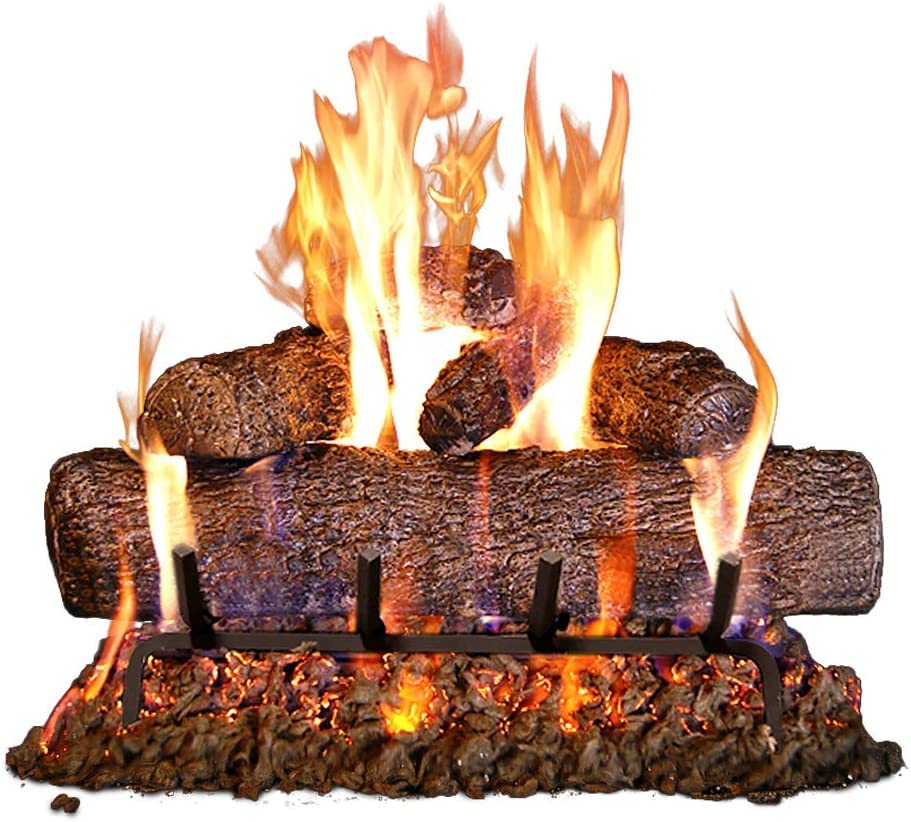
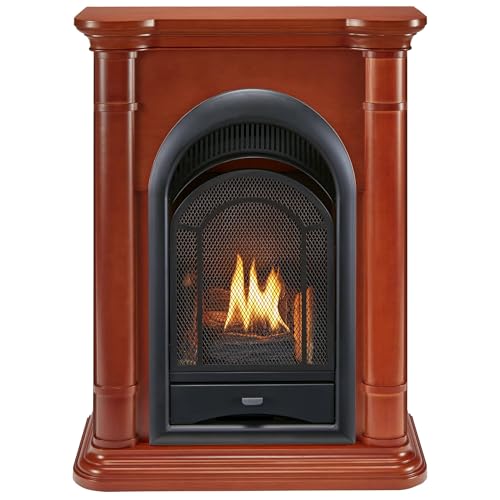
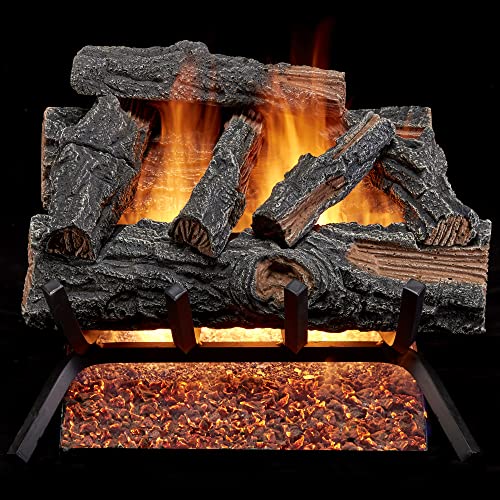
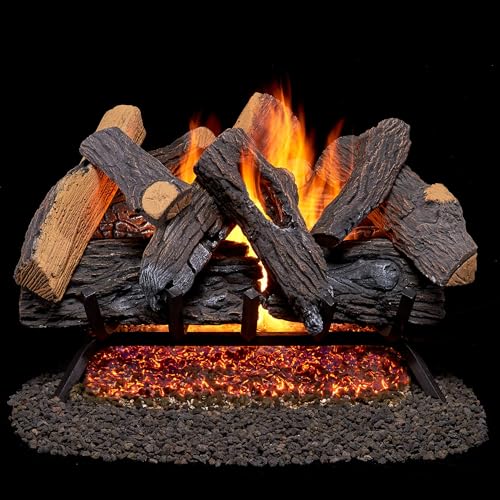
A gas fireplace insert is built to slide into an existing masonry or prefabricated wood-burning fireplace opening. If you already have a working chimney and firebox but you are tired of hauling firewood, an insert reuses that opening and typically vents through your existing chimney or flue. Inserts tend to be the least disruptive option to install since there is no wall or floor to open up, and they are usually the most practical way to turn an old wood fireplace into something you will actually use every week instead of twice a winter. If you are not ready for a full insert, or you do not have a gas line run yet, a gas log set is a separate and less expensive way to get real flame in an existing wood-burning fireplace in the meantime.
Built-In Gas Fireplaces
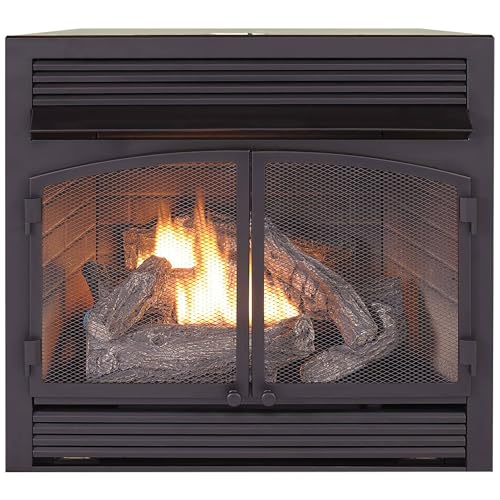
Built-in units are framed directly into a wall, which means they do not need an existing fireplace or chimney at all. That makes them the most flexible option for new construction or a major remodel, since you can place one almost anywhere a wall allows for the vent run. The tradeoff is cost and disruption. Built-ins usually mean opening up drywall and framing, so they are best planned early in a renovation rather than added as an afterthought once walls are finished. For a remodel where the best gas fireplace is meant to be a permanent architectural feature rather than an add-on, a built-in is usually the right call.
Freestanding Gas Fireplaces
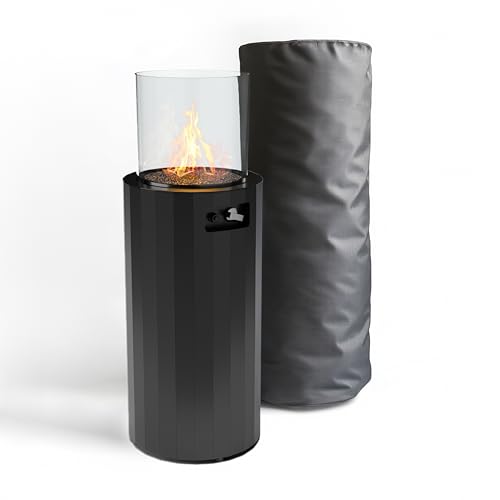
A freestanding gas fireplace looks and functions more like a wood stove than a traditional fireplace. It stands on its own, does not require an existing firebox, and in many cases can be installed with far less construction work than a built-in. Some freestanding models are vent-free, which opens up placement options even further, though that comes with tradeoffs covered in the next section. This format tends to appeal to homeowners who want supplemental heat in a specific room, like a converted garage or a three-season porch, rather than a full living room centerpiece.
Direct Vent, B-Vent, or Vent-Free: What Actually Matters
Venting type is the other major decision, and it is independent from format above. The best gas fireplace for you also depends heavily on which venting type your home can realistically support, since a freestanding stove and a built-in unit can both be ordered as direct vent or vent-free depending on the model.
Direct Vent
A direct vent gas fireplace is a sealed combustion system that draws outside air in and pushes exhaust out through a wall or roof, so it never pulls air from inside your home. That sealed design tends to make direct vent units the most efficient of the three types, and it is generally considered the safest option for indoor air quality since combustion byproducts never enter the room.
B-Vent
B-vent fireplaces draw combustion air from inside the room but still send exhaust outside through a flue, using natural draft rather than a sealed system. They are less common than direct vent today, mainly because they run less efficiently, but some homeowners still choose them because the open flame tends to look and behave more like a traditional wood fire.
Vent-Free (Ventless)
A vent-free gas fireplace burns without any chimney or exterior venting at all, which makes it the easiest type to install almost anywhere. That flexibility comes with real caveats. These units burn room air and release combustion byproducts into your living space, so they rely on a built-in oxygen depletion sensor and generally need a working carbon monoxide detector nearby. A number of states and local building codes restrict or outright ban vent-free installations, so this is one detail worth confirming before you fall in love with a specific unit.
Sizing a Gas Fireplace to Your Room
Once you know the format and venting type you want, sizing comes down to matching gas fireplace BTU output to your square footage. As a rough starting point, plan on about 20 to 40 BTUs per square foot, using the lower end in a mild climate with good insulation and the higher end in a colder region or a drafty older room. Small units generally cover under about 500 square feet, mid-size units handle roughly 500 to 1,000 square feet, and larger units can heat spaces up to around 2,000 square feet or more. Ceiling height matters too. A room with ceilings over eight feet typically needs some extra BTU capacity for every additional foot of height, since heat has more volume to fill before it starts to feel warm at floor level. The best gas fireplace for your room is rarely the biggest one available. An oversized unit in a small space usually just means you run it on low most of the time or crack a window to cool things down, neither of which is a great use of your gas bill.
Natural Gas or Propane, and What It Actually Costs to Run
Most gas fireplaces can technically be configured for either natural gas or propane, but not interchangeably out of the box. The burner orifices and gas regulator are sized differently for each fuel, so switching from one to the other requires a conversion kit and a professional adjustment rather than a simple hookup change. Natural gas is piped in from a utility line, so there is no tank to refill, and it is typically the cheaper fuel to run if your home already has service nearby. Propane needs an on-site tank, which takes up yard space and requires periodic refills, but it is the practical choice for homes without a natural gas hookup.
Figuring out fuel type and running cost matters just as much to the best gas fireplace decision as format or size. Running cost depends heavily on BTU output and local fuel prices, but a rough range is about 20 cents to a dollar and a half per hour of use. A smaller 10,000 to 15,000 BTU unit tends to run closer to the low end, while a larger 40,000 BTU unit used as a primary heat source can add up fast if you run it for hours every evening. It is also worth checking the AFUE rating, short for Annual Fuel Utilization Efficiency, since a unit rated 80 percent or higher converts more of the fuel you are paying for into actual heat rather than losing it up the vent.
Safety, Codes, and the Upkeep You Shouldn't Skip
A gas fireplace is low-maintenance compared to burning wood, but it is not maintenance-free. Keeping up with service is part of owning the best gas fireplace for the long haul, not just picking the right one on day one. Most manufacturers and chimney professionals recommend a professional inspection once a year, covering the gas line and connections, the venting system, flame calibration, burner and pilot cleaning, and a test of the safety controls. Skipping this is how small issues, like a degraded glass door seal on an older unit, turn into bigger ones.
Carbon monoxide safety deserves its own mention, especially if you are considering a vent-free model. Even with a working oxygen depletion sensor, it is worth having a carbon monoxide detector installed in the same room and testing it regularly. Before you commit to a vent-free unit specifically, check your local building code. Some states and municipalities restrict or ban vent-free installations entirely, and a permit is often required regardless of which venting type you choose, so it is worth a call to your local building department before installation day rather than after. None of this is meant to scare you off. It is just part of owning a gas fireplace responsibly once the fun part of choosing a unit is over.
Frequently Asked Questions
Here are the questions people shopping for the best gas fireplace tend to ask most often once they start comparing formats and venting types.
What's the difference between a direct vent and a vent-free gas fireplace?
Direct vent units draw combustion air from outside and vent exhaust outside through a sealed system, so nothing enters your living space. Vent-free units burn room air and do not require any chimney or exterior venting, which makes installation easier but calls for more attention to indoor air quality and carbon monoxide safety.
Can a gas fireplace run on propane instead of natural gas?
Many models are available in either fuel type, but the burner orifices and regulator are fuel-specific. Switching an existing natural gas unit to propane, or the other way around, requires a conversion kit and professional adjustment rather than a simple hookup change.
How many BTUs do I need for my room size?
A common starting point is 20 to 40 BTUs per square foot, using the higher end for colder climates or taller ceilings. Small rooms under about 500 square feet typically need a smaller unit, while larger open spaces call for a mid-size or large-capacity model.
How much does it cost to run a gas fireplace?
Running cost typically falls between about 20 cents and a dollar and a half per hour, depending on the unit's BTU output and local gas or propane prices. A smaller unit used a few hours a night usually adds well under a hundred dollars a month to a utility bill.
Do gas fireplaces need a chimney?
Not necessarily. Direct vent and B-vent models need some kind of venting, either through an existing chimney or a new wall or roof vent, but vent-free units do not require a chimney or exterior venting at all.
How often should a gas fireplace be professionally serviced?
Most manufacturers recommend a professional inspection once a year, ideally before the heating season starts. That visit typically covers the gas connections, the vent system, burner cleaning, and a safety control check.
Can I install a gas fireplace myself?
Some freestanding and vent-free models are designed for simpler installation, but any unit that requires gas line work or venting through a wall or roof should be installed or at least inspected by a licensed professional. Local codes often require a permit regardless of who does the physical installation.
Making Your Decision
The best gas fireplace for your home is not necessarily the most powerful or the most expensive one. It is the format, venting type, and size that actually fit how and where you plan to use it. Whether you are after the best gas fireplace for a full remodel or just a supplemental heat source for one room, start with what you already have to work with: an existing fireplace opening favors an insert, new construction opens the door to a built-in, and a single room that needs supplemental heat is often best served by a freestanding unit. From there, venting type, fuel source, and sizing will narrow your options fast.