Best Film Cameras Point and Shoot: A First Time Buyer's Guide for 2026
Disclosure: We may earn a commission when you buy through links on this page, at no extra cost to you. As an Amazon Associate I earn from qualifying purchases. Learn more

The best film cameras point and shoot for beginners: Kodak, Pentax and Fujifilm options plus film and setup tips.
Film photography is having a big comeback. People love the warm colors, natural grain and surprise of waiting for prints, and point and shoot film cameras make it easy to start: load a roll, point, press the shutter and let the camera do the rest. New film cameras now include reusable half frame models that double your shots per roll, simple focus free 35mm cameras, a premium half frame camera from Pentax and inexpensive single use cameras. This guide to the best film cameras point and shoot is written for first time buyers, explaining the terms, comparing options and helping you avoid rookie mistakes.
We cover the basics, the key specs, choices for your situation, rookie mistakes, setup and first use and common questions. Every camera, film roll and scanner in the table above is sold new on Amazon US.




Best Film Cameras Point and Shoot 101: The Basics
A point and shoot film camera is a compact camera with a fixed lens that exposes photos onto a roll of film rather than a digital sensor. After you finish a roll, you have it developed at a lab or at home, then printed or scanned to digital files.
Most modern point and shoot film cameras use 35mm film, the most widely available format. Full frame 35mm cameras give 24 to 36 exposures per roll, while half frame cameras, like the Kodak Ektar H35 and Pentax 17, split each frame in two for roughly double the photos per roll.
Point and shoot cameras are focus free or have simple zone focus, so there is little to adjust, which makes them ideal for beginners, parties and travel.
When choosing among the best film cameras point and shoot models, think about how many photos you take, your budget per roll and whether you want the simplest experience or more creative control. Those three factors point you toward half frame, full frame, single use or premium cameras.
Film photography also involves ongoing costs: each roll of film plus developing and scanning. Half frame cameras and bulk film reduce cost per photo, while single use cameras cost the most per shot but need no upfront investment.
Key Specs Explained in Plain English
The key specs are film format, frame size, focus type, lens, flash, exposure control, power and build. Here is what each means.
Film Format and Frame Size
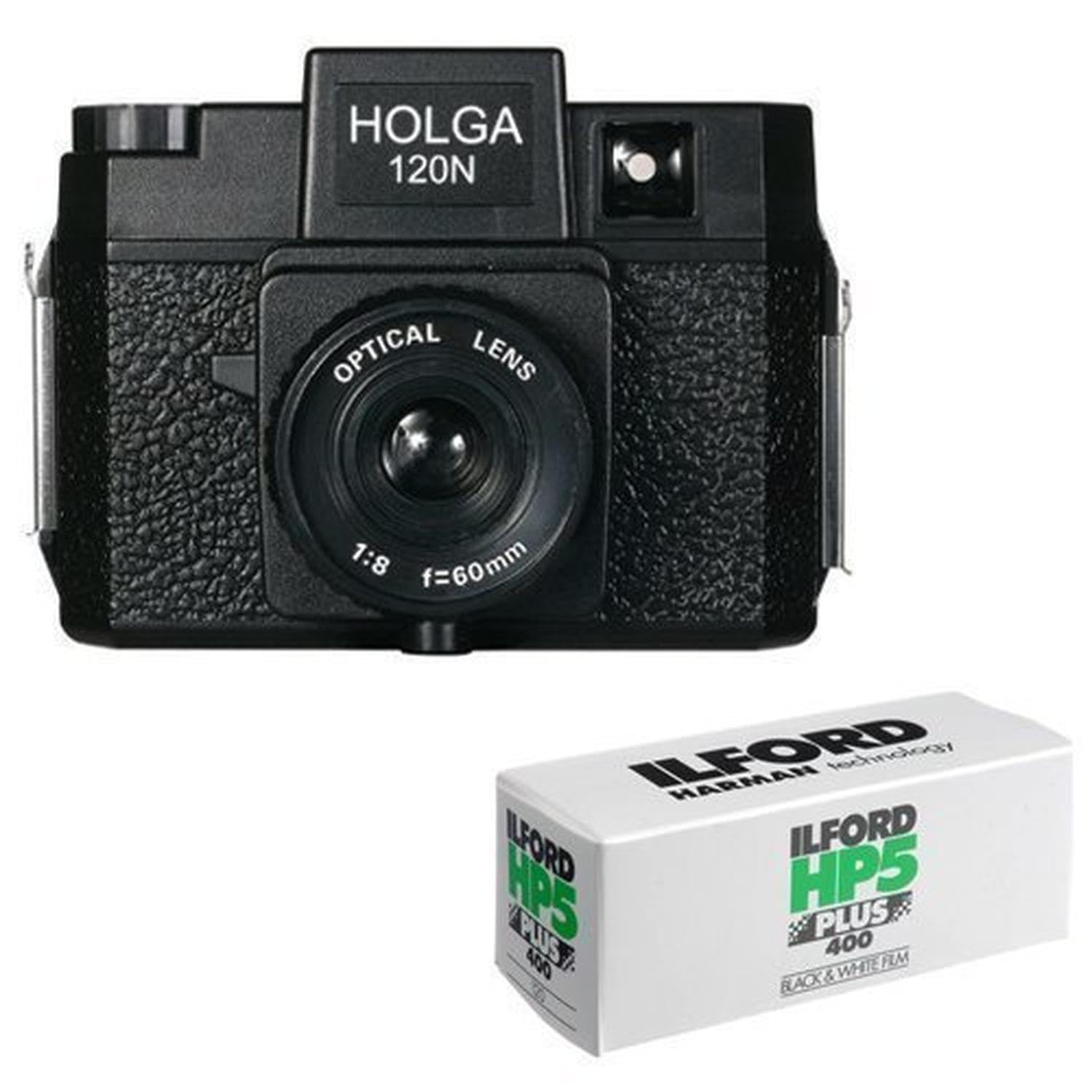
35mm film is easy to buy and develop. Half frame cameras, like the Kodak Ektar H35 at around $50 and the Pentax 17 at around $497, make two vertical images per standard frame, so a 36 exposure roll gives about 72 photos, which lowers cost per shot. Medium format cameras like the Holga 120N use larger 120 film for a distinctive look.
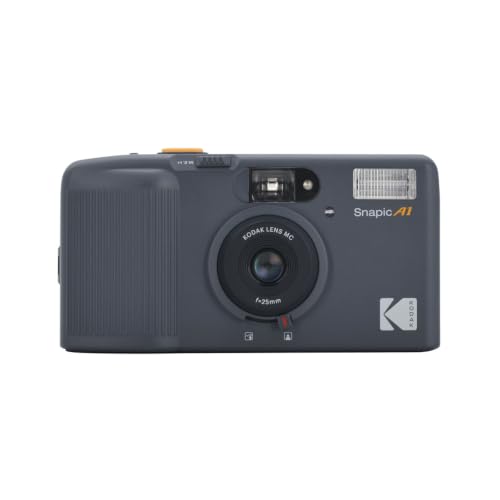
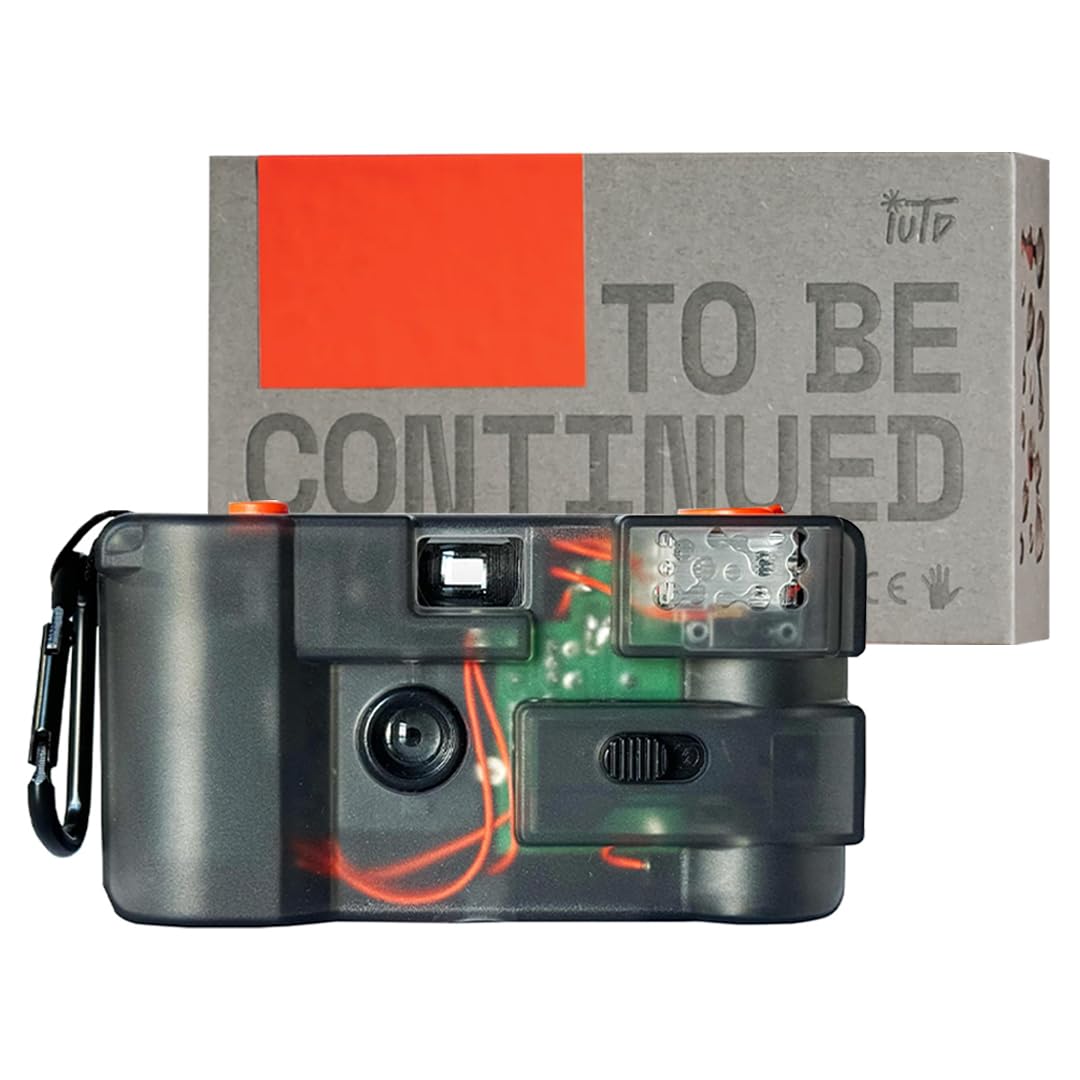
Full frame 35mm cameras, like the Kodak Snapic A1 at around $99 and the TBC reusable camera, produce larger negatives with more detail per shot.
Half frame images are vertical by default, which suits portraits and social media, and many photographers enjoy pairing two related shots side by side on one frame. Full frame images are horizontal and give more room for landscapes.
Film Choice and Image Quality
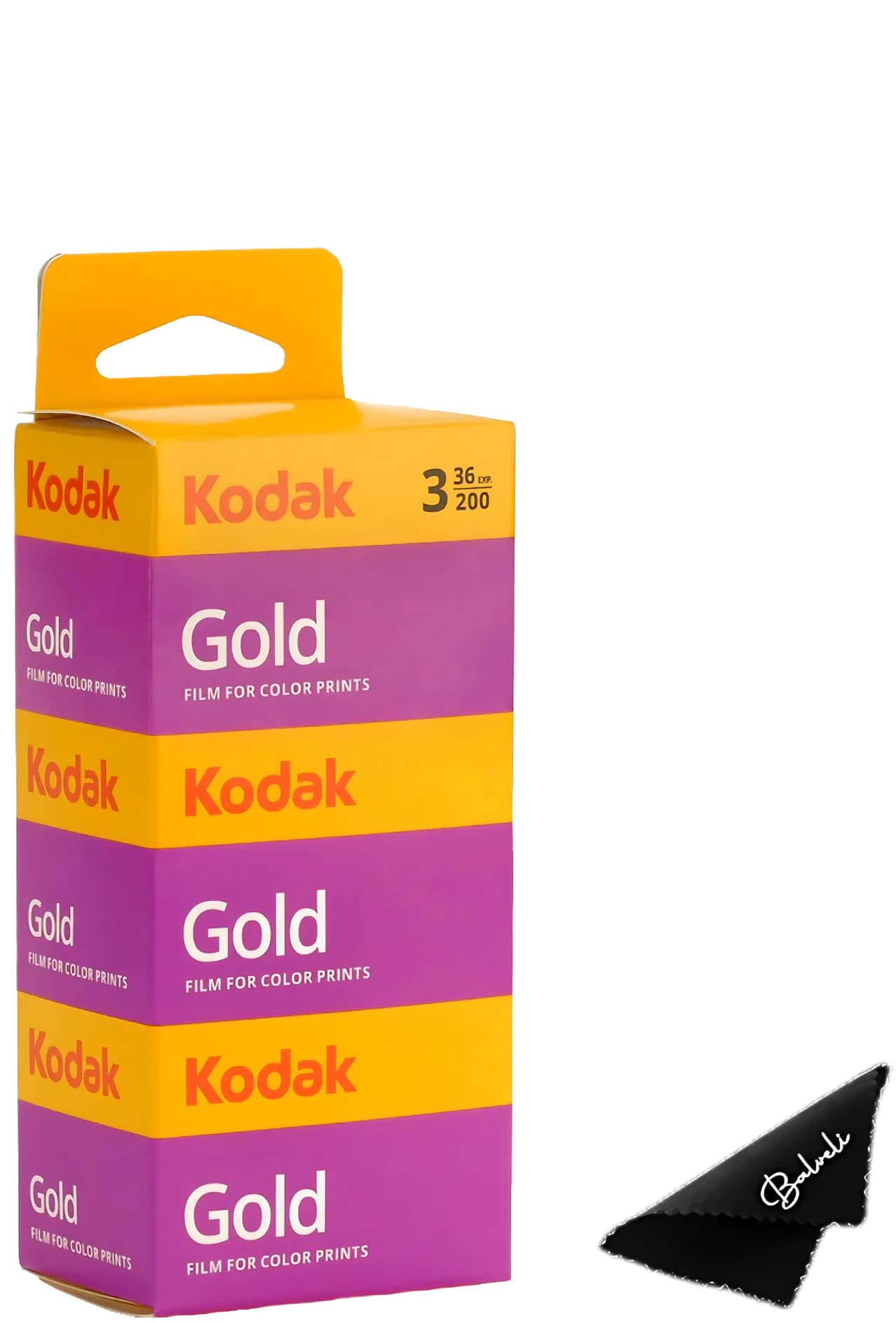
Image quality depends on film as much as the camera. Kodak Gold 200 is a popular, affordable color film with warm tones, sold in 3 roll bundles at around $38. ISO 400 films suit cloudy days and indoor flash photos, while ISO 200 suits bright sun. Black and white film, like Ilford HP5 included with the Holga 120N, adds a classic look.
Kodak also sells Ultramax 400 alongside Gold 200 in bundles, which pairs a daylight film with a versatile film for cloudy days and indoor flash. Keep unused film in a cool, dry place, and refrigerate it for long term storage, letting it warm up before loading.
Prints from film negatives often look different from phone photos: softer, with natural grain and rich colors that many people find more nostalgic. Expect some variation between labs, since scanning and printing settings affect the final look.
Focus and Lens
Focus free cameras, like the Ektar H35 and TBC, use a fixed focus lens that keeps most subjects sharp from a few feet away. Zone focus cameras, like the Kodak Snapic A1 with 2 zone focus, let you choose near or far for sharper results. Wider lenses, like TBC's 28mm, fit more into each frame.
Focus free lenses are designed to keep subjects sharp from a few feet to the horizon, but very close shots blur. Check the minimum distance in the manual, often around 3 to 4 feet, and step back if needed.
Pentax designed the 17 with a zone focus lens and more manual control than toy style cameras, which suits people who want to grow their skills.
Flash and Low Light Performance
Built in flash, found on the Ektar H35, TBC and Fujifilm QuickSnap Flash 400, helps indoors and at night. Film cameras rely on fast film and flash in low light, since most simple point and shoots have fixed apertures and shutter speeds. Use ISO 400 or faster film for evenings and indoors.
Flash range is limited on small cameras, usually a few meters, so move closer to subjects in dark rooms. Outdoors at night, flash lights the foreground but not distant scenery.
Exposure Control and Ease of Use
Simple point and shoots have fixed exposure settings designed for daylight with ISO 200 to 400 film. Premium models like the Pentax 17 add exposure modes and more control. For beginners, simpler is better: fewer settings mean more time enjoying photography.
Because simple cameras use fixed settings, film choice becomes your exposure control: ISO 200 for sunny days, ISO 400 for mixed light and higher speeds for indoor shots without flash.
Half frame cameras like the Ektar H35 also add a bulb or star filter on some versions, like the H35N, for creative night shots.
Power and Batteries
Many film cameras run on AAA batteries for the flash, which Kodak notes are not included with the Ektar H35 and Snapic A1. Fully mechanical cameras like the Holga 120N need batteries only for flash models. Carry spares on trips.
Remove batteries before storing a camera for months, since leaking batteries can damage contacts. Lithium AAA batteries hold up better in cold weather than alkaline cells, which helps on winter outings.
Single Use vs Reusable
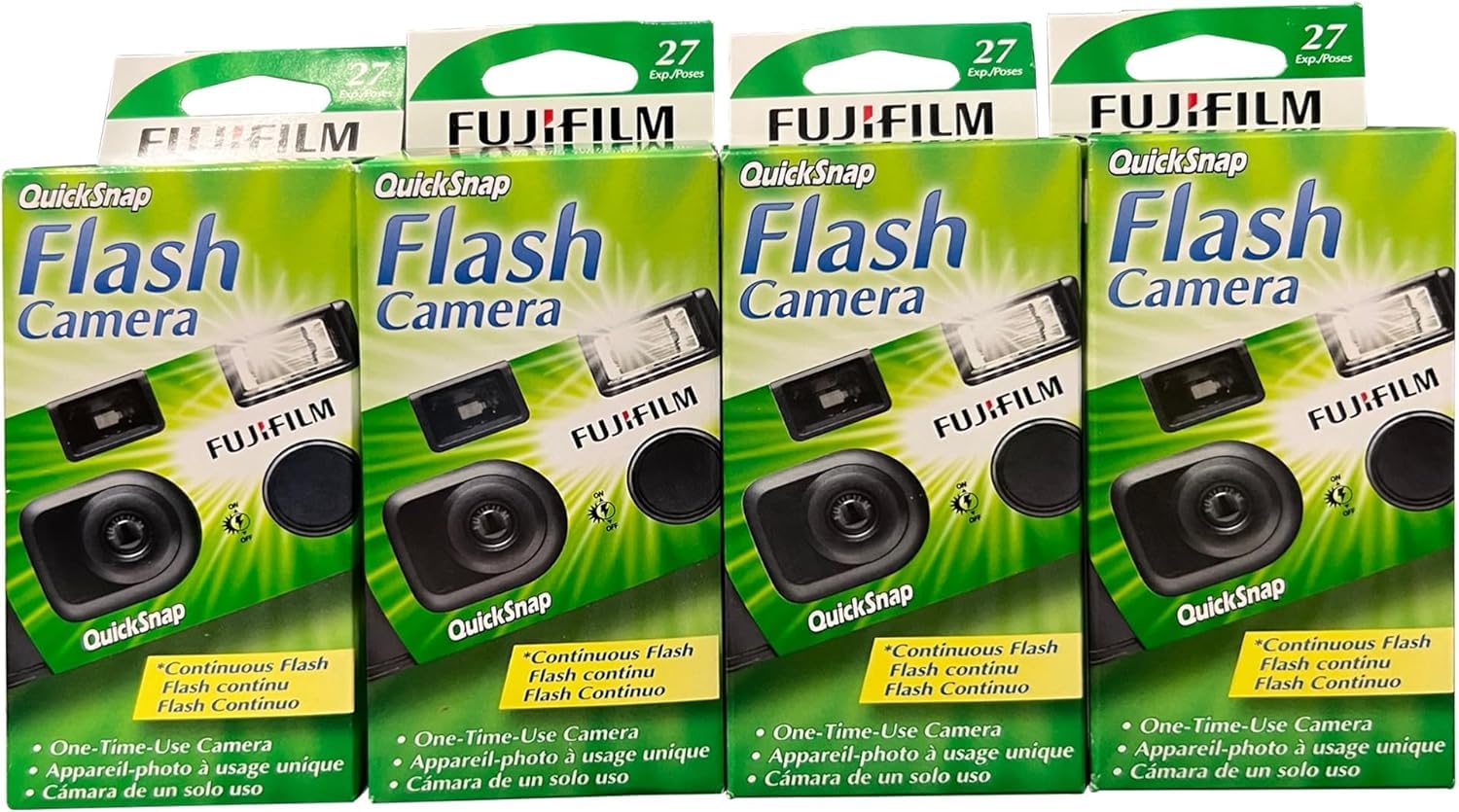
Single use cameras, like the Fujifilm QuickSnap Flash 400 4 pack at around $78, come preloaded with 27 exposures and are developed whole. Reusable cameras cost more upfront but cost less per roll over time and reduce waste.
Single use cameras are developed and recycled by many labs, while reusable cameras keep going roll after roll. If you shoot more than a few rolls a year, a reusable camera usually saves money.
Reusable cameras also let you choose your film, from color to black and white.
Choosing Film Point and Shoot Cameras for Your Situation
Your goals point to the right camera.
Best Film Point and Shoot Cameras for Beginners: Tips for First Time Buyers
For first time buyers, a reusable half frame camera like the Kodak Ektar H35 offers the lowest cost per shot and the simplest operation. Choose the Kodak Snapic A1 for full frame negatives with zone focus, or the Pentax 17 if you want a premium, long term camera with more control.
Buy two or three rolls of the same film for your first camera so you can learn how it looks in different light before experimenting with other films.
Best for Parties, Weddings and Events
Single use cameras like the Fujifilm QuickSnap Flash 400 suit weddings, parties and kids, since guests can shoot freely without worrying about expensive gear.
Fujifilm's QuickSnap Flash 400 comes in multi packs of four to ten cameras, which makes it easy to place one on each table at a wedding or party. Kodak's FunSaver offers a similar experience with ISO 800 film.
Rookie Mistakes to Avoid
The most common mistake is opening the camera back before rewinding the film, which ruins exposed photos. Another is shooting low ISO film indoors without flash, leading to dark, blurry images.
Beginners also forget to check the flash is charged or that batteries are fresh. Standing too close to subjects with focus free cameras causes blur; stay at least a few feet away. Finally, people sometimes buy expensive used cameras without a warranty; new reusable cameras avoid surprise repairs.
Another common mistake is not winding the film fully after each shot, which can cause double exposures on some cameras. Wind until the lever or wheel stops before taking the next photo.
Getting Started: Setup and First Use
Insert batteries if your camera has a flash, then load the film in dim light: pull the leader across to the take up spool, close the back and advance until the counter shows 1. Shoot in good light or with flash, keeping subjects a few feet away. When the roll ends, rewind fully before opening the back. Take the roll to a lab for developing and scanning, or scan negatives at home with a film scanner like the Kodak Scanza at around $160, which handles 35mm, 126, 110 and Super 8 film.
Write down the film type and date when you load a roll, especially if you use several cameras, so you know what to tell the lab and when the roll was shot.
FAQs
What is the best film for beginners?
Kodak Gold 200 is a popular, affordable color film for daylight, and ISO 400 films handle cloudy days and indoor flash better. Buy a few rolls to try different looks.
Color negative film is more forgiving of exposure mistakes than slide film, which is why most beginners start with color negative stocks like Kodak Gold and Ultramax.
What does half frame mean?
Half frame cameras record two vertical images in the space of one standard 35mm frame, giving about twice as many photos per roll. Each image is smaller, so prints are best kept to standard sizes.
Half frame cameras are popular with beginners because each roll lasts longer, giving you more chances to practice without buying as much film.
How much should I spend on my first film camera?
Around $50 to $100 buys a new reusable camera like the Kodak Ektar H35 or Snapic A1. Premium models like the Pentax 17 cost around $500. Budget for film and developing, which add up per roll.
A starter budget of about $100 to $150 covers a reusable camera, a few rolls of film and developing for your first roll or two.
Is a smartphone enough instead?
Phones are convenient and free per shot, but film cameras give a distinct look, slower, more intentional shooting and physical negatives. Many photographers enjoy both for different moments.
Film also slows you down: with limited shots per roll, many people find they think more about composition and light, which can improve their photography on any camera.
How much does film developing cost?
Developing and scanning a roll typically costs around $15 to $25 at many labs, depending on scan resolution and prints. Home scanning saves money if you develop film often.
Where can I get film developed?
Many local camera stores, some pharmacies and numerous mail in labs develop 35mm film and provide digital scans. Mail in labs often offer higher resolution scans and handle specialty films like black and white and medium format 120.
Ask for scans at a resolution suitable for printing if you plan to enlarge favorite shots.
Can I scan film at home?
Yes, film scanners like the Kodak Scanza and ClearClick QuickConvert 2.0 convert negatives and slides to digital files. Home scanning saves money for frequent shooters and lets you archive old family negatives too.
Clean negatives with a blower before scanning to reduce dust spots.
Our Verdict
The best film cameras point and shoot make film photography easy and fun. The Kodak Ektar H35 is a low cost half frame starter, the Kodak Snapic A1 offers full frame shots with zone focus, the Pentax 17 delivers a premium half frame experience and Fujifilm QuickSnap single use cameras suit parties. Pair your camera with Kodak Gold 200 or ISO 400 film and enjoy the wait for your prints.
For more camera guides, see the best cameras for point and shoot, the best digital slr cameras, the best compact cameras for travel and the best mini photo printers. Then compare current prices in the product table above.