
Best Affordable Point and Shoot Film Cameras for 2026: What Your Money Really Gets You
Disclosure: We may earn a commission when you buy through links on this page, at no extra cost to you. As an Amazon Associate I earn from qualifying purchases. Learn more

Best affordable point and shoot film cameras explained by price tier, with lens, autofocus and flash tips plus film and developing costs.
Used film point and shoot cameras sell for anywhere from a few dollars at a yard sale to several hundred for the models everyone wants. The best affordable point and shoot film cameras sit in the middle of that spread, and knowing what each price step actually buys keeps you from overpaying for a worn out body or underbuying a camera that frustrates you on every roll.
This guide walks through three budget tiers, the features that change your keeper rate, and the running costs of film and developing. The product table lines up current picks so you can see where your money does the most work before you commit to a body.
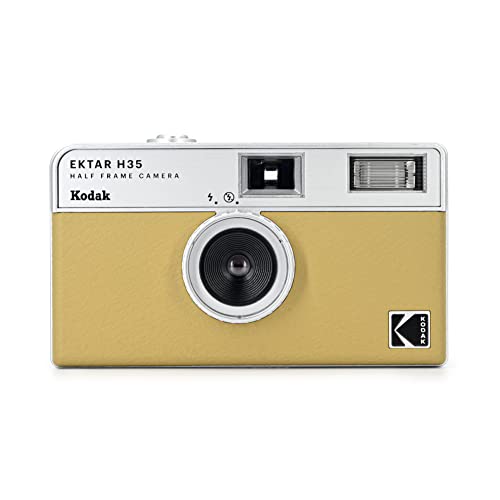
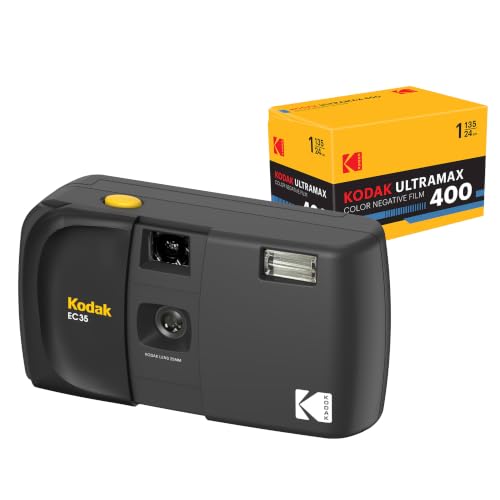

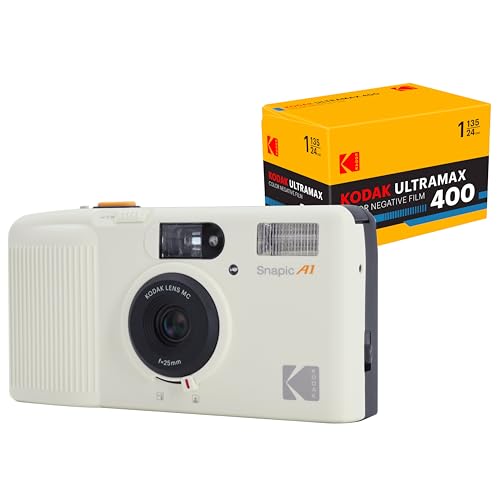

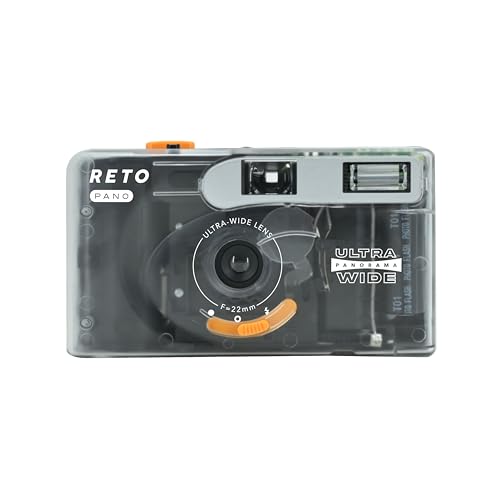

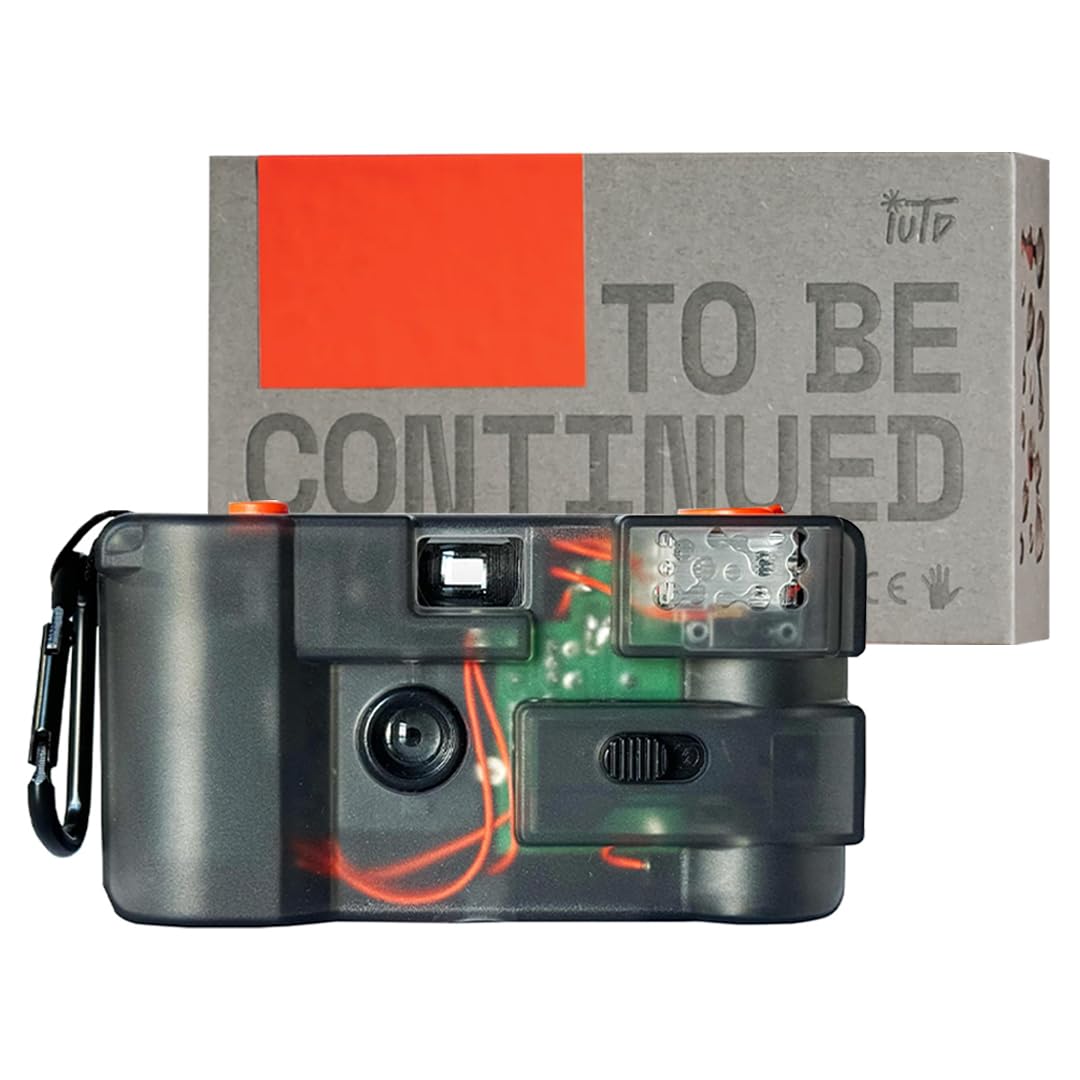
What the Best Affordable Point and Shoot Film Cameras Offer at Each Price Tier
Nearly every affordable model shoots 35mm film, so the format itself is not the decision. What changes with price is the lens, the focus system, and how much control the camera hands back to you. If you want the full category view first, our guide to best film cameras point and shoot covers the premium end as well.
Under About $50: Simple Fixed Focus Cameras
Cameras in this tier are mostly plastic bodies with a fixed focus lens, a built in flash, and full auto exposure. They ask nothing of you beyond loading film and pressing the shutter, which suits parties, travel snapshots, and a first taste of film. Expect softer corners, a short flash range, and no way to override a bad exposure. Check that the film door seals and the flash fires before you pay, because a repair bill costs more than the camera itself.
About $50 to $150: Autofocus and Real Glass Lenses
Most of the best 35mm point and shoot film cameras for everyday shooters sit in this band, with active autofocus, a glass zoom or prime lens, and a meter that reads film speed from the cassette. Photos get noticeably sharper, flash control improves, and features like a self timer and a panorama mask appear. Bodies are still used, so budget a little extra for fresh light seals if streaks show up on your first roll back from the lab.
About $150 to $300: Faster Lenses and Better Meters
At the top of the affordable range, lenses open to about f/2.8, meters handle tricky backlight without washing out faces, and autofocus locks faster and focuses closer. Weather seals, metal top plates, and quieter motors show up on the better bodies in this tier. You are paying for a higher keeper rate in dim rooms and around moving subjects, not for more resolution, because the film itself sets that limit. Buyers who shoot every week and print large get the most from spending at this level.
Features Worth Paying For (and Ones to Skip)
Lens Speed and Low Light Results
The lens aperture decides how much light reaches the film when the flash stays off. A lens around f/2.8 gathers roughly four times the light of an f/5.6 lens, which lets you shoot indoors on 400 speed film instead of blasting every scene with flash. Slower lenses are fine outdoors in daylight. Skip paying extra for extreme zoom ranges, because long zoom models usually pair that reach with a slow aperture that struggles at dusk. One habit protects your eyes with any camera: never look at the sun through the viewfinder.
Autofocus Versus Fixed Focus
Fixed focus lenses are set at one distance and rely on depth of field, so they shine outdoors and soften close portraits. Autofocus models measure the subject and adjust the lens, which matters for faces, pets, and anything nearer than about five feet away. Some cameras add a close up mode or an infinity mode that helps landscapes stay crisp. If you mostly photograph people, autofocus is the single upgrade most worth paying for in this category, ahead of zoom range or styling.
Flash, Metering, and DX Coding
Almost every model has a built in flash, but range varies from about 8 feet on basic bodies to about 15 feet on stronger ones. DX coding lets the camera read the film speed printed on the cassette, so exposure stays right when you switch between 200 and 400 speed film. A fill flash mode you can force on is worth having for backlit portraits on bright days. Red eye reduction lamps help a little, though stepping back and zooming less works better.
What You Can Realistically Get on a Budget
For about $100, expect a clean used body, a sharp prime or short zoom lens, working autofocus, and a flash you can switch off. You will not get manual exposure control, interchangeable lenses, or any warranty, and cosmetic wear is completely normal at this price. Spend your savings on film and a first roll instead of chasing a mint body. Readers who want a gentler entry point can also browse the best point and shoot film cameras for beginners before choosing a tier.
Long Term Costs to Factor In
The camera is the cheap part of film photography. A roll of color 35mm film runs about $10 to $20, and developing plus basic scans adds about $15 to $20 per roll, so every 36 frames costs roughly $25 to $40 all in. Batteries are a minor cost, usually one or two lithium cells a year. A camera that misfires or leaks light wastes a full roll, which is why a body from a seller who accepts returns beats a slightly cheaper gamble.
Point and Shoot Film Cameras: Your Questions Answered
What should a beginner look for in a first film point and shoot camera?
Start with working autofocus, a flash you can turn off, and a body whose seller confirms film has been run through it. A simple zoom or a prime lens around 35mm covers most everyday subjects without fuss. Fresh light seals and a clean battery compartment matter more than cosmetic shine on the outside. Shoot a first roll quickly, because problems like light leaks or a lazy shutter only show up once the film comes back from the lab.
How much should I spend on my first point and shoot film camera?
About $50 to $150 buys a checked autofocus model with plenty of life left, which is enough camera to learn on. Spending less often means fixed focus and no returns if the body fails. Spending more mostly buys lens speed and finish rather than better pictures. Keep the same amount aside for your first few rolls and developing, since that ongoing cost, not the body, decides how much you actually shoot each month.
Which film point and shoot cameras handle low light best?
Cameras with a lens around f/2.8 and an honest DX reader handle low light best, especially loaded with 800 speed film. A flash you can disable matters too, because forced flash flattens candlelit and evening scenes. Brace the camera against a wall or table when speeds drop, and hold still a moment after pressing the shutter. No point and shoot matches a fast prime lens on a manual body, so set expectations around mood rather than crisp detail.
Is a smartphone enough instead of a film point and shoot camera?
For quick sharing, yes: a phone wins on speed and costs nothing per frame, and the digital route covered in our guide to best affordable point and shoot cameras stays cheap as well. Film earns its place when you enjoy the slower process, the look of grain, and prints that start as physical negatives in an envelope. Many shooters carry both, using the phone for records and the film camera for the frames they care about most.
What film should beginners load in a point and shoot camera?
Start with a 400 speed color film, because it forgives exposure mistakes and works indoors with flash and outdoors in shade. Cheaper 200 speed film suits bright beach and snow days but struggles at dusk. Buy fresh film from a busy store rather than expired rolls, and keep unshot rolls in the fridge if months will pass before you use them. Never open the back mid roll to check the film, since opening early fogs every frame already shot.
The Bottom Line
Pick the tier by how you shoot: daylight snapshots need only the basics, while people and indoor scenes repay autofocus and a faster lens. The best affordable point and shoot film cameras are well checked bodies at honest prices, not the rarest names on the shelf. Compare the picks in the product table, then spend the rest of your budget on film.


