Best 35mm Cameras: Matching the Right One to Your Routine in 2026
Disclosure: We may earn a commission when you buy through links on this page, at no extra cost to you. As an Amazon Associate I earn from qualifying purchases. Learn more
The best 35mm cameras match how you shoot: compare compacts, SLRs, and rangefinders, plus used condition checks and film running costs.
There is no single 35mm camera that suits every photographer, because the format covers pocket compacts, fully manual SLRs, and quiet rangefinders that all shoot the same rolls of film. The right choice depends on how you actually spend your shooting days. If you are comparing the best 35mm cameras for your own habits, start with your routine rather than a spec sheet, then use the comparison table below to see how each class lines up with the way you shoot.
One point shapes every recommendation in this guide: many of these cameras are bought used, so condition matters as much as the class you pick. The 35mm name also lives on in digital cameras, where it describes the full frame sensor class; this guide stays with film, and readers shopping that side can compare best 35mm digital cameras instead. What follows matches each camera class to a routine, then covers the checks and running costs that decide whether a used body is a bargain or a repair bill.

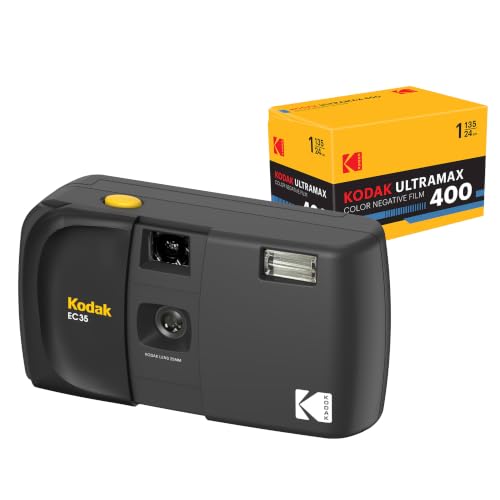


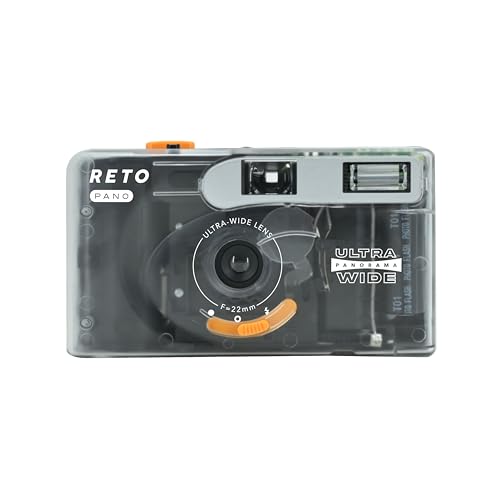
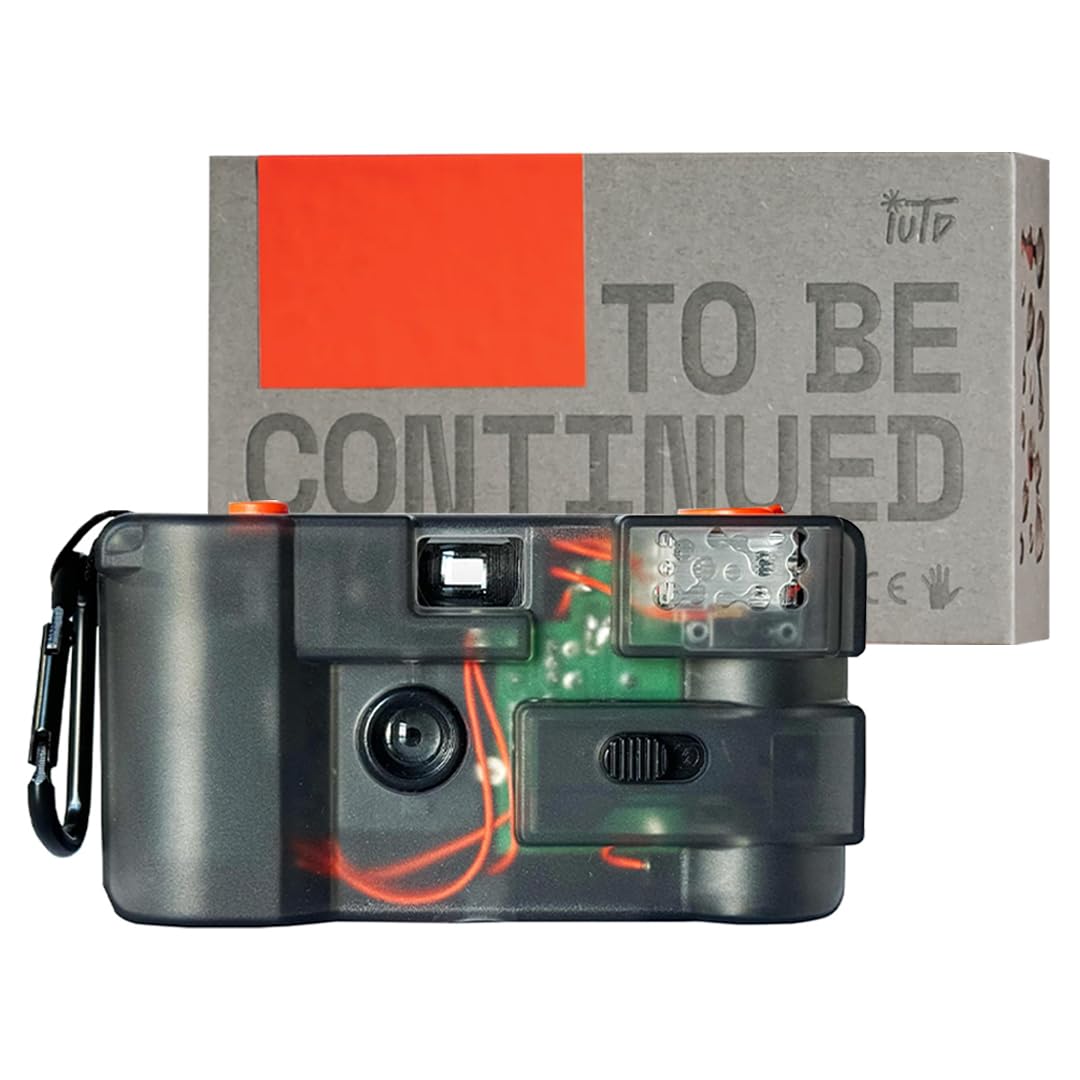


Best 35mm Cameras for Every Routine
Four routines account for most 35mm shooting today. Find the one that sounds like your week, and the class that fits it becomes much easier to spot in a listing.
The Daily Carry Routine: Compact Classes
You want a camera that is already with you when a moment appears, not one that needs a bag and a plan. Fixed lens compacts fit this routine: pocketable bodies, automatic exposure, and a lens that is ready the second the camera switches on. Autofocus point and shoot models sit in the same class for shooters who want zero decisions.
Prioritize small size, a lens that retracts fully, and a body you can carry daily without thinking about it. A compact that stays home because it feels precious or bulky fails this routine no matter how sharp its lens is.
The Deliberate Photography Routine: Manual SLR Classes
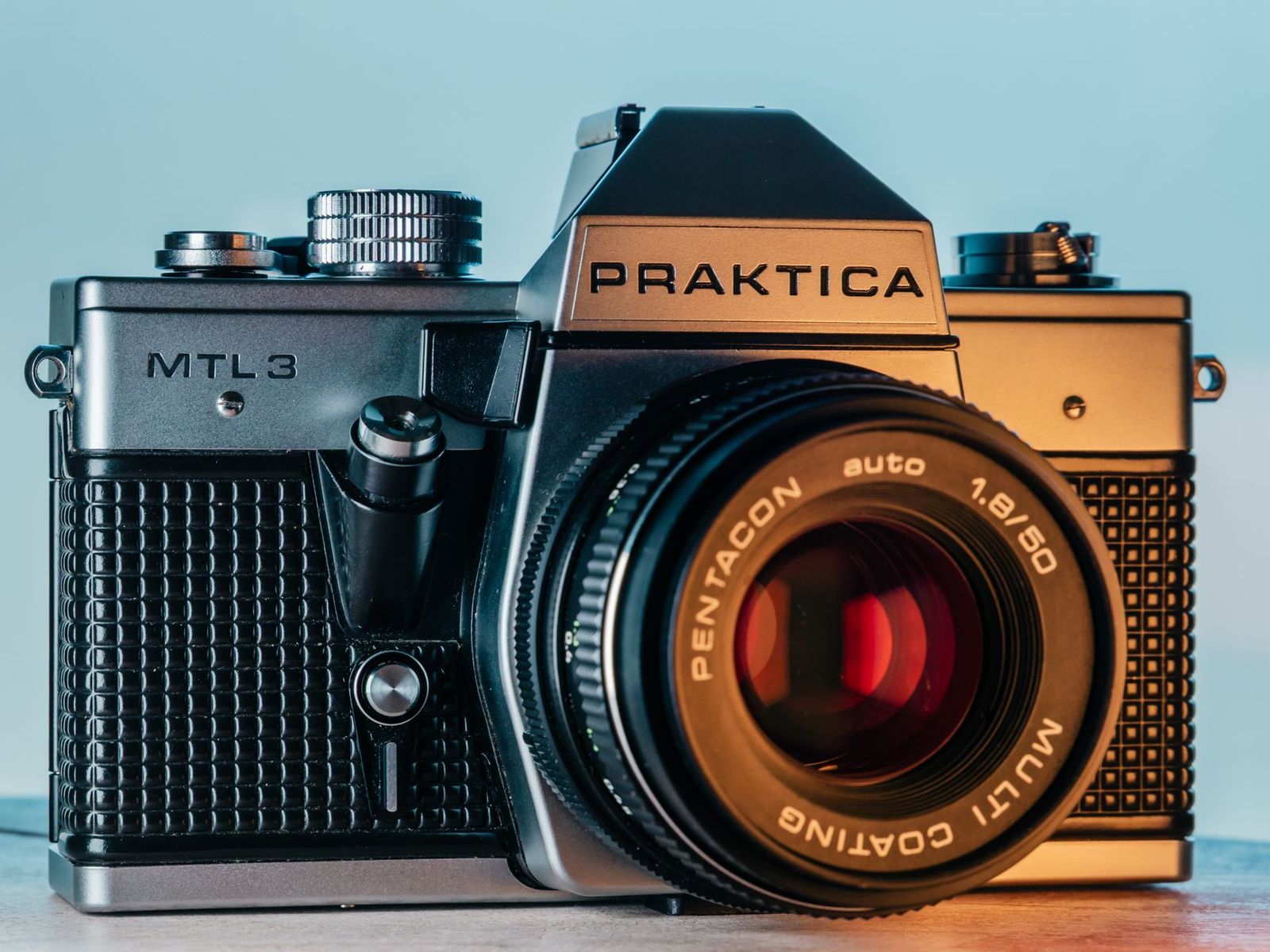
Your routine is slower: a weekend walk with one roll, time to meter, focus, and think about each frame. Manual and aperture priority SLR classes fit here, with interchangeable lenses and through the lens viewing that shows exactly what the film will record. Prioritize a bright viewfinder, a meter you can trust, and a lens mount with plenty of affordable glass still circulating. Readers at the start of this road can compare learning routes in our guide to best 35mm cameras for beginners, which covers the same deliberate habits from a first camera angle.
The Rangefinder Routine: Quiet, Small, and Direct
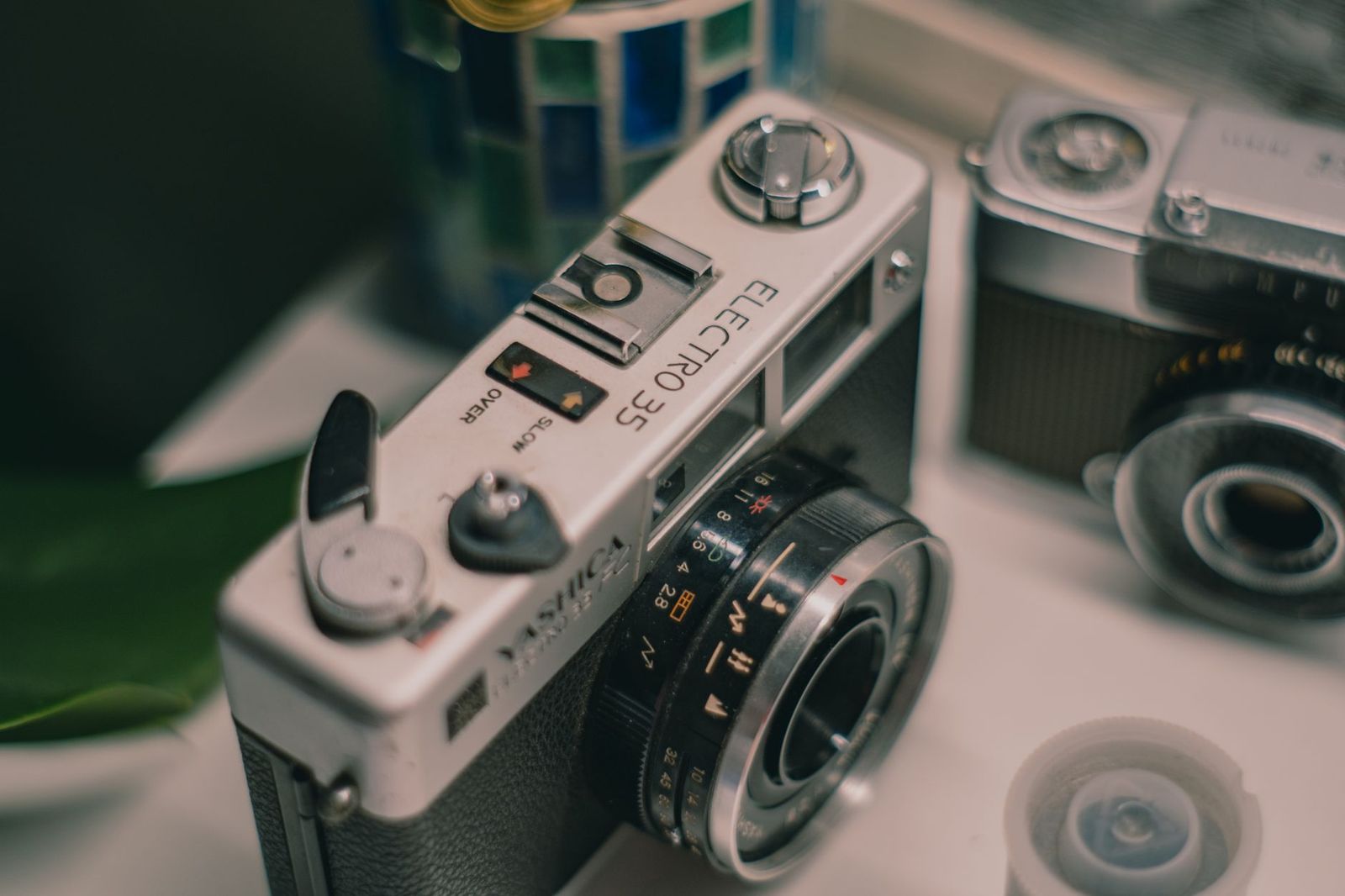
Street scenes, markets, and family gatherings reward a camera that draws no attention. Rangefinder classes fit this routine: compact bodies, quiet shutters, and a bright window viewfinder that shows the scene around your frame lines, so you can watch a moment develop before it happens. Focusing works by aligning a double image in the finder patch, a method that is fast once learned and frustrating for some shooters at first. If this way of seeing appeals to you, the dedicated guide to best 35mm rangefinder cameras explains the class in more depth.
The Family Archive Routine: Simple Cameras That Everyone Can Use
Some cameras exist to be passed around: birthdays, holidays, and grandparents who should not need a manual. Late era automatic SLRs and simple autofocus compacts fit this routine, loading film on their own, choosing settings, and forgiving mistakes. Prioritize easy loading, a built in flash for indoor shots, and controls a relative can understand in one sentence.
These bodies are often the cheapest in the format because collectors overlook them, yet their automation makes them the most reliable choice for a household that just wants birthdays on film.
The Returning Shooter Routine: Back After Years Away
Many buyers shot film years ago and want the habit back without relearning everything at once. Later automatic SLRs and program mode bodies fit this routine, because they can run fully automatic on day one and hand over control dial by dial as confidence returns. Prioritize a body that uses batteries and accessories that are still easy to find, and plan on fresh light seals if the camera sat in a closet for a decade. One trial roll through the camera before any important occasion turns old memories into a reliable tool again.
| Class | Viewing | Lens | Routine it fits |
|---|---|---|---|
| Compact | Separate window finder | Fixed | Daily carry |
| SLR | Through the lens | Interchangeable | Deliberate photography |
| Rangefinder | Window with frame lines | Fixed or interchangeable | Quiet street and family work |
| Automatic compact | Separate window finder | Fixed zoom | Family archive |
Choosing 35mm Cameras for Your Situation
Best Affordable 35mm Cameras: What to Prioritize
When the budget is tight, spend on condition before features. Shoppers hunting the best affordable 35mm cameras should rank a working meter, clean lens glass, and fresh light seals above any extra dial or drive mode. Student grade manual SLRs and overlooked automatic compacts deliver the format for about $50 to $150 in working order, while fashionable compacts with cult followings often cost three times more for the same film and similar lenses. A cheaper body with a recent service beats a famous badge that needs a $120 repair before its first roll.
Listings from established camera shops cost a little more, yet fresh seals and a short warranty are real value at this level, and that premium is often the cheapest insurance in the whole purchase.
Key Features to Compare
Features on a used film camera matter in a different order than they do on a new digital body. These five decide most purchases.
Exposure Control: Full Manual, Priority Modes, or Fully Automatic
Exposure control decides how much of each photograph is your decision. Full manual bodies make you set aperture and shutter speed for every frame, which teaches the craft fastest and keeps working even when a battery dies. Aperture priority bodies let you choose the lens opening while the camera picks the speed, a balance many routine shooters prefer.
Fully automatic bodies decide everything and suit the family archive routine. Match the control class to your patience: a camera that slows you down more than you enjoy will end up on a shelf.
The Lens Situation: Fixed Glass or an Interchangeable System
A fixed lens compact gives you one focal length, usually a moderate wide angle, and asks you to compose with your feet. An interchangeable system opens portraits, landscapes, and low light lenses over time, at the cost of a bigger bag and more spending later. Check which mount a body uses before buying, because lens prices differ sharply between systems with deep used stock and systems that collectors have driven up. The wider guide to best 35mm slr cameras compares the main SLR mounts and what each one means for lens hunting.
Metering: The Small Feature That Decides Whole Rolls
Film gives no screen to check after the shot, so the meter is your only preview. Center weighted meters in older bodies read the middle of the scene and underexpose bright skies unless you compensate, a habit that takes one roll to learn. Later bodies average more of the frame and forgive casual shooting.
Before buying, compare the meter reading against a phone light meter app at a few brightness levels. A meter that is off by a steady amount can be worked around; one that jumps around cannot, and repair costs more than most bodies are worth.
Condition Checks That Matter More Than Any Spec
These cameras are decades old, so the listing photos and description language carry the real specifications. Light seals turn to sticky foam and leak light onto film; ask whether they have been replaced. Run through every shutter speed and listen for speeds that drag or stick.
Read lens descriptions closely: some cleaning marks are honest wear, while haze and fungus mean internal growth that softens contrast and spreads in storage. Dust inside a viewfinder is cosmetic and common. A body described as untested should be priced as a repair project, never as a working camera.
The Running Cost of Film and Developing
The camera is the cheap part of this format. A roll of color film costs about $8 to $18, developing with scans adds about $12 to $20, and a keen shooter finishes a 36 exposure roll in a single good afternoon. Budget for the habit, not just the body: ten rolls a year runs about $200 to $380 all in.
Black and white film costs less to buy and can be developed at home later if the hobby grows. The format guide to best film cameras 35mm covers film stocks and formats in more depth.
Common Mistakes to Avoid When Buying 35mm Cameras
Most regrets in this format come from buying the badge instead of the body in front of you.
- Paying collector prices for a fashionable compact when a plain automatic body shoots the same film for a third of the price.
- Trusting an untested listing, then discovering the repair bill costs more than the camera.
- Skipping the light seal question, so the first roll comes back with light leaks across every frame.
- Buying a body before checking that lenses for its mount are affordable and easy to find.
- Budgeting for the camera only and forgetting that film and developing are a running cost, not a one time purchase.
Tips to Get the Most From Your 35mm Camera
Store the camera in a dry padded bag away from damp basements and hot cars, because heat and humidity feed the fungus that ruins lenses. Wipe the lens with a proper cloth rather than a shirt, and keep a finger off the glass. Remove the battery before long storage so a leak cannot corrode the contacts.
Shoot a short trial roll through any new arrival before an important event, and finish rolls within a few months, since exposed film left in a warm camera slowly loses quality. Keep notes on each roll: noting the film stock and the light helps the next roll improve.
Questions Answered About 35mm Cameras
Are 35mm film cameras still sold new?
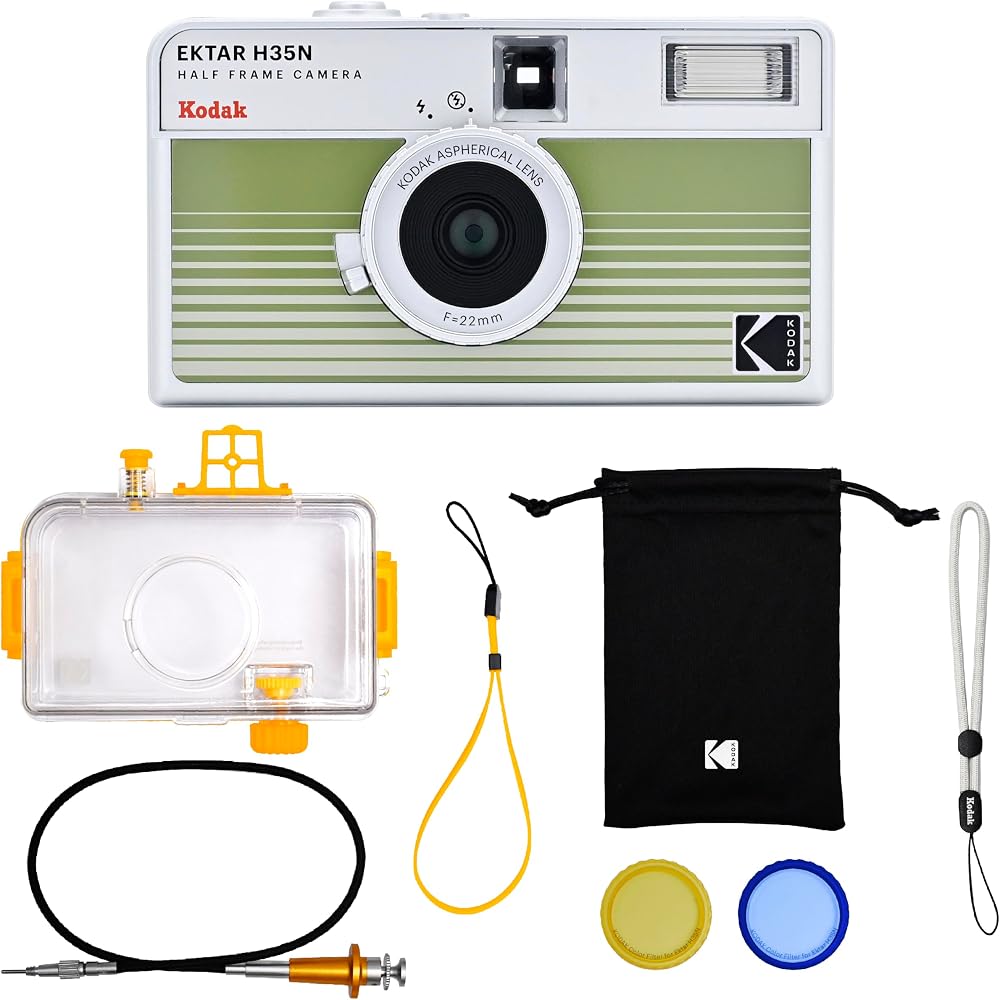
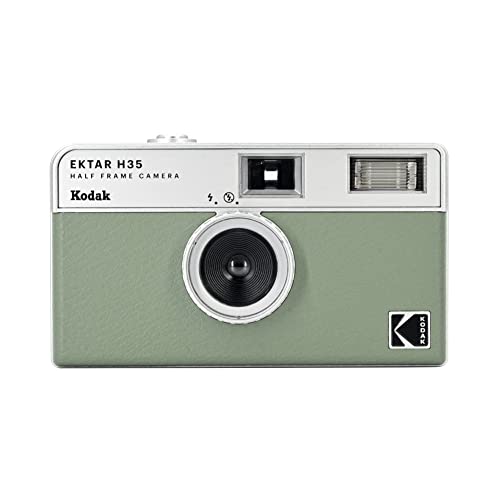
Some are. A small number of new film cameras still appear, mostly simple reusable compacts, half frame models, and one-time-use cameras, but the serious classes in this guide, SLRs, rangefinders, and quality compacts, mostly come from the used market. That is why dealer warranties matter: a camera shop that services and guarantees a body for a few months removes most of the risk that a private sale carries, and the small premium is usually worth paying on a first purchase.
How long does it take to get film developed?
Local labs that still process color film often return scans in about two to five days, while mail order labs add shipping time each way, so a week is a fair expectation. Black and white usually takes longer because many labs send it out or batch it. Build the wait into your plans: film from a wedding or a trip will not be ready the next morning, and rush services, where they exist, cost noticeably more per roll.
Does a 35mm camera need a battery to work?
Many classic bodies need a battery only for the light meter, so the shutter still fires at every speed with a dead battery and you can meter with a phone app instead. Fully electronic bodies are different: no power means no shutter, no autofocus, and no film advance. Check which class a listing belongs to before buying, and carry a spare coin cell either way, because meter batteries tend to die quietly in a drawer between shoots.
Can a 35mm film camera use modern digital camera lenses?
Usually not in any practical way. Lens mounts changed across eras, and most digital systems use different mounts, electronic contacts, and image circles designed for sensors. A few late film bodies share a mount family with later digital bodies, and adapters exist for some combinations, but autofocus and automatic exposure often stop working. Price a film body around the lenses made for its own mount; that used market is deep, affordable, and the glass was designed for full frame film coverage.
What film should a new 35mm shooter buy first?
Start with a color negative film rated at ISO 400. It handles bright sun and dull indoor light on the same roll, forgives exposure mistakes of a stop or two, and every lab knows how to process it. Buy three rolls of the same stock rather than three different films, because consistent results teach you faster than variety. Once your exposures look steady, try a slower fine grain stock for bright days or a faster one for evenings.
The Bottom Line
Match the class to your routine first, then judge the individual body on condition, because in this format a serviced plain camera beats a famous name that needs work. Keep the running cost of film in the budget from the start, and the format stays rewarding instead of surprising. The picks in the product table gather current examples to compare, and the best 35mm cameras for you are the ones that fit your week, your bag, and your patience for a deliberate pace. Start with one roll, learn the body, and let the habit decide your next step.