Best 2 Channel Mixers: Buying Guide for 2026
Disclosure: We may earn a commission when you buy through links on this page, at no extra cost to you. As an Amazon Associate I earn from qualifying purchases. Learn more

The best 2 channel mixers match your inputs, outputs and budget. Check preamps, EQ, build and price tiers for podcasts, DJ sets and home studios.
A small mixer can be the center of a podcast desk, a DJ setup, a small stage, or a home studio. With only two channels, every input and control has to earn its place. The best 2 channel mixers are not the ones with the longest feature list, but the ones whose inputs, outputs, and controls match the gear you already own.
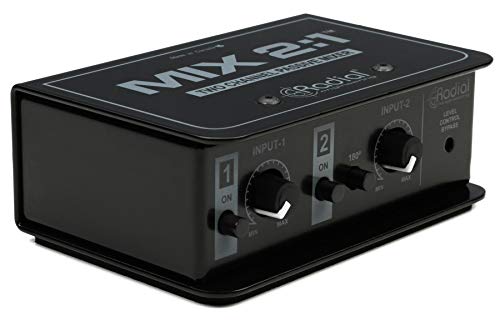
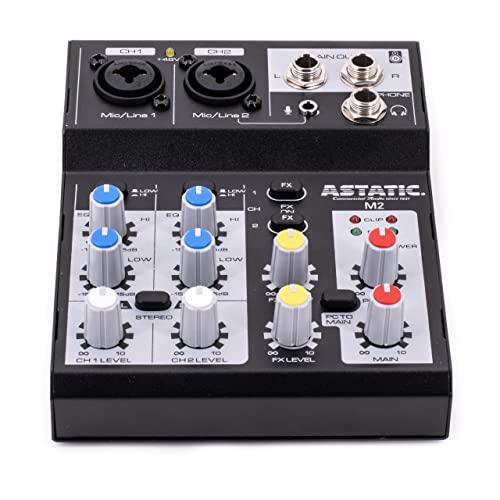
This guide walks through the choices that matter, from mic preamps to price tiers, and flags the mistakes that leave buyers short of inputs. The product table is a fast way to check channel layout and connections before you dig into the detail.






What Each Budget Level Should Give You
Budget Level: The Essentials Done Well
Around $50 to $100, expect at least one mic input with phantom power, a simple two or three band EQ, and a USB connection on many models for recording to a computer. This level suits a single microphone plus a phone or laptop source. The main limits are fewer outputs and basic preamps that add hiss at high gain. If your plan is one mic and one music source, a careful budget choice can serve you for years without feeling restrictive.
Midrange Level: More Control and Cleaner Sound
Around $100 to $250, you gain quieter preamps, better faders, extra outputs for monitors, and often built in effects or Bluetooth input. Podcasters and small performers feel this step up the most, because recordings sound cleaner and live control feels smoother. If you later grow to three or four sources, compare your plan with the best 4 channel mixers before you buy, since outgrowing a two channel unit is the most common reason people replace one early.
Premium Level: Studio Grade Parts in a Small Frame
Above about $250, you pay for very low noise preamps, metal construction throughout, precise EQ, and reliable digital audio conversion. DJs at this level also look for smooth crossfaders rated for heavy use. The sound gains are real but subtle, and they show up most in recordings rather than in casual live use. Buyers here usually know their exact signal chain. If that is you, a premium unit removes weak links rather than adding features you will never touch.
How to Choose the Best 2 Channel Mixers: Buying Guide
Intended Use and Who It Is For
Start by listing every source you will plug in at the same time. A podcaster may need one mic and one computer feed. A DJ needs two music sources and a cue system for headphones. A small church or classroom may need a mic plus a laptop for slides and video. Your list decides whether two channels are enough at all. If two sources must play together while a third waits, a mixer with an extra stereo input can stretch the format without a full upgrade.
Ease of Use and Setup
Good layout beats extra features. Controls should be spaced so you can adjust one knob without bumping the next, and labels should be readable in low light. Gain staging is the key skill to learn. Set the input gain so the loudest sound stays below the red clip light, then use the channel and main faders for balance. A mixer with clear level meters makes this simple. Keep a photo of your working settings on your phone, so you can restore them after any change in seconds.
Build Quality and Materials
A metal chassis survives travel and daily use better than thin plastic. Knobs should feel firm, and faders should move smoothly with no scratchy spots. Jacks are a weak point on cheap units, so look for sockets that feel solid when you plug in a cable. Weight can be a clue, since very light mixers often use thinner materials. For a fixed desk install, build matters less. For any mixer that travels in a bag, it matters a great deal, and a padded case is money well spent.
Key Performance Specs
The specs that matter most are preamp noise, headroom, and the quality of the USB audio interface if you record. A lower noise figure means quieter recordings, especially with soft spoken guests. Phantom power at 48 volts is required for condenser microphones, so confirm it is present if you use one. EQ bands shape tone, and a sweepable mid control is the most useful upgrade for voices. Outputs matter too. Balanced main outputs reduce hum on long cable runs to powered speakers, such as the setups covered in our guide to the best 2 channel speakers.
Price vs Value
Value means paying for the parts you will use every session. Budget units around $50 to $100 cover simple voice and music mixing. Midrange units around $100 to $250 add quiet preamps and flexible routing, which most serious users notice right away. Premium units above about $250 refine noise, feel, and durability. Cables are an extra cost many buyers forget. Budget about $20 to $40 for decent mic and output cables, because a great mixer with poor cables still hums and crackles.
Size, Weight, and Fit for Your Space
Measure your desk or rack space before you order. Compact mixers fit beside a laptop but crowd controls close together. Slightly larger units give your fingers room and often add an extra output or two. Weight matters if you carry the mixer to events, where a few pounds change how your bag feels at the end of the night. Also check where the power supply connects. A bulky wall adapter can block nearby outlets, and a unit with a standard power inlet is easier to replace if the adapter fails.
Types of 2 Channel Mixers
Compact Options
Compact mixers strip the layout to the basics in a small metal or plastic box. They suit podcast desks, video calls, and simple public address tasks. You trade away effects and extra outputs, but you gain a setup you can learn in one sitting. They also pair well with small powered speakers, and readers building a full small system may find the guide to the best speakers for 2 channel stereo useful for matching speaker size to room size.
Premium Options
Premium two channel units target DJs and recordists who push their gear hard. They offer the quietest preamps, the smoothest faders, and strong digital conversion. Some add per channel filters and pro grade headphone amps. The cost is justified when the mixer is a work tool used daily. For occasional use, the same money often serves you better when split between a midrange mixer and better microphones or speakers, which shape the final sound more than small mixer gains do.
Budget Options
Budget options prove how capable a simple mixer can be. Many include USB recording, basic EQ, and phantom power, which covers most home needs. The risks are hiss at high gain, fragile knobs, and short warranties. Read the warranty terms before you buy, and keep your receipt somewhere safe. If your main use is music playback through two sources, you may also want to see how your needs compare with the best 2 channel speakers for music setups that many small mixer owners use.
Tips to Get the Most From Your 2 Channel Mixer
- Read the manual before first use, especially the sections on gain and USB routing, because each maker labels these controls in a different way.
- Clean and inspect regularly. Wipe dust from faders, and work each control through its full range monthly to keep contacts clean.
- Store in a dry place away from heat, and cover the mixer when it sits unused so dust stays out of the faders.
- Register the product for warranty and save your proof of purchase, since small mixers are often covered for only one or two years.
- Label your cables at both ends. It takes ten minutes and saves real time when you set up under pressure.
Frequently Asked Questions
How long does a 2 channel mixer last?
A well built 2 channel mixer lasts about five to ten years with normal home or small venue use. Faders and knobs wear first, especially in dusty rooms or with heavy daily use. Keeping the unit covered, cleaning it gently, and avoiding cable strain at the jacks all extend its life. When crackling appears in one channel and cleaning does not help, a repair or replacement is usually the practical answer.
Are expensive 2 channel mixers worth it?
They are worth it when you record often or perform for paying audiences. Premium models lower the noise floor, feel better under your hands, and survive travel. For a weekly podcast at home, a midrange unit usually gives you almost all of the audible benefit at half the price. Spend the savings on a better microphone first, because listeners hear the mic far more clearly than small differences between mixer preamps.
How much should I spend on a 2 channel mixer?
Most home users do well between about $80 and $200. That range buys phantom power, usable EQ, USB recording, and a metal case from many makers. Below about $50, noise and build quality become real risks. Above about $250, gains turn subtle and focus on durability and feel. Add cables and a case to your budget, since the mixer alone is rarely the full cost of a working setup.
What features matter most when buying 2 channel mixers?
Inputs come first. You need the right mix of mic and line inputs for your actual sources, plus phantom power if you use a condenser mic. Next comes preamp noise, because it shapes every recording. Then check outputs for your speakers and headphones, and USB audio quality if you record to a computer. EQ and effects are helpful, but they cannot fix a missing input or a noisy preamp, so rank them after the basics.
How do I maintain a 2 channel mixer?
Keep it covered, clean, and dry. Dust is the main enemy of faders, so a simple cloth cover prevents most crackle problems. Use contact safe cleaner only as the maker directs, and never spray liquids into the unit. Check cables for damage each month, since a failing cable is often blamed on the mixer. Store the power adapter with the unit so it is not lost, and avoid stacking heavy gear on top of the controls.
Our Verdict
Count your sources, demand quiet preamps, and buy the build quality your use requires. Those three checks will steer you past both weak budget units and costly extras you will never use. Compare your short list with the product table above, and choose the best 2 channel mixers for your desk, your stage, or your studio with confidence. If your source list keeps growing, stepping up early to a larger mixer, such as those in our best 16 channel mixers guide, can cost less than replacing a small unit twice.