Best Affordable Point and Shoot Cameras for 2026
Disclosure: We may earn a commission when you buy through links on this page, at no extra cost to you. As an Amazon Associate I earn from qualifying purchases. Learn more

Best affordable point and shoot cameras made simple: compare sensor, lens, zoom and battery to find a camera that fits how you shoot.
A point and shoot camera earns its place by being ready in seconds, simple to carry, and easy to hand to a friend for a photo. Best affordable point and shoot cameras vary in sensor size, lens range, battery life and low light skill, so the right pick depends on where and how you shoot rather than on megapixels alone. This guide compares the features that matter at a budget price, the camera types on offer, and the care habits that keep a small camera working well. Use the product table to narrow your shortlist once you know your shooting style.
Think first about your most common subject. A travel camera needs a versatile zoom and a battery that lasts a full day, a family camera needs fast autofocus and simple controls, and an outdoor camera needs sealing against rain and dust. Those priorities will point you toward different lens ranges and body sizes.

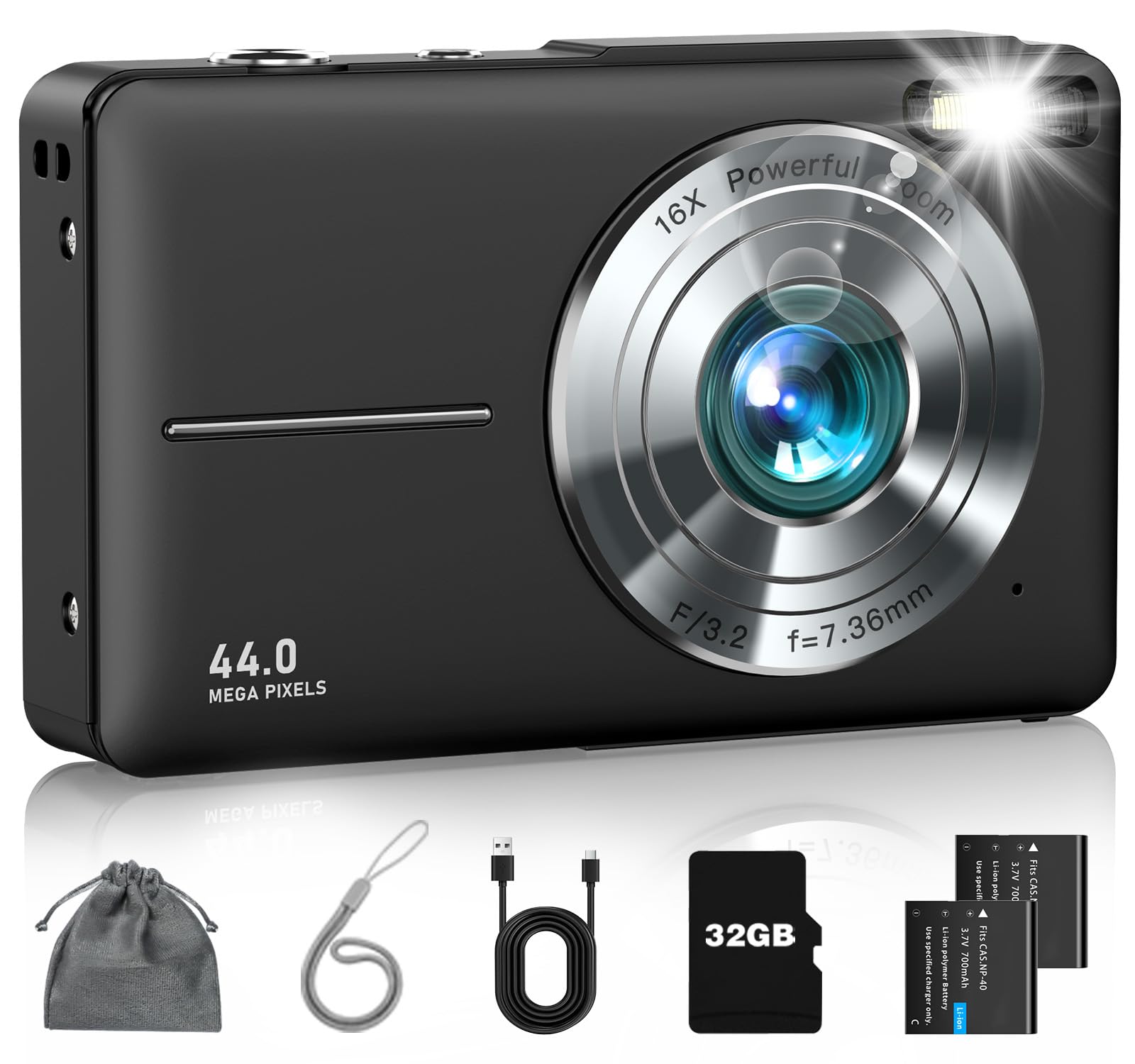

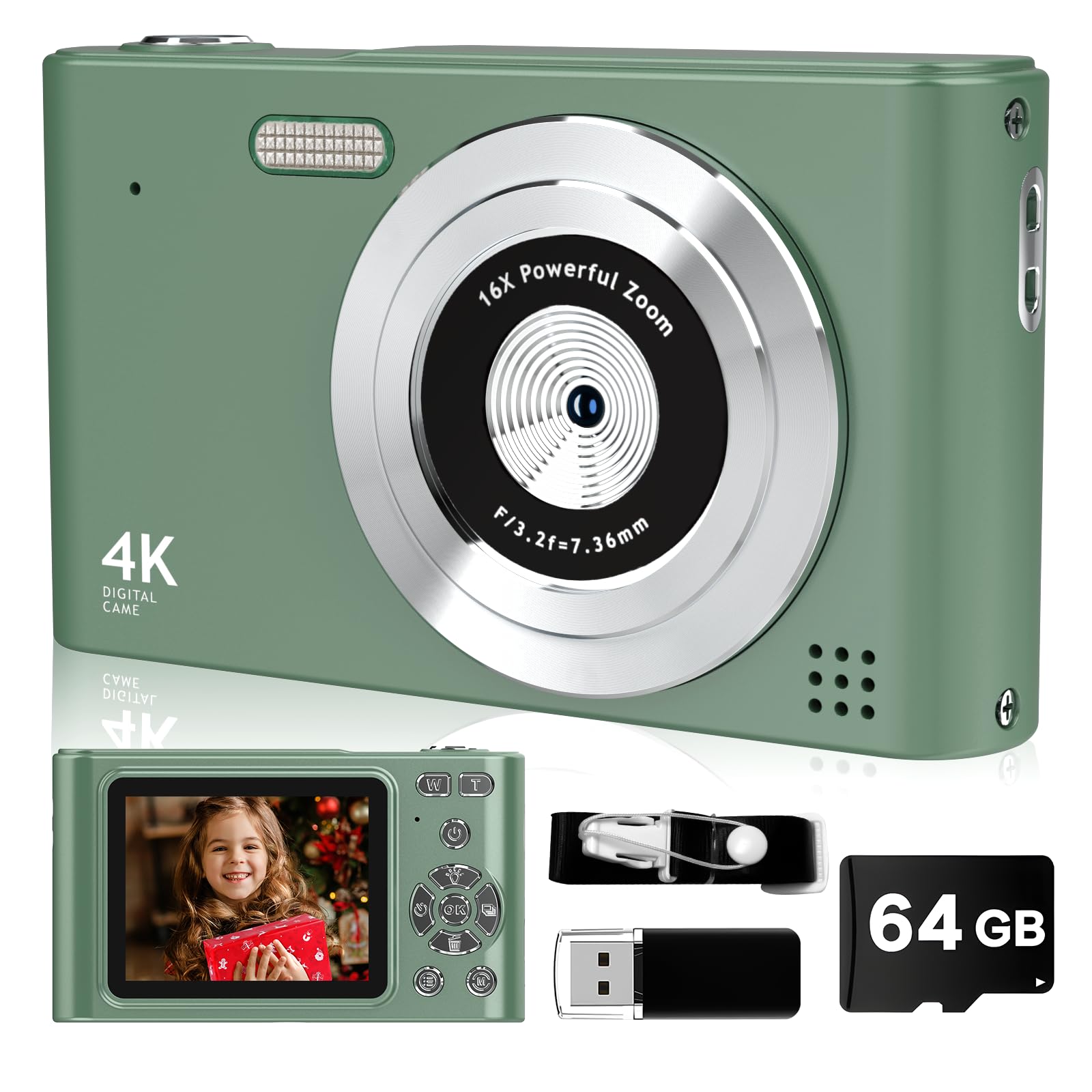
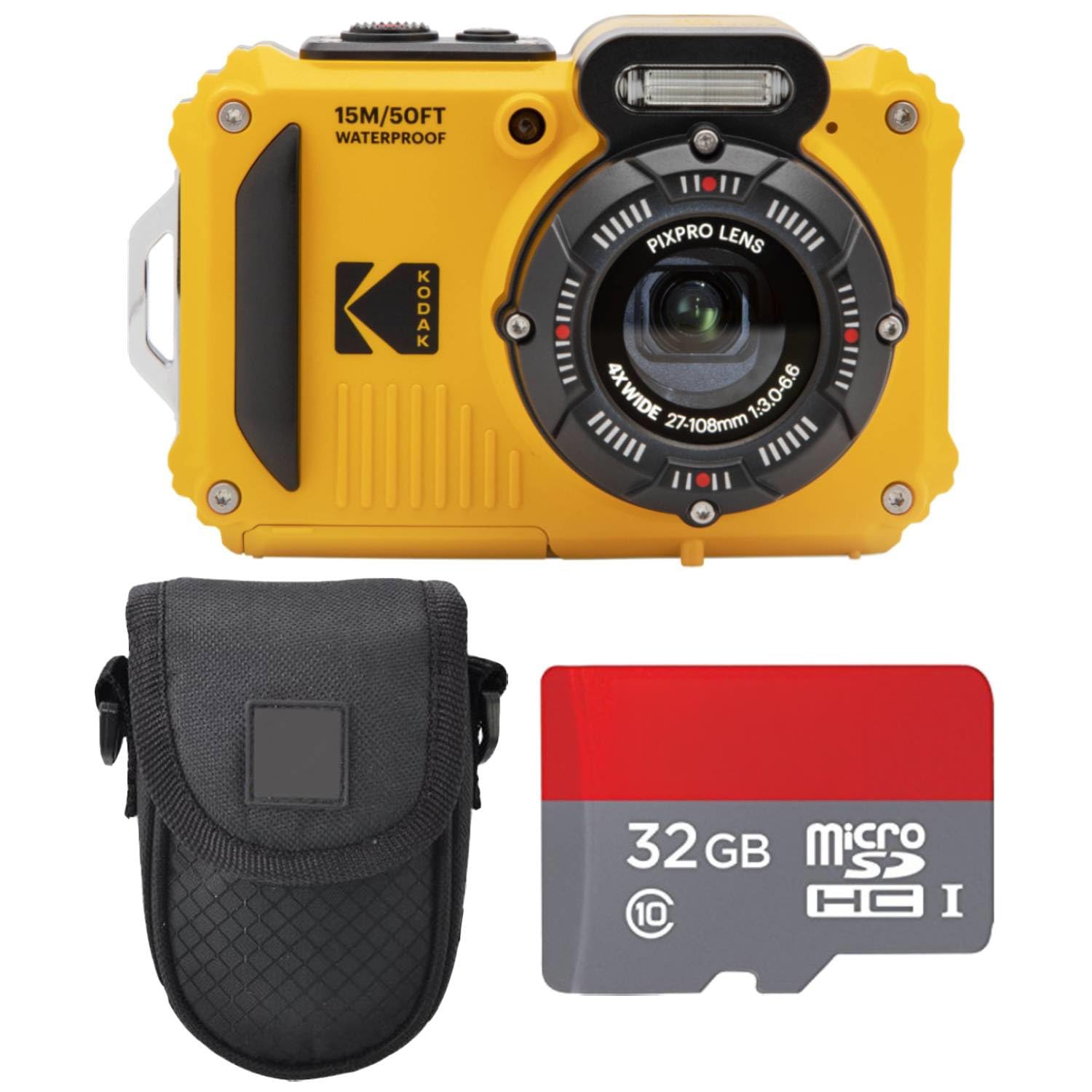

Spending Levels for Budget Cameras
Budget tiers describe what to expect, not which camera to buy. Match the tier to how often you shoot and how demanding your subjects are.
Simple Starts for Everyday Snaps
A low priced tier suits everyday snaps, holidays and family gatherings in good light. Expect a compact body, a modest zoom, simple automatic modes and a battery that covers a day of casual shooting. Low light results and fast action will be limited, so this tier works best when most photos happen outdoors or in bright rooms. It is a good way to learn what you enjoy shooting before spending more.
Everyday Value With Room to Grow
A middle tier adds a wider zoom range, faster autofocus, better low light results and more control over exposure when you want it. You may also get steadier video, a sharper screen and a more durable body. This tier suits regular shooters who take photos most weeks and want a camera that handles travel, events and indoor scenes without constant fuss. It is the sweet spot for many buyers who want quality without a steep learning curve.
Stretching Higher for Demanding Light
A higher tier suits low light events, fast moving subjects and large prints, where a larger sensor and a brighter lens make a visible difference. Expect cleaner high sensitivity images, quicker focus in dim rooms and more manual control for creative shooting. Spend here only if you often shoot in challenging light or print large, since bright daylight photos may look similar across tiers.
Choosing the Best Affordable Point and Shoot Cameras
Work through these factors in order, and give extra weight to the ones that match your main subject.
What You Can Realistically Get on a Budget
The best affordable point and shoot cameras usually give you a pocketable body, a useful zoom, reliable automatic exposure and decent daylight image quality. You may give up a very large sensor, a very bright lens, and advanced video tools. Do not cut corners on autofocus speed if you photograph children or pets, and do not cut corners on battery life if you travel. A camera around $200 to $400 often covers everyday shooting well, while demanding low light work may need a higher tier.
Sensor Size and Image Quality
Sensor size shapes how much light the camera gathers and how clean images look in dim conditions. A larger sensor usually gives smoother tones and less noise at high sensitivity settings, while a smaller sensor keeps the body and lens compact. Megapixels alone do not decide quality, since a modest pixel count on a larger sensor can beat a high pixel count on a tiny sensor.
Battery Life and Charging
Battery life is stated in shots per charge, and that figure drops with heavy screen use, video recording and cold weather. A camera that covers a full day of sightseeing without a recharge saves you from carrying a charger everywhere. Universal serial bus charging is handy on trips, since you can top up from a power bank or a laptop. For long days outdoors, a spare battery is a practical addition.
Lens and Zoom Range
The lens decides how wide a scene you can capture and how close you can pull a distant subject. Optical zoom uses the lens itself and keeps detail, while digital zoom crops the image and loses quality, so compare optical figures only. A wide end around 24 mm suits landscapes and rooms, while a longer end suits travel and wildlife at a distance. A bright maximum aperture, shown as a low f number, helps in low light.
Video Capabilities
Many compact cameras record high definition or ultra high definition video, but steady footage needs more than a resolution label. Look for effective stabilization, a microphone input if you record interviews or vlogs, and a screen that flips for self recording. Continuous autofocus during video matters for moving subjects, and a headphone check is useful for serious recording.
Low Light Performance
Low light performance depends on sensor size, lens brightness, stabilization and how the camera handles high sensitivity settings. A brighter lens lets in more light at the same shutter speed, and stabilization lets you use slower speeds without blur from hand movement. Check sample images at high sensitivity settings rather than trusting a maximum figure alone, since noise and detail loss vary widely.
Durability and Weather Sealing
Durability matters most for travel, beach trips and family use, where a camera faces sand, rain and drops. A sealed or toughened body resists splashes and dust better than a plain compact, though no budget camera is indestructible. Check the maker rating for water and shock resistance, and note whether the lens cover and battery door feel solid.
A padded case and a wrist strap add real protection for little cost and help a small camera survive everyday knocks. For a closer look at related compact types, see our guide to best point and shoot digital cameras.
Types of Point and Shoot Cameras
Each type below trades size, zoom and low light skill in a different way. Pick the trade that fits your shooting.
Basic Everyday Compacts
A basic everyday compact is small, light and simple, with automatic modes that handle exposure and focus for you. It suits holidays, parties and street snaps in good light, and it slips into a pocket or a small bag. Its limits show in dim rooms and fast action, where focus and noise fall behind larger designs.
Zoom Travel Compacts
A zoom travel compact pairs a long lens with a pocketable body, so one camera covers wide landscapes and distant landmarks. It suits travelers who want to pack light yet keep framing flexibility. The trade is a smaller sensor and a slower lens at the long end, which limits low light results.
Tough Waterproof Compacts
A tough waterproof compact is sealed against water, dust and drops, which suits beach days, hiking and family adventures. It trades some image quality and zoom range for durability, and its controls are often larger and easier to use with wet hands. It is the right pick when conditions matter more than ultimate sharpness.
Large Sensor Compacts
A large sensor compact uses a bigger sensor and often a brighter lens in a still portable body. It suits low light events, portraits and large prints. The trade is a higher price, a shorter zoom range and a larger body than a basic compact.
How to Make Your Point and Shoot Camera Last Longer
- Clean the lens with a proper lens cloth, not your shirt, since fabric and grit can scratch the coating over time.
- Carry a spare battery on long days, and store batteries at room temperature rather than in a hot car.
- Store the camera in a dry, padded bag, with a silica pack if you live in a humid climate.
- Update firmware when the maker releases it, since updates can improve autofocus and fix small faults.
- Use a wrist strap or neck strap every time you shoot near water, stairs or a busy street.
- Keep the camera away from sand and salt spray when you are not shooting, and wipe it down after beach use.
Follow the manufacturer's electrical safety guidance, keep small parts away from children, and charge only with a compatible charger and cable. For film based shooting, see our guide to best affordable point and shoot film cameras.
Point and Shoot Cameras: Your Questions Answered
Which camera type is better for low light?
A large sensor compact is usually better for low light, because its bigger sensor gathers more light and produces cleaner images at high sensitivity settings. A brighter lens helps further, since it lets the camera use a faster shutter speed or a lower sensitivity setting in the same light. A tough or travel compact can still work indoors with flash or steady support, but it will show more noise in dim rooms.
How much should I spend on my first point and shoot camera?
A first time buyer can start around $200 to $400 for a capable everyday compact that handles holidays and family photos well. That range usually buys reliable autofocus, a useful zoom and decent daylight quality without advanced controls you may not use yet. Spend more only if you often shoot in low light, need a very long zoom, or want a larger sensor for large prints.
What specs matter most for beginners?
Beginners should weigh autofocus speed, battery life, zoom range and simple controls ahead of headline megapixels or video resolution. Fast, reliable focus matters for children, pets and street scenes, while a full day battery matters for travel. A clear menu, a bright screen and a comfortable grip make the camera easier to learn and more likely to be used.
Is a smartphone enough instead of a point and shoot camera?
A smartphone is enough for casual snaps, quick sharing and good light photos, and its editing and sharing tools are hard to beat. A point and shoot camera still wins on optical zoom, battery endurance during long shooting days, and handling in bright sunlight or wet conditions. It also offers a dedicated grip, a real shutter button and often a larger sensor for cleaner low light images.
What does optical zoom range mean in plain terms?
Optical zoom range describes how much the lens itself can widen or narrow the view, without cropping the image and losing detail. A range stated as 24 to 200 mm, for example, covers wide rooms at the short end and distant subjects at the long end. A longer range gives more framing flexibility, but it often comes with a slower lens and a larger body.
Wrapping Up
Start with your main subject, then weigh sensor size, lens range, battery life and low light skill in that order. Best affordable point and shoot cameras reward buyers who pick a camera they will actually carry, since the best zoom or sensor means little if the camera stays at home. Use the product table above to compare the models that fit your budget and shooting style, and favor reliable focus and a full day battery over headline numbers. For a broader look at this category, see our guide to best cameras for point and shoot.