Best Electric Oven Range: A Complete Buying Guide
Disclosure: We may earn a commission when you buy through links on this page, at no extra cost to you. As an Amazon Associate I earn from qualifying purchases. Learn more
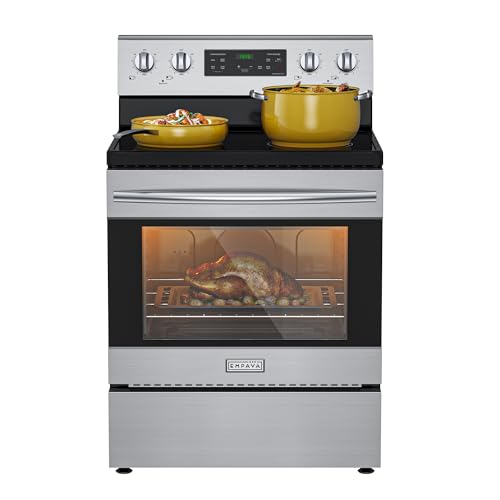
Shopping for a new range can feel more confusing than it should be. Terms like range, oven, cooktop, and wall oven get used interchangeably in stores and online listings, even though they describe different appliances. If you are looking at an electric oven range, you are looking at a single floor-standing unit that combines a cooktop on top with an oven underneath, not a built-in oven that mounts into your cabinetry. That distinction matters because it changes how the appliance installs, what it costs to swap in, and whether it will even fit the space you have now.
This guide walks through what actually separates one electric oven range from another: installation style, cooktop surface, oven capacity, and the practical fit questions that trip people up before delivery day. By the end, you will know exactly what to check before you buy an electric range for your kitchen.

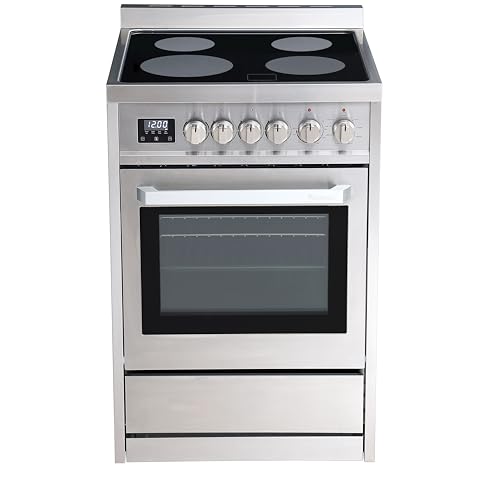
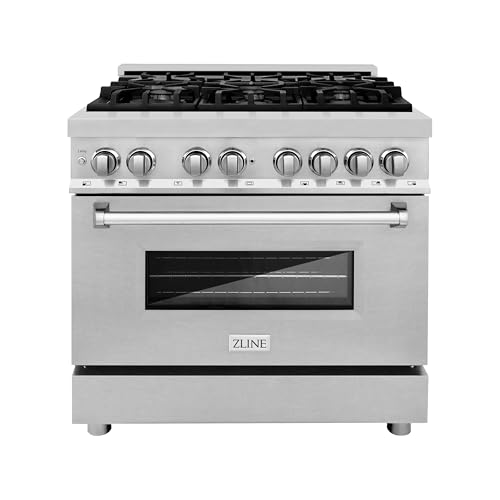
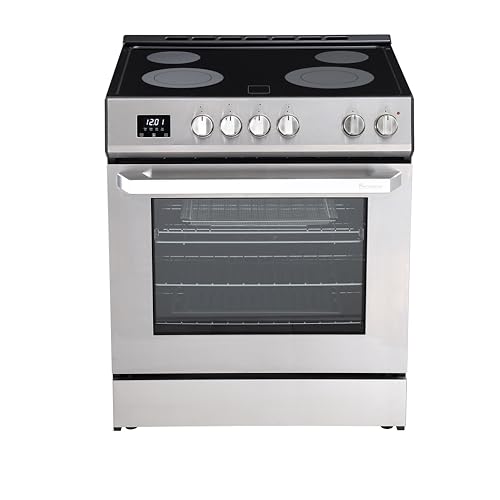
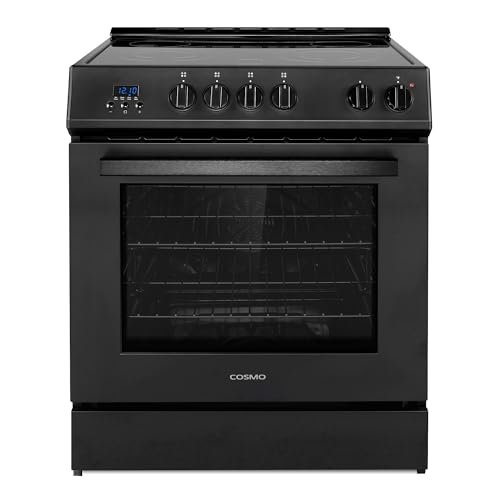


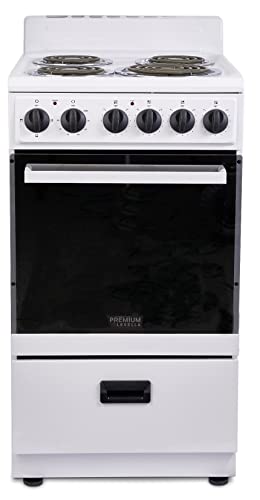
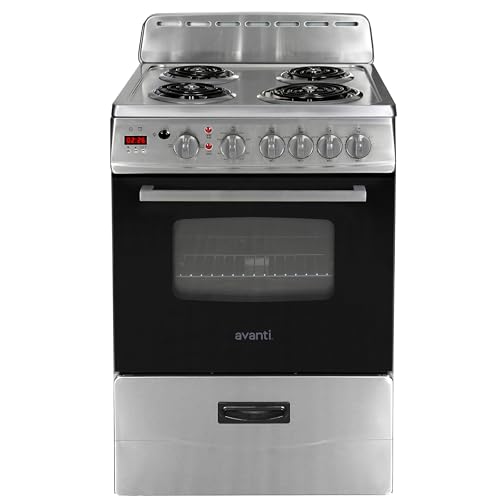
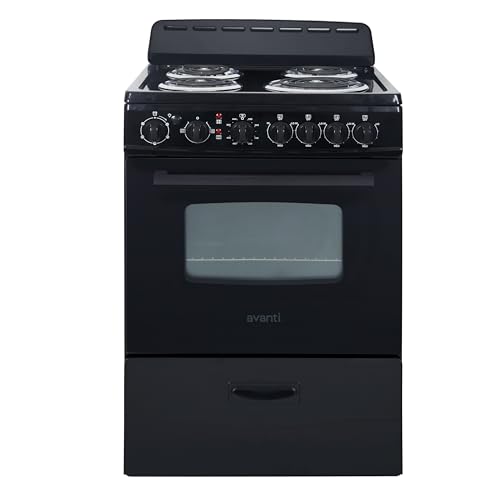

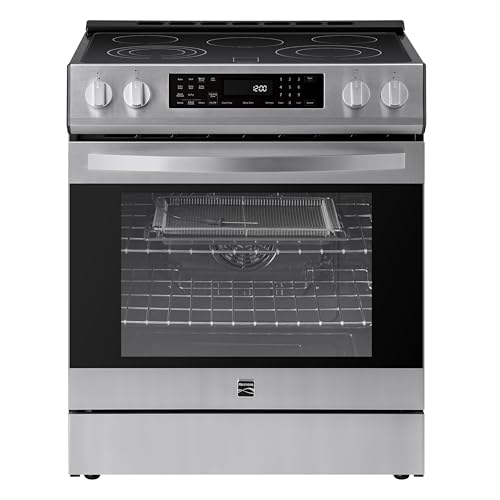
Freestanding vs. Slide-In: Understanding What an Electric Range Actually Is
Before comparing features, it helps to know exactly what category of appliance you are shopping for. An electric oven range is not the same thing as a wall oven, and mixing the two up is one of the most common mistakes shoppers make.
How a Range Differs From a Wall Oven
A range sits on the floor and combines the cooktop and oven into one appliance, plugged into a single dedicated outlet. A wall oven, by contrast, is built into your cabinetry at counter or eye level and is sold as a completely separate appliance from the cooktop. If you already have a cooktop built into your counter and are shopping for a separate oven to install into a cabinet, you actually want a wall oven, not a range. If you want one appliance that handles both cooking surface and baking without needing dedicated cabinetry, an electric range is the simpler, usually less expensive path.
Freestanding vs. Slide-In Installation
Within electric ranges, you will mostly see two installation styles. A freestanding range has finished side panels and a control panel on the back, so it can stand on its own between counters or even against a bare wall. A slide-in range has unfinished sides, since it is designed to sit flush between two sections of cabinetry with the counter appearing to run right up to it, and its controls sit at the front edge instead of the back.
Performance between the two is largely similar. The choice comes down to your kitchen layout and how the appliance will look. Freestanding models are the easiest and most flexible to install anywhere, including in kitchens without a fitted opening. Slide-in models give a more built-in, custom look but need an existing gap of the correct width to sit into.
Cooktop Surface: Coil, Smooth-Top, or Induction
The cooktop surface of an electric oven range is often the first thing people notice, and it affects both cooking performance and cleanup. Coil burners are the traditional, more affordable option. They conduct heat efficiently and are cheap to repair since individual coils and drip pans can be swapped out on their own. The tradeoff is that spills seep around and under the coils, making cleanup slower.
A smooth-top range replaces the coils with a flat glass or ceramic surface over hidden heating elements. It wipes clean easily and gives the range a sleeker look, which is why it has become the more common choice in newer kitchens. The downside is that the glass surface can scratch if you drag cast iron cookware across it, and a cracked or badly scratched cooktop is a more expensive repair than replacing a coil.
A smaller share of electric ranges use induction technology, which heats cookware directly through electromagnetic energy rather than heating the surface itself. Induction cooktops respond faster to temperature changes and stay cooler to the touch, but they only work with magnetic cookware like cast iron or many stainless steel pans, so it is worth checking your existing cookware before choosing this route.
Oven Capacity and Single vs. Double Configuration
Oven interior volume varies more than shoppers expect, even among electric oven ranges that look similar from the outside. Standard single-oven electric ranges typically offer enough interior space for a large sheet pan, a full-size turkey, or multiple casserole dishes at once. If you regularly cook for a large household or bake often, pay attention to the listed cubic footage rather than assuming bigger appliance means bigger interior.
Double oven ranges split the interior into two separate cavities stacked on top of each other, usually one larger and one smaller. This lets you run two different temperatures at once, which is genuinely useful around holidays or for households that cook multiple dishes daily. The tradeoff is a smaller footprint per cavity than a comparable single oven, plus a higher price and a taller overall unit that some kitchens cannot accommodate.
Before choosing between the two, think honestly about how often you actually need two ovens running simultaneously. Many households find that a single oven with strong capacity covers their needs, while double ovens shine mainly for people who host frequently or bake on a near-daily basis.
Self-Cleaning and Other Features Worth Prioritizing
Most modern electric oven ranges offer a self-cleaning cycle that uses very high heat, or in some cases steam, to burn off or loosen baked-on residue so you can wipe it away afterward. High-heat cycles run longer, often a couple of hours, while steam-based cycles finish faster but handle lighter messes better than heavy buildup. Either version saves real time compared to manual oven scrubbing, so it is worth prioritizing over skipping it entirely.
Convection is another feature worth understanding before you buy. A convection oven uses a fan to circulate hot air, which cooks more evenly and often faster than a standard oven, particularly helpful for roasting and multi-rack baking. Beyond that, look at how intuitive the control panel feels in the showroom, whether the range offers a warming drawer or storage drawer underneath, and how many cooking presets you would realistically use rather than ignore.
Confirming Fit: Dimensions, Power, and Ventilation
Even the right electric oven range on paper can turn into a headache if it does not physically fit your kitchen. Standard ranges are commonly sized to fit a 30-inch-wide opening, but always measure your existing cutout width, depth, and height clearance before ordering, especially if you are replacing an older or non-standard appliance.
Electric ranges require a dedicated 240-volt outlet, which is different from the standard household outlets used for most small appliances. If your kitchen currently has a gas range, or if you are moving a range to a new location, confirm with an electrician whether the correct outlet and circuit already exist or need to be added before delivery. This is one of the most common surprises people run into after their new range arrives.
Ventilation matters too, even though it is a separate purchase from the range itself. A range hood or downdraft vent helps clear heat, steam, and cooking odors, and it becomes more important as you use higher-output burners or bake more frequently. If you are also planning other kitchen updates around your new range, it is worth reviewing your ventilation setup and, if space allows, whether a counter-depth refrigerator would help the overall layout flow better.
Frequently Asked Questions
What is the difference between an electric range and a wall oven?
An electric oven range combines the cooktop and oven into one floor-standing appliance. A wall oven is a separate, built-in appliance installed into cabinetry, purchased apart from the cooktop.
What's the difference between a freestanding and a slide-in electric range?
A freestanding range has finished sides and back controls, so it can stand anywhere. A slide-in range has unfinished sides and front controls, designed to sit flush between existing cabinets.
Is a smooth-top electric range better than a coil range?
Neither is strictly better. Smooth-top ranges clean more easily and look sleeker, while coil ranges are typically cheaper to buy and repair. The right choice depends on your budget and how much you value easy cleanup.
Do electric ranges need a special outlet?
Yes. Electric ranges require a dedicated 240-volt outlet and circuit, which differs from standard household outlets. Confirm your kitchen has the correct wiring before your range is delivered.
Is a self-cleaning oven worth it?
For most households, yes. It saves significant time compared to manual scrubbing, though high-heat cycles can take a couple of hours and steam cycles work best on lighter messes.
How much oven capacity do I need?
A standard single oven fits most households comfortably, including large sheet pans and whole turkeys. Consider a double oven only if you regularly cook multiple dishes at different temperatures at once.
Making Your Decision
Choosing the right electric oven range comes down to matching the format to your kitchen rather than chasing every available feature. Confirm early whether you need a range at all or a separate wall oven, decide between freestanding and slide-in based on your layout, and prioritize the cooktop surface and capacity that fit how you actually cook. Get the electrical and dimensional details confirmed before you order, and the rest of the decision becomes far easier.