Best Counter-Depth Refrigerator: A Complete Sizing and Fit Guide
Disclosure: We may earn a commission when you buy through links on this page, at no extra cost to you. As an Amazon Associate we earn from qualifying purchases. Learn more
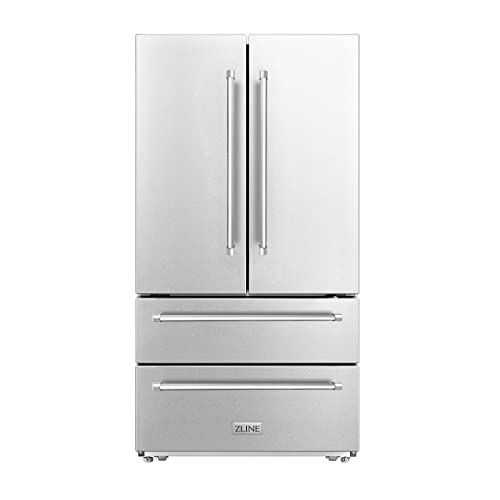
A sizing-focused buying guide to help you measure your kitchen and choose the best counter-depth refrigerator for a flush, space-saving fit.
If you have ever stood in your kitchen with a tape measure, staring at the gap beside your cabinets, you already know the problem. A refrigerator that sticks out six inches past your counters throws off the whole flow of the room, catches elbows during dinner prep, and makes an otherwise beautiful kitchen look unfinished. That is exactly the problem the best counter-depth refrigerator is built to solve. In this guide, you will learn how to measure your space correctly, what dimensions actually matter, which features affect fit and storage, and how to avoid the sizing mistakes that send people back to the appliance store.


Why Size Is the Most Important Factor When Choosing a Counter-Depth Refrigerator
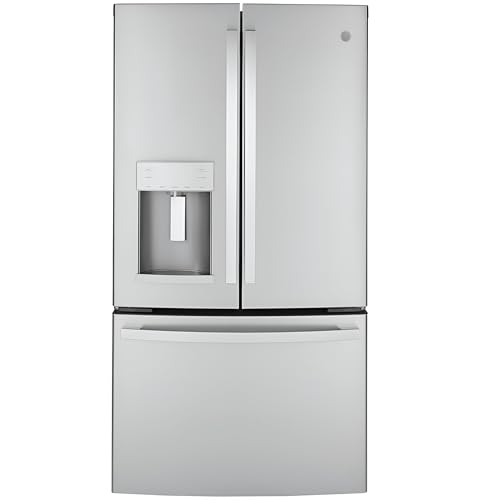
Most shoppers start by comparing finishes, ice maker styles, or smart features, but with a counter-depth refrigerator, the dimensions come first. Depth is the whole point of this category. A standard-depth refrigerator runs 30 to 36 inches front to back and typically juts out well past your countertop edge. A counter-depth model trims that down to roughly 24 to 30 inches, which lets the front of the fridge sit close to flush with your cabinets and countertops instead of protruding into the room.
That shallower body has ripple effects on everything else. Manufacturers compensate for the lost depth by building units wider and taller, which changes how much clearance you need on either side and overhead. Getting the counter-depth refrigerator sizing right the first time means fewer surprises during delivery and a kitchen that actually looks like it was designed as one cohesive space.
How to Measure Your Kitchen Space Before You Shop
Before you fall in love with a floor model, grab a tape measure, a notepad, and a helper. Measuring wrong is the single most common reason people end up returning a refrigerator or living with one that does not quite fit.
Measuring Depth
Start at the wall behind where the fridge will sit, not at the backsplash tile, and measure straight out to the edge of your countertop. This number tells you the maximum depth you can accommodate without the unit protruding. Most kitchens land somewhere between 24 and 25 inches here, which lines up well with the counter-depth category as a whole.
Measuring Width
Measure the width of your cutout or intended opening at the top, middle, and bottom, since cabinets and walls are rarely perfectly straight. Use the narrowest of the three readings as your true maximum. From that number, subtract about an inch total to leave a half inch of breathing room on each side for airflow and for the doors to open and close without scraping.
Measuring Height
Measure from the floor up to the bottom of any cabinet or soffit that sits above the refrigerator's future home. Subtract roughly a half inch from that figure so the unit has room to vent properly and so you are not forcing an exact, zero-clearance fit that can trap heat.
Checking Door Swing and Clearance
This step gets skipped constantly, and it causes real headaches. If one side of the refrigerator will sit against a wall or a tall cabinet, leave at least two to two and a half inches of clearance on the hinge side so the door can swing fully open. Also plan for roughly an inch of space behind the unit for ventilation, since a counter-depth refrigerator run flush against drywall with no airflow will work harder and run less efficiently over time.
What to Look for Beyond the Numbers
Once you know your opening's exact dimensions, you can start narrowing down features that affect how well a given model will actually work in that space.
Flush Fit and Cabinet Alignment
Not every counter-depth refrigerator sits perfectly even with your counters. Some models get close but still extend an inch or two past the edge once you account for door handles. If a seamless, built-in look matters to you, check the manufacturer's spec sheet for depth measurements both with and without handles, and compare that number directly against your own countertop measurement.
Storage Capacity Trade-offs
A shallower cabinet naturally holds less than a deep one, so counter-depth models generally offer somewhat less interior volume than standard-depth units of the same width. Manufacturers offset this with taller cabinets, wider door bins, and smarter shelf layouts, but it is still worth thinking honestly about how much weekly grocery volume your household actually needs before you fall for a sleek profile that leaves you short on space.
Ventilation Needs
Because the whole appeal of this category is a tight, built-in fit, ventilation deserves extra attention. Check where the unit's vents are located, front-mounted grilles versus top or back panels change how much clearance you truly need, and follow the manufacturer's minimum clearance specs rather than guessing.
Door Configuration and Swing Room
The way a refrigerator's doors open has a direct effect on how much floor space you need to reserve around it. French door and side-by-side models open narrower per door than a single wide door would, which can be a real advantage in a tight galley kitchen or next to a kitchen island where you cannot spare much swing room.
Types of Counter-Depth Refrigerators by Door Configuration
Beyond raw dimensions, the door layout you choose shapes both storage habits and how the unit fits your traffic flow.
French Door Models
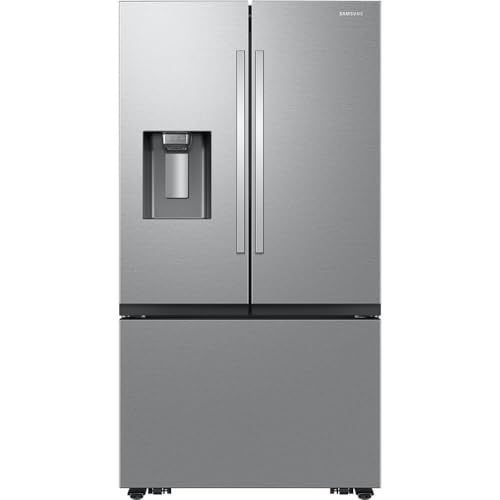
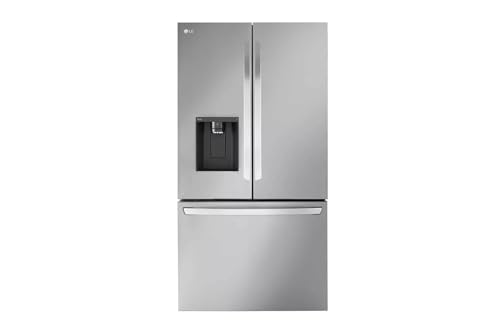
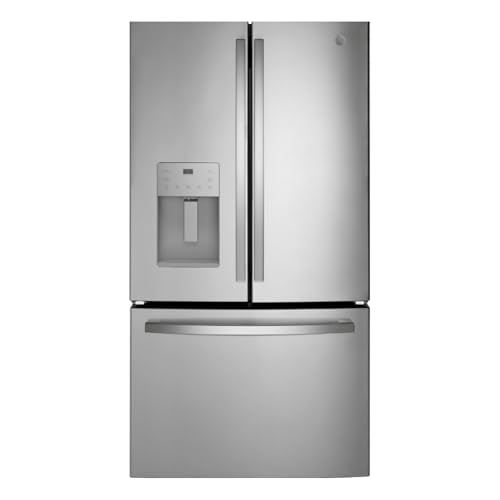
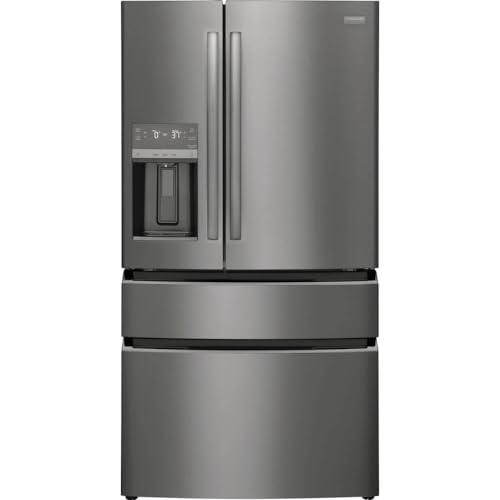
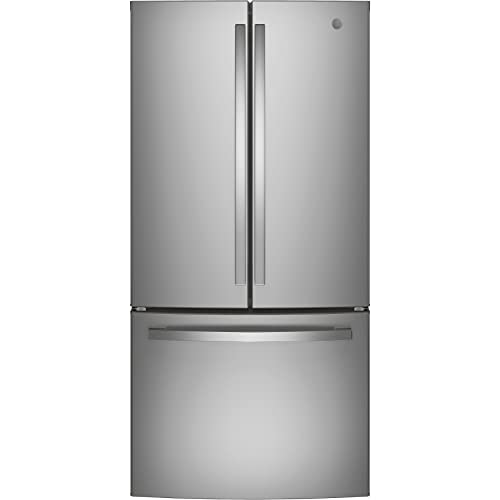
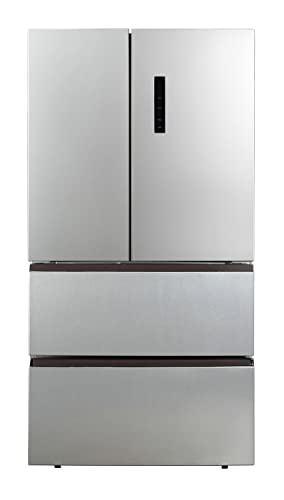
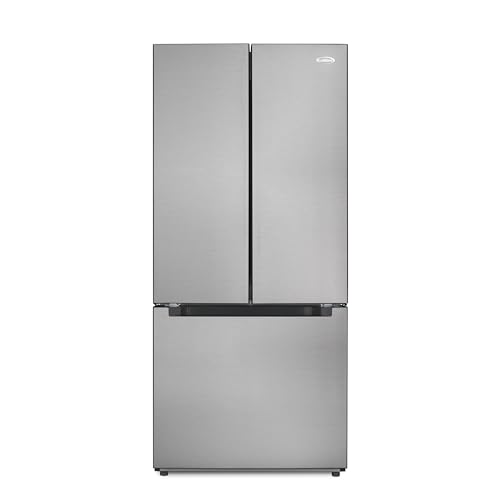
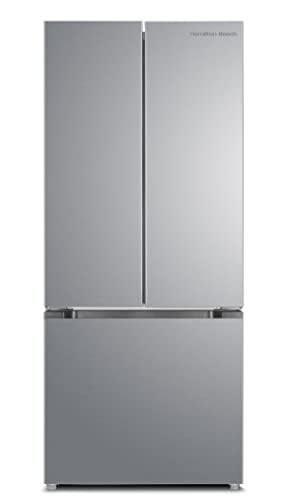
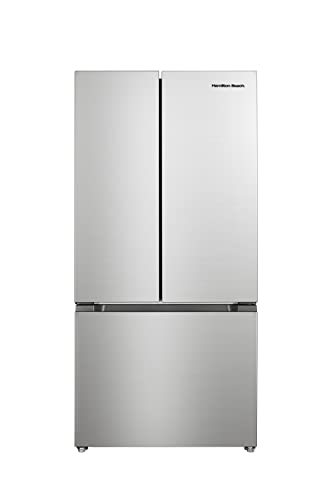
French door units split the refrigerator section into two narrower doors above a pull-out freezer drawer. Because each door swings open only half as far as a single wide door would, this style tends to work especially well in kitchens with limited clearance on one or both sides. If you like the drawer-freezer layout, it is worth comparing full French door refrigerators with a bottom freezer drawer to see how their width and depth specs stack up against your measurements.
Side-by-Side Models
Side-by-side refrigerators place the fresh food and freezer compartments in two narrower vertical columns. Each door swings less than a single wide door, which is handy in tight spots, but the narrow shelves can make it harder to store wide platters or sheet pans.
Bottom Freezer and Top Freezer Models
A single wide door on the fresh food section, paired with a freezer drawer or compartment below or above, tends to offer the most usable shelf width for large items. The trade-off is that a single door needs more swing clearance on at least one side, so double check your measurements if you are considering this layout.
Tips for Maximizing Space in a Compact Footprint
Once your new refrigerator is in place, a few habits help you get the most out of that shallower cabinet. Group items by how often you reach for them and keep everyday staples at eye level rather than buried behind taller bottles. Use clear, stackable bins on the shelves so you are not losing depth to awkward gaps, and reserve the door bins, which run a bit warmer, for condiments and beverages rather than dairy or eggs.
If your household regularly runs out of freezer space once you switch to a shallower unit, a standalone upright freezer tucked into a garage or basement can absorb the overflow without forcing you into a bigger, deeper refrigerator than your kitchen layout can handle.
The same logic applies to beverage storage. Rather than sacrificing fresh food space to chill drinks or bottles, many households add a compact dual zone wine fridge elsewhere in the kitchen or a nearby bar area.
Common Sizing Mistakes to Avoid
The most frequent mistake is measuring only the width of the opening and skipping depth and height altogether, which leads to a refrigerator that technically fits but blocks a cabinet door or drawer. A close second is forgetting to measure for the doors themselves, not just the box, especially if there is a nearby wall, pantry, or a kitchen island that limits how far the doors can realistically swing.
Another common slip is assuming all counter-depth models share the same depth. The category spans a real range, and a few extra inches can be the difference between flush and protruding. Finally, do not ignore the manufacturer's stated clearance requirements for ventilation in an effort to squeeze a slightly too-wide unit into a tight opening. That shortcut tends to shorten the appliance's lifespan and can quietly increase energy use.
Frequently Asked Questions
What is the standard depth of a counter-depth refrigerator?
Most counter-depth refrigerators measure between 24 and 30 inches deep, compared to 30 to 36 inches for standard-depth models. Always check whether the manufacturer's listed depth includes the door handles.
Do counter-depth refrigerators have less storage space?
Generally yes, though the difference is often smaller than shoppers expect. Manufacturers add width and height to counter-depth models to help offset the shallower body, so overall capacity often lands only a few cubic feet below a comparable standard-depth unit.
How much clearance do I need on the sides of a counter-depth refrigerator?
Plan for roughly a half inch to one inch of clearance on each side for airflow, plus two to two and a half inches on the hinge side if a wall or tall cabinet limits the door swing.
Will a counter-depth refrigerator fit flush with my cabinets?
Most models come close but do not sit perfectly flush once handles are factored in. Compare the manufacturer's depth-with-handles spec against your own countertop measurement for the most accurate expectation.
What configuration is best for a small kitchen?
French door and side-by-side layouts generally need less door swing clearance per door than a single wide door, which makes them a practical choice for galley kitchens or spaces near an island.
Do counter-depth refrigerators cost more to run than standard models?
Not inherently. Energy use depends more on insulation quality, compressor efficiency, and proper ventilation clearance than on depth alone, so a well-ventilated counter-depth unit can run just as efficiently as a standard-depth one.
Final Thoughts
Choosing the best counter-depth refrigerator really comes down to getting your measurements right before you start comparing features. Once you know your true depth, width, height, and clearance needs, you can shop with confidence and focus on the configuration, capacity, and ventilation setup that will actually work in your kitchen for years to come.