
Best Dryer Vent Hose: What Actually Matters Before You Buy in 2026
Disclosure: We may earn a commission when you buy through links on this page, at no extra cost to you. As an Amazon Associate I earn from qualifying purchases. Learn more

The best dryer vent hose picks from Eastman, Steelsoft and Jeevony, with a fire safety checklist and red flags.
The short hose behind your dryer does more than carry warm air outside. It also carries lint, and a crushed, sagging or plastic hose that traps lint is a leading factor in home dryer fires. Choosing the right connector means thinking about material, length, airflow and how easily you can clean it. This guide to the best dryer vent hose lays out the checklist we use to judge hoses and names three picks that pass.
We explain each criterion, then share our picks, a quick buyer checklist, red flags, fire safety tips and common questions. Never use white vinyl or plastic duct for a clothes dryer, clean the lint screen every load, have the full vent run cleaned at least once a year and never vent a gas dryer indoors, since exhaust can contain carbon monoxide.





How We Evaluate the Best Dryer Vent Hose
We score each hose on material and fire safety, length, airflow, crush resistance, installation, connections and value. Here is what good and poor look like.
Material and Fire Safety
Material is the most important factor. Rigid metal duct is best for runs inside walls.
For the short transition hose between dryer and wall, choose semi rigid aluminum, like Eastman's ArmorFlex, Hon and Guan's and HOOMESUN's semi rigid ducts, or heavy foil aluminum, like Steelsoft's extra thick hose, which it says withstands up to 215°F. Jeevony lists a zero flame spread aluminum foil hose. Look for transition ducts listed to UL 2158A, the safety standard for dryer transition ducts.
Good: all metal semi rigid or heavy foil aluminum. Poor: vinyl, PVC or plastic coated hoses, which can melt or burn.
Length and Diameter
Nearly all home dryers use 4 inch ducts. Keep the transition hose as short as possible; many codes limit it to about 8 feet and require it to stay visible, not inside walls. Steelsoft sells a 3 foot hose, Hon and Guan offers 5 and 8 foot semi rigid lengths and Eastman, HOOMESUN and Builder's Best sell 8 foot lengths. Most codes also limit total exhaust duct length, often 25 to 35 feet, minus about 5 feet for each 90 degree elbow; check your dryer manual and local code.
Airflow and Crush Resistance
Smooth, open airflow dries clothes faster and keeps lint moving. Semi rigid ducts hold their shape, which is why Hon and Guan and HOOMESUN market them for improved airflow. Steelsoft says its narrower accordion folds create a larger inside diameter and less pressure drop. Thin foil that crushes behind the dryer chokes airflow and traps lint.
Good: a hose that keeps its round shape when the dryer is pushed back. Poor: thin foil that kinks easily.
Ease of Installation in Tight Spaces
Dryers often sit just inches from the wall. Magnetic coupling kits, like Jeevony's DV180, snap the hose to a wall plate so you can push the dryer close and pull it out for cleaning. Jeevony says its kit covers vent offsets from 0 to 8 inches center to center. Periscope vents, like the adjustable 21 to 38 inch stainless model, run flat behind the dryer when the dryer and wall outlets do not line up.
Clamps and Connections
Secure, airtight connections keep lint inside the duct. Steelsoft includes two tool free clamps you twist by hand, and Jeevony includes stainless steel clamps plus a wall assembly with a built in seal ring. Never use screws that poke into the duct, since they catch lint. Seal joints with aluminum foil tape, not cloth duct tape.
Cleaning Access
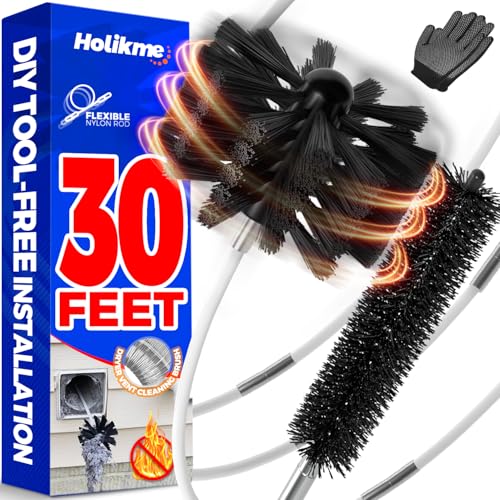
Easy access encourages regular cleaning. Magnetic couplings let you disconnect in seconds, and short hoses are easy to remove and shake out. Pair your hose with a vent brush kit, like Holikme's, whose flexible rods extend up to 30 feet to clear the full run.
Price and Value
Basic aluminum transition hoses cost around $9 to $15, semi rigid 8 foot ducts around $15 to $24 and magnetic coupling kits around $32 to $40. Periscope vents cost around $69. All are cheap compared with the cost of a dryer fire or a dryer that runs extra cycles because of a clogged vent.
3 Picks That Pass Our Checklist
Our picks are the Eastman 8 Foot ArmorFlex Dryer Vent as the best overall, the Steelsoft Heavy Duty 3 Foot Dryer Vent Hose as the best value and the Jeevony Magnetic Dryer Vent Coupling DV180 as the best premium pick.
We compared material, length, airflow, crush resistance, connections, installation and price, along with the overall pattern in owner feedback. We did not install these hoses ourselves; the notes reflect maker specifications.
Best Overall: Eastman 8 Foot ArmorFlex Dryer Vent
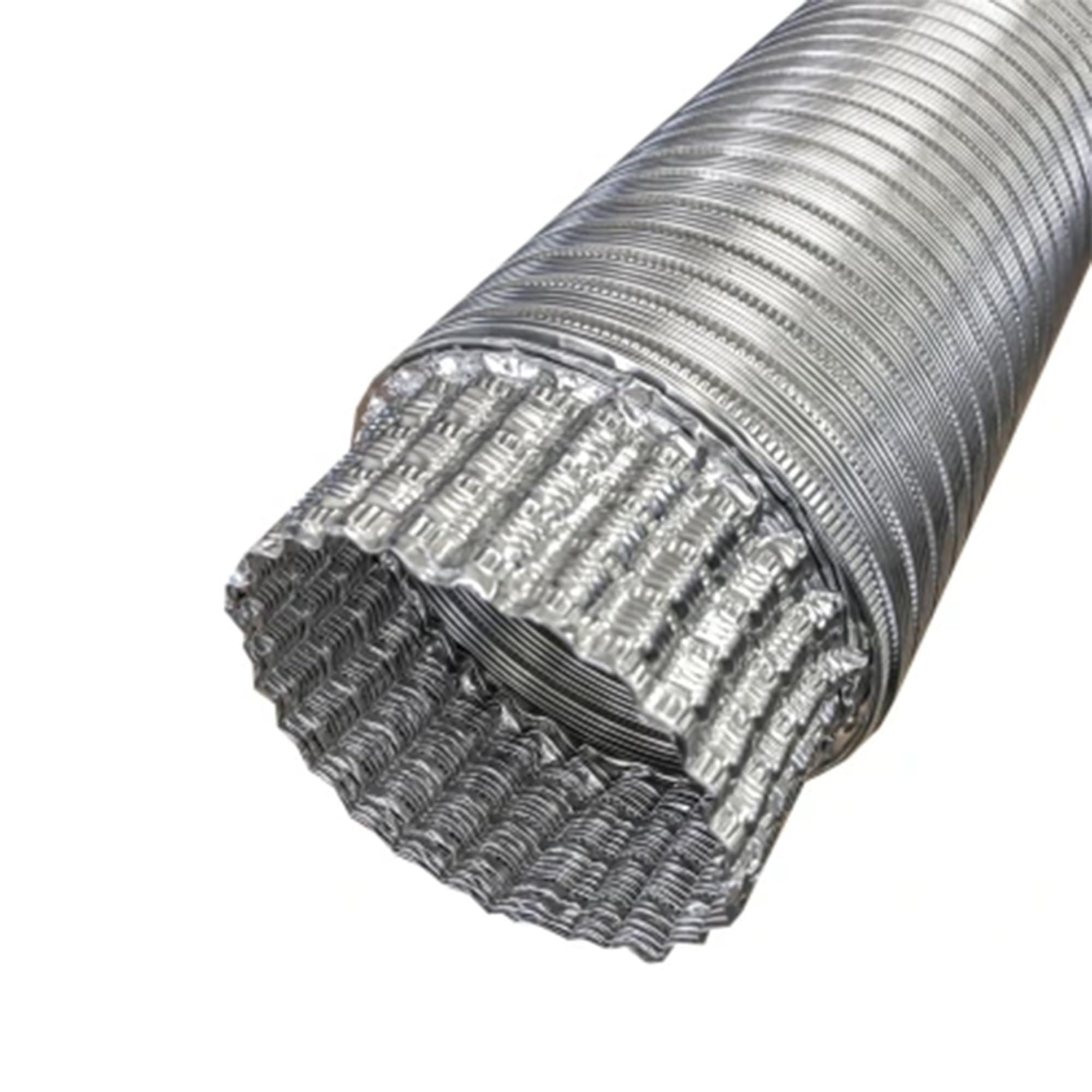
The Eastman ArmorFlex suits most laundry rooms where the dryer sits a few feet from the wall vent, at around $15. Eastman lists a semi rigid flexible aluminum duct in an 8 foot length with clamps included, model 69028. Semi rigid aluminum holds its shape better than thin foil, which helps airflow and lint movement, and it can be cut to the shortest length your setup needs.
Two strengths stand out: all aluminum construction and a low price for an 8 foot semi rigid duct.
The limitation is that semi rigid duct is stiffer, so very tight spaces may need a magnetic coupling or periscope instead.

Best Value: Steelsoft Heavy Duty 3 Foot Dryer Vent Hose
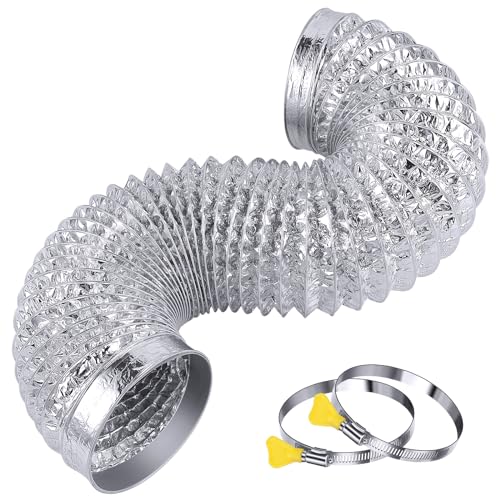
The Steelsoft hose suits short connections where the dryer sits close to the wall, at around $9. Steelsoft lists extra thick aluminum with a wire helix that it says is twice as thick as many 3 ply options, resistance to tears and punctures, heat resistance up to 215°F, narrower accordion folds for a larger inside diameter and less pressure drop and two tool free hose clamps.
Its strengths are a very low price and a short length that limits lint buildup.
The trade off is a foil design that can still crush if the dryer is shoved against it.

Best Premium Pick: Jeevony Magnetic Dryer Vent Coupling DV180
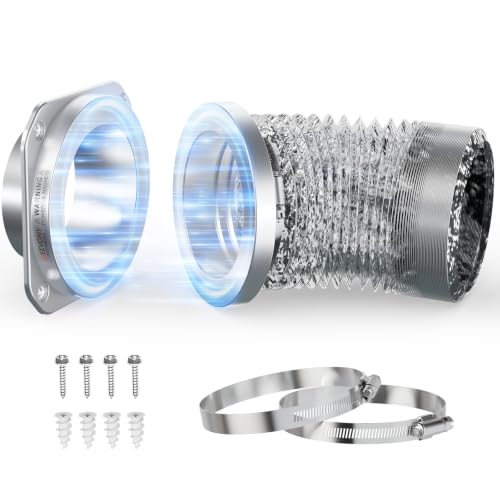
The Jeevony DV180 suits tight laundry closets and homeowners who want fast access for cleaning, at around $40. Jeevony lists a magnetic self aligning connector for quick connect and disconnect, an aluminum alloy shell, a zero flame spread aluminum foil hose, stainless steel clamps, a wall assembly with a built in seal ring and a 2.6 foot 4 inch hose that covers offsets from 0 to 8 inches. It includes wall anchors and screws and a 1 year warranty against manufacturing defects.
The appeal is pushing the dryer close to the wall without crushing the hose and pulling it out easily for cleaning.
The limitation is a higher price and a short hose that suits only close setups.

Quick Buyer Checklist
Is the hose all metal? Avoid vinyl and plastic.
Is it 4 inches in diameter? Match your dryer outlet.
Is it as short as possible? Shorter hoses trap less lint.
Will it hold its shape behind the dryer? Semi rigid resists crushing.
Are clamps included? Avoid screws through the duct.
Can you reach it to clean? Magnetic couplings make it easy.
Does your setup need an offset solution? Consider a periscope.
Red Flags to Watch For
White vinyl or PVC sleeves. Plastic ducts are a fire hazard for dryers.
Thin 3 ply foil with no wire support. It tears and crushes easily.
Vague heat ratings. Look for stated temperature limits or safety listings.
Very long transition hoses. Twenty plus feet of flexible hose traps lint.
Indoor vent kits sold for any dryer. These suit only electric dryers, never gas.
Choosing Dryer Vent Hoses for Your Situation
Here is what to check when fire resistance is your top concern.
Best Fire Proof Dryer Vent Hoses: What to Check
The best fire proof dryer vent hoses are all metal, short and easy to clean. No hose is truly fireproof, but rigid or semi rigid aluminum resists heat far better than plastic. Look for UL 2158A listing or stated flame spread ratings, like Jeevony's zero flame spread foil, and keep the run short and straight.
How to Make Your Dryer Vent Hose Last Longer
Clean the lint trap every load. Less lint reaches the hose.
Clean the hose and vent yearly. Use a brush kit or hire a pro.
Don't crush the hose. Leave space behind the dryer or use a magnetic coupling.
Don't overload the dryer. Overloading pushes more lint through the vent.
Check the outdoor flap. Make sure it opens freely and is not blocked by lint or nests.
FAQs
What size dryer vent hose do I need?
Most home dryers need a 4 inch diameter hose. Measure the distance from the dryer outlet to the wall vent and buy the shortest hose that reaches without stretching or kinking, such as a 3 foot or 5 foot length for close setups and 8 feet at most for a transition hose.
Is semi rigid or foil dryer vent hose better?
Semi rigid aluminum is better for most homes because it holds its shape and keeps airflow smooth. Heavy foil hoses, like Steelsoft's, are more flexible for tight bends. Both beat vinyl, which should never be used for dryers.
How often should I replace a dryer vent hose?
Replace the hose if it is crushed, torn or made of plastic, and inspect it each year when you clean the vent. A well cared for aluminum hose can last many years. Replace foil hoses sooner if they show tears or pinholes.
Can I vent my dryer indoors?
Only electric dryers can be vented indoors with an approved indoor vent kit, and even then they add moisture and fine lint to the room. Gas dryers must always vent outside, since exhaust can contain carbon monoxide. Venting outdoors is best for every dryer.
Final Thoughts
The best dryer vent hose is all metal, as short as possible and easy to reach for cleaning. Eastman's ArmorFlex is the best overall semi rigid duct, Steelsoft's 3 foot hose is the best value for close setups and Jeevony's magnetic DV180 coupling is the premium pick for tight spaces.
For more laundry guides, see the best clothes dryers, the best combo washer dryers, the best dryer balls and the best dryer sheets for smell. Then compare current prices in the product table above.


