
Best Chimney Range Hoods (2026): Types, Sizes, and Venting
Disclosure: We may earn a commission when you buy through links on this page, at no extra cost to you. As an Amazon Associate I earn from qualifying purchases. Learn more

Choose the best chimney range hood by comparing wall mount, island, and convertible types, widths, airflow, and ductwork, with a quick checklist.
A chimney hood has to clear steam and cooking smells from a busy family kitchen, fit the wall or island you actually have, and stay simple to wipe down after dinner. Choosing the best chimney range hood comes down to your space, how many people you cook for, and what your home allows for ductwork. The comparison table below sums up the main types side by side.
For broader background before you settle on a chimney design, see our guide to the best range hood. Here the focus stays on space, routine, and budget.


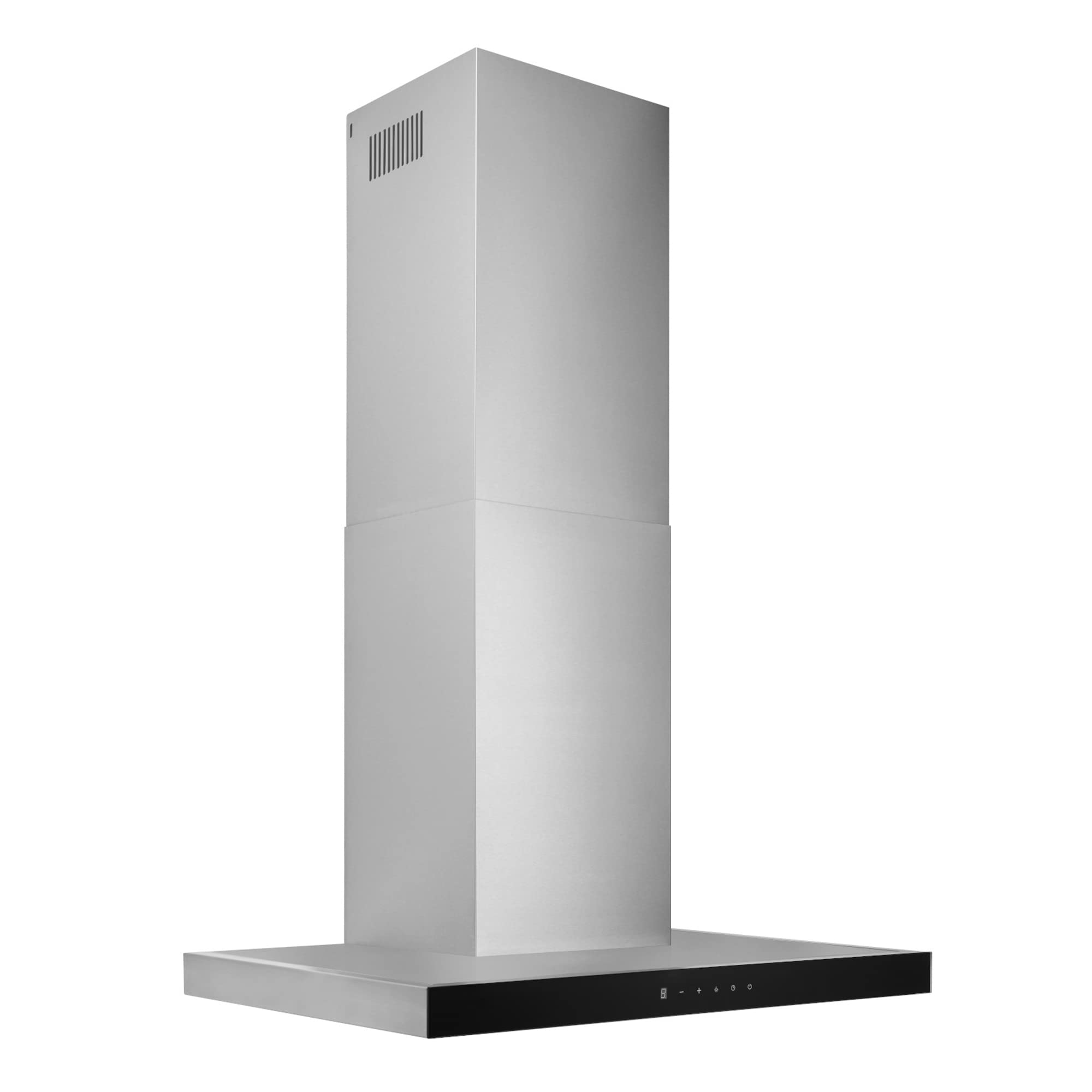


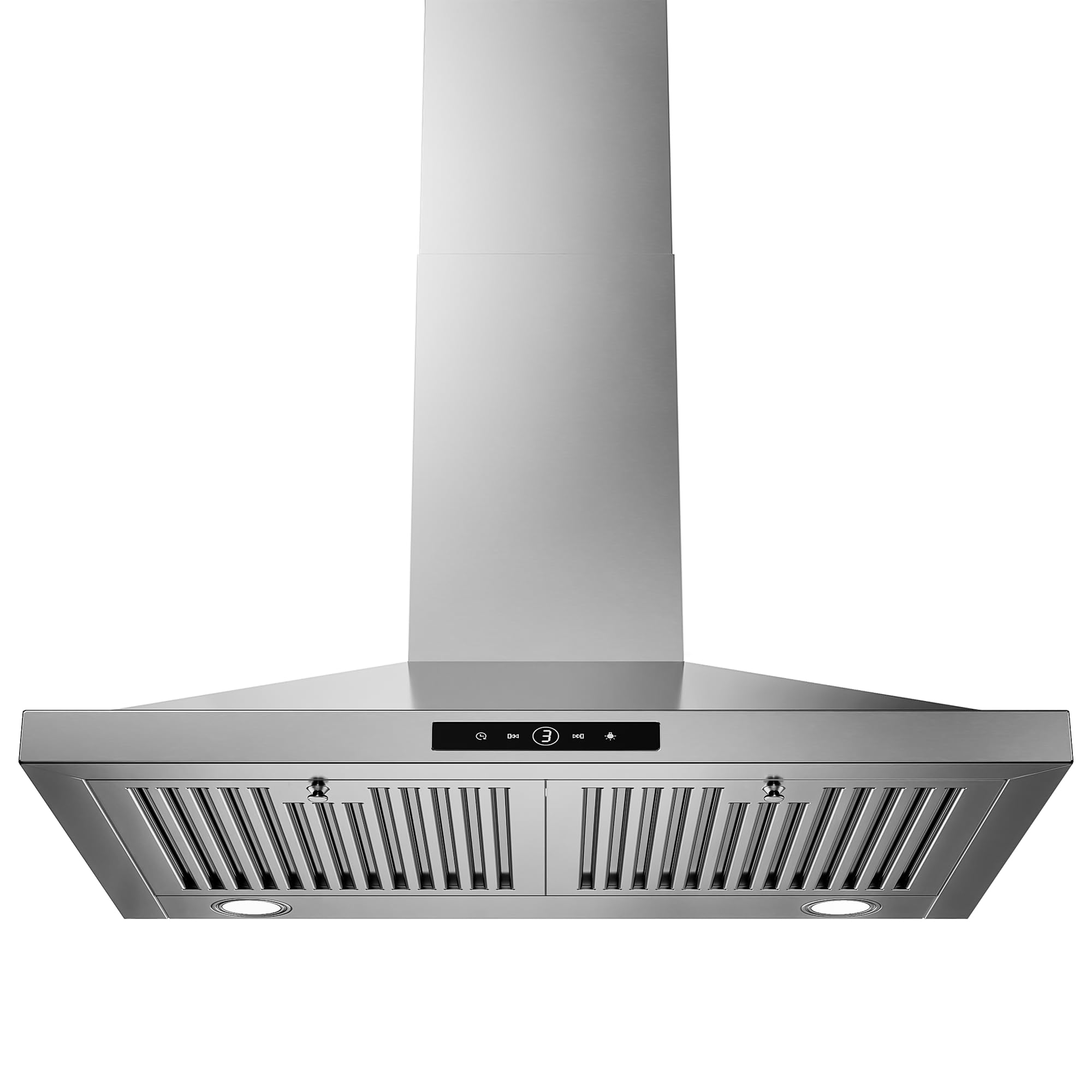
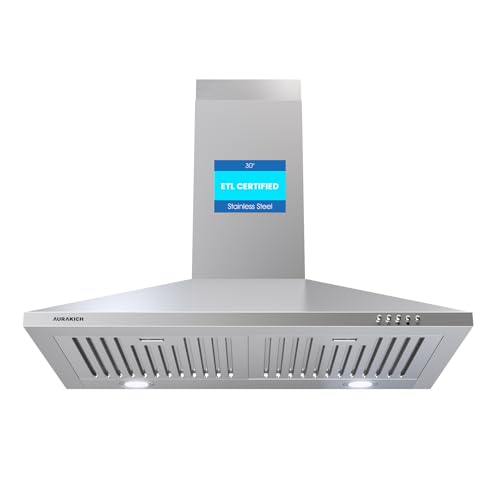
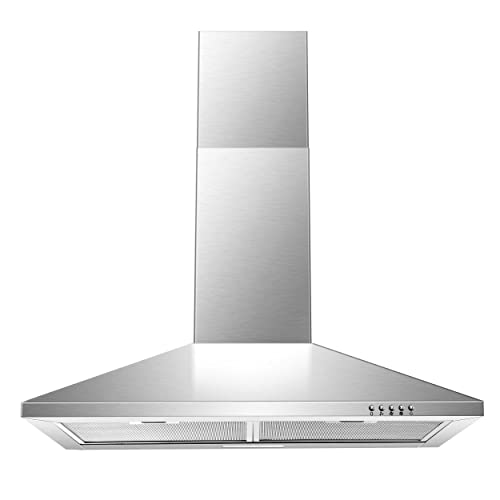


Quick Answer: Chimney Hood Types in Brief
Most homes do well with a wall mount chimney hood in the 30 inch or 36 inch width, ducted outside, with airflow of about 400 to 600 cubic feet per minute. Island homes need a ceiling mount version with finished sides. Homes without ductwork can use a convertible model with carbon filters, though it will clean odors less fully than a ducted hood.
Work in three steps. Confirm width and ceiling height, then whether a duct can run outside, then only the features your household will use each week.
Before You Buy: A Quick Checklist for Choosing a Range Hood
The checklist below follows the order that prevents costly returns. Size and ductwork come first, because no feature can fix a hood that does not fit or cannot vent.
Size: Match It to Your Space
Start with the width of your cooktop, then choose a hood that is at least as wide. A 30 inch range usually pairs with a 30 inch hood, and a 36 inch range pairs with a 36 inch hood. Smaller 24 inch models suit compact apartments, while 42 inch and 48 inch widths cover large ranges and give extra capture at the edges, which helps when several burners run at once.
Which Type Fits Your Routine
Wall mount chimney hoods are the most common choice for a range set against a wall, and they leave the area above the cooktop open. Island models hang from the ceiling and are finished on all sides, so they cost more and need solid ceiling support. Convertible models can vent outside or recirculate indoors, which gives renters and condo owners flexibility. Stainless steel is the usual finish because it resists heat and wipes clean, while black finishes can show dust more clearly.
Features Worth Paying For and Features You Can Skip
Bright LED lights are worth having, because they light the cooktop without much heat and they last a long time. Baffle filters and sturdy mesh filters are also worth it, since both trap grease well and many can be washed and reused. A heat sensor that raises fan speed on its own can help during long searing sessions. A remote is less useful in a small kitchen where controls are within reach, and decorative glass wings add cost without adding capture, so many households can skip both.
Measurements and Compatibility With Your Setup
Measure from the cooktop surface to the spot where the hood body will sit, and follow the maker guidance for that distance, often about 24 to 30 inches for electric cooktops and a little more for gas. Check ceiling height next, because the chimney section must reach the ceiling without a gap, and taller ceilings may need an extension kit. Confirm the duct size the hood expects, often 6 inches round, and note where the duct can exit. Our overview of how to install a range hood shows the usual duct paths.
Certifications and Safety Marks
Look for a listing mark from UL or ETL, which shows the hood has passed electrical and fire safety checks for home use in the United States. Airflow and sound ratings certified by the Home Ventilating Institute give you numbers you can compare across brands, rather than claims with no test basis. Keep the manual after installation, because warranty service may ask for model details.
Doing It Yourself Versus Hiring a Professional
A confident homeowner can mount a wall hood and connect a short, straight duct with basic tools and a helper to hold the weight. Work that adds new ductwork through a roof, moves wiring, or cuts into a ceiling for an island hood is better left to a licensed contractor. Expect labor to be a large share of the total when ductwork is new. Our breakdown of range hood installation cost explains what drives quotes up or down.
Realistic Budget Ranges
Basic chimney hoods at about $200 to $400 usually cover standard widths, simple controls, and mesh filters, and they suit light to moderate cooking. Models at about $400 to $700 tend to add stronger airflow, baffle filters, quieter fans, and better lighting. Above about $700, you are mostly paying for island mounting, larger widths, thicker steel, and quieter operation at high speed. Set aside part of the budget for duct parts, an extension kit if needed, and installation help.
Chimney Hood Types Compared: How to Choose
This section compares the three types most homes choose between. Match each type to your layout and cooking load, and the shortlist becomes much clearer.
Wall Mount Chimney Hoods for Most Kitchens
This is the default pick for a range on a wall in a house, townhouse, or larger apartment. It offers the widest choice of widths and price points, and replacement filters are easy to find. Because the duct can usually run straight up and out, capture of smoke and steam tends to be strong for the money. Choose it for the simplest path to good ventilation and straightforward upkeep.
Island Chimney Hoods for Open Layouts
An island hood serves a cooktop set in an island or peninsula, where there is no wall to catch drifting steam. It needs higher capture capacity than a wall model of the same width, because air moves freely on all sides in an open plan room. The chimney rises to the ceiling, so measure that height with care and confirm ceiling support before you order. This type suits larger homes that cook with several pans at once, and it carries the highest costs of the three.
Convertible Chimney Hoods for Homes Without Ductwork
A convertible hood can be installed with a duct or set to recirculate air through carbon filters. That flexibility helps apartments, rentals, and older homes where cutting a new vent path is not allowed. Recirculating mode reduces odors and traps some grease, but it returns heat and moisture to the room, so results are more modest. If you later gain permission to add ductwork, the same hood can often be converted. Shoppers in that position often also weigh the best ductless range hood options built only for recirculation.
Chimney Hoods Compared With Other Range Hood Styles
A chimney hood gives you a tall, tapered canopy that funnels steam upward and a visible vertical section that hides the duct. That shape captures well over larger ranges and becomes a focal point in the room. The cost is wall or ceiling space, and the broad steel surfaces need regular wiping.
By contrast, the best under cabinet range hood choices fit beneath existing cabinets, save headroom, and cost less, but they offer less capture area and can feel cramped over tall pots. Insert hoods hide inside custom cabinetry, which suits remodels with a generous budget. Our guide to ducted vs ductless range hood setups explains why venting outside removes moisture as well as odors, while recirculating setups only filter the air.
Common Buying Mistakes to Avoid
- Buying a hood narrower than the cooktop, so steam escapes at the sides and settles on cabinets.
- Ignoring ceiling height, then finding the chimney section ends well below the ceiling with a visible gap.
- Paying for the highest airflow rating while planning long, bent duct runs that will cut real performance sharply.
- Choosing recirculating mode for heavy frying and wok cooking, then blaming the hood for lingering smells and moisture.
- Forgetting ongoing costs, such as carbon filters that need regular replacement in ductless use.
- Placing appearance first and controls second, so daily use involves reaching through steam to change fan speed.
Cost of Ownership and Care
Running costs stay modest. The fan and lights draw little power compared with the range itself, so filters and eventual fan service make up most of the long term spend. In ducted use, washable filters are the only routine purchase, and they can last for years with care. In recirculating use, carbon filters cannot be washed and usually need replacing every few months, which adds a steady cost worth counting before you choose that setup for the best chimney range hood for your home.
For care, wipe the canopy and chimney surfaces with a soft cloth and warm soapy water, working along the grain of the steel to avoid streaks. Remove the grease filters about once a month in a busy kitchen and soak them in hot water with dish soap, then let them dry fully before refitting. Check that the outside vent flap still opens freely, because a stuck flap quietly ruins performance.
FAQ
Are chimney range hoods worth it for a home kitchen?
Yes, for most homes with a range on a wall or island, because the canopy shape captures steam over a wide area and the duct path is usually short and direct. They make the most sense when you fry, sear, or boil often and want smells to leave the house. In a small kitchen with light cooking, a simpler hood style may give enough ventilation for less money.
How do you clean a chimney range hood without damaging the finish?
Turn the fan and lights off and let the hood cool first. Wash removable filters separately, and clean the steel body with a soft cloth, warm water, and mild dish soap. Avoid abrasive pads and harsh powders, which can leave fine scratches that catch grease faster later. Dry the surface right after washing, because standing water drops can leave marks on stainless steel.
How long does a chimney range hood usually last?
A well kept chimney hood often serves for about 10 to 15 years, since the steel body itself rarely wears out. The fan motor, switches, and light parts are the pieces most likely to need service first. Keeping grease out of the fan housing extends motor life, so regular filter cleaning does more for longevity than any special product. If airflow drops despite clean filters, have a technician check the motor and duct.
How loud should a chimney range hood be during normal cooking?
On the low and middle settings used for everyday cooking, a good hood should let you hold a conversation without raising your voice. Loudness is often stated in sones, where a lower number means a quieter fan, and the highest speed will always be much louder. If noise matters in an open plan home, favor a hood with strong airflow at middle speeds, so you rarely need the top setting.
Can a chimney range hood work in an apartment or rental home?
It can, if the landlord allows mounting and the unit can run in recirculating mode or use an existing vent path. Measure carefully, because apartment kitchens often have lower ceilings and narrower ranges than houses. Keep the original parts, so removal at move out is straightforward. If drilling is not allowed at all, a chimney design is the wrong fit, and a cabinet mounted option will respect the lease.
Final Thoughts
Start with fit, then ductwork, then the features your household will use every week. A wall mount model in the right width serves most families well, an island model earns its cost in open layouts, and a convertible model keeps options open where ducts are not possible. Use the product table above to compare widths, airflow, and filter types, and choosing the best chimney range hood becomes a calm, practical decision.


