
Best Chimney Hoods: A Kitchen Buying Guide for 2026
Disclosure: We may earn a commission when you buy through links on this page, at no extra cost to you. As an Amazon Associate I earn from qualifying purchases. Learn more

Compare chimney hood sizes, extraction rates, ducted and recirculating options, noise levels, and filters to match your hob and kitchen layout.
A chimney hood clears steam, smoke, and cooking smells, and it protects walls and cabinets from grease over time. Best chimney hoods match the cooktop width, move enough air for the way you cook, and run quietly enough to keep conversation easy. The comparison table below gives a quick overview, while this guide explains extraction, size, noise, and fitting.
Many buyers choose on looks alone, then find the hood too small, too noisy, or wrong for their kitchen layout. A hood that vents outside works differently from one that recirculates air, and the difference matters for both performance and running cost. This guide keeps the focus on practical fit and everyday use.




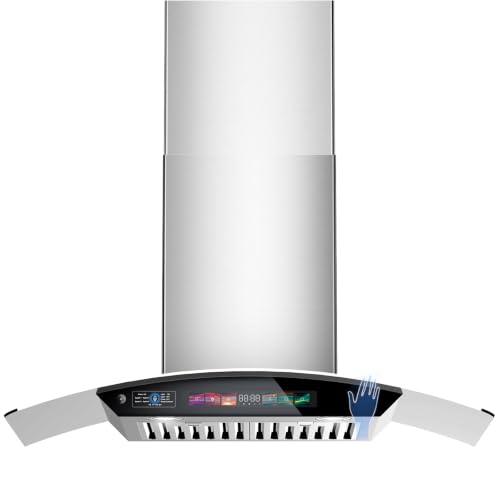

Who Should Buy Which Type
Home cooks who fry and sear often need a ducted hood with strong extraction, since steam and grease leave the kitchen entirely. Light cooks who mostly simmer and boil can manage well with a recirculating hood, which is easier to fit where no outside vent exists. Apartment dwellers and renters often choose recirculating models, while homeowners planning a renovation usually fit ducting for better long term results.
Kitchen layout decides the shape. A wall mounted chimney hood suits a cooktop against a wall, while an island hood suits a central cooktop and needs ceiling support. Check ceiling height and cooktop position first, because a hood that hangs too low blocks sightlines and a hood that hangs too high loses extraction power.
Key Features Worth Comparing
Extraction Rate and Cooktop Width
Extraction rate, measured in cubic feet per minute (CFM), should suit the kitchen volume and cooking style. As a rough guide, multiply kitchen length by width by height and look for a rate that changes the air about ten times per hour, then choose higher for heavy frying. A hood should also be at least as wide as the cooktop, and wider is better for large cooktops, since steam spreads beyond the pan edges.
Fan speeds matter for daily use. A low speed suits simmering and keeps noise down, while a boost speed clears smoke after searing. Look for at least three speeds plus a boost, and check that the boost switches off automatically, so it does not run all evening by mistake.
Ducted or Recirculating
Ducted hoods push air outside through a vent, which removes steam, smells, and grease most effectively. Ducting should be short and straight where possible, since long runs with bends reduce airflow and add noise. Check the route to an outside wall before buying, and budget for ducting parts and fitting.
Recirculating hoods pass air through grease and carbon filters and return it to the room. They are simpler to install and suit kitchens without an outside wall, but carbon filters need regular replacement and steam stays in the room. Compare filter costs over a year, since cheap hoods with costly filters can cost more in the long run.
Noise, Lighting, and Filters
Noise is measured in decibels, and the difference between a quiet and a loud hood is large in daily life. Check the noise rating at normal speed, not just at the lowest speed, and remember that ducting quality affects noise too. A hood that is too loud gets switched off, which defeats its purpose entirely.
Lighting helps cooking, so look for bright, even LED lights that cover the whole cooktop. Grease filters should be metal and dishwasher safe, since they need regular cleaning to keep airflow strong and reduce fire risk. Carbon filters, where fitted, should be easy to reach and replace without tools where possible.
Fitting and Kitchen Layout Compared
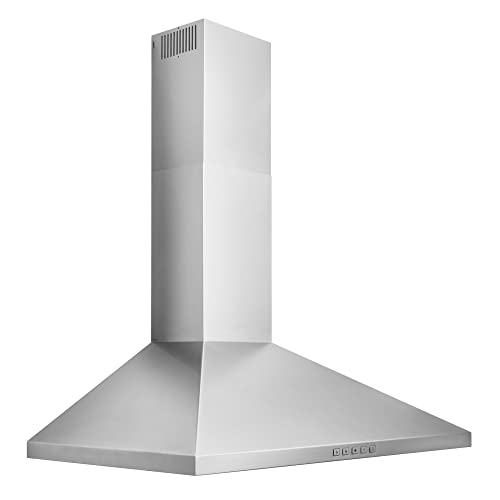
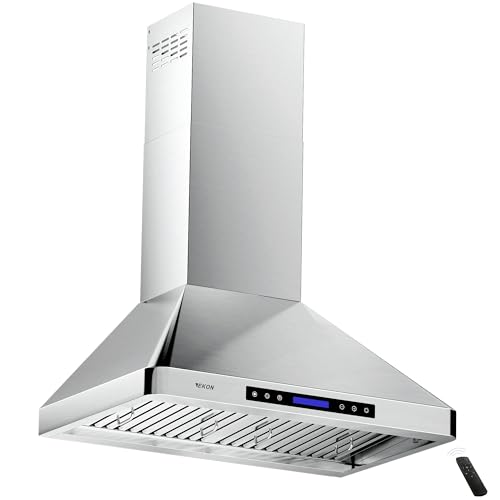
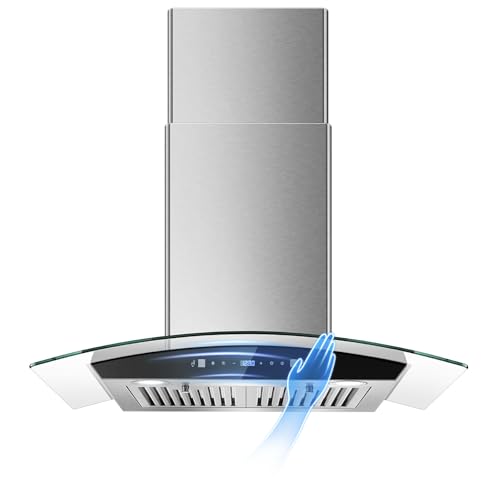
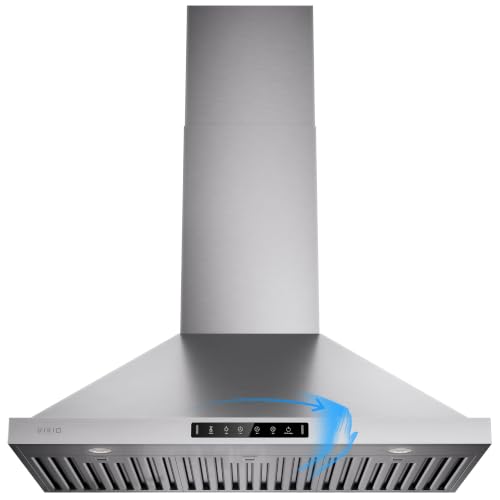
Wall chimney hoods are the most common choice, with a visible chimney section that hides the duct and suits standard ceiling heights. Island hoods hang from the ceiling and suit open plan kitchens, but they need secure ceiling fixing and often cost more to install. Integrated and canopy styles hide inside cabinets for a minimal look, yet they may offer less extraction than a full chimney model.
For related ventilation choices, see best chimney cooker hoods, best wall chimney range hoods, best chimney style range hoods, best ventilation hoods, and best stove hoods. Each guide covers a different mounting style, so you can match the hood to the cooktop position.
Practical Checks Before You Buy
Before ordering, measure the cooktop width, the ceiling height, and the distance from cooktop to ceiling, and check the maker guidance on minimum and maximum mounting height. Gas cooktops need extra care with clearances, so follow the cooktop maker guidance and local rules, and use a qualified fitter where required. Confirm the duct size and route, and check that the hood plug or wiring matches your kitchen supply.
Compare running costs, including filter replacements and energy use, and keep the receipt and warranty details safe. Clean grease filters regularly, since clogged filters cut airflow and raise fire risk, and a well kept hood will serve the kitchen for many years.
Keeping Your Hood Working Well
A hood keeps working well only with regular care, and a simple schedule prevents most problems. Clean metal grease filters every few weeks in a busy kitchen, since clogged filters cut airflow and raise fire risk. Most metal filters go in a dishwasher, which makes the job quick, while carbon filters in recirculating models need replacement on the maker schedule. Mark filter dates on a calendar so they are never forgotten.
Ducting deserves an occasional check too. Look for loose joints, crushed sections, or blocked outside vents, since any of those cut extraction and add noise. Keep the outside vent clear of leaves and nests, and check that the flap opens freely. A short straight duct run performs far better than a long bent one, so note duct problems for the next renovation rather than ignoring them.
Cooking habits affect hood life as well. Use lids on simmering pots to cut steam, start the hood before cooking begins, and let it run a few minutes after cooking ends to clear lingering smells. Match fan speed to the task, using low for simmering and boost only for searing, since constant high speed wears the motor faster and adds noise for no benefit.
Noise troubles usually have simple causes. A rattling hood may have a loose filter, a vibrating panel, or a duct joint that needs tightening, so check those before calling for service. Persistent humming or grinding suggests a motor or fan issue that needs professional attention, and switching the hood off until repaired is safer than running a faulty motor.
Lighting care is easy to overlook. Replace dim or failed LED lamps promptly, since good light prevents cooking mistakes and makes the cooktop safer to use. Wipe the lamp covers during filter cleaning, since grease films dim light over a year. A well kept hood quietly protects the kitchen, and small regular care keeps it doing so for many years.
Frequently Asked Questions
Should a chimney hood be wider than the cooktop?
A chimney hood should be at least as wide as the cooktop, and wider is better when space allows, because steam and smoke spread beyond the pan edges. A hood that is narrower than the cooktop misses steam at the sides, which then settles on cabinets and walls. Measure the cooktop first, then choose a hood width that covers it fully.
What is the difference between ducted and recirculating hoods?
A ducted hood pushes cooking air outside through a vent, removing steam, smells, and grease most effectively. A recirculating hood cleans air through grease and carbon filters and returns it to the room, which suits kitchens without an outside wall. Ducted models perform better, while recirculating models are simpler to install but need regular carbon filter changes.
How much extraction power do I need?
Extraction power should suit kitchen size and cooking style, with a rough guide of about ten air changes per hour for the room volume. Multiply kitchen length by width by height to estimate volume, then choose a higher rate if you fry and sear often. A hood with several speeds lets you match power to the cooking, keeping noise down for light tasks.
How noisy should a chimney hood be?
A chimney hood should be quiet enough to talk over at normal cooking speed, so check the noise rating at everyday speeds rather than the lowest setting. Loud hoods often get switched off, which defeats their purpose, so noise matters as much as power. Good ducting, short runs, and a well fitted hood all help keep noise low in daily use.
How often should hood filters be cleaned?
Metal grease filters should be cleaned every few weeks in a busy kitchen, and most can go in a dishwasher for easy care. Carbon filters in recirculating hoods need replacement on the maker schedule, usually every few months, since old filters stop removing smells. Clean filters keep airflow strong, cut smells, and reduce fire risk from built up grease.
Final Thoughts
The right hood matches cooktop width, suits the kitchen layout, and offers enough quiet speeds for everyday cooking. Decide ducted or recirculating first, then compare extraction, noise, and filter costs before choosing a style. The product table above recaps the main types, but measurements of your own kitchen matter most.
When you compare best chimney hoods, let fit and airflow lead and looks follow. A well fitted hood keeps the kitchen fresher, cleaner, and pleasanter to cook in for years.


