
Best Dryer Balls: Reviews and Buying Guide for 2026
Disclosure: We may earn a commission when you buy through links on this page, at no extra cost to you. As an Amazon Associate I earn from qualifying purchases. Learn more

The best dryer balls compared: wool and silicone sets, how many to use and how long they last.
Dryer sheets and liquid fabric softeners are a repeat purchase, and many people want to cut the fragrance, the waste or the cost. Dryer balls tumble with your laundry to separate clothes, improve airflow, soften fabrics and reduce static, and a good set can last for years. This guide to the best dryer balls explains how wool and silicone balls differ, what size and count to buy and which sets are worth your money.
We start with three top picks, then cover a buying guide, the main types, care tips and answers to common questions. Every set in the table above is sold new on Amazon US. Keep dryer balls away from small children and pets that chew, clean the lint trap every load and use essential oils sparingly, letting them soak in before a hot cycle.



Our Top 3 Picks at a Glance
Our picks are the Handy Laundry Wool Dryer Balls 12 Pack as the best overall, the Budieggs Wool Dryer Balls XL 6 Pack as the best value and the Smart Sheep Wool Dryer Balls 6 Pack as the best for beginners.
We compared material, ball size, count per pack, claimed drying time savings, lifespan, scent options and price, along with the overall pattern in owner feedback. We did not run these balls through our own dryers; the notes reflect maker specifications.
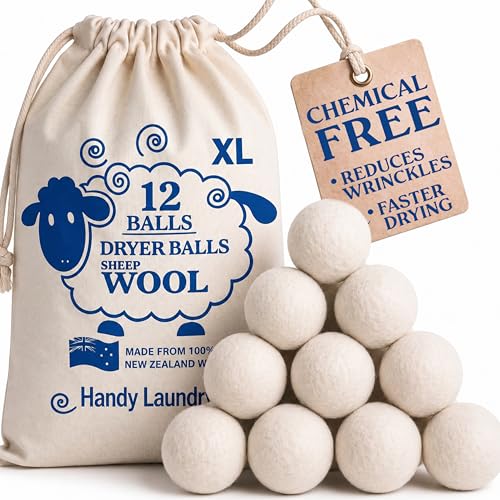
Best Overall: Handy Laundry Wool Dryer Balls 12 Pack
The Handy Laundry 12 pack suits large households that dry several loads a week, at around $20. Handy Laundry lists 100% New Zealand wool with no synthetic fillers, tight extra large felted balls, a lifespan of more than a thousand loads and drying time cut by up to 25%. Twelve balls let you split the set between two dryers or keep spares.
Two strengths stand out: a large count for the price and pure wool construction. The listing has one of the largest owner review counts in the category.
The limitation is that twelve balls are more than a single small household needs. Skip it if you dry only a few loads a week.
Best for: families, shared laundry rooms and anyone who dries bulky towels and bedding often.

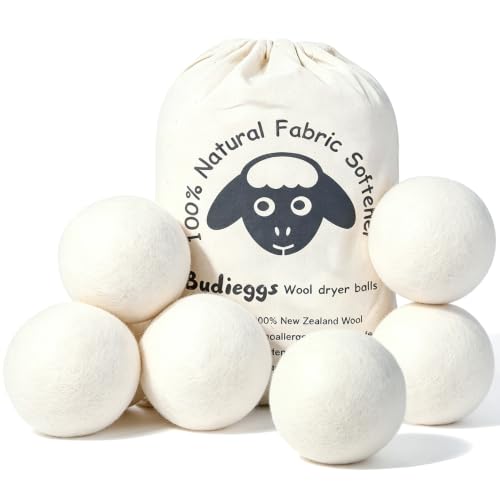
Best Value: Budieggs Wool Dryer Balls XL 6 Pack
The Budieggs XL 6 pack is for budget shoppers who want a full set of extra large wool balls, at around $10. Budieggs lists 100% New Zealand wool with no fillers or synthetics, drying time cut by 10 to 30%, a lifespan of 1,000 or more loads, which it puts at 2 to 3 years, and a reusable cotton gift bag. It also suggests a few drops of essential oil for scent.
Its strengths are a very low price for XL balls and an easy way to add your own fragrance.
The trade off is only six balls, which may feel light for very large loads.
Best for: first time buyers, couples and anyone replacing dryer sheets on a tight budget.

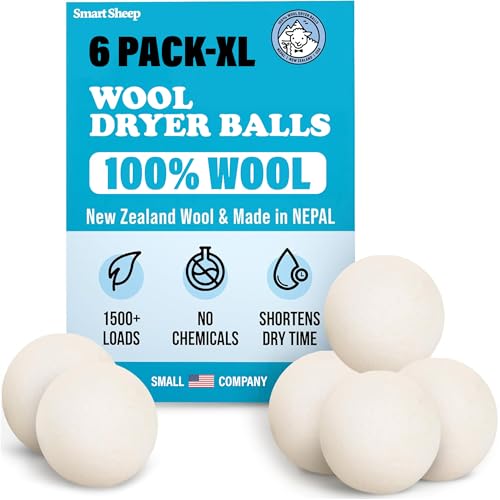
Best for Beginners: Smart Sheep Wool Dryer Balls 6 Pack
The Smart Sheep 6 pack suits people who want clear guidance on how many balls to use, at around $20. Smart Sheep lists 100% New Zealand wool with no fillers, extra large balls with a 9 inch circumference, no chemicals or synthetics, a lifespan of a thousand plus loads and simple directions: 3 balls for small and medium loads, 5 to 6 for large loads.
The appeal is a well known original brand with straightforward instructions, and Smart Sheep notes it suits sensitive skin and baby clothes.
The limitation is a higher price than generic six packs.
Best for: beginners, parents washing baby clothes and people with sensitive skin.

How to Choose the Best Dryer Balls: Buying Guide
Material, size and count, scent options, noise, lifespan and real energy savings matter most. Here is what to compare.
Material: Wool, Silicone or Plastic
Wool balls, like Handy Laundry's and Molly's Suds', absorb some moisture, soften fabrics and stay quiet. Silicone balls, like the Sunseeke cactus set at around $8, are durable and avoid wool fibers, and Sunseeke says they suit people who want to avoid wool shedding and pilling. Hard plastic balls are louder and can be rough on delicate fabrics.
Look for 100% wool with no synthetic fillers if you choose wool.
Scent and Fragrance Options
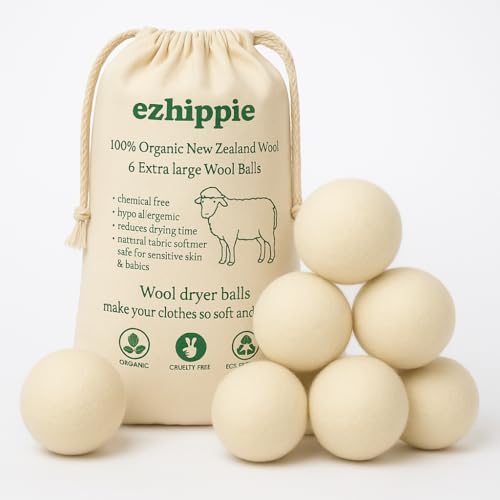
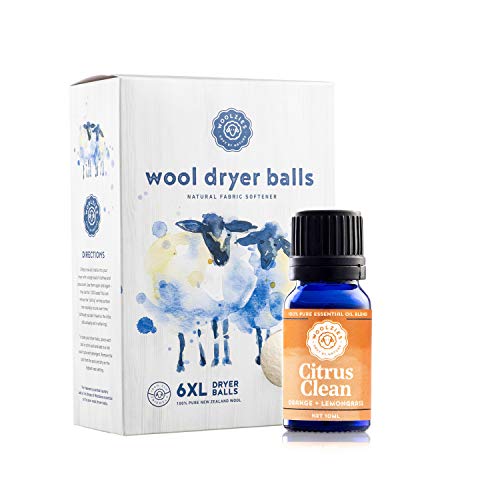
Plain wool balls are unscented, which helps people with fragrance sensitivities. Budieggs and Ezhippie suggest adding a few drops of essential oil for scent, and Woolzies sells a 6 XL ball set with 10 ml of citrus essential oil at around $25. Let the oil soak in before drying.
Size and Count
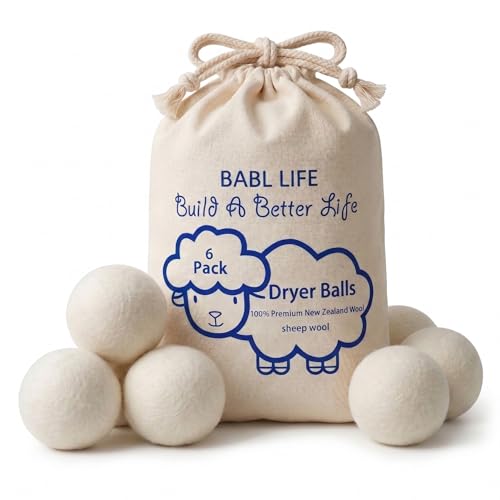
Extra large balls, around 3 inches across, move more fabric and work best for towels and bedding. Smaller balls, like BABL LIFE's 2.6 inch balls at around $9, suit everyday loads, and BABL LIFE suggests its 3 inch XL version for larger loads. Most makers recommend 3 balls for small and medium loads and 5 to 6 for large loads.
Noise in the Dryer
Wool balls are quiet because they are soft and dense. Silicone balls make some noise but Sunseeke calls its set the quietest drying balls of its type. Hard plastic balls are the loudest choice.
If your laundry room sits next to a bedroom or nursery, choose wool. Six wool balls make a soft thud, while hard balls can sound like shoes tumbling in the drum.
Durability and Lifespan
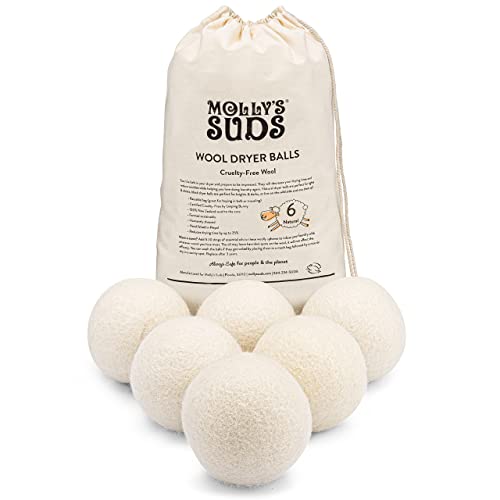
Most quality wool balls are rated for about 1,000 loads. Molly's Suds says that is roughly 3 years for an average home, while Ezhippie lists 1,000 plus loads per ball. Silicone balls can last several years. Replace wool balls when they shrink, unravel or stop bouncing.
Tightly felted balls hold their shape longer than loose ones. Handy Laundry describes its balls as rolled tight and felted, which helps them resist unraveling over hundreds of cycles.
Drying Time and Energy Savings
Maker claims vary. Handy Laundry lists up to 25% shorter drying time, Molly's Suds lists up to 30%, Budieggs and Otylzto list about 15 to 30% and Ezhippie lists up to 40%. Real savings depend on load size, fabric type and your dryer, so treat these figures as upper limits.
The biggest gains come with heavy loads like towels, jeans and bedding, where balls keep fabric from clumping. Light synthetic loads already dry quickly, so the difference there is smaller. Check loads a few minutes early once you start using balls, and shorten the cycle if clothes come out dry.
Types of Dryer Balls
Dryer balls fall into three main types. Here is who each suits.
Wool Dryer Balls
Wool balls are the most popular type. They soften naturally, absorb some moisture and are quiet. Molly's Suds' set is certified cruelty free by Leaping Bunny and hand felted at a fair wage factory in Nepal, and Friendsheep's handmade fair trade set costs around $42.
Wool balls also help with static, especially when slightly damp, and they collect some pet hair, as Friendsheep notes. People with a wool allergy should choose silicone instead.
Silicone Dryer Balls
Silicone balls, like Sunseeke's food grade cactus set, are durable, odor free and do not shed fibers. Sunseeke suggests 4 balls for small and medium loads and 6 to 8 for large loads.
Specialty Dryer Balls
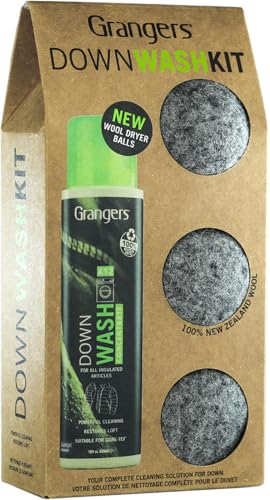
Specialty kits target specific items. The Grangers Down Wash Kit, at around $27, pairs a down detergent with three wool dryer balls designed to restore loft in jackets, sleeping bags and duvets without the damage tennis balls can cause.
Setup and Care Tips
- Clean the lint trap every load. Wool balls pick up lint and pet hair, and a clogged trap slows drying and raises fire risk.
- Don't overload the dryer. Balls need room to tumble, so leave space in the drum.
- Use the right number of balls. Follow the maker's count for your load size.
- Remove pills with a lint roller. Otylzto suggests a lint roller to tidy wool balls.
- Clean the dryer vent yearly. A clear vent keeps drying fast and safe.
Dryer Balls: Your Questions Answered
Are dryer balls worth it?
Yes, for most households. A set of wool dryer balls at around $10 to $20 replaces dryer sheets and liquid softener for about 1,000 loads, and makers claim shorter drying times. They will not scent laundry unless you add essential oils.
Wool or silicone dryer balls: which is better?
Wool balls are quieter, softer on fabrics and absorb moisture, so they suit most people. Silicone balls last longer, do not shed and suit people with wool allergies or anyone who wants to avoid lint from wool.
How long do dryer balls last?
Quality wool balls usually last about 1,000 loads, which Molly's Suds puts at around 3 years for an average home. Silicone balls can last several years. Replace them when they lose shape or stop working well.
How many dryer balls do I need?
Use about 3 wool balls for small and medium loads and 5 to 6 for large loads, as Smart Sheep and Otylzto recommend. Silicone sets may call for more, like Sunseeke's 6 to 8 for large loads.
More balls help with bulky items like comforters, so add one or two extra for those loads.
Final Thoughts
The best dryer balls are made from pure material, come in the right size and count for your loads and last for about a thousand cycles. Handy Laundry's 12 pack is our best overall pick, Budieggs offers great value and Smart Sheep is a simple start for beginners.
For more laundry guides, see the best clothes dryers, the best laundry detergent, the best laundry detergent sheets and the best combo washer dryers. Then compare current prices in the product table above.


