
Best Chimney Style Range Hoods: A Clear Buying Guide for 2026
Disclosure: We may earn a commission when you buy through links on this page, at no extra cost to you. As an Amazon Associate I earn from qualifying purchases. Learn more

Use this buying guide to choose the best chimney style range hoods by size, airflow, ducting, noise, lighting, and care for your kitchen layout.
A chimney style range hood makes a strong visual statement above a range, but good looks are only half the job. The hood also has to capture smoke, steam, and grease from the burners below it, quietly and day after day. This guide to the best chimney style range hoods shows you how to match a hood to your range type, your burner power, and your kitchen layout. You will learn how size, airflow, and ducting work together, and which extras are worth paying for. Begin with the comparison table below, then use the sections here to test each candidate.
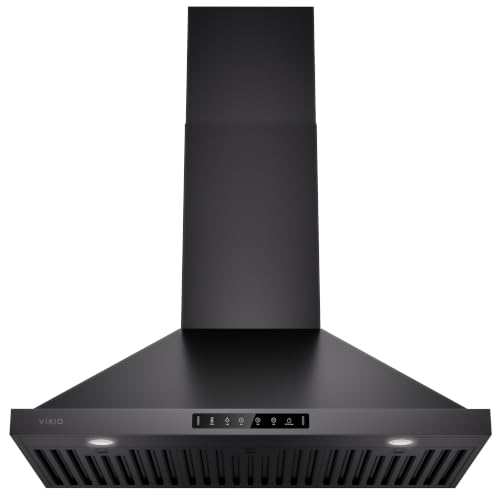


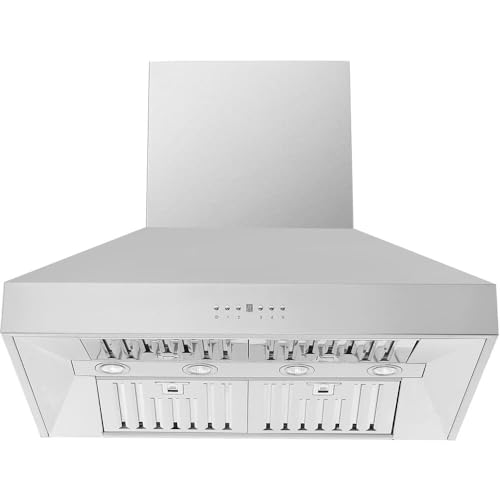


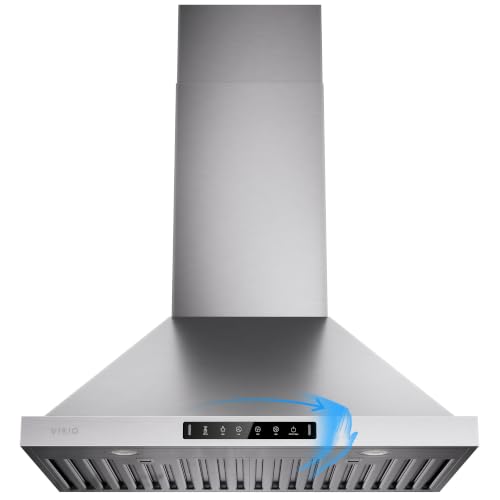

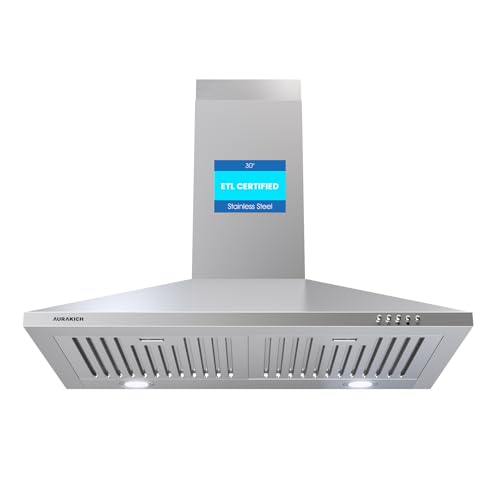
Three Buying Profiles at a Glance
Most buyers fall into one of three profiles. Use the profile that sounds like your kitchen to set your budget and your must have features before you compare individual listings.
The All Around Profile
The all around profile suits a 30 inch or 36 inch range in a busy family kitchen. Look for airflow around 400 to 600 cubic feet per minute, washable metal baffle or mesh filters, and noise that stays comfortable at the middle speeds you will use daily. A stainless steel canopy with bright LED lighting and sturdy controls covers nearly every cooking style. Expect to pay around $400 to $700. This profile assumes a ducted install, so confirm your vent route before you buy.
The Value Profile
The value profile keeps the essentials and trims the extras. Airflow around 300 to 400 cubic feet per minute handles everyday cooking on a standard range, and a convertible design that can duct out or recirculate gives renters and remodelers flexibility. You may give up the quietest operation and premium finishes, and charcoal filters on a recirculating setup add a small ongoing cost. Around $200 to $400 is a realistic budget here. For light to moderate cooking, this profile delivers clean air and the chimney look without overspending.
The Small Space Profile
The compact profile fits a 24 inch or 30 inch range in a small kitchen, a studio, or a narrow galley layout. A slimmer canopy and a shorter chimney span keep the hood in proportion with tight wall space and low ceilings. Airflow needs are lower because the range is smaller, so a quiet 200 to 300 cubic feet per minute model often suffices. Around $180 to $350 is typical. The trade off is capture width. Cook on the front burners when you can, since steam from back burners is harder for a small canopy to catch.
How to Choose the Best Chimney Style Range Hoods: Buying Guide
This is the core of the decision. Each factor below connects your range and your cooking habits to a hood spec, so work through them in order and note the figures that fit your kitchen.
Fuel Type: Gas, Electric, Induction, or Dual Fuel
Your range fuel changes what the hood must capture. Gas burners add combustion moisture and heat, and they often pair with high output burners, so gas ranges call for stronger airflow and a canopy with generous coverage. Electric and induction surfaces produce only cooking steam and smoke, with no combustion byproducts, so moderate airflow usually keeps the air clear. Dual fuel ranges, with a gas cooktop over an electric oven, should be treated like gas for hood sizing. Whatever the fuel, the hood width should at least match the range width.
Size and Cutout Dimensions (30 inch, 36 inch)
Hoods are sized to the range below them, and 30 inch and 36 inch widths cover most home ranges. A hood that is wider than the range captures better than one that is narrower, so if your wall space allows a size up, take it. Whether the range is slide in with finished sides or freestanding with a rear guard, measure the full width and the depth of the cooking surface, then confirm the canopy depth covers the front burners. Also confirm the chimney span reaches your ceiling and that nearby cabinets leave the required clearance on each side.
Installation, Electrical, and Gas Requirements
Plan services before the hood arrives. Most hoods need a standard electrical connection near the mounting wall, separate from the heavy circuit an electric range requires. A ducted install needs a duct of the size the maker states, commonly 6 inches round, routed outside with as few bends as possible. If your range uses gas, a qualified technician should handle gas line changes, and the install must respect the clearance above the burners stated in both manuals.
Burner Power (BTU) and Element Wattage
Burner power is the simplest guide to airflow. A common rule is to choose at least 100 cubic feet per minute of airflow for every 10,000 BTU of total burner output, so a powerful pro style range needs a much stronger hood than a basic one. A low simmer burner makes little demand, while a high output wok or searing burner makes a lot. Electric elements are rated in watts rather than BTU, but the logic is the same. More heat and more vigorous cooking mean more steam, smoke, and grease for the hood to catch. When you compare options for powerful ranges, our guide to the best quality range hoods explains which build details hold up under heavy use.
Types of Chimney Style Range Hoods
Chimney hoods pair with every major range type, but the best match shifts a little with each one. The notes below also connect to the venting family each hood belongs to.
Induction Ranges and Cooktops
Induction cooking heats the pan directly and keeps the surrounding air cooler, so steam is the main thing the hood must capture. A moderate airflow chimney hood pairs well here, and quiet operation matters because induction kitchens are often open plan. This match suits cooks who value a calm room and mostly boil, simmer, and saute. If you also sear at high heat, choose a model with a strong boost speed for short bursts.
Electric Ranges
Smooth top and coil electric ranges produce steady steam and the occasional smoky spill on a hot element. A standard chimney hood in the mid airflow range handles this load comfortably, and a canopy that extends over the front elements helps when pans boil over. This is the most forgiving pairing, and it suits most family kitchens. Shoppers comparing the wider venting family can also browse our guide to the best range vent hoods for other mounting styles.
Gas Ranges
Gas ranges demand the most from a hood, because open flames, high BTU burners, and grates that sit high all push heat and grease upward with force. Choose a deeper canopy, higher airflow, and metal baffle filters that tolerate heavy grease. This pairing suits keen cooks who fry, sear, and use a wok often. Wall mounted chimney models in this class are covered further in our guide to the best wall chimney range hoods, while our overview of the best range exhaust hoods compares exhaust approaches across the category.
Setup and Care Tips
A few steady habits keep a chimney hood working like new and keep the range below it cleaner too.
- Use cookware that matches your cooktop. Pans sized to the burner produce less stray steam and splatter for the hood to chase.
- Wipe glass cooktops after they cool. Burned on spills smoke the next time the burner heats, so a clean top means cleaner air.
- Clean grates and burner caps monthly. Grease on range parts adds odor and smoke that no hood fully removes at the source.
- Calibrate oven temperature with an oven thermometer. An oven that runs hot burns food more often, and burned food is the biggest smoke load a hood faces.
- Wash hood filters on a monthly rhythm. Clean filters keep airflow high and noise low, and they reduce grease build up inside the duct.
Chimney Style Range Hoods: Your Questions Answered
What size chimney style range hood do I need for my kitchen?
Match the hood width to your range width at minimum, so a 30 inch range needs at least a 30 inch hood, and a 36 inch range needs a 36 inch hood. Going one size wider improves capture when wall space allows. Then confirm the chimney reaches your ceiling and the canopy depth covers your front burners. Room size matters less than range size, because the hood captures at the source rather than cleaning the whole room.
Should the hood be ducted or recirculating?
Ducted hoods send steam, grease, and odors outdoors and clean the air most fully, so choose that route whenever a short, straight duct can reach an outside wall or roof. Recirculating mode filters the air through charcoal and returns it to the room, which suits apartments and rentals, but the filters need regular replacement and moisture stays in the kitchen.
How often should I clean the filters?
Wash metal baffle or mesh filters about once a month in a busy kitchen, by hand in hot soapy water or in the dishwasher if the maker allows it. Clean filters keep airflow strong and noise low, and they reduce grease build up inside the hood and duct.
How long does a chimney style range hood last?
A well maintained chimney style range hood commonly lasts around ten to fifteen years. The fan motor lasts longest when filters are washed on schedule, since grease build up forces the motor to strain and lets sticky residue reach the duct. Lights and switches may need replacement sooner and are usually simple parts. A hood that suddenly grows louder or weaker is asking for a filter clean or a service check. Shoppers still weighing the classic chimney shape itself can read our guide to the best chimney hoods for design context.
Final Thoughts
Size the hood to the range, let total burner power set your airflow target, and settle the duct route before you spend anything. Those three decisions matter more than finish or extra features. Check your shortlist against the product table above, confirm mounting height and electrical needs one last time, and the best chimney style range hoods for your kitchen will serve every meal quietly and well.


