
Best Digital SLR Cameras: What Actually Matters Before You Buy
Disclosure: We may earn a commission when you buy through links on this page, at no extra cost to you. As an Amazon Associate I earn from qualifying purchases. Learn more

The best digital slr cameras: our checklist plus Nikon D7500, Canon Rebel T7 and Nikon D850 picks.
Mirrorless cameras get most of the headlines, but digital SLR cameras still offer something many photographers love: a bright optical viewfinder that shows the scene directly through the lens, long battery life, solid handling and access to a huge range of affordable lenses, new and used. For beginners stepping up from a phone and enthusiasts who want a reliable workhorse, a DSLR remains a capable, often budget friendly choice. This guide to the best digital slr cameras explains what actually matters before you buy, walks through the checklist we use and shares three picks that pass it.
We explain how we evaluate DSLRs, share our top picks, give you a quick buyer checklist and red flags, cover picks for travel and answer common questions. Every camera and accessory in the table above is sold new on Amazon US.






How We Evaluate Digital SLR Cameras
We judge DSLRs on sensor size and image quality, ease of use, autofocus, battery life, video features, size and handling, lens system and value. A good DSLR delivers sharp, clean photos, focuses quickly, feels comfortable in the hand and grows with you through its lens system. We compared maker specifications and the overall pattern in owner feedback; we did not shoot with these cameras ourselves.
Sensor Size and Image Quality
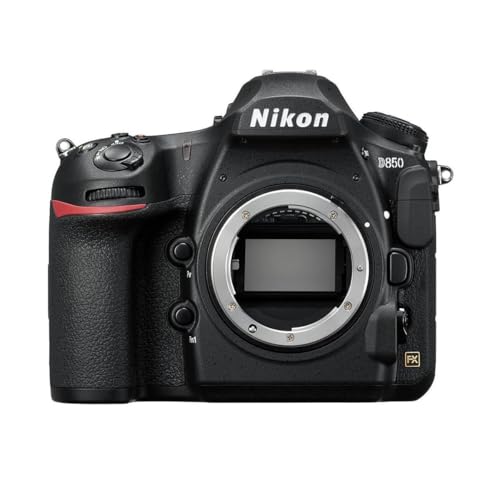
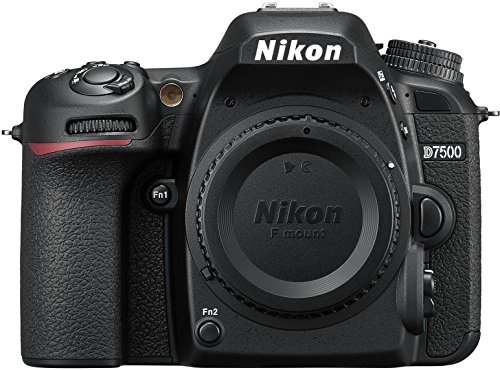
Most consumer DSLRs use APS-C sensors, like the 24.1MP sensor in the Canon EOS Rebel T7 and the 20.9MP sensor in the Nikon D7500. Full frame sensors, like the 45.7MP backside illuminated sensor in the Nikon D850, gather more light for cleaner high ISO images, wider dynamic range and shallower depth of field.
Megapixels matter less than sensor size and processing. A 20 to 24MP APS-C sensor easily handles large prints and cropping, while 45MP full frame sensors suit landscape, studio and commercial work.
APS-C sensors also have a crop factor of about 1.5x on Nikon and 1.6x on Canon, which makes telephoto lenses reach further, a bonus for wildlife and sports. Nikon notes that DX lenses on the D7500 give an angle of view roughly 1.5 times narrower than on full frame bodies.
Ease of Use for Your Skill Level
Beginner DSLRs offer guided menus, automatic scene modes and simple controls. Canon describes the Rebel T7's bright optical viewfinder, 3.0 inch LCD and simplified menus as designed for easy use. Enthusiast models add more dials and buttons for quick manual control, which beginners grow into over time.
Choose a camera you will pick up often; a simpler body you enjoy beats a complex one that stays on the shelf.
Autofocus and Stabilization
Autofocus systems vary by number of points and cross type sensors. Nikon lists a 51 point AF system with 15 cross type sensors and group area AF on the D7500, which tracks moving subjects well for sports, pets and wildlife. Canon's 90D adds Dual Pixel CMOS AF for smooth live view and video focusing.
Most DSLRs rely on lens based stabilization, like Nikon's VR and Canon's IS lenses, so check that your kit lens includes it.
Continuous shooting speed matters for action. The D7500 lists up to 8 fps and the D850 up to 9 fps at full resolution, while entry cameras shoot more slowly, which is fine for portraits, landscapes and travel.
Battery Life and Charging
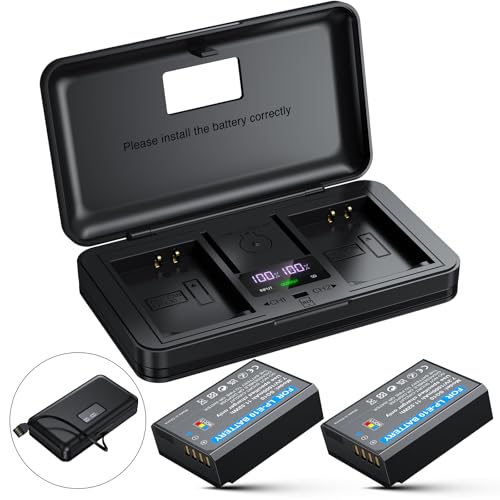
Optical viewfinders use little power, so DSLRs typically shoot many more photos per charge than mirrorless cameras. Nikon highlights outstanding battery performance on the D850. Spare batteries, like a 2 pack of LP-E10 batteries with a dual charger for the Rebel T7 at around $20, keep you shooting through long days.
Third party batteries, like Artman's EN-EL15 2 pack with a dual charger for Nikon D7500 and D850 bodies, cost less than branded spares. Check compatibility and buy from reputable sellers.
Video Capabilities
Many DSLRs record video. The Nikon D7500 records 4K UHD and 1080p with stereo sound and 4K time lapse, the Canon 90D adds 4K video and a vari angle screen and the Nikon D850 records 4K UHD and 1080p slow motion up to 120 fps, according to the makers. Entry models like the Rebel T7 record Full HD.
If video is your main goal, look for flip screens, microphone inputs and smooth live view autofocus.
Size, Weight, and Ergonomics
DSLRs are larger than compacts but offer deep grips and physical controls that many photographers prefer, especially with longer lenses. Entry models like the Rebel T7 are lighter, while enthusiast and pro bodies like the D7500 and D850 add weather sealing and heft for stability.
Lens System and Accessories
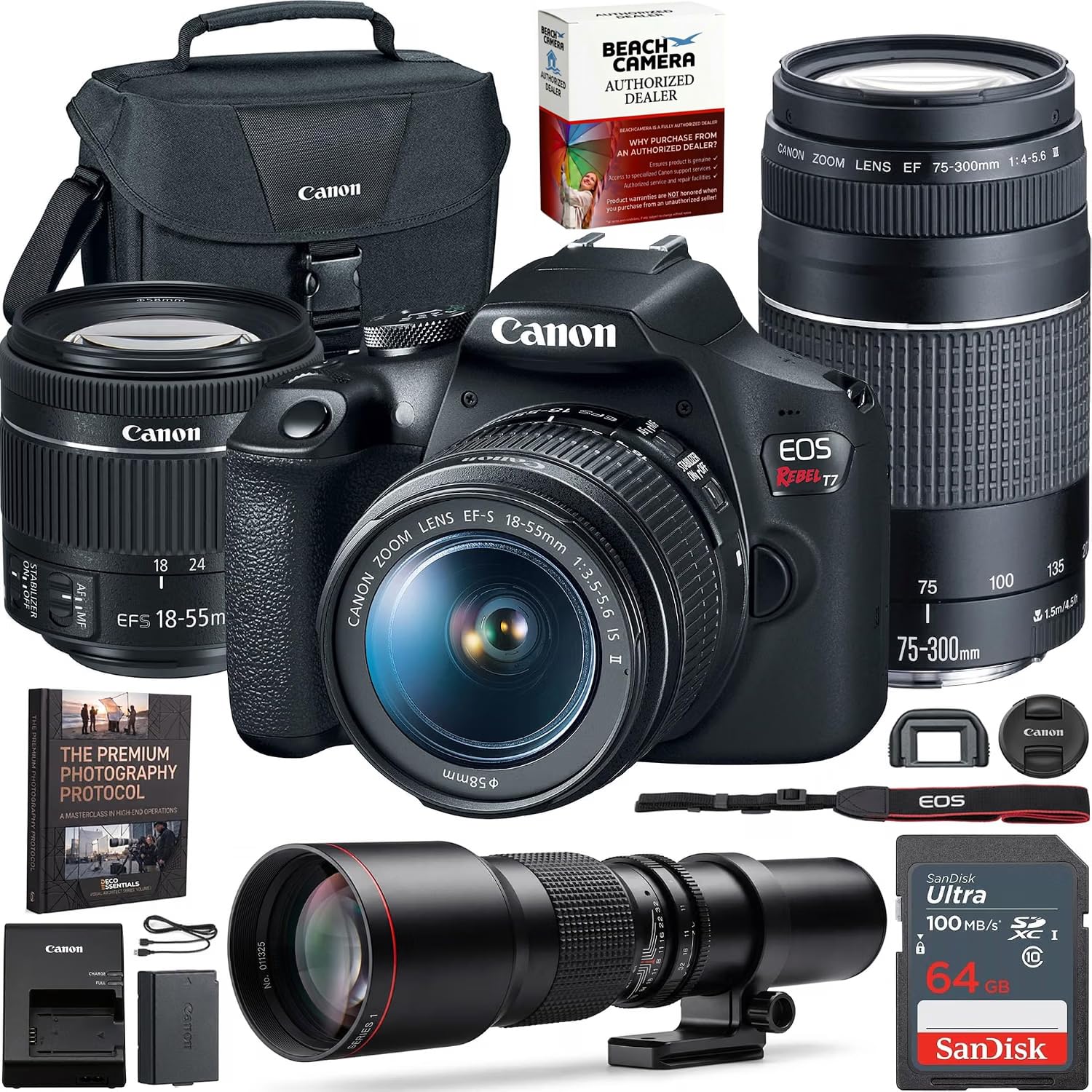
Lenses shape your photos as much as the body. Canon's T7 works with EF and EF-S lenses, and Nikon's F mount covers decades of NIKKOR lenses. Kits with two zoom lenses, like the Rebel T7 double zoom kit with 18-55mm and 75-300mm lenses, cover wide scenes to distant subjects.
Budget accessories that make a real difference include a fast memory card, a spare battery, a padded bag and a 50mm f/1.8 prime lens for portraits and low light. Add on lenses, like Altura Photo's wide angle and macro lens for Canon Rebel cameras at around $33, expand creative options cheaply.
3 Picks That Pass Our Checklist
Our picks are the Nikon D7500 with 18-140mm lens for most photographers, the Canon EOS Rebel T7 with 18-55mm lens for value and beginners and the Nikon D850 body as a premium pick for enthusiasts and professionals.
Best Overall: Nikon D7500 with AF-S DX 18-140mm VR Lens
The Nikon D7500 kit suits enthusiasts and ambitious beginners who want a fast, capable DSLR that grows with their skills, at around $1,297. Nikon lists a 20.9MP sensor with image quality, ISO range and processing equivalent to its award winning D500, a 51 point AF system, up to 8 fps continuous shooting, 4K UHD video and a 3.2 inch tilting touchscreen.
Two strengths stand out: quick autofocus and burst shooting for action, pets and kids, and a versatile 18-140mm VR lens that covers wide landscapes to moderate telephoto. The tilting touchscreen helps with high and low angles.
The limitation is size and price compared with entry DSLRs. Skip it if you want the lightest possible camera for casual snapshots.

Best Value: Canon EOS Rebel T7 with 18-55mm Lens
The Canon EOS Rebel T7 suits beginners and families stepping up from phone photography, at around $529 for the kit bundle. Canon lists a 24.1MP APS-C CMOS sensor, built in Wi-Fi and NFC for transferring photos to your phone, compatibility with EF and EF-S lenses and a bright optical viewfinder with simplified menus. The bundle includes a battery, charger and strap.
Its strengths are price, simplicity and image quality that easily beats phones in low light and with background blur. The T7 is one of the most popular first DSLRs, with plenty of tutorials and accessories.
The trade off is a basic autofocus system and Full HD video rather than 4K. Skip it if you shoot fast sports or want 4K video.

Best Premium Pick: Nikon D850 Body
The Nikon D850 suits serious enthusiasts and professionals who want maximum detail and performance, at around $2,397 for the body. Nikon lists a 45.7MP backside illuminated full frame sensor with no optical low pass filter, up to 9 fps at full resolution with full AF, 8K and 4K time lapse, 4K UHD video and a tilting touchscreen.
The appeal is outstanding resolution and dynamic range for landscapes, portraits, weddings and wildlife, plus a robust body built for heavy use.
The limitation is price and the need for quality lenses to make the most of the sensor. Skip it if you are just starting out.

Quick Buyer Checklist
- Sensor: APS-C for most buyers, full frame for low light and maximum detail.
- Autofocus: more points and cross type sensors for action.
- Kit lens: a versatile zoom with stabilization.
- Video: 4K and a flip screen if you film.
- Connectivity: Wi-Fi or Bluetooth for easy sharing.
- Budget: leave room for a spare battery, memory card and bag.
Red Flags to Watch For
Be wary of bundles padded with low quality filters, tripods and lenses that add little value. Check that a kit includes a genuine lens rather than an off brand substitute.
Avoid gray market listings without a US warranty. Very old DSLR models may lack modern features like Wi-Fi and may have limited repair support. Make sure the seller ships new, not renewed, if you want full warranty coverage.
Also check the included lens carefully. Some kits use an older non stabilized lens, while others include an improved stabilized version. Stabilization helps a lot with handheld shots in dim light and at longer focal lengths.
Choosing Digital SLR Cameras for Your Situation
Your photography goals point to the right camera.
Best Digital SLR Cameras for Travelling: What to Check
For travel, the best digital SLR cameras balance size, battery life and a versatile zoom. The Nikon D7500 with an 18-140mm lens covers most travel scenes with one lens, and the Canon Rebel T7 is light and affordable. Carry a spare battery and a weather resistant bag.
Wi-Fi and Bluetooth, like the Rebel T7's Wi-Fi and NFC and the Canon 90D's Bluetooth, let you share travel shots to your phone without a laptop. A lightweight travel tripod helps with sunsets and night city scenes.
Setup and Care Tips
Charge the battery fully and format a fast memory card in the camera before your first shoot. Update the firmware from the maker's website. Keep lens caps on and change lenses quickly, facing the camera downward, to keep dust off the sensor. Clean lenses with a blower and microfiber cloth, and store the camera in a padded bag away from humidity.
Spend time learning aperture priority mode, which lets you control background blur while the camera handles shutter speed. It is the easiest step beyond auto mode and makes the biggest creative difference for beginners.
Digital SLR Cameras: Your Questions Answered
Is a DSLR still worth buying?
Yes, DSLRs remain capable cameras with excellent image quality, long battery life and access to affordable lenses. Mirrorless cameras are smaller and newer, but a DSLR can be a great value, especially for beginners and those with existing lenses.
How much should I spend on my first DSLR?
Most beginners do well with an entry kit like the Canon Rebel T7 at around $530. Enthusiasts who shoot action or want 4K video should consider mid range bodies like the Nikon D7500 at around $1,300.
Is a smartphone enough instead?
Phones are excellent for casual photos, but DSLRs offer larger sensors, interchangeable lenses, optical zoom, faster autofocus for action and better low light quality, which matter for sports, wildlife, portraits and events.
Many photographers carry both: a phone for quick snaps and a DSLR for moments that matter.
What specs matter most for beginners?
Ease of use, a versatile kit lens, good image quality and simple sharing via Wi-Fi matter most for beginners. Advanced autofocus and 4K video become important as skills and interests grow.
Which is better for low light?
Full frame DSLRs like the Nikon D850 handle low light best thanks to larger sensors. With APS-C cameras, fast prime lenses with wide apertures, like f/1.8, greatly improve low light results.
Should I buy a camera body only or a kit?
Beginners should buy a kit with a lens, like the Rebel T7 with 18-55mm or the D7500 with 18-140mm, which saves money. Body only purchases, like the D850, make sense if you already own lenses or plan to buy specific professional lenses.
How long does a DSLR last?
DSLR bodies often last many years and hundreds of thousands of shutter actuations with care. Lenses can last decades and move with you to future bodies within the same mount.
Wrapping Up
The best digital slr cameras match your skills and subjects. The Nikon D7500 is our best overall pick for fast, versatile shooting, the Canon EOS Rebel T7 is an easy, affordable first DSLR and the Nikon D850 delivers premium full frame detail. Invest in good lenses and a spare battery to get the most from any DSLR.
For more camera guides, see the best cameras for starter photography, the best compact cameras for travel, the best cameras for point and shoot and the best streaming camera. Then compare current prices in the product table above.


