
Best Cameras Sony: A First Time Buyer's Guide for 2026
Disclosure: We may earn a commission when you buy through links on this page, at no extra cost to you. As an Amazon Associate I earn from qualifying purchases. Learn more

The best cameras Sony makes, explained for first time buyers: ZV, Alpha, Cyber-shot and FX families compared.
Sony makes one of the widest camera lineups on the market, from pocket vlogging cameras to full frame mirrorless bodies used by professional photographers and filmmakers. That range is great for choice but confusing for a first time buyer: names like ZV-1F, ZV-E10, a6700, a7 V, a7S III and FX3 do not explain much on their own. This guide to the best cameras sony offers is written for beginners, explaining the key terms in plain English, comparing the main families and helping you avoid common rookie mistakes.
We cover Sony camera basics, the key specs, which cameras suit different uses, rookie mistakes, setup and first use and answers to common questions. Every camera in the table above is sold new on Amazon US. Buy from authorized sellers to get Sony's US warranty, and check whether a listing includes a lens, since many bodies are sold without one.





Sony Cameras 101: The Basics
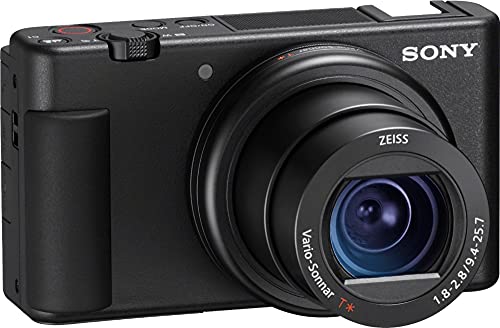
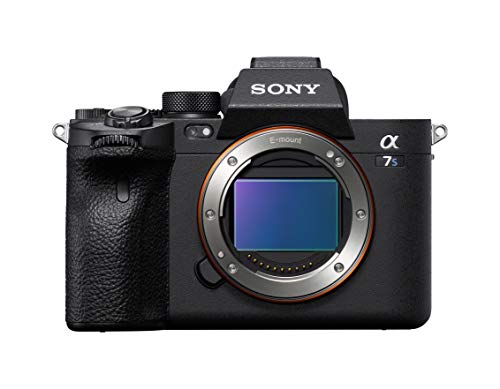
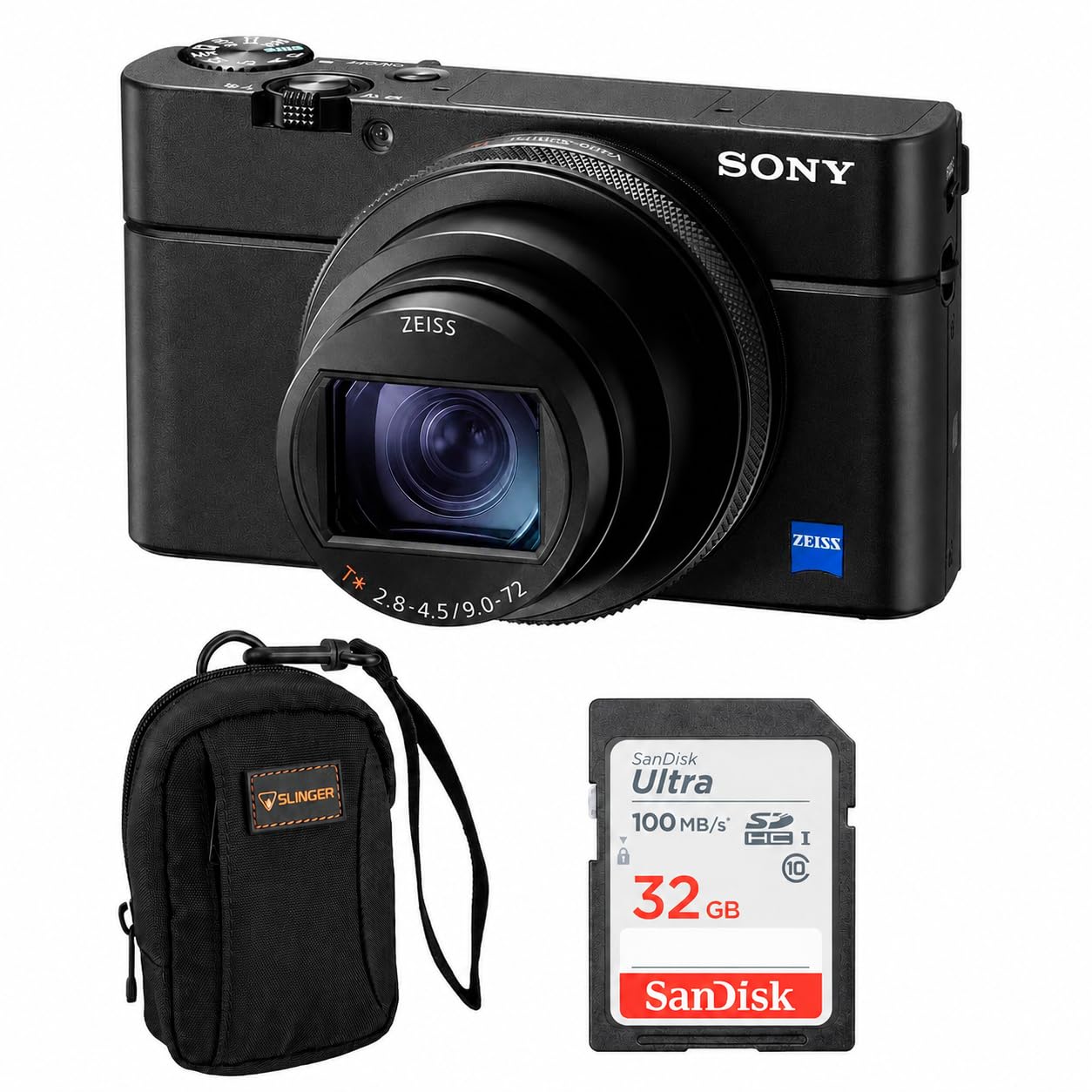
Sony cameras fall into three main groups: compact cameras with built in lenses, APS-C mirrorless cameras with interchangeable lenses and full frame mirrorless cameras. Compact cameras, like the ZV-1F, ZV-1 and Cyber-shot RX100 VII, are pocket sized and simple. APS-C cameras, like the ZV-E10 and a6700, use a mid size sensor and accept Sony E mount lenses. Full frame cameras, like the a7 V, a7C R, a7S III, ZV-E1 and FX3, use larger sensors for better low light performance and image quality.
Sony's naming hints at purpose. ZV models are designed for vlogging and content creation, with features like flip screens, directional microphones and quick background blur buttons.
Alpha "a" models are general photo and video cameras. Cyber-shot RX models are premium compacts. FX models are Cinema Line cameras built mainly for video.
All Sony mirrorless cameras share the E mount, so lenses work across APS-C and full frame bodies, though full frame lenses are larger and pricier. Starting with an APS-C body lets you grow into the system.
Prices follow the same pattern. Compact and vlogging cameras listed above cost around $649 to $900, the RX100 VII and a6700 body cost around $1,498, and full frame bodies run from around $2,498 for the ZV-E1 to around $3,998 for the FX3. Lenses add to the total for interchangeable lens cameras.
Key Specs Explained in Plain English
The key specs are sensor size, video capability, lens and zoom range, autofocus, stabilization and durability. Here is what each means.
When comparing the best cameras Sony sells, do not get lost in spec sheets. Pick the two or three specs that match how you shoot, such as a flip screen and good audio for vlogging, or zoom range and size for travel, and treat the rest as bonuses.
Sensor Size and Image Quality
Larger sensors capture more light, which means cleaner images in dim light and more background blur. Sony's compacts use a 1 inch sensor, like the 20.1 megapixel sensor in the ZV-1, ZV-1F and RX100 VII. APS-C cameras use a larger sensor, like the 24.2 megapixel sensor in the ZV-E10 and the 26 megapixel sensor in the a6700. Full frame cameras use the largest, like the 33 megapixel sensor in the a7 V, which Sony says delivers up to 16 stops of dynamic range.
Megapixels affect detail and cropping, but more is not always better. The a7S III uses a 12.1 megapixel sensor optimized for video and low light, with ISO up to 409,600, according to Sony.
For a beginner, any of these sensors produces sharp photos in good light. Sensor size matters most in dim rooms, at night and when you want a strongly blurred background for portraits.
Dynamic range describes how much detail a camera keeps in bright skies and dark shadows at the same time. More stops of dynamic range help with sunsets, backlit portraits and high contrast scenes, which is why full frame bodies like the a7 V appeal to landscape photographers.
Video Capabilities
All current Sony models listed here shoot 4K video. Higher frame rates, like 4K 120p on the a6700 and a7S III, allow smooth slow motion. 10 bit 4:2:2 recording, offered on the a6700 and a7S III, keeps more color information for editing. The ZV-E10 records 4K oversampled from 6K with full pixel readout, according to Sony.
For beginners, 4K at 24 or 30 frames per second is plenty; advanced features matter more for serious video work.
Picture profiles like S-Cinetone, found on the a7S III, give video a cinematic color look straight out of the camera, which saves editing time. Vertical video recording, offered on the ZV-1F, helps creators shooting for social media.
Lens and Zoom Range
Compact cameras have fixed lenses. The ZV-1 uses a 24 to 70mm equivalent F1.8 to 2.8 ZEISS Vario-Sonnar T lens, and the RX100 VII offers a 24 to 200mm ZEISS zoom. The ZV-1F uses a wide prime lens for selfie vlogging. Interchangeable lens cameras let you choose lenses: kit zooms for everyday use, primes with wide apertures for portraits and low light and telephoto lenses for sports and wildlife.
Focal length describes how wide or tight a lens frames a scene. Around 16 to 24mm is wide for landscapes and vlogging, 35 to 50mm feels natural for everyday shots and 85mm and longer suits portraits and distant subjects. Aperture, written as F numbers, controls light and background blur: lower numbers like F1.8 let in more light.
Autofocus and Stabilization
Sony is known for strong autofocus. Real time Eye AF and tracking, found on the ZV-1 and ZV-1F, keep faces sharp. The a6700 adds a dedicated AI processor with Real time Recognition for subject tracking, and Sony says the a7 V's AI improves recognition by about 30% over the a7 IV. In body stabilization, like the a7 V's up to 7.5 steps at the center, reduces blur from shaky hands.
Stabilization matters most for handheld video and slow shutter speeds. Cameras without in body stabilization, like some compacts and entry models, rely on lens stabilization or digital stabilization, which may crop the frame.
Durability and Weather Sealing
Higher end Alpha and FX bodies use more robust builds with dust and moisture resistance, while compacts and entry level models are lighter and less sealed. No camera is fully waterproof unless marketed that way, so protect any camera from heavy rain and sand.
Sony lists an operating temperature of 32 to 104°F for the a7S III, so keep batteries warm in winter and avoid leaving cameras in hot cars.
A simple rain cover or zip bag protects any camera in light showers.
Screens, Audio and Connectivity
Flip screens help vloggers frame themselves. The ZV-1 uses a side flip out 3 inch LCD. Built in directional microphones, like the ZV-1F's 3 capsule mic, improve audio, and mic jacks allow external microphones. USB live streaming, offered on the ZV-E10, turns the camera into a high quality webcam.
Bluetooth and Wi-Fi let you transfer photos to a phone and control the camera remotely. Sony lists Bluetooth on the ZV-1 and a7S III, and USB-C charging on newer models like the ZV-1F makes travel simpler.
Picking the Best Cameras Sony Offers for Different Uses
Match the camera family to how you will shoot. Here are tips by use.
If you shoot a bit of everything, an APS-C body like the ZV-E10 or a6700 with a standard zoom is the most flexible starting point, since you can add lenses later for specific needs.
Best Sony Cameras for Travel: Tips for First Time Buyers
Travelers should look at compact cameras like the Cyber-shot RX100 VII, which packs a 24 to 200mm zoom into a pocketable body, or the lightweight full frame a7C R. Prioritize size, zoom range and battery life.
Pack at least one spare battery and a compact charger, since small cameras use small batteries. A wrist strap and a padded pouch protect a compact in a day bag.
Best Sony Cameras for Vlogging: Tips for First Time Buyers
Vloggers should look at the ZV series. The ZV-1F, at around $649, is an affordable pocket camera with a wide lens, while the ZV-E10 kit, at around $898, adds interchangeable lenses. The full frame ZV-E1, at around $2,498, suits creators who want better low light performance.
Look for the Product Showcase setting, found on the ZV-1 and ZV-E10, which shifts focus from your face to an object you hold up to the lens. The background defocus button quickly blurs the scene behind you.
Best Sony Cameras for Intermediate Photographers: Tips for First Time Buyers
Enthusiasts who want room to grow should look at the a6700, at around $1,498 for the body, or the a7 V with a 28 to 70mm lens, at around $3,098. Both offer advanced autofocus and strong video.
The a7C R, at around $3,398, packs a full frame sensor into a compact body for travel and street photography. Invest in one quality lens before buying several cheaper ones.
Best Sony Cameras for Filmmaking: Tips for First Time Buyers
Aspiring filmmakers should look at the a7S III, at around $3,698, with S-Cinetone color and 4K 120p, or the FX3 Cinema Line camera, at around $3,998. Budget filmmakers can start with the a6700.
Budget for fast memory cards, external microphones, extra batteries and possibly an external monitor or gimbal. These accessories often matter as much as the camera body for professional looking video.
Rookie Mistakes to Avoid
The most common mistake is buying a body without budgeting for lenses, memory cards and spare batteries. Another is choosing a full frame camera for its specs when a lighter APS-C or compact model would be easier to carry and use.
Many beginners leave the camera on auto forever; learning basic settings improves results quickly. Buying gray market cameras without US warranty can cause trouble later. Finally, slow memory cards can limit 4K recording, so buy cards that meet the camera's speed requirements.
Some beginners also buy too much gear at once. Start with a camera and one versatile lens, learn its strengths and limits, then add lenses and accessories as your needs become clear.
Getting Started: Setup and First Use
Charge the battery fully and update the camera firmware. Format a fast memory card in the camera. Set the date, time and language.
Start in auto or program mode, then learn aperture priority to control background blur. Turn on Eye AF for portraits. Install Sony's Creators' App to transfer photos to your phone. Practice in good light before tackling low light or fast action.
Set image quality to the largest JPEG or RAW plus JPEG if you plan to edit. For video, choose 4K at 24 or 30 frames per second to start. Assign your most used settings to custom buttons once you know what you change often.
FAQs
What does APS-C or full frame mean?
APS-C and full frame describe sensor size. Full frame sensors match the size of 35mm film and capture more light, which helps low light and background blur. APS-C sensors are smaller, which makes cameras and lenses lighter and less expensive.
Lenses matter here too. APS-C cameras crop the image from full frame lenses, which makes a 50mm lens frame like about 75mm, handy for portraits and distant subjects.
Which Sony camera is better for low light?
Full frame cameras perform best in low light, especially the a7S III, which Sony optimized for sensitivity with ISO up to 409,600. Among smaller cameras, the ZV-1's bright F1.8 to 2.8 lens helps indoors.
Bright prime lenses, like F1.8 primes, improve low light results on any Sony body more than most other upgrades.
What specs matter most for beginners?
Ease of use, autofocus, sensor size, size and weight and lens options matter most for beginners. A flip screen helps vloggers, and 4K video covers most needs.
A comfortable grip and clear menus help too, so hold cameras in a store if you can before buying.
Is a smartphone enough instead?
Smartphones are enough for casual photos and social media. A Sony camera offers larger sensors, optical zoom, interchangeable lenses and better background blur, which matter for travel, portraits, low light and serious video.
Many Sony cameras can also act as webcams over USB, which upgrades video calls and live streams compared with laptop cameras.
If you mostly share photos online and rarely zoom, a recent phone may be all you need for now.
How much should I spend on my first Sony camera?
Most beginners spend around $650 to $900 on a compact or entry level kit, like the ZV-1F or ZV-E10. Enthusiasts may spend $1,500 or more on an a6700 or full frame body, plus lenses.
Set aside around 20 to 30 percent of your budget for memory cards, a spare battery, a bag and a basic lens or microphone.
Final Thoughts
The best cameras sony sells depend on how you shoot. The ZV-1F and ZV-E10 suit beginners and vloggers, the RX100 VII suits travelers, the a6700 suits growing enthusiasts and the a7 V, a7S III, ZV-E1 and FX3 suit advanced photographers and filmmakers. Budget for lenses and accessories, and start simple.
For more camera guides, see the best cameras for starter photography, the best compact cameras for travel, the best digital slr cameras and the best streaming camera. Then compare current prices in the product table above.


