Best Dehumidifiers for Home in 2026: Which Type Is Right for You?
Disclosure: We may earn a commission when you buy through links on this page, at no extra cost to you. As an Amazon Associate I earn from qualifying purchases. Learn more

The best dehumidifiers for home by type: small room, portable 35 pint and 50 pint whole home units compared.
Too much moisture makes a home feel sticky, smells musty and encourages mold, mildew and dust mites. A dehumidifier pulls that extra water out of the air, but the right one depends on the space: a closet or small bedroom needs a very different machine from a damp basement or a whole floor of a house. This guide to the best dehumidifiers for home compares the main types side by side, so you can match capacity, noise and drainage to the rooms you want to dry.
You will find a comparison table, a closer look at small room, large room and portable units, a direct comparison of the two most common choices, the specs that matter and setup tips. Every product in the table above is sold new on Amazon US. If anyone in your home has asthma or allergies, ask a doctor about the right indoor humidity for them.
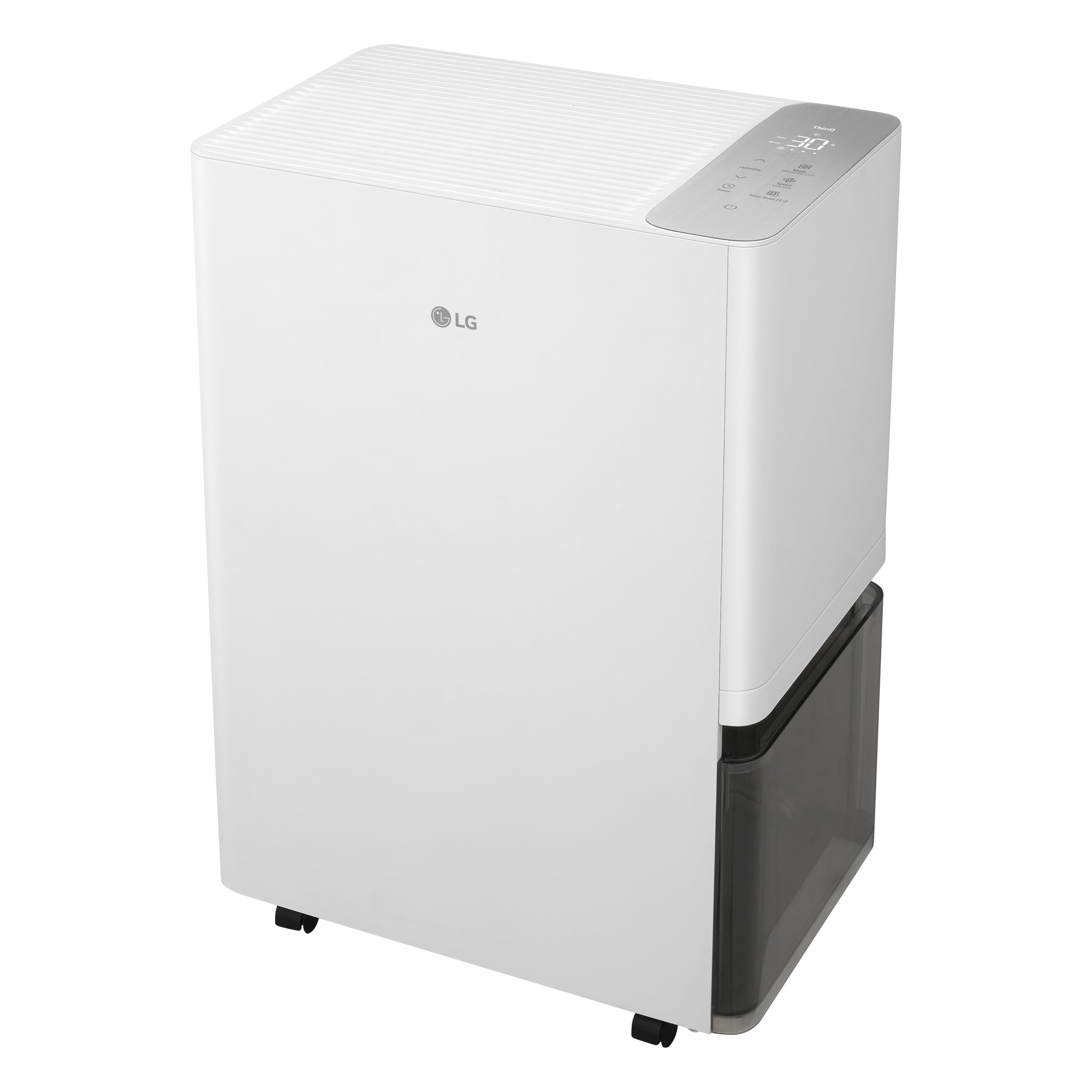
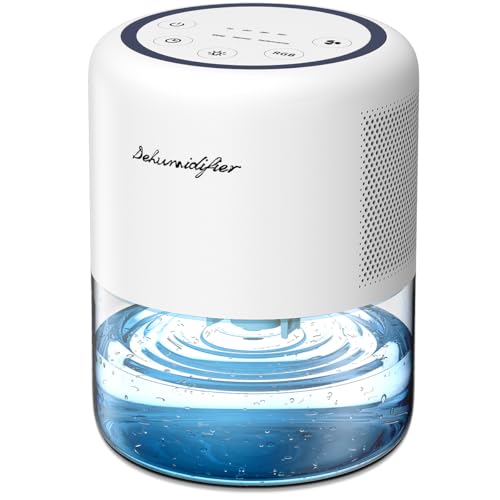
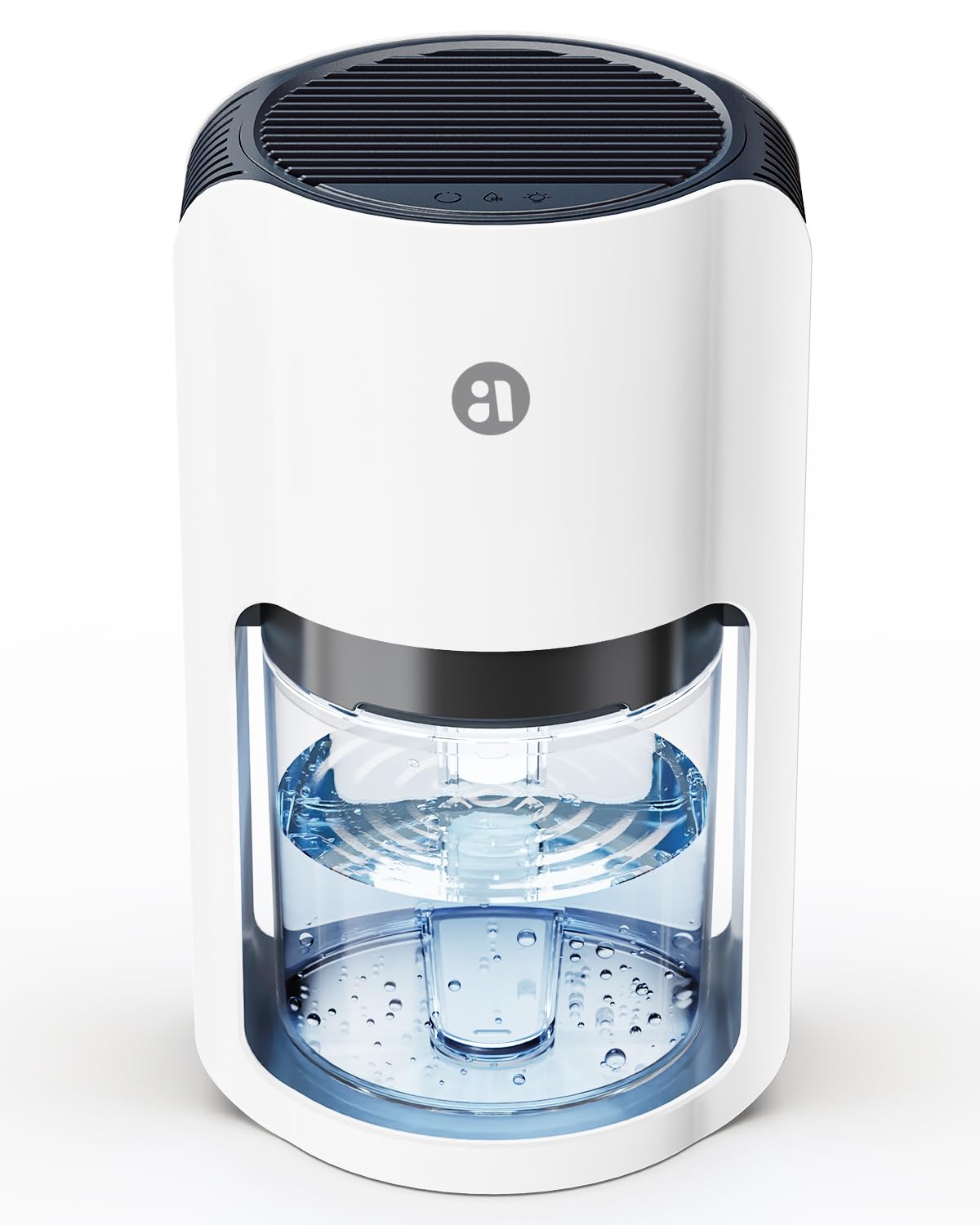
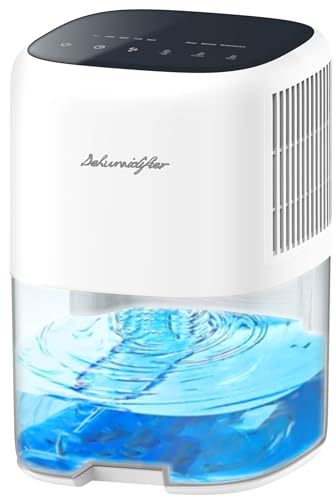
Types of Dehumidifiers Compared
Small room units suit closets, bathrooms and bedrooms, large room and whole home units suit basements and open floors, and portable compressor units on wheels suit people who want to move one machine between rooms. Here is how they compare at a glance.
| Type | Best For | Pros | Cons | Typical Price |
|---|---|---|---|---|
| Small room (thermoelectric or mini) | Closets, bathrooms, small bedrooms, RVs | Quiet, light, low energy use | Remove only ounces per day | around $40 to $60 |
| Large room and whole home | Basements, open floors, damp homes | High capacity, continuous drain, smart controls | Bulky, louder, higher cost | around $220 to $2,240 |
| Portable compressor (25 to 35 pint) | Bedrooms, offices, medium rooms | Balanced capacity, wheels, drain options | Need emptying without a hose | around $210 to $260 |
Small Room Units
Small dehumidifiers, like the Windangel 44 ounce unit, avylo small dehumidifier and Newo 44 ounce model, are compact and quiet. Most use thermoelectric (Peltier) cooling rather than a compressor, so they draw little power; Windangel lists about 24 watts and a size of roughly 6 by 6 by 8.5 inches at 2.6 pounds. They suit closets, bathrooms, small bedrooms, RVs and boats.
The trade off is capacity. Windangel says its unit collects up to about 11.8 ounces of water in 24 hours at 86 degrees and 80 percent humidity, which is helpful in a closet but far too little for a damp basement. Small units also work less effectively in cool rooms.
Choose a small room unit if you have a specific musty spot, such as a closet or bathroom without a fan, and want a quiet, low cost fix. Look for auto shut off when the tank is full and a sleep mode with dim lights.
Desiccant dehumidifiers are another small space option. They use a moisture absorbing material instead of a compressor and work better than compressor units in cold spaces such as unheated garages, though they use more energy per pint removed.
Large Room/Whole Home Units
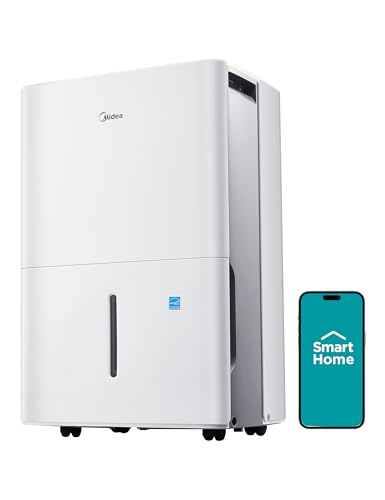
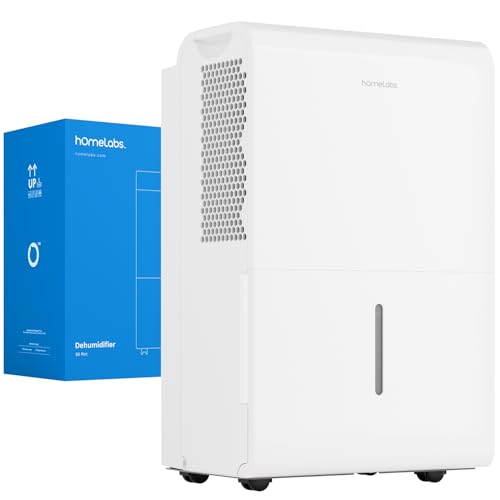
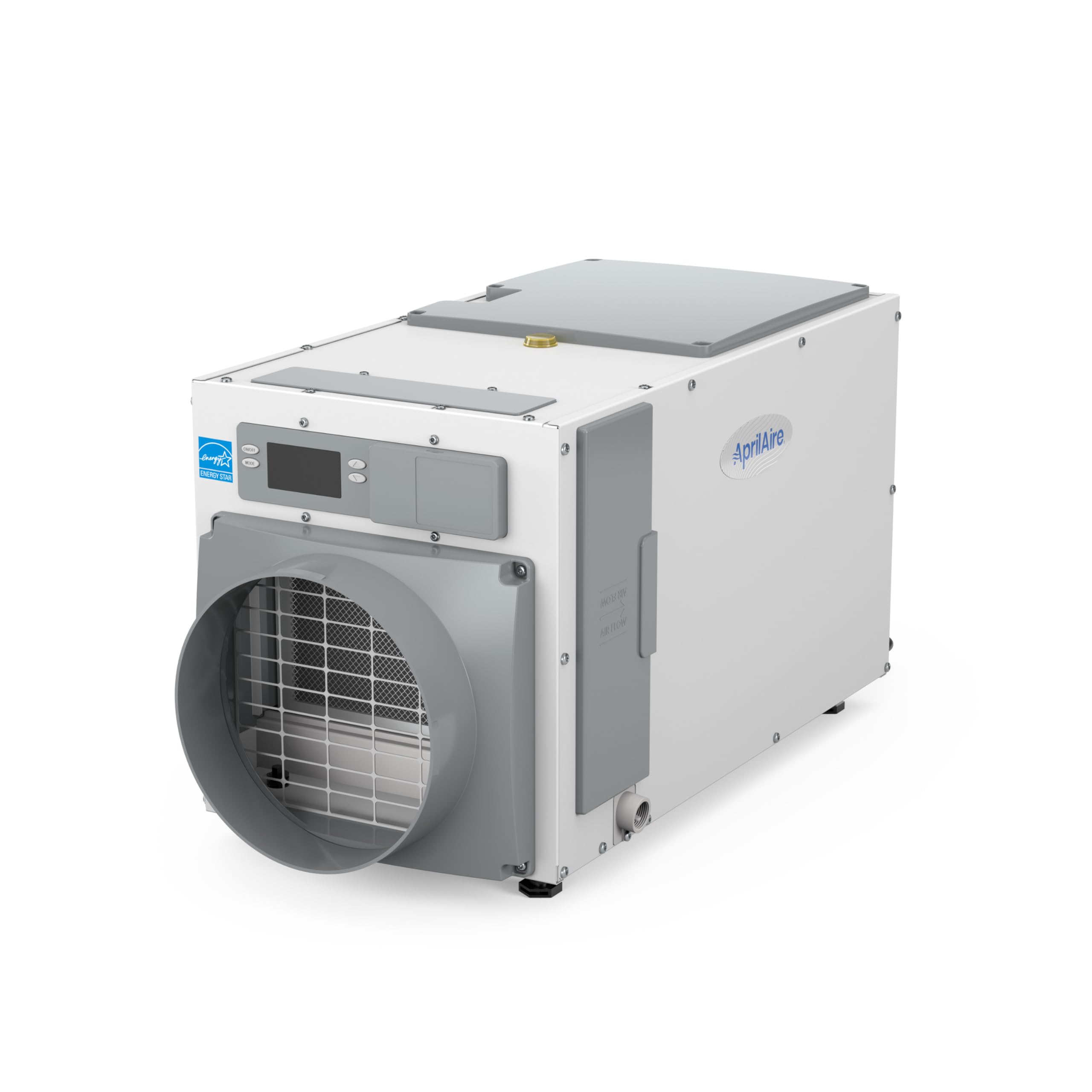
Large compressor dehumidifiers remove far more moisture. The Midea 50 pint model removes up to 50 pints per day, covers up to 4,500 square feet according to Midea, and offers Wi-Fi control and voice commands with Alexa or Google Assistant. The hOmeLabs 50 pint unit lists coverage up to 7,000 square feet and Wi-Fi control. Whole house systems, like the Aprilaire E100, connect to ductwork and handle an entire home.
The advantages are capacity and continuous drainage through a hose, so you do not have to empty a bucket. The downsides are size, weight, noise and price; a whole house unit also requires professional installation.
Choose a large unit for basements, homes in humid climates and open floor plans where moisture is a persistent problem.
Portable Units
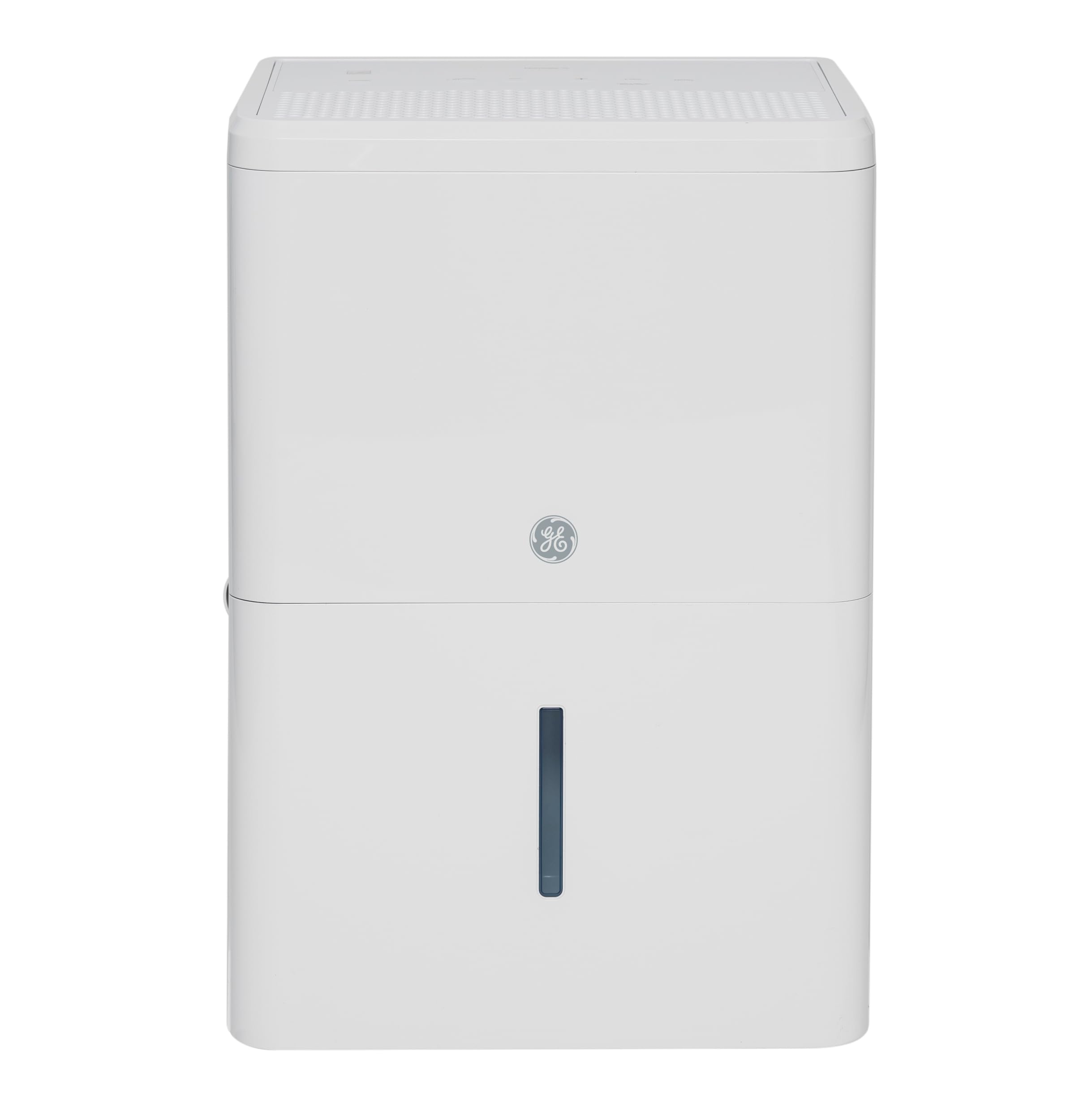
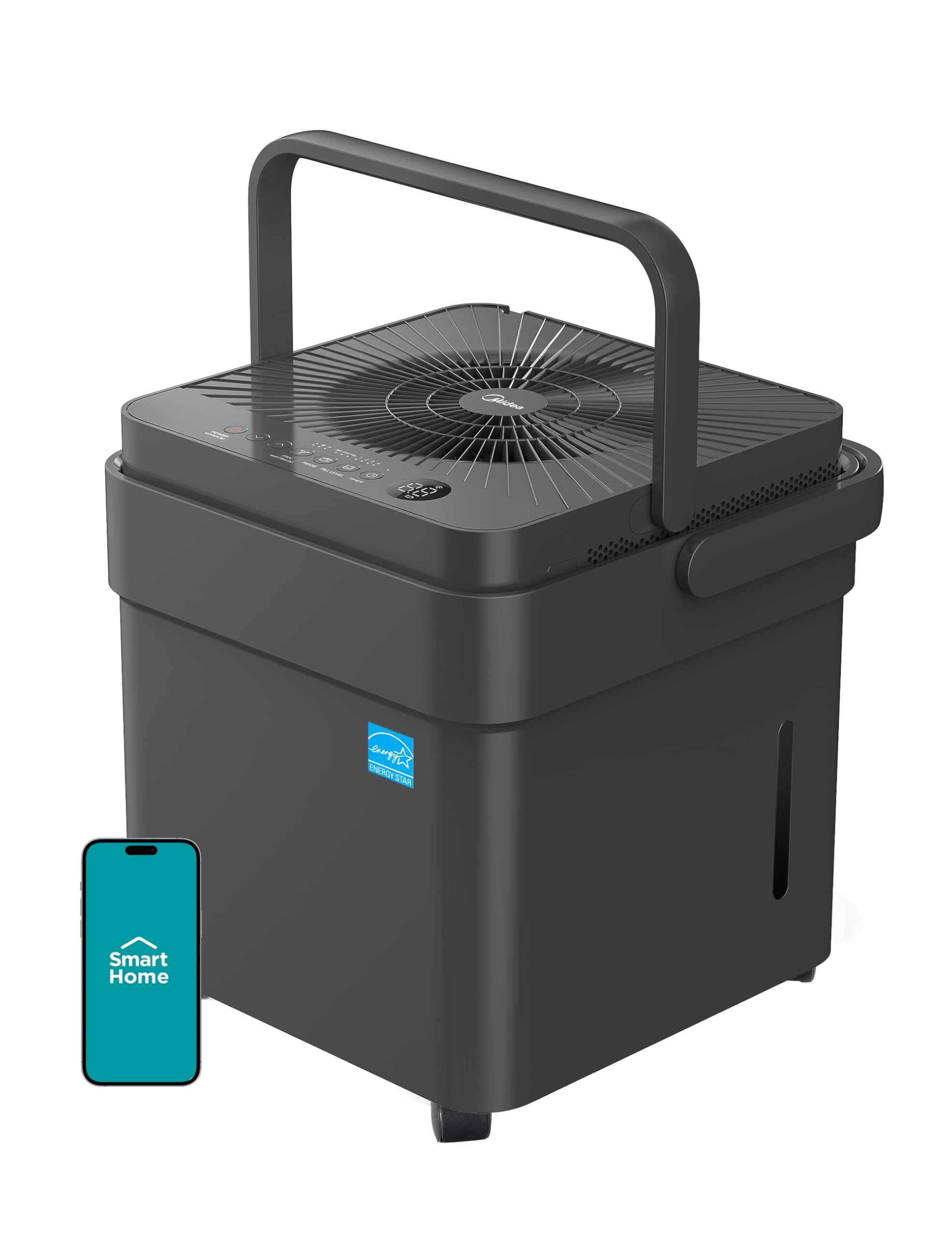
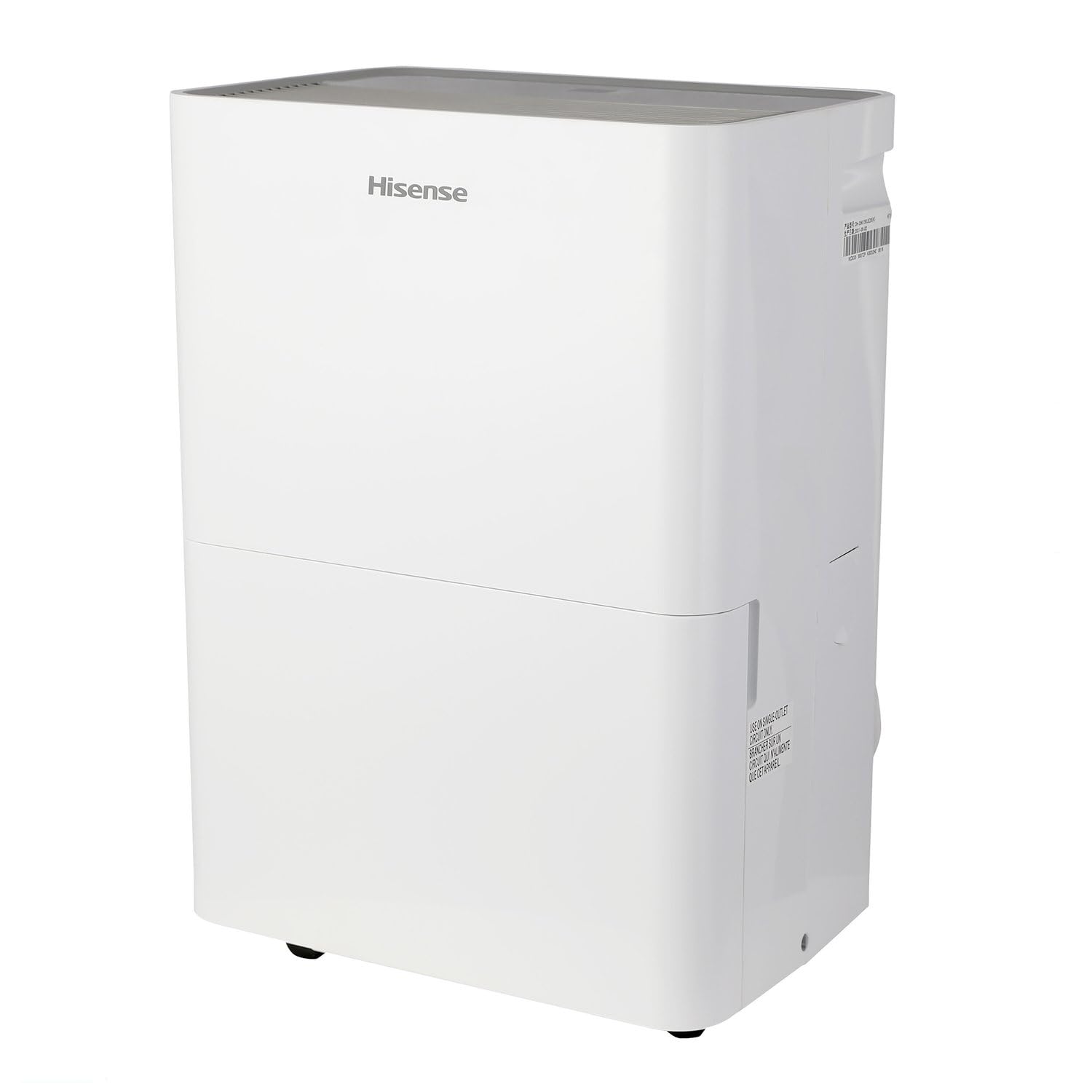
Portable compressor units in the 25 to 35 pint range, like the GE 35 pint, Midea Cube 35 pint and Hisense 35 pint compact model, balance capacity and size. They roll on wheels or carry by handle, so one unit can dry a bedroom in summer and a laundry room in winter. Many include a drain hose connection.
Their strengths are flexibility and enough capacity for most single rooms and small apartments. Their limitations are bucket size, which may need emptying daily in very damp rooms, and noise compared with tiny thermoelectric units.
Choose a portable unit for medium rooms, apartments and renters who want to take the dehumidifier with them when they move.
The GE 25 pint small dehumidifier is another option for bedrooms and bathrooms up to about 1,500 square feet, according to GE, if you want compressor power in a smaller body.
Small Room Units vs Large Room/Whole Home Units: Which Should You Choose?
Choose a small room unit for a single closet, bathroom or small bedroom with mild dampness, and a large unit for basements, open floors or homes where humidity stays high. Here is how they compare on five points.
- Capacity: Large units remove up to 50 pints a day; small units remove ounces.
- Noise: Small units are quieter, though Midea lists a low mode around 49 dBA for its 50 pint unit.
- Energy use: Small units draw less power, but large Energy Star units remove water more efficiently per pint.
- Drainage: Large units offer hose drainage; small units need frequent tank emptying in damp spaces.
- Price: Small units cost around $40 to $60; large units around $220 and up.
If you are unsure, measure the humidity with an inexpensive hygrometer. If readings stay above 60 percent in a large area, a compressor unit is the better investment.
How to Choose the Best Dehumidifiers for Home
The best dehumidifiers for home match your room size and dampness, run quietly enough for the space and drain in a way that fits your routine. Use these factors to decide.
Smart Controls and Sensors
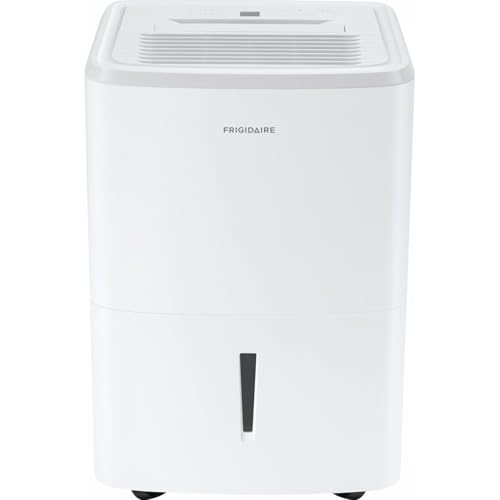
A built in humidistat lets you set a target humidity, and the unit cycles on and off to hold it. Midea's 50 pint unit offers settings from 35 to 85 percent. Wi-Fi models, like the Midea, hOmeLabs, Frigidaire and LG PuriCare units, let you adjust settings and get full tank alerts on your phone.
Smart features are most useful for basements and rooms you rarely visit. For a bedroom, simple digital controls are usually enough.
Room Size and Coverage
Coverage claims in square feet assume typical dampness. Very wet basements need more capacity than the square footage suggests. As a rough guide, small thermoelectric units suit spaces up to a few hundred square feet, 25 to 35 pint units suit single rooms and small apartments and 50 pint units suit basements and larger areas.
Ceiling height, room temperature and how damp the space feels all affect performance, so size up if in doubt.
Signs you need more capacity include condensation on windows, a musty smell that returns quickly, visible mold spots and a bucket that fills within hours. In those cases, step up to a larger unit or use a hose for continuous drainage.
Noise Level (dB) and Sleep Mode
Compressor dehumidifiers make a steady fan and compressor hum. Look for listed decibel levels and a low fan or sleep mode for bedrooms. Thermoelectric units are quieter but have a small fan. Placing the unit on a firm, level surface reduces vibration noise.
For bedrooms, choose units with a display that can be dimmed or turned off.
Safety Features
Auto shut off when the tank is full prevents overflow. Auto defrost protects coils in cool rooms such as basements. Automatic restart after a power outage returns the unit to its previous settings. Plug the dehumidifier directly into a grounded outlet rather than an extension cord, following the manual.
Keep units away from curtains and walls so air can circulate freely around the intake and exhaust.
Empty and clean the bucket regularly, since standing water can grow bacteria and odors. A quick rinse with mild soap every week or two keeps the unit fresh.
Performance Ratings (CADR, BTU, Pints/Day, CFM)
For dehumidifiers, pints per day is the key rating; it shows how much water a unit removes in 24 hours under standard rating conditions. Current Department of Energy ratings use 65 degrees and 60 percent humidity, so newer 50 pint ratings reflect cooler, more realistic basement conditions than older ratings. Some brands also list maximum pints at hot, humid conditions, like hOmeLabs' 120 pints at 95 degrees and 90 percent humidity.
CFM measures airflow, which affects how quickly air passes through the unit. CADR and BTU apply to air purifiers and air conditioners, not dehumidifiers. Energy Star certification signals efficient water removal per kilowatt hour.
Setup and Care Tips
Place the dehumidifier in the dampest part of the room, at least several inches from walls, and close windows and doors so it is not drying the outdoors. Set the humidity between 40 and 50 percent for most homes. Clean the washable air filter every two weeks or as the manual recommends, empty and rinse the bucket regularly to prevent odors and connect a drain hose to a floor drain for continuous use in basements.
At the end of the season, dry the bucket and coils completely before storing the unit upright.
Fix moisture sources too. Run bathroom fans during and after showers, vent clothes dryers outdoors, repair leaks and keep gutters clear so water drains away from the foundation. A dehumidifier works best when it is not fighting a constant new source of water.
Frequently Asked Questions
What size do I need for my room?
For small closets and bathrooms, a compact thermoelectric unit may be enough. For bedrooms and medium rooms, choose a 25 to 35 pint unit. For basements and large or very damp areas, choose a 50 pint unit. Size up if the space smells musty or has visible condensation.
How often should I replace the filter?
Most dehumidifiers use a washable mesh filter that you clean every two to four weeks rather than replace. Rinse it with warm water, let it dry and reinstall it. Some models have additional filters that need replacing, so check your manual.
Where is the best place to put it?
Place the dehumidifier in the dampest area, away from walls and furniture, with space for air to flow in and out. In basements, place it near the source of moisture and close to a floor drain if you plan to use a hose. Keep doors and windows closed while it runs.
Raising a unit slightly off a cold concrete floor on a sturdy stand can make emptying the bucket easier.
Is it expensive to run 24/7?
Running costs depend on the unit's wattage, your electricity rate and how often the compressor cycles. Energy Star models with humidistats cycle off when the target humidity is reached, which lowers costs. Small thermoelectric units draw very little power but remove far less water.
Setting the humidistat to 45 or 50 percent rather than the lowest setting avoids needless running and keeps the air comfortable.
Do dehumidifiers really work?
Yes, dehumidifiers reduce indoor humidity, which helps control musty odors, mold and dust mites. Results depend on choosing the right capacity and fixing moisture sources like leaks or poor ventilation. A hygrometer helps you confirm the room stays in the 40 to 50 percent range.
Most people notice the difference within a day or two: less clammy air, fewer odors and drier towels and walls.
Wrapping Up
The best dehumidifiers for home match capacity to the space. Small units like the Windangel suit closets and bathrooms, portable 35 pint units like the GE, Midea Cube and Hisense suit bedrooms and medium rooms, and 50 pint units like the Midea and hOmeLabs suit basements and damp homes. Focus on pints per day, drainage and noise, and keep humidity between 40 and 50 percent.
For related guides, see the best dehumidifiers for bathrooms, the best dehumidifier for basements, the best dehumidifiers with pump and the best home air purifiers. Then compare current prices in the product table above.