Best Dehumidifiers for Bathrooms (2026)
Disclosure: We may earn a commission when you buy through links on this page, at no extra cost to you. As an Amazon Associate I earn from qualifying purchases. Learn more

It's not surprising that the bathroom is the most humid room in your entire home, given the running water, showers, and often inadequate ventilation. Showers can make a bathroom especially muggy, causing moisture and water droplets to cling to walls, mirrors, and windows. Excessive humidity can degrade drywall, bubble paint, and provide a breeding ground for mildew, mold, and dust mites. According to the EPA, mold growth occurs when relative humidity stays over 60%, so your goal should be keeping your bathroom's moisture level under that even after a shower.
Running your exhaust fan during and after a shower helps, and if the weather is warm, leaving a window open for a while can reduce humidity too. But if you can't do either of those, or they aren't enough on their own, the best option is a good dehumidifier for your bathroom.
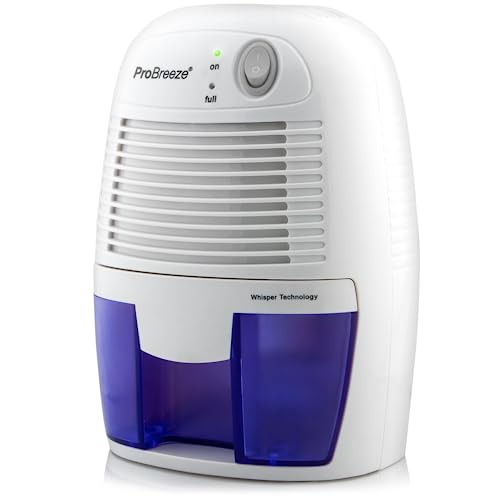

The right dehumidifier optimizes humidity levels by extracting excess moisture, helping prevent allergens from building up and eliminating the musty odor that comes with dampness. Finding a model that's compact enough for a bathroom but strong enough to handle the moisture can be tricky, so here's a rundown of some of the best options along with a buying guide to help you choose.
Top Dehumidifiers for Bathrooms
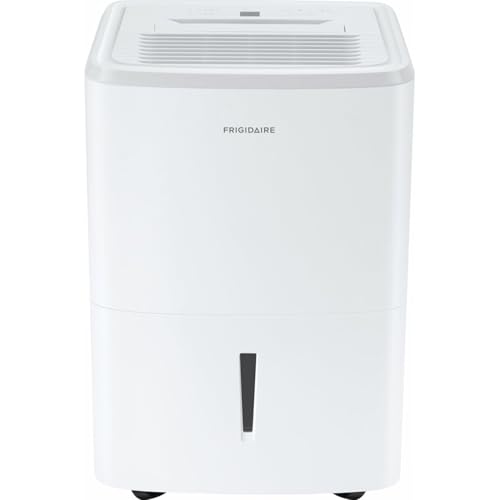
Frigidaire 50 Pint Dehumidifier with Wifi
Best Overall. This 50-pint Frigidaire dehumidifier adds WiFi control to a trusted brand, pulling large volumes of moisture out of the air while staying quiet enough for everyday use.
Key features:
- 50-pint moisture extraction capacity
- WiFi connectivity for remote control
- Suitable for larger bathrooms or higher humidity levels
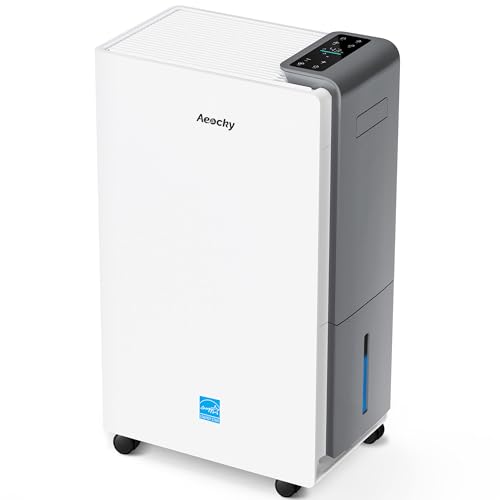
AEOCKY 4500 Sq.Ft Energy Star Dehumidifier
Best High-Capacity Pick. Rated for spaces up to 4,500 square feet and Energy Star certified, this is more dehumidifier than most bathrooms need on its own, but it's a strong choice if you want one unit to also help with an adjoining laundry room or basement.
Key features:
- Energy Star Most Efficient certified
- Up to 80-pint extraction capacity
- Rated for spaces up to 4,500 sq. ft.
Midea 1,500 Sq. Ft. Energy Star Dehumidifier
Best Mid-Sized Dehumidifier. A well-reviewed, Energy Star-certified model with a reusable air filter, sized for larger bathrooms or bathrooms that share airflow with an adjoining room.
Key features:
- Energy Star certified
- Reusable air filter reduces ongoing costs
- Covers up to 1,500 sq. ft.
Pro Breeze Electric Mini Dehumidifier
Best Portable Dehumidifier. One of the best-reviewed compact dehumidifiers on Amazon, this Peltier-based mini unit covers around 215 sq. ft., a good fit for a standard-sized bathroom.
Key features:
- Extensive review history backing up its reliability
- Compact, lightweight electric design
- Covers approximately 215 sq. ft.
Eva-Dry Wireless Mini Dehumidifier (E-333)
Best Budget Pick. This small, cordless desiccant dehumidifier doesn't need electricity or batteries to run. Recharge it roughly once every 8 to 10 weeks (by plugging it in briefly) and it can keep working for years.
Key features:
- No batteries or continuous power needed
- Recharges in a few hours roughly every 8 to 10 weeks
- Compact enough to tuck into a small bathroom or closet
Why Do You Need a Dehumidifier for Your Bathroom?
Bathrooms contain water and moisture and offer the warm, humid environment that hot showers, spills, and inadequate ventilation create, perfect conditions for mold, mildew, and microbes to thrive. Microbes can trigger allergies and respiratory issues, while mold and mildew damage personal belongings, clothes, and the structure of your home, and cause unpleasant musty odors. Dehumidifying your bathroom removes the excess moisture so the air stays clean and breathable, and the filters in many dehumidifiers also help capture allergens.
Types of Dehumidifiers
There are three basic types of dehumidifiers: electric, mechanical, and desiccant.
Electric dehumidifiers
Also called Peltier or thermoelectric dehumidifiers, these use a Peltier module, an electronic device that uses electricity to create a temperature difference between two heat sinks. Moisture is pulled into a reservoir as warm, moist air passes over the cold heat sink, while the hot heat sink warms and releases air back into the room. Electric dehumidifiers are small since they skip the compressor or pump, using only an electric module, a fan, and two heat sinks, which also makes them quiet. The trade-off is that they need electricity to run and have a lower dehumidification rate compared to desiccant and compressor models.
Mechanical dehumidifiers
Also called compressor or refrigerant dehumidifiers, these work by passing warm air over a refrigerated coil that causes condensation, which is pumped or dripped into a tank. The now-cooled air is reheated slightly and sent back into the room. A built-in pump speeds up the process by drawing in and releasing large volumes of air. Mechanical dehumidifiers tend to be bigger, heavier, and louder because of their extra components, but they remove moisture most effectively.
Desiccant dehumidifiers
Also called chemical absorbent dehumidifiers, these don't need electricity to extract moisture. A rotor draws air to the desiccant material, which removes moisture through adsorption. Once saturated, the desiccant is heated to release the trapped moisture so it can continue working. Their biggest advantage is effectiveness in low temperatures, since the desiccant's adsorption rate isn't affected by room temperature, and they can run for weeks or months before needing to be recharged.
Air purifiers vs. dehumidifiers
Both air purifiers and dehumidifiers help reduce allergens and make life easier for people with allergies, asthma, and other respiratory issues. An air purifier circulates air through a filter that traps dust, pollen, smoke, and other airborne particles. A dehumidifier instead extracts moisture from the air and lowers humidity, which helps limit the microbes, mold, and mildew that thrive in damp conditions.
What to Consider When Choosing a Bathroom Dehumidifier
When comparing models, evaluate them against the following factors.
Water tank capacity
A higher moisture extraction rate generally means a larger water tank is needed, and a bigger tank means you'll empty it less often. Some newer models offer continuous drainage, where a hose runs from the tank directly to a sink or drain.
Dehumidification performance
This is essentially the moisture extraction capacity of the unit. Since bathrooms typically run at higher humidity levels, look for a dehumidifier with a strong dehumidification rate.
Coverage area
Match the dehumidifier's rated coverage to your bathroom's size so it can effectively process the air in that space, rather than ending up underpowered for the room.
Sound level
Most dehumidifiers use a fan, and its speed and size affect how much noise the unit makes. Models with a compressor, pump, or other moving parts can add noticeable vibration and buzzing. Look for a unit with multiple speed settings so you can run it quietly when needed.
Size and weight
Size and weight should be driven by the humidity level and space you need to cover. Portable units are lightweight and compact, making them easy to fit into tight spaces and move around as needed. In general, size and weight track with coverage area, tank capacity, and unit type.
Additional features
Look for features that add convenience and save time, energy, or money, such as an auto-shutoff, a full-tank alert to avoid spillage, multiple speed settings, a delayed start timer, programmable humidity controls, continuous drainage options, a washable filter, caster wheels for easy moving, and an Energy Star rating.
Do's
- Choose a dehumidifier with the right moisture extraction capacity for your bathroom's size.
- Leave about 6 inches of space around the unit for free air circulation.
- Clean the inlet and outlet regularly.
- Clean the filter regularly to prevent allergen buildup and clogging.
- Unplug the unit before emptying or cleaning it.
- Keep the power cord away from water and kids.
Don'ts
- Don't forget to empty the tank regularly.
- Don't skip vacuuming the floor before switching on the dehumidifier, so it doesn't circulate dust.
- Don't rely on a dehumidifier to fix serious damp or water damage problems, call in a professional for that.
FAQs
What is the ideal humidity level?
Most spaces are best kept at a relative humidity of 45 to 50%. Above 50%, conditions become favorable for mold, bacteria, dust mites, and pests like cockroaches. Below 30% can also cause problems, including irritated respiratory passages and skin, more cold and flu-causing viruses in the air, separated wood flooring, and cracked ceilings.
Is it safe to shower while the dehumidifier is running?
It's generally safe, but not recommended. There's a risk of water splashing onto the unit, and the dehumidifier ends up working overtime trying to offset the warm, moist air produced by a hot shower.
Can a dehumidifier cause health problems?
Dehumidifiers are very safe to use. In fact, they tend to improve health by helping remove airborne dust mites, microbes, mold, and mildew from the air.
Conclusion
Choosing the best dehumidifier for your bathroom can be tricky, but the picks and buying guide above should help you find a model that fits your space and needs. Remember that even the best dehumidifier only works well when it's properly sized and used consistently, so take a moment to measure your bathroom and estimate your humidity levels before making a final choice.