6 Best Dehumidifiers with Pump
Disclosure: We may earn a commission when you buy through links on this page, at no extra cost to you. As an Amazon Associate I earn from qualifying purchases. Learn more
Whether it's making your hair frizzy or resulting in crazy allergies, excessively humid air has hardly worked wonders for anyone! Humid air has been a problem from seashore cities to apartment buildings to any household that dries its laundry indoors. Not only does it result in an uncomfortable environment, but it also results in severe allergies and respiratory problems due to mold, mildew and dust mites.

Top 6 Picks: Dehumidifiers with Pumps
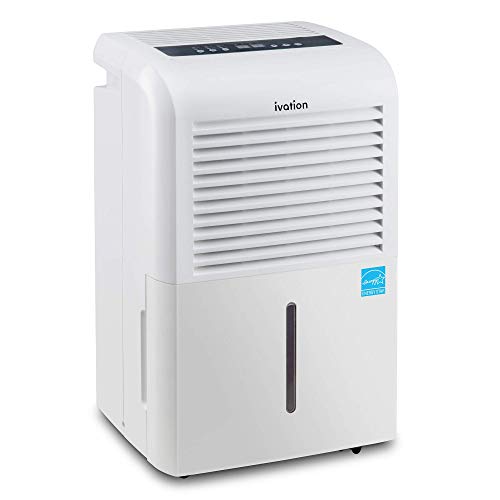
Best Overall: Ivation 4,500 Sq Ft Smart Wi-Fi Dehumidifier with Pump

This Ivation dehumidifier removes moisture from a coverage area of up to 4,500 square feet and comes with an integrated 16W pump and 16-foot hose, so you can divert water up into a sink or out a basement window without any manual emptying.
It's also Wi-Fi enabled, letting you turn the unit on and off, check ambient temperature and humidity, adjust fan speed, and set a timer straight from the free Ivation app. A bright LCD display shows the humidistat setting, fan speed, timer, and water/filter alerts. On top of that, you get auto safety shutoff, auto-restart after a power outage, and auto-defrost to protect the evaporator coils.
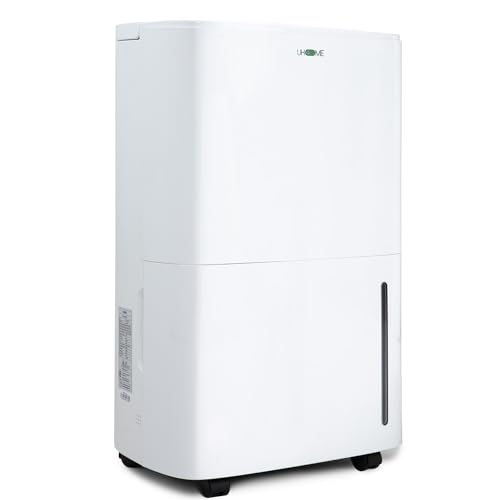
Best Budget-Friendly: Uhome 150-Pint Dehumidifier with Pump
Compact and reasonably priced, this Uhome dehumidifier can remove up to 150 pints of moisture a day and cover up to 7,000 square feet without leaving a burning hole in your pocket.
It offers three drainage options- manual, continuous, and pump drainage- and runs at a peak of just 48 decibels. A 24-hour timer, two fan speeds, and a child lock round out the control panel, and the unit ships with a 1-year warranty.
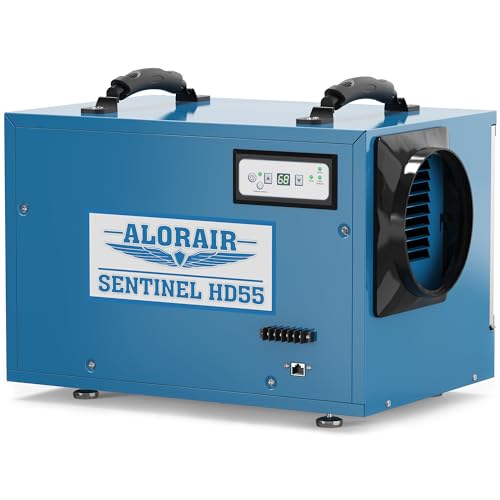
Best for Basements and Crawl Spaces: AlorAir Sentinel HD55
With a host of impressive features, this AlorAir dehumidifier is built for crawl spaces, basements, warehouses, and other tough conditions, making it perfect for the areas of your home that regular dehumidifiers struggle with.
It removes up to 113 pints per day at saturation, covering up to 1,200 square feet, and drains automatically with no tank to empty. The metal outer casing withstands rugged conditions, an automatic defrost system protects the compressor in cold temperatures, and the unit is backed by a 6-year limited warranty.
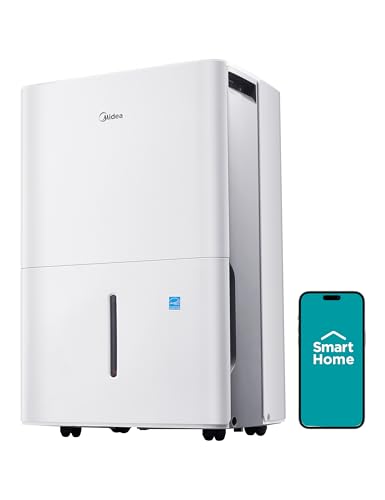
Best Quiet Dehumidifier: Midea 50-Pint Dehumidifier with Pump
Generating just 49 decibels on low mode (which is lower than most normal human conversations), this Midea dehumidifier is one of the quietest models you can buy with a built-in pump.
It removes up to 50 pints of moisture a day across 4,500 square feet, and the built-in pump drains vertically or horizontally into a sink or out a window so the bucket never needs emptying. It's also Wi-Fi enabled through the SmartHome app and works with Alexa and Google Assistant for voice control.
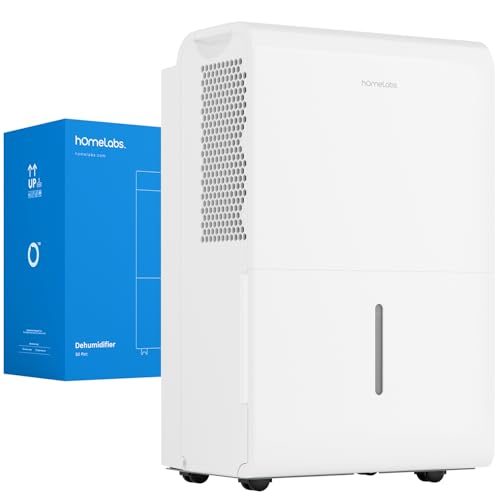
Best User-Friendly: hOmeLabs 4,500 Sq Ft Dehumidifier

Along with effectively removing allergens, this hOmeLabs dehumidifier is super user-friendly. Users just need to set their ideal humidity level and let the unit run, and it will shut off automatically or drain continuously through the included hose.
It removes up to 32 pints a day (up to 80 pints under extreme conditions) and covers spaces up to 4,500 square feet. Wi-Fi connectivity lets you adjust settings and monitor humidity remotely, and it works with Alexa and Google Assistant as well.
Best Coverage Area: Shinco 7,000 Sq Ft Dehumidifier with Pump
This smart Shinco dehumidifier keeps your house dry and comfortable across spaces up to 7,000 square feet, removing up to 150 pints of moisture a day under extreme conditions.
As an Energy Star certified unit, it's designed to keep operating costs down while running at a peak of just 48 decibels, and Wi-Fi smart control lets you monitor and adjust humidity levels, set timers, and customize settings from anywhere. It offers three drainage options- manual, continuous, and pump drainage- plus a 24-hour timer and child lock.
Buying Guide
We may have just told you about the best dehumidifiers with pumps available in the market, but nothing good ever came of blindly following anyone or anything. Your own research is highly important as this allows you to carefully consider your own requirements and the features of the product and voila! The best match is your answer. However, in order to find this match, it's important to understand a few things about dehumidifiers. What are their advantages? Why exactly do you need one? Are there different types of dehumidifiers? How do they work? Most importantly, what features do you need to look for in a dehumidifier that indicate a good performance?
Fear not, we've got you covered. This buying guide will answer all your questions and more!
How Does a Dehumidifier Work?
Humidity (the moisture content in the air around you) can exist for a lot of different reasons, whether it's building itself, or your daily activities like cooking and drying your laundry indoors. All this results in horrible-smelling damp air, moldy walls and clothes and the risk of respiratory illness as well. Apart from this, humidity can also fry your computer's circuits by causing them to rust or short circuit, as well as any optical equipment like binoculars and cameras. The ideal indoor humidity level should be anywhere between 30-50%. Anything higher and your indoor atmosphere is going to be a wet blanket. Literally and figuratively!
So where does the dehumidifier come in? As the name suggests, a dehumidifier dehumidifies. This vacuum-cleaner-like electronic device sucks in the air in your home, takes the excess moisture out of it and sends it back into the room to ease your breathing experience. If you really want to get into the nitty-gritty, a dehumidifier works in two ways — either through refrigeration or absorption/adsorption.
So, where does all the moisture it sucks go? Well, it empties into a collection tank in the device that requires periodic emptying (at least once a day).
Why Is Having a Dehumidifier Advantageous?
Before you understand the benefits of having a dehumidifier, let's take a look at the signs that tell you that you need a dehumidifier!
- Constant allergies that have a suspicious tendency to only show up when you're at home
- Water stains on your walls or ceilings
- A constant smell of must or mildew (think long unopened suitcases of winter clothes or attics that need serious airing out)
- Constant condensation on your windows, especially in areas close to water pipes or bathrooms
- Tiny black spots on the walls or above-mentioned areas (hello, mold spores!)
Besides these, you may also want to consider a dehumidifier if you live in an apartment building as mildew and mold spores have this annoying habit of gatecrashing all parties. These spores can travel miles through ventilation systems and conquer any wall. No matter how clean you keep your surroundings, these allergens can travel from other areas of your building and harm the health of everyone who lives in your house. Unfair, we know, but this is probably why a dehumidifier would do you a world of good.
The Advantages of a Dehumidifier
- The first and most obvious benefit is that dehumidifiers reduce humidity levels, making it hard for nasty allergens to thrive and thereby, affect you and your loved ones at home. This does away with any respiratory illness and also gets rid of any nasty mold that could develop on your clothes and furniture.
- Dehumidifiers are content to stay in the background and quietly do their job without disrupting your day-to-day activities.
- Dehumidifiers can get rid of all the nasty odor in your house caused by mildew and mold.
- Clothes dry faster in dry air.
- Dehumidifiers keep your food fresh longer and prevent rust and corrosion on any metals as well as electronic appliances and tools.
- These handy devices also reduce the amount of dust in your house, thereby reducing the number of times you'll have to clean.
- Dehumidifiers also help you save money by lowering the energy expenditure of your air conditioner! How? Well, when the air is thick with moisture, your poor air conditioner must do the job of cooling the air and removing moisture, meaning harder work, meaning more energy requirement. This also reduces the device's life span, leading to more repairs and eventually, premature replacement.
Types of Dehumidifiers
Like most things in life, dehumidifiers come in many different versions, but three are the most common types. Most dehumidifiers have tanks that collect the moisture that's sucked out of the air, as mentioned earlier. Some models also come with a special hose that lets the collected water flow out of the device into a drain closeby. However, this brings in the problem of having to ensure that the dehumidifier is installed at a higher level than the drain, so that gravity can do its job.
Lastly, we have the dehumidifiers with pumps which have special feature the other two types don't. These guys not only suck the moisture and collect it in a tank, but they also remove this collected water by themselves, regardless of where they're positioned. This is made possible by the pump pushing the water out through the hose, negating the need for gravity. These types of dehumidifiers can be installed near sinks, windows, drain holes in the floor, or even exterior walls (with a hole for the hose, of course).
Dehumidifier with a Pump vs One without
A dehumidifier with a pump is super convenient as it automatically pumps out the water in its collection tank through a tube to a nearby drain or anywhere else it's connected to. This automatic function means less manual work, besides which the water is pumped out vertically.
A dehumidifier without a pump will require manual emptying and depending on the size of the tank, you may have to empty it out several times a day. There are dehumidifiers with internal condensate pumps available; however, these are more expensive. If you don't mind the extra bucks, they're super handy to have around, especially in an empty house. It also saves you the trouble of lugging around a heavy bucket of water or trying to reach your dehumidifier if it's in a place like an attic or a crawl space.
What to Look Out For in a Dehumidifier
Many features need to be considered while purchasing a dehumidifier. Here's a brief list to make life easier:
- Dehumidifier Performance: The first thing to consider should be the performance of the dehumidifier. Look for one that's durable and can effectively reduce moisture levels. Most devices have a capacity of 70 pints a day, though some do offer as much as 90 pints. Buy a device based on how much moisture you want removed and how fast, as higher the capacity, faster the moisture removal.
- Portable: If you want to dehumidify various areas in your house but don't want to invest heavily in a whole-house dehumidifier, a portable dehumidifier is a great option to consider. They're easy-to-use, affordable and effective.
- Coverage Area/Size: The size of a dehumidifier is another factor to consider. Calculating the square footage of the room or area of your house you want to install the dehumidifier in can help you find one in a size that's perfect for you. Larger rooms require higher moisture removal, which means a bigger dehumidifier. Most manufacturers also provide sizing charts to make the process easier.
- Automated Control: A dehumidifier with automated controls for setting and monitoring humidity levels is much easier to handle than a manual one. As mentioned earlier, the humidity level indoors should be anywhere between 30-50% (this number varies according to the season). Devices with built-in hygrometers do the job of automatically measuring the humidity level, maintaining the level of desired humidity and displaying the number. The alternative is to buy a hygrometer (between $60-100) and hang it next to the dehumidifier.
- Drain Height: If you're using a dehumidifier with a pump, the drain height is an important factor to consider. The pump can only push the water up to a certain height and anything more could damage the pump or result in leaks.
- Water Capacity and Automatic Shutoff: If your home has extremely damp air, consider investing in a dehumidifier with a larger collection tank or bucket. These need to be emptied less often, though they will also be a little heavy on your wallet. The pumps in some dehumidifiers don't kick in till the water reaches a certain level, so ensuring the bucket doesn't overflow before the pump kicks in is crucial. You can also look for dehumidifiers that automatically shut off when the bucket has reached its maximum capacity. Additionally, dehumidifiers with front-loading buckets are easier to empty.
- Self-emptying: If you have a dehumidifier with a pump, this is already taken care of. If not, look for self-draining dehumidifiers with a drain-hose connection, or one that uses evaporation technology.
- Automatic Defrost: Unless you live in sunny Florida, opt for a dehumidifier that automatically defrosts when the temperature gets too low. This saves you from having to deal with frosted-over heat-exchange coils on your dehumidifier when temperatures drop below 65 degrees Fahrenheit at home.
- Other Features: Other features that you may want to look for are whether the dehumidifier is quiet, energy efficient and has washable filters. Also, the dimensions of the dehumidifier will matter depending on the area you're putting it in and whether you plan to move it around the house. In the case of the latter, a dehumidifier that weighs less would be ideal. Also, look for a good deal on the warranty of the device. Lastly, bonuses can make anyone happy, so look for extra features in your dehumidifier such as LED indicators, straightforward and easy-to-use controls, multiple speeds and rolling wheels at the bottom and handles on top for portable dehumidifiers.
Which Dehumidifier Saves on Operating Costs?
Operating a dehumidifier requires anywhere between $5-30 per month, but this can vary depending on your electricity expenditure, the amount of time the device runs each day, as well as the device itself. Any dehumidifier that is Energy Star rated can save you money on operating costs as these models are energy-efficient. Additionally, an undersized humidifier could increase operating costs as it would need to work harder to remove moisture in an area that exceeds its standard capacity.
Whole House or Multiple Smaller Units?
Though "whole house" does sound like the better option, buyers should be aware that a whole house dehumidifying unit will not be effective if the airflow within the house is restricted. If air doesn't flow easily from one room to the next, the efficiency of the whole house unit is greatly diminished. In such a case, smaller units or a portable dehumidifier are better options.
What Is Ducting and Do I Need to Do It?
Ducting allows users to duct their dehumidifiers into an existing HVAC system. This helps users who need to remove excess moisture from multiple rooms and is a great option for dehumidifying large spaces that need constant dehumidification, such as indoor pools. Ducting also lets you hide your dehumidifying device without compromising on its functioning.
How Long Does a Dehumidifier Last?
Residential dehumidifiers typically last 3-5 years under normal operating conditions but this also depends on its use, maintenance and coverage area.
The Verdict
As you've probably seen by now, having a dehumidifier is in itself advantageous, but a dehumidifier with a pump can do you one better. Convenient, equipped with great features and a safeguarder of your health, dehumidifiers are devices all households with damp air should seriously consider. Each of the six models we've reviewed has their respective standout features, but the Ivation Smart Wi-Fi dehumidifier is our top pick for its large coverage area, integrated pump, and additional features such as auto-shutoff and an LCD interface to control speeds, the timer and the humidistat. However, as we said before, do make a list of your own needs and ensure that the dehumidifier you buy fulfills most of these needs, if not all of them.
So what are you waiting for? Get yourself a dehumidifier with a pump and say hello to easier breathing and better air quality!