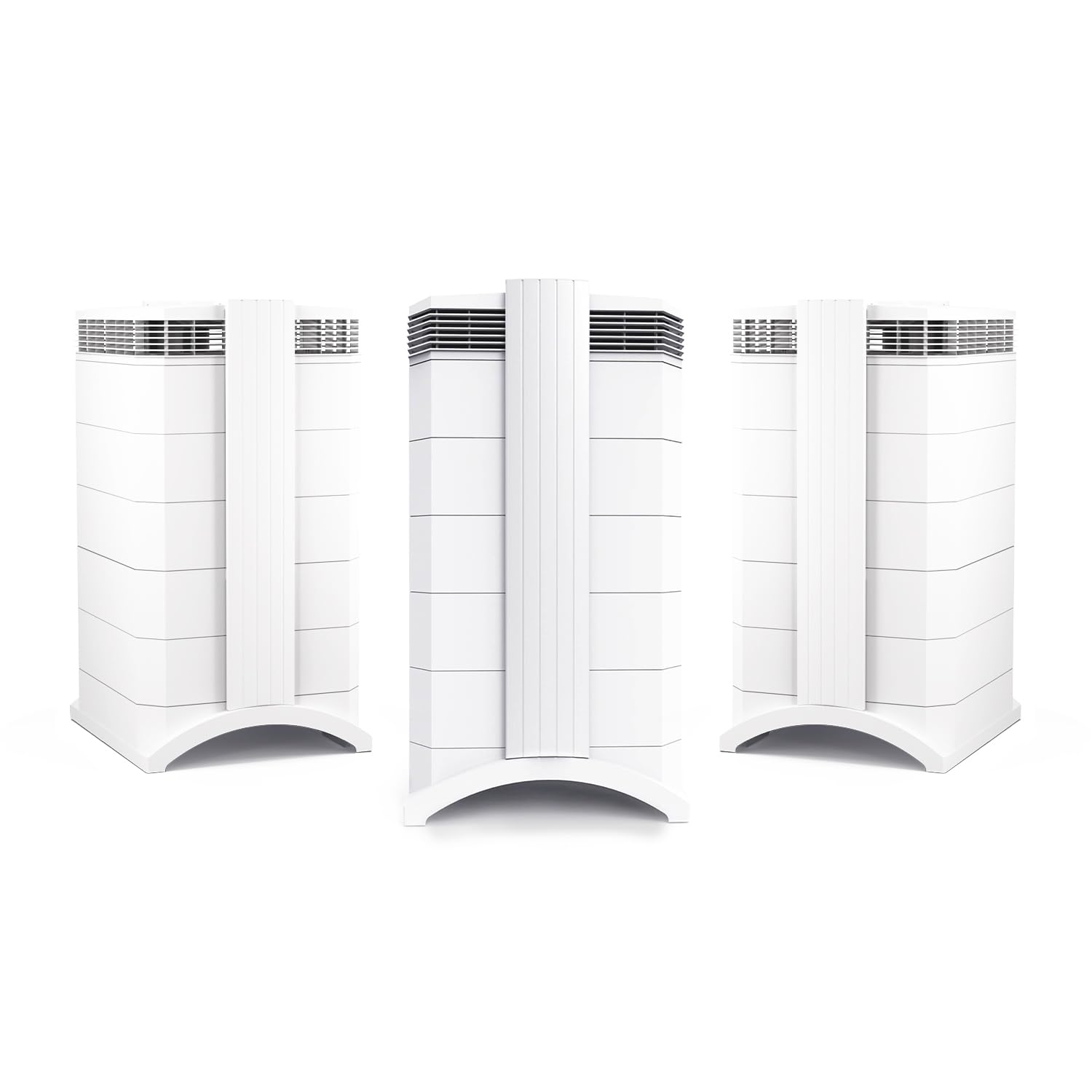
The Best Air Purifiers for Pets and Pet Odors in 2026
Disclosure: We may earn a commission when you buy through links on this page, at no extra cost to you. As an Amazon Associate I earn from qualifying purchases. Learn more
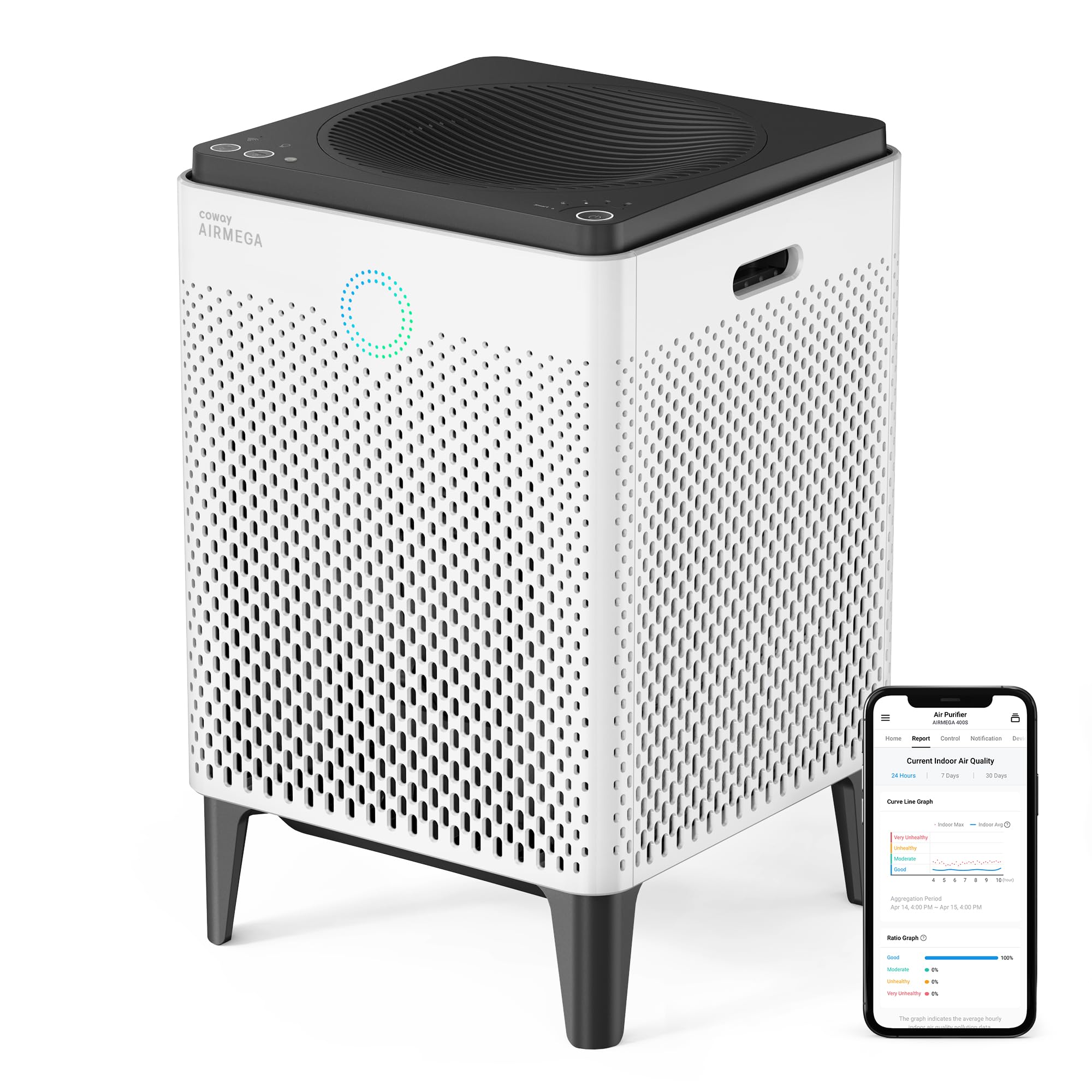
A buying guide to the best air purifiers for pets, covering HEPA filtration, activated carbon, room sizing, and filter maintenance.
Living with cats or dogs means living with dander, loose hair, and the occasional lingering smell no amount of vacuuming fully solves. The best air purifiers for pets tackle all three problems at once by combining true HEPA filtration for airborne particles with activated carbon layers that absorb odor molecules directly from the air. This guide covers exactly which specs matter for a pet-heavy household, how to size a unit correctly, and which features are worth paying extra for versus which ones are mostly marketing.
Pet owners dealing with allergies in the household have an added reason to get this decision right, since dander particles are small enough to stay airborne for hours and settle into fabric and bedding throughout the home.
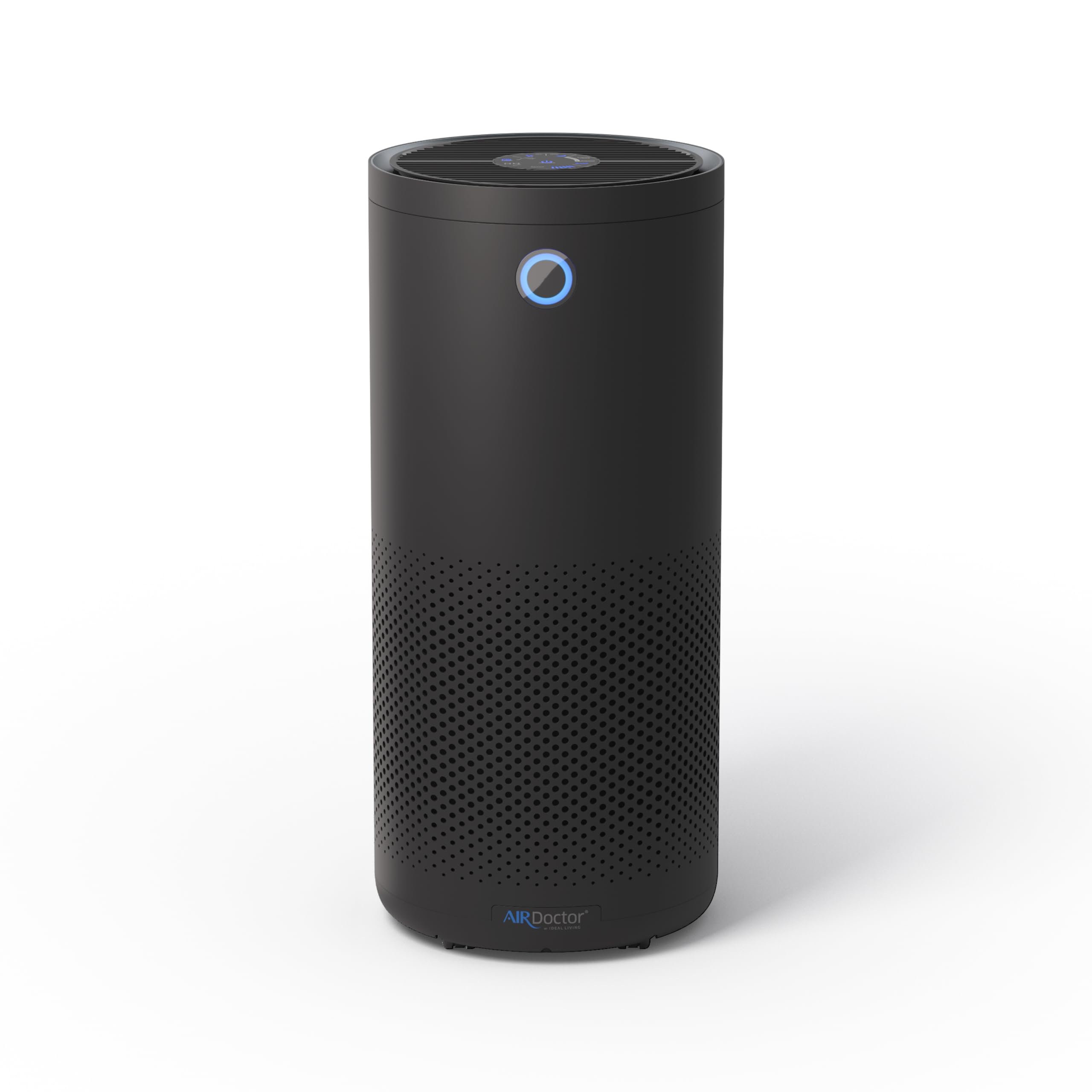

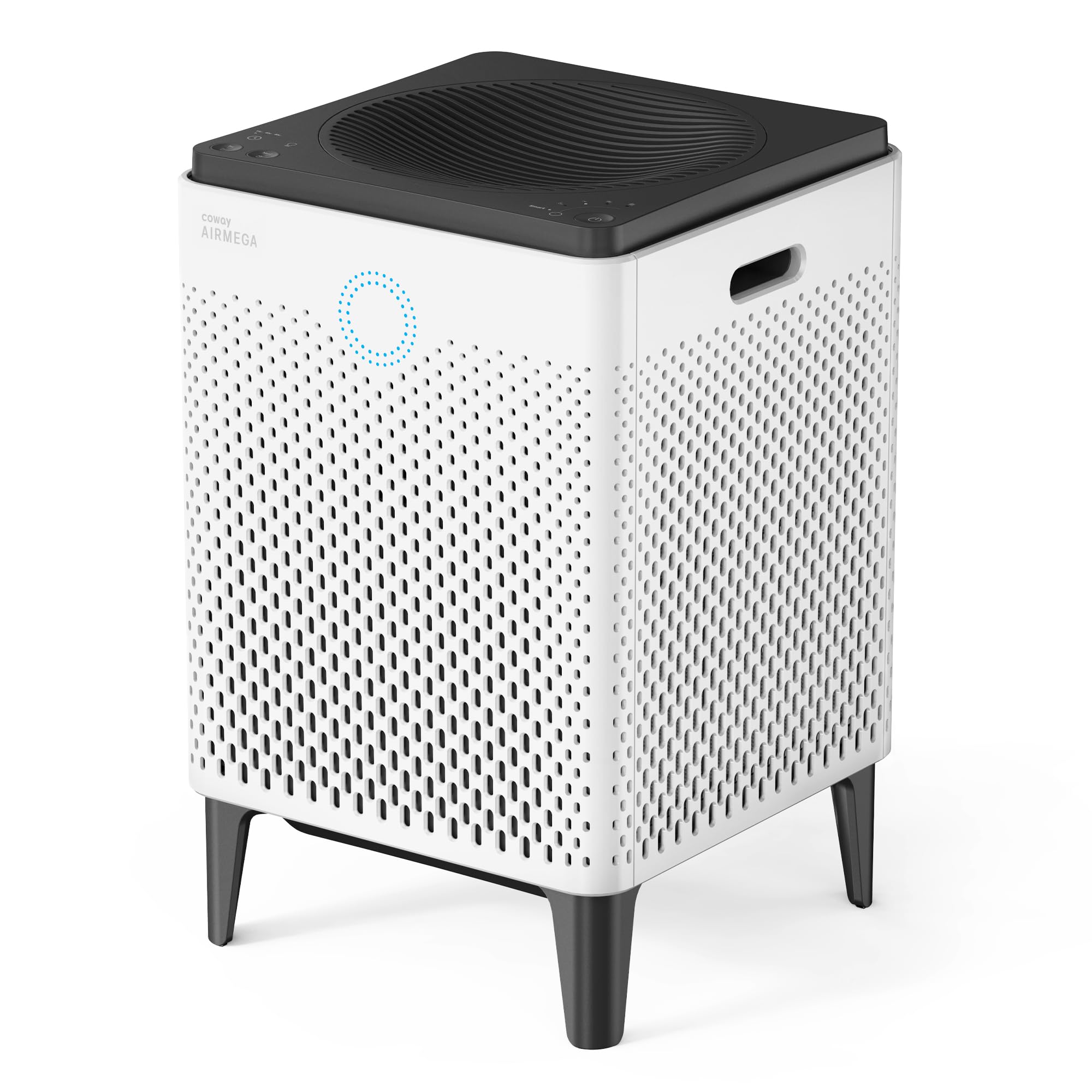



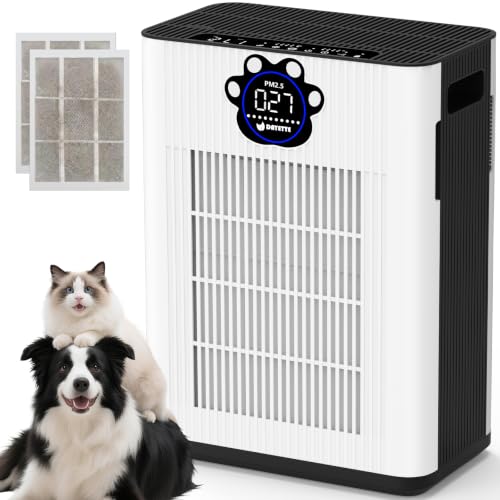
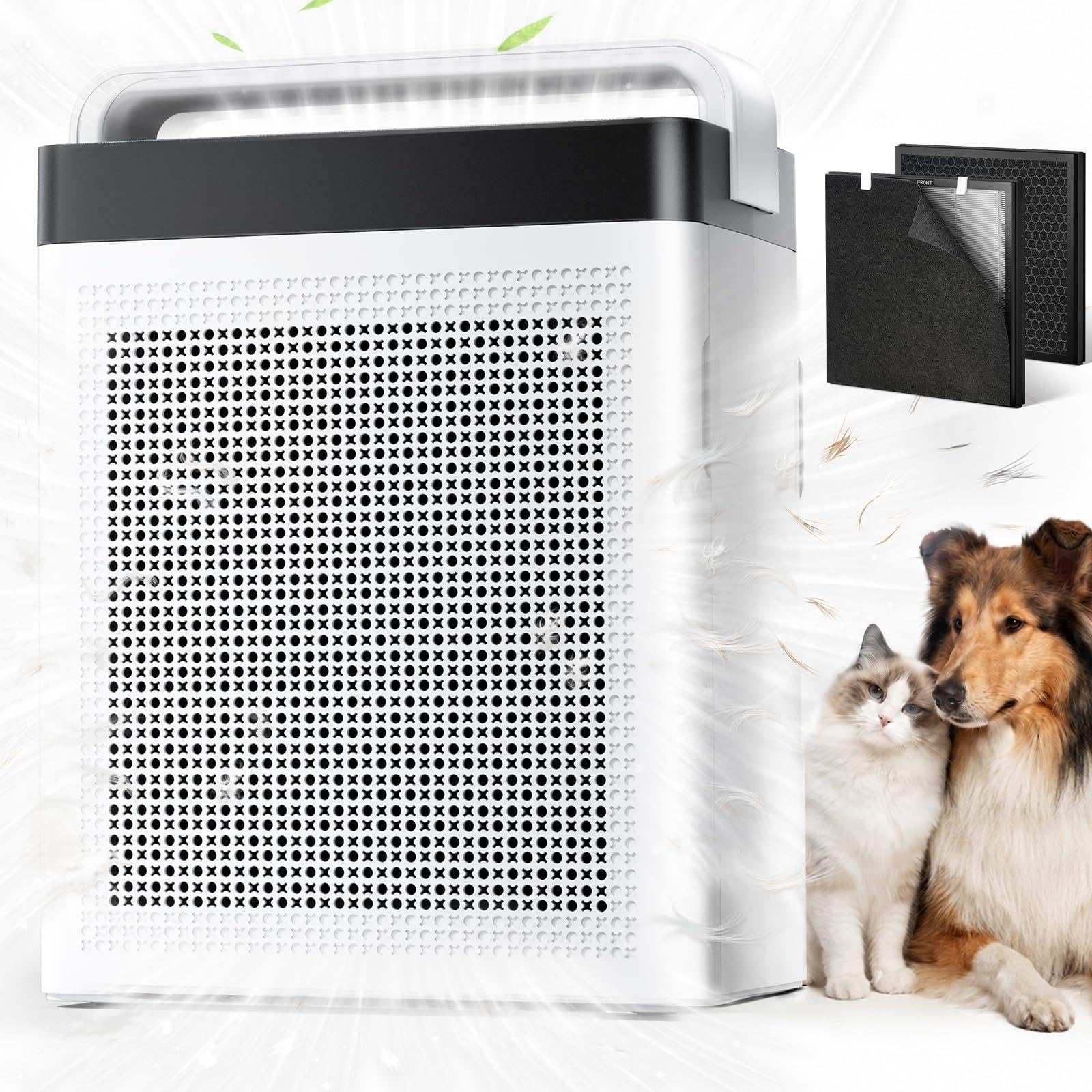

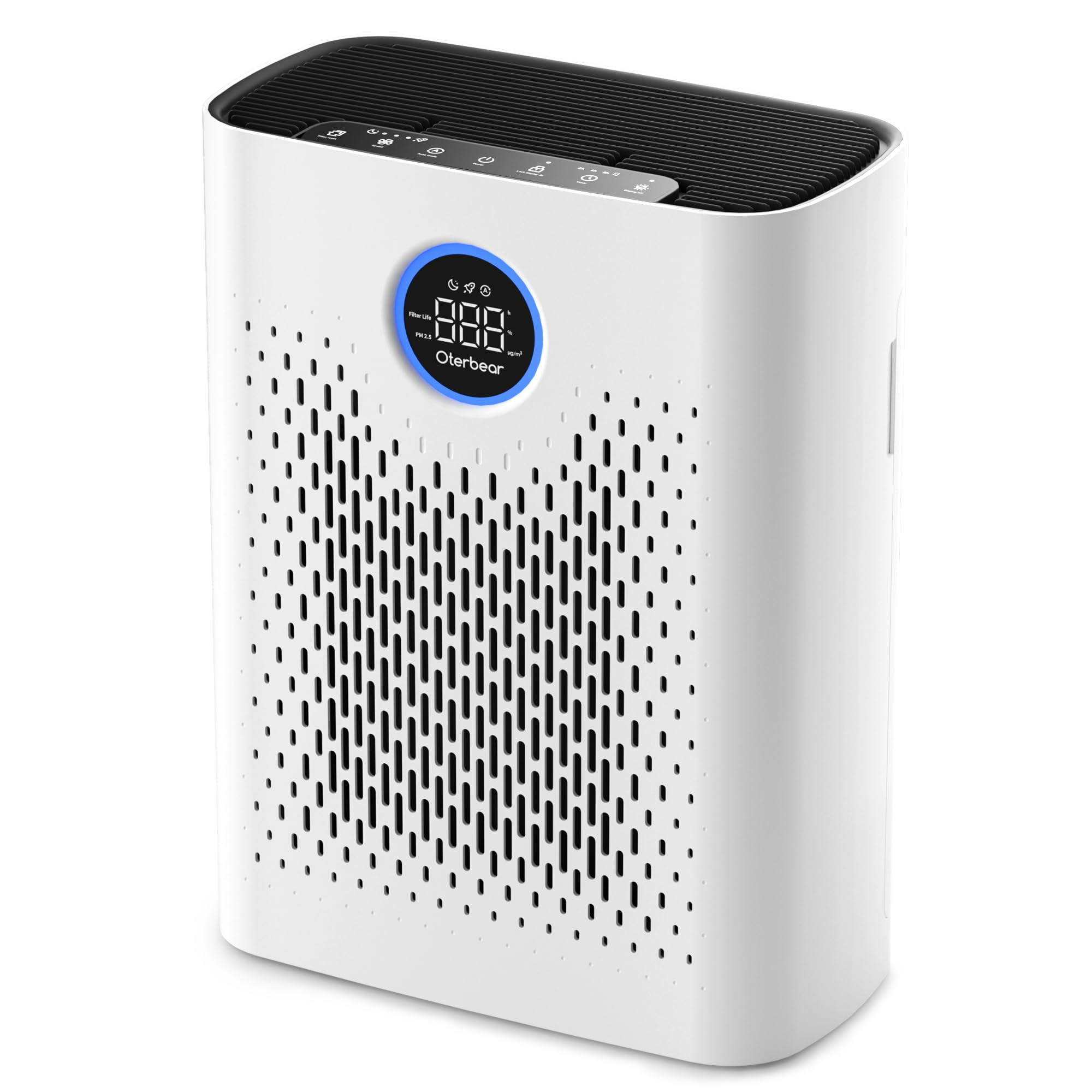
Why Standard Air Purifiers Fall Short for Pet Owners
A generic air purifier without a substantial carbon layer handles dust and general particles reasonably well but does little for odor, since particle filtration and odor absorption rely on entirely different mechanisms. Pet dander is also smaller and lighter than most household dust, meaning it stays suspended in the air far longer and requires a genuinely high air exchange rate to clear effectively. Units marketed generically for allergies sometimes lack the carbon volume needed to keep up with a multi-pet household, leading to persistent odor even when the particle filter is working properly.
HEPA Filtration and Pet Dander
A true HEPA filter captures at least 99.97 percent of particles down to 0.3 microns, which covers the vast majority of pet dander, dust mite debris, and pollen. Filters marketed as HEPA-type or HEPA-like use looser standards and capture noticeably less, so checking specifically for true or certified HEPA filtration matters more with pets in the home than it would in a pet-free household. Pre-filters that catch larger particles like hair and coarse debris extend the life of the main HEPA filter significantly, which matters since HEPA filters are usually the most expensive component to replace.
Activated Carbon and Odor Control
Odor molecules pass right through a HEPA filter untouched, since they are gaseous rather than particulate, which is why activated carbon does the real work of odor control. The amount of carbon matters more than most buyers realize: a thin carbon layer wrapped around a HEPA filter handles light odor, while a dedicated carbon pre-filter with substantial mass handles heavier, persistent pet odor far more effectively. Multi-cat households or homes with litter boxes nearby generally need a unit with a noticeably thicker carbon layer than a single-dog household would.
Sizing a Purifier to the Room and Household
Sizing correctly is one of the most overlooked steps when shopping for the best air purifiers for pets, since an undersized unit simply cannot keep up regardless of filter quality. Manufacturers list a Clean Air Delivery Rate, commonly abbreviated CADR, that indicates how much filtered air a unit produces per minute. As a rule of thumb, choosing a unit rated for a room at least 1.5 times the actual square footage accounts for the extra particle load pets introduce compared to the standard rating, which assumes a pet-free environment. Multi-room coverage generally works better with two smaller units placed in the most-used rooms rather than one oversized unit trying to serve an entire open floor plan.
- Small room or single cat: CADR around 100, unit sized for 150 to 250 square feet
- Medium room or one to two pets: CADR around 200, unit sized for 300 to 500 square feet
- Large open space or multiple pets: CADR 300 or higher, unit sized for 600 square feet or more
Noise Levels and Placement
Running a purifier continuously, which is necessary to keep up with ongoing shedding and odor, means noise level matters more than a one-time spec check suggests. A unit under 50 decibels on its medium setting works well for living rooms and bedrooms without becoming a constant background irritation. Placing the unit near where pets spend the most time, such as a favorite resting spot or near the litter box, captures dander and odor closer to the source rather than waiting for it to spread throughout the room first.
Filter Replacement Costs and Maintenance
Pet households burn through filters noticeably faster than pet-free homes, since the added particle and odor load shortens filter lifespan. Budgeting for a HEPA filter replacement every 6 to 8 months rather than the standard 12-month estimate on the packaging gives a more realistic picture of ongoing cost. Washable pre-filters that catch hair and coarse debris reduce how often the more expensive main filter needs replacing, and vacuuming visible hair off the pre-filter weekly extends its effectiveness considerably.
Additional Features Worth Considering
Auto Mode with Air Quality Sensors
A built-in sensor that detects particle levels and adjusts fan speed automatically saves energy during quiet periods while ramping up quickly after a shedding session or litter box use, without requiring manual adjustment throughout the day.
UV-C Light
Some units add a UV-C light stage intended to neutralize bacteria and odor-causing microbes, though this feature works best as a supplement to strong carbon filtration rather than a replacement for it.
Filter Change Indicators
A light or digital readout that tracks filter life removes the guesswork of estimating replacement timing, which matters more for pet households given the accelerated filter wear pattern.
Where Not to Place a Pet Air Purifier
Pushing a unit into a corner or against a wall restricts airflow intake and reduces effective coverage significantly, even for an otherwise well-rated purifier. Placing one directly next to a litter box without adequate clearance can overwhelm the carbon filter faster than intended, shortening its useful life. A central location with a few feet of clearance on all sides generally delivers the best real-world performance regardless of the unit's rated specifications.
Choosing among the best air purifiers for pets ultimately comes down to matching carbon volume and CADR rating to the actual number of pets and room size, rather than picking based on price or brand recognition alone.
Frequently Asked Questions
How often should filters be replaced in a pet household?
HEPA filters typically need replacing every 6 to 8 months with pets in the home, while activated carbon filters may need replacing even sooner depending on odor intensity.
Can one air purifier handle a multi-pet household?
Yes, as long as it is sized generously for the space and includes a substantial carbon layer, though larger homes often benefit from placing a second unit in a secondary high-traffic room.
Do air purifiers help with pet allergies?
True HEPA filtration removes the vast majority of airborne dander, which can meaningfully reduce allergy symptoms, though it works best alongside regular cleaning and grooming rather than as a standalone solution.
Are pet air purifiers safe to run all day?
Yes, most are designed for continuous operation, and running one constantly on a low or auto setting is actually more effective than switching it on only occasionally.
Multi-Pet and Multi-Cat Households
Homes with more than two pets generate a noticeably higher particle and odor load, which usually calls for either a larger single unit rated well above the room's actual square footage or two smaller units placed strategically throughout the home. Litter boxes deserve their own consideration separate from general room coverage, since ammonia odor from urine responds specifically well to a dense carbon layer rather than particle filtration alone. Rotating filters slightly earlier than the standard replacement schedule keeps performance consistent in households with heavier pet traffic.
Related reading: best air purifier for allergies and pets and best air purifiers for allergies.