
Best Cross Country Mountain Bike: Budget, Midrange, and Premium Picks for 2026
Disclosure: We may earn a commission when you buy through links on this page, at no extra cost to you. As an Amazon Associate I earn from qualifying purchases. Learn more

Cross country mountain bikes by budget: Tommaso Gran Sasso, Schwinn Bonafide and SAVADECK carbon, with buying tips.
Cross country mountain bikes are built for efficiency: light frames, fast rolling wheels and suspension tuned for climbing as much as descending. They suit riders who want to cover long distances on singletrack, gravel roads and rolling trails, or who are curious about racing. Prices range from around $450 for an entry hardtail to around $1,800 for a carbon soft tail, and the extra money mostly buys lighter frames, better drivetrains and stronger brakes. This guide to the best cross country mountain bike options sold online shows what each price tier gets you.
We start with three picks by budget, then explain each price tier, the features worth paying for, long term costs and common questions. Bikes shipped in a box arrive partially assembled, so have a qualified bike shop finish assembly and tune brakes and gears if you are not experienced. Always wear a helmet, check that the bike fits your height and stay within the maker's rider weight limit. Serious race level XC bikes are often sold through bike shops and brand websites; the picks here focus on options available online for new and intermediate riders.



Top 3 Picks by Budget
Our picks are the Tommaso Gran Sasso 29er as the budget pick, the Schwinn Bonafide 29 inch hardtail as the midrange pick and the SAVADECK carbon fiber soft tail as the premium pick.
We compared frame material and geometry, wheel size, suspension type and travel, drivetrain, brakes, weight and price, along with the overall pattern in owner feedback. We did not ride these bikes ourselves; the notes reflect maker specifications.
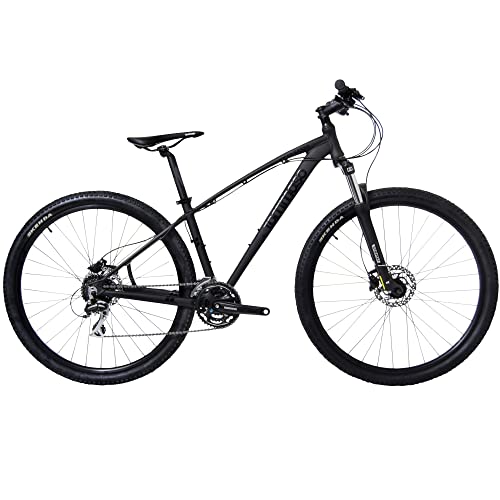
Best Budget Pick: Tommaso Gran Sasso 29er Hardtail
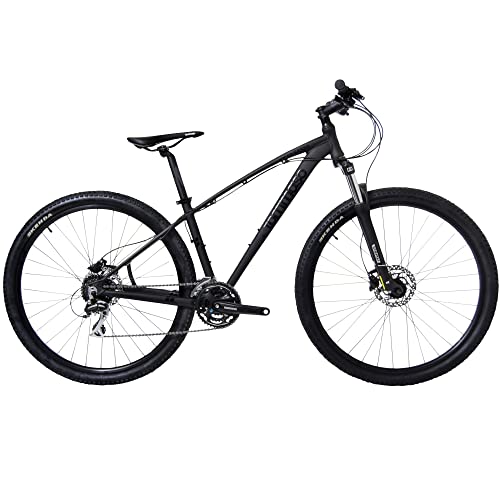
The Tommaso Gran Sasso suits new and returning riders who want a real trail ready hardtail without a big budget, at around $450. Tommaso lists an alloy frame backed by a lifetime frame warranty, 29 inch wheels for rolling over rocks and roots, a 24 speed Shimano drivetrain, hydraulic disc brakes and a Suntour SF15 XCM fork with 100 mm of travel. Tommaso notes that bikes ship untuned and recommends professional assembly.
Its strengths are hydraulic brakes and 29 inch wheels at an entry price.
The limitation is a heavier fork and older style 3 by drivetrain compared with modern 1 by setups.
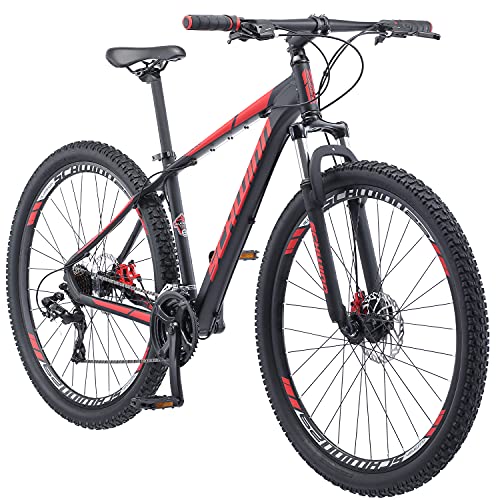
Best Midrange Pick: Schwinn Bonafide 29 Inch Hardtail
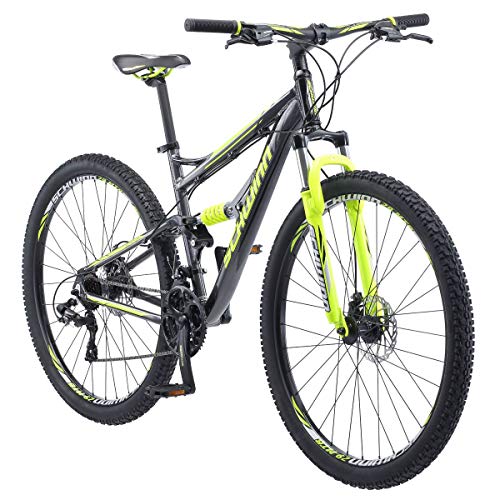
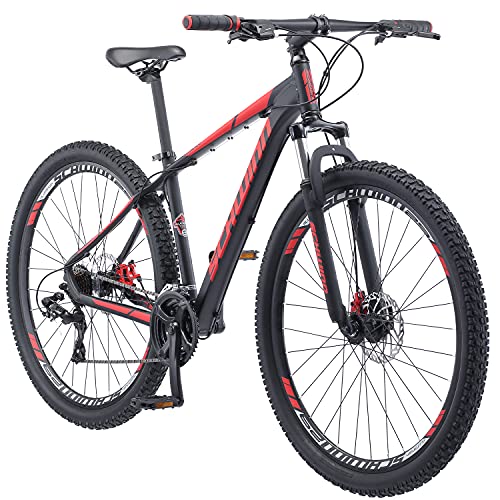
The Schwinn Bonafide suits recreational riders who want a dependable hardtail from a familiar brand, at around $690 to $720. Schwinn lists a 17 inch aluminum frame that fits riders about 5 feet 4 inches to 6 feet 2 inches, a suspension fork, 24 speed trigger shifters with front and rear derailleurs, front and rear mechanical disc brakes, double wall alloy rims and 2.25 inch knobby tires. It arrives partially assembled and needs basic tools.
The appeal is a well known brand with a large owner review base.
The trade off is mechanical rather than hydraulic disc brakes.
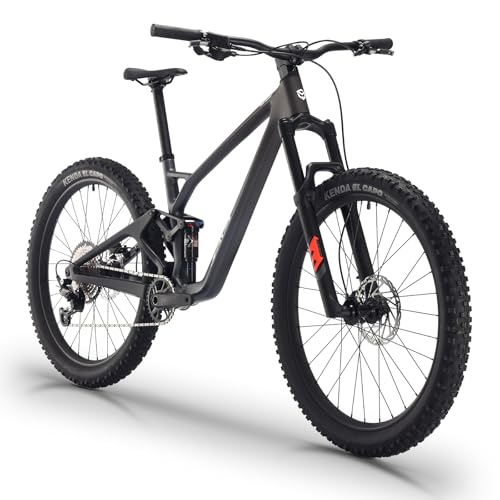
Best Premium Pick: SAVADECK Carbon Fiber Soft Tail Mountain Bike
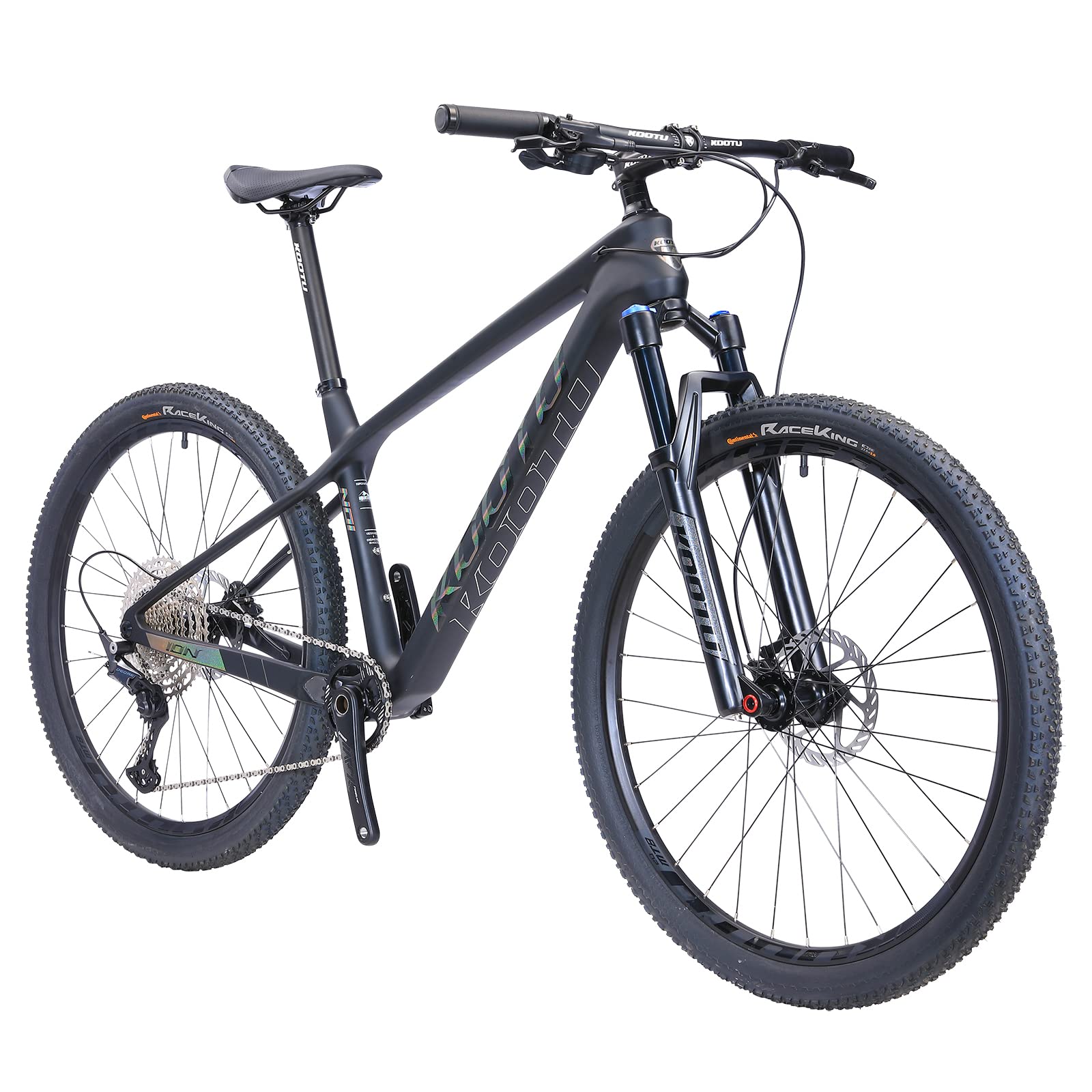
The SAVADECK carbon soft tail suits experienced riders who want a lightweight carbon frame with rear suspension for long, rough trail days, at around $1,800. SAVADECK lists a lightweight carbon fiber frame with a dual link suspension and DNM air shock, a Fox front fork, a Shimano Deore M6100 12 speed groupset, four piston hydraulic disc brakes and 2.4 inch Continental all terrain tires.
The appeal is carbon weight savings and modern 12 speed gearing.
The limitation is a high price and a smaller owner review base than mainstream brands.

What Your Money Gets You at Each Price Tier
Cross country bikes sold online fall into three broad tiers.
Budget Tier: What to Expect
Around $220 to $450 buys entry hardtails. AVASTA's Thrax 27.5 inch bike costs around $220, and Tommaso's Gran Sasso 29er around $450. Expect aluminum or steel frames, coil suspension forks with modest travel, 21 to 24 speed drivetrains and mechanical or basic hydraulic brakes. These suit beginners riding mellow trails and fire roads.
Midrange Tier: The Sweet Spot for Most Buyers
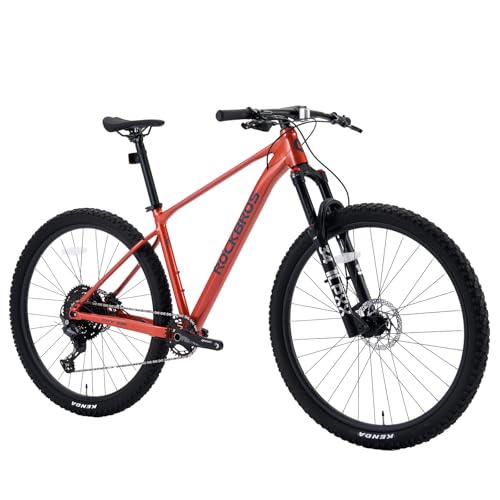
Around $690 to $900 buys better components and modern drivetrains. Schwinn's Bonafide hardtail and Traxion full suspension bike cost around $700, Mongoose's Switchback around $855 to $900 and ROCKBROS' 29 inch hardtail with Shimano Deore 12 speed costs around $900. ROCKBROS lists a 140 mm air fork with lockout, Shimano MT200 hydraulic brakes, front and rear thru axles and internal cable routing, with a 220 pound maximum system weight. TRIFOX's carbon hardtail with Deore M6100 12 speed, around $830, brings a carbon frame into this range.
Premium Tier: When Spending More Pays Off
Around $1,500 to $1,800 buys carbon frames and better suspension. KOOTU's DECK6.1 carbon hardtail with a Shimano M6100 12 speed kit costs around $1,499, and SAVADECK's carbon soft tail around $1,800. Spending more pays off in lighter weight for climbing, air suspension that adjusts to your weight and wide range 12 speed gearing.
Features Worth Paying For (and Ones to Skip) in the Best Cross Country Mountain Bike
Hydraulic brakes, a good fork and modern gearing are worth paying for. Flashy paint and heavy full suspension on cheap bikes are not.
Frame Material
Aluminum frames, used by Schwinn, Tommaso and ROCKBROS, are durable and affordable. Carbon frames, used by TRIFOX, KOOTU and SAVADECK, are lighter and absorb trail buzz but cost more and need careful handling. High carbon steel frames, common on very cheap bikes, are heavy and best avoided for real trail riding.
Hardtail vs Full Suspension
Most cross country riders start on a hardtail, which has front suspension only, is lighter and pedals efficiently. Full suspension or soft tail designs, like SAVADECK's and Schwinn's Traxion, add comfort and traction on rough trails. Budget full suspension bikes can be heavy with basic shocks, so a quality hardtail is often a better value under $1,000.
Suspension Fork Quality
A good fork transforms the ride. Air forks, like ROCKBROS' 140 mm air fork and SAVADECK's Fox fork, let you set pressure for your weight. Coil forks on budget bikes, like Tommaso's Suntour SF15, work for light trails but are heavier. Lockouts help on climbs and pavement.
Drivetrain
Modern 1 by 12 drivetrains, like Shimano Deore M6100 on ROCKBROS, TRIFOX, KOOTU and SAVADECK bikes, use a single front chainring and a wide range cassette for simple, reliable shifting. ROCKBROS pairs a 34 tooth crank with an 11 to 50 tooth cassette. Older 3 by 8 setups with 24 speeds, like Tommaso's and Schwinn's, work but add weight and complexity.
Brakes
Hydraulic disc brakes, like Tommaso's, ROCKBROS' Shimano MT200 and SAVADECK's four piston brakes, give stronger, more consistent stopping with less hand effort. Mechanical disc brakes, like Schwinn's, are easier to service at home but need more adjustment. Hydraulic brakes are one of the best upgrades for trail riding.
Wheels and Tires
29 inch wheels, used by most bikes here, roll over obstacles more easily and keep speed on long rides. 27.5 inch wheels feel more nimble and suit shorter riders. Tire width around 2.2 to 2.4 inches balances grip and rolling speed; SAVADECK uses 2.4 inch Continental tires.
Geometry and Fit
Cross country geometry is designed for efficient pedaling and climbing. XC bikes usually have a slightly steeper head angle than trail bikes, which keeps steering quick and the front wheel planted on climbs, and a seated position that puts power through the pedals.
Frame size matters more than almost any component: a frame that is too large feels sluggish and hard to control, while one that is too small cramps your knees and back. Use the maker's height chart, and if you are between sizes, consider your inseam and riding style. A short stem and wide handlebar add control on technical descents.
Weight
Weight matters on long climbs. Carbon hardtails are typically the lightest, followed by aluminum hardtails and then full suspension bikes. ROCKBROS lists its aluminum Deore hardtail at 32 pounds. Lighter wheels and tires make the biggest difference you can feel, so a wheel upgrade is a common first improvement for budget bikes.
Long Term Costs to Factor In
Budget for professional assembly and an initial tune, which many shops offer for a modest fee. Plan for regular maintenance: chain lube, brake pads, tires, cables and occasional fork service. A helmet, gloves, pedals, a floor pump, a multi tool and a spare tube or tubeless kit add to the first year cost. Better components often cost less over time because they wear slower and are easier to service.
Choosing for Your Situation
New riders on a tight budget should start with the Tommaso Gran Sasso for its hydraulic brakes and 29 inch wheels. Recreational riders who want a familiar brand and easy parts availability do well with the Schwinn Bonafide. Riders ready for modern 12 speed gearing should look at ROCKBROS' Deore hardtail or TRIFOX's carbon hardtail. Experienced riders who want carbon and rear suspension for long, rough rides should consider SAVADECK's soft tail.
Frequently Asked Questions
What is a cross country mountain bike?
A cross country mountain bike is designed for efficient climbing and fast riding over long distances on varied trails. It usually has light frame geometry, 100 to 120 mm of suspension travel and fast rolling 29 inch wheels, though trail oriented XC bikes may have more travel.
Is a hardtail or full suspension better for cross country?
A hardtail is lighter, simpler and more efficient, while full suspension adds comfort and traction. Many riders start on a hardtail and upgrade to full suspension as their skills and budgets grow.
How much should I spend on a cross country mountain bike?
Plan to spend at least around $450 for a trail capable hardtail, and around $700 to $900 for better components. Carbon frames and quality suspension start around $1,500.
What size mountain bike do I need?
Choose a frame size based on your height and the maker's size chart. Schwinn says its Bonafide fits riders about 5 feet 4 inches to 6 feet 2 inches, and ROCKBROS lists height ranges for small, medium and large frames. If you fall between sizes, a shop can help with fit.
Do I need professional assembly?
Professional assembly is strongly recommended for bikes shipped in a box. Tommaso notes its bikes ship untuned. A shop will adjust brakes, gears and bolts to safe torque values.
Can I race on a budget cross country bike?
Yes, many local races welcome riders on entry level hardtails. Focus on fit, reliable brakes and good tires before chasing weight. As you progress, upgrades like an air fork, a 1 by 12 drivetrain and lighter wheels make the biggest difference in race performance.
How often should I service my mountain bike?
Clean and lube the chain after muddy rides and do a basic safety check before every ride. Have a shop tune the bike every season or roughly every 50 to 100 hours of riding, and service the fork according to the maker's schedule.
The Bottom Line
When choosing a cross country mountain bike, focus on three things: a frame and size that fit you, quality brakes and suspension and a drivetrain that suits your terrain. Tommaso's Gran Sasso is the budget pick, Schwinn's Bonafide is the midrange choice and SAVADECK's carbon soft tail is the premium pick. The best cross country mountain bike makes every climb and descent more rewarding.
For more mountain bike guides, see the best mountain bikes under 1000, the best mountain bikes under 2000, the best mountain bike tires and the best mountain bike helmet. Then compare current prices in the product table above.


