Best Mountain Bikes Under $2000: A Complete Buying Guide
Disclosure: We may earn a commission when you buy through links on this page, at no extra cost to you. As an Amazon Associate I earn from qualifying purchases. Learn more

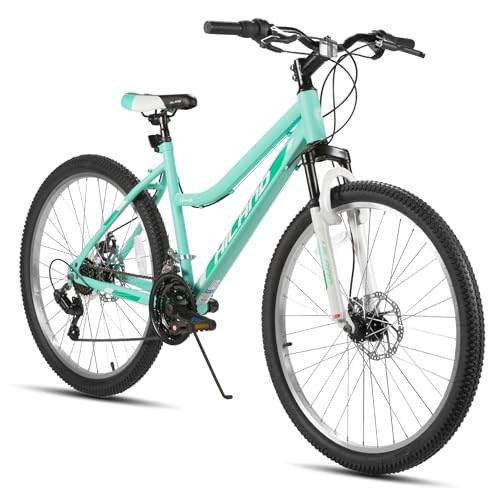
Somewhere between $1,000 and $2,000, mountain bikes stop being a compromise and start being a real riding tool. This is the price band where full suspension shifts from a marketing gimmick to a legitimate option, where hydraulic brakes and a proper 1x drivetrain stop feeling like upgrades and start feeling like the baseline, and where a carbon front triangle occasionally shows up instead of just being a fantasy for road bikes. It's also the range where buyers get genuinely confused, because the jump in components and frame materials is big enough that two bikes at nearly the same price can ride completely differently.
This guide focuses on what actually changes once your budget crosses into four figures and climbs toward $2,000, and how to decide what matters for the way you actually ride, not the spec sheet you happen to be staring at.

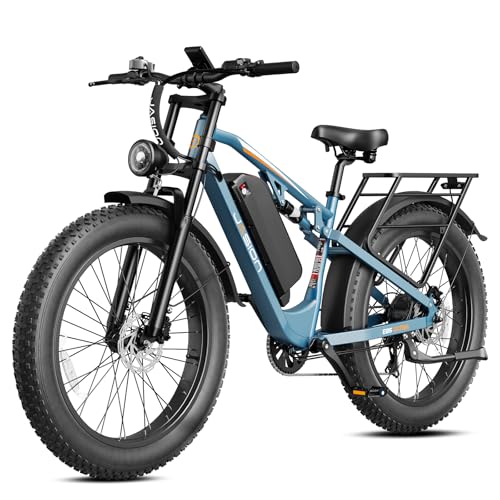
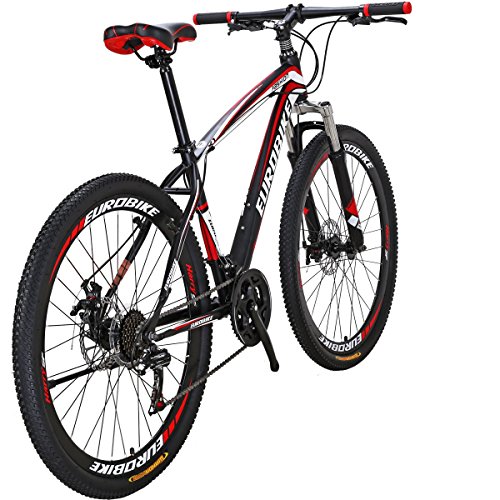
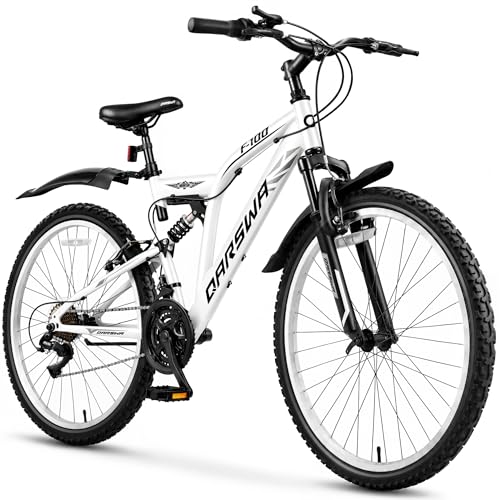
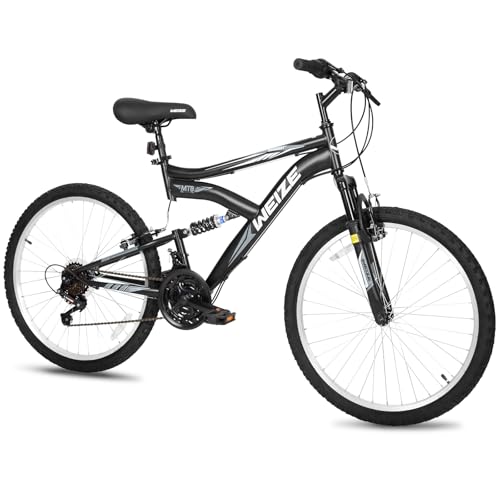

Where the Extra Budget Actually Goes
Below $1,000, most of the money goes toward keeping the bike rideable at all: a basic fork, mechanical or entry hydraulic brakes, and a drivetrain built to survive rather than shift crisply. Once you're spending closer to $1,500 or $2,000, the money starts going somewhere more interesting.
The first thing that improves is the fork. Instead of a coil-sprung unit with limited adjustment, you start seeing air-sprung forks with rebound damping and sometimes a lockout, which means the suspension actually responds to the trail instead of just soaking up the biggest hits. Brakes move from mechanical or basic two-piston hydraulic setups to four-piston hydraulic brakes with bigger rotors, which matters far more than most first-time buyers expect once they're descending anything steep.
Drivetrains are the other big shift. This is where Shimano's Deore and SLX groupsets both show up regularly. Deore is the more budget-conscious of the two but still a fully modern 12-speed drivetrain that shifts well and holds up to real trail use. SLX sits a step above it, mainly through lighter cranks and cassette construction and a few small refinements, and it's often described as the sweet spot for price versus performance in Shimano's lineup. Neither is a downgrade from what you'd find on a sub-$1,000 bike; both are a clear step up.
Is Full Suspension Worth It Yet, or Should You Stay Hardtail?
Under $1,000, full suspension is generally a bad idea, since a rear shock and pivot hardware eat into the budget so aggressively that everything else gets cheap. That calculation starts to change as you approach $2,000, but it doesn't flip entirely.
The honest version of this trade-off is that building a full-suspension frame costs more than a hardtail frame at any price, which means the manufacturer has less left over for the fork, brakes, and drivetrain once the rear shock is paid for. At the very bottom of this price range, that often still means a full-suspension bike with a mediocre fork and basic brakes riding worse overall than a well-specced hardtail at the same price. Near the top of the range, closer to $1,800 to $2,000, that math improves enough that a solid full-suspension bike with a real fork, hydraulic brakes, and a Deore-level drivetrain becomes genuinely competitive.
So the honest answer depends on terrain more than budget alone. If most of your riding is fire roads, moderate singletrack, or trail centers with a manageable amount of chop, a nicer hardtail at this price will almost always out-spec a full-suspension bike at the same number, and it'll be lighter and easier to maintain. If your local trails are genuinely rocky, root-strewn, or fast and technical, the rear travel starts earning its keep, and it's worth prioritizing full suspension even if it means accepting Deore instead of SLX on the drivetrain to stay in budget.
Matching Suspension Travel to How You Actually Ride
Once suspension performance is actually on the table, travel amount becomes a real decision instead of an afterthought. Bikes in this price range typically land somewhere between 100mm and 140mm, and the difference matters more than the number suggests.
- 100-120mm: More efficient climbing, lighter overall feel, best suited to mellow-to-moderate trails or riders who prioritize distance and fitness riding over descending hard.
- 120-140mm: Generally considered the do-it-all range for a single bike. It climbs well enough not to be a chore and descends with enough composure to handle most trail features without feeling overwhelmed.
- 140mm and up: Leans toward rougher, more aggressive terrain. True 140mm-plus rear travel is uncommon below $2,000, and when it does show up, something else on the spec sheet is usually cut to compensate.
For most buyers shopping this price range with one bike in mind, the 120-140mm zone is worth prioritizing over chasing maximum travel, since it's the range built to handle the widest variety of terrain without becoming a specialist tool.
Carbon Frames at This Price: Real Upgrade or Marketing?
Carbon fiber front triangles have started showing up at the top of this price range, and it's a legitimate shift from a few years ago when carbon simply wasn't available below $2,500 or more. That said, it's worth being skeptical about what a budget carbon frame actually buys you.
The main benefit of carbon at this price point is weight savings, mostly in the front triangle, which can make a noticeable difference in how a bike accelerates and climbs. What it usually doesn't deliver at this budget is a meaningfully stiffer or more durable ride than a well-built aluminum frame, because the manufacturing quality gap between budget carbon and premium carbon is significant.
The more important question is what the frame material cost the rest of the build. A carbon frame that forced compromises on the fork, brakes, or drivetrain to hit a $2,000 price tag is usually a worse overall bike than an aluminum frame with SLX-level parts and a proper air fork. Unless weight is a specific priority for you, and you're comparing two bikes with otherwise similar component levels, aluminum is often the smarter buy in this range, not the consolation prize it used to be.
Questions Worth Asking Before You Buy in This Range
A few questions consistently separate a good purchase from a disappointing one at this budget. Is the fork air-sprung with real adjustability, or is it a coil unit dressed up to look premium? Are the brakes four-piston hydraulic, or two-piston units that will struggle on long, steep descents? Is the drivetrain genuinely Deore or SLX, or a mix that pairs a name-brand rear derailleur with unbranded shifters and cranks to cut cost? Bikes at this price occasionally mix components this way, and it's one of the easiest ways to end up with a bike that looks better on paper than it rides on the trail.
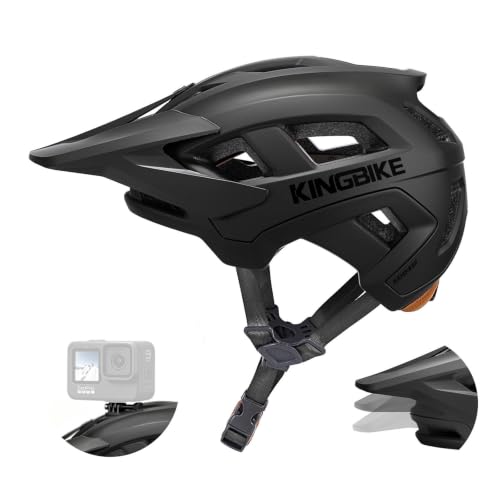
It's also worth thinking about what you already own. If you're upgrading from a bike covered in a guide like our best mountain bikes under $1,000 roundup, you already know whether the trails that frustrated you were a fork problem, a brake problem, or a fitness problem, and that answer should drive where you spend the extra budget here. And whatever frame or suspension you land on, it's worth pairing it with a helmet built for the terrain you're actually riding; our mountain bike helmet guide covers the fit and protection differences that matter once you're riding faster and rougher trails than a sub-$1,000 bike was ever built for.
Component choices carry over to accessories, too. Riders stepping up to clipless-compatible cranksets at this tier often reconsider their pedals; our flat pedal guide is a useful comparison point if you're deciding whether to stick with flats or make the switch. And if this bike is going to live on a car rack more than a garage floor, it's worth checking that your current setup can actually handle the added weight and size of a full-suspension frame before you commit to one.
At this price range, the goal isn't finding the bike with the longest spec sheet. It's matching the fork, brakes, drivetrain, and suspension travel to the terrain you actually ride, and being honest about whether full suspension earns its cost at your specific trails or whether a better-equipped hardtail will simply serve you better for the same money.