
Best Beginner Cross Country Mountain Bike of 2026: Complete Buying Guide
Disclosure: We may earn a commission when you buy through links on this page, at no extra cost to you. As an Amazon Associate I earn from qualifying purchases. Learn more

Learn how to choose the best beginner cross country mountain bike with sizing, suspension, brake, and gearing guidance for your first trail season.
Cross country riding rewards fitness and smooth technique, and your first bike should make both easier to build. A bike that is too heavy, too slack, or poorly sized will turn every climb into a chore. The right best beginner cross country mountain bike feels light on climbs, calm on descents, and simple to maintain while you learn.
This guide covers sizing, suspension, brakes, and gearing in plain terms, and it points you to the comparison table below so you can weigh price tiers and component levels side by side.


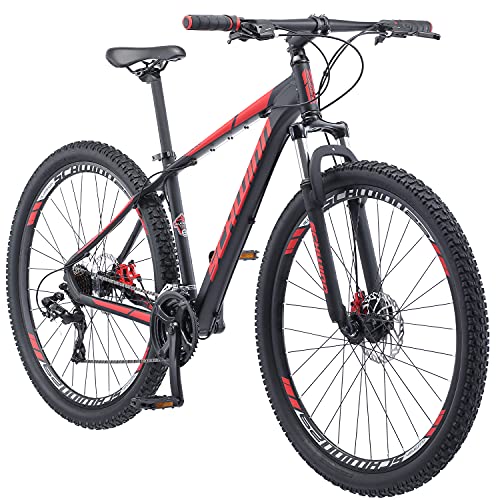
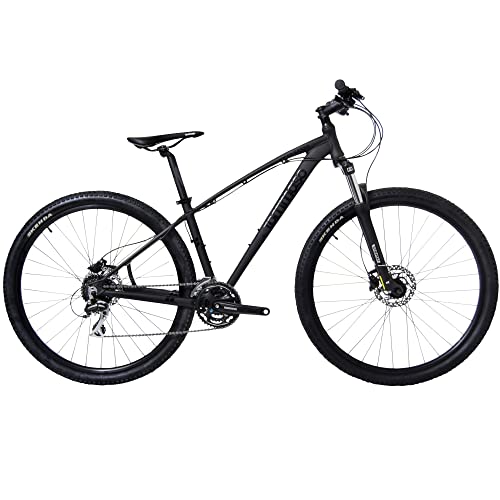

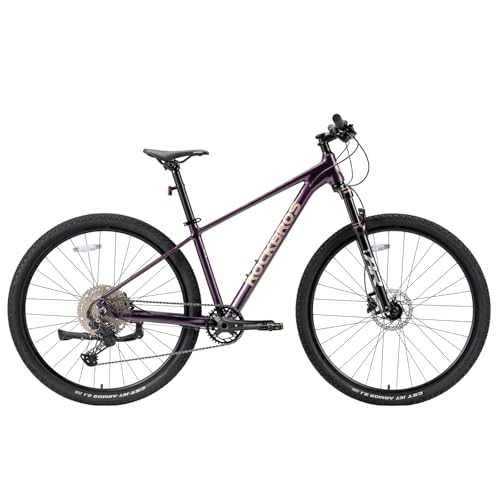
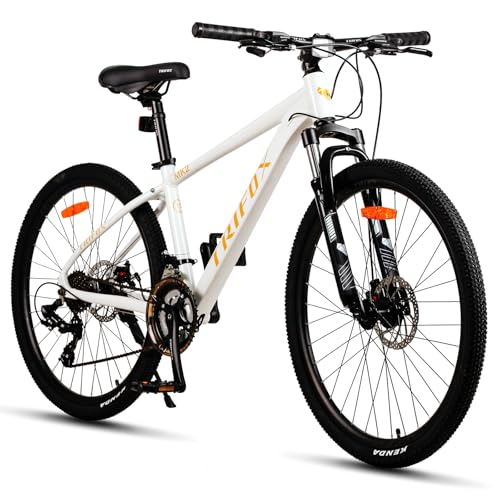
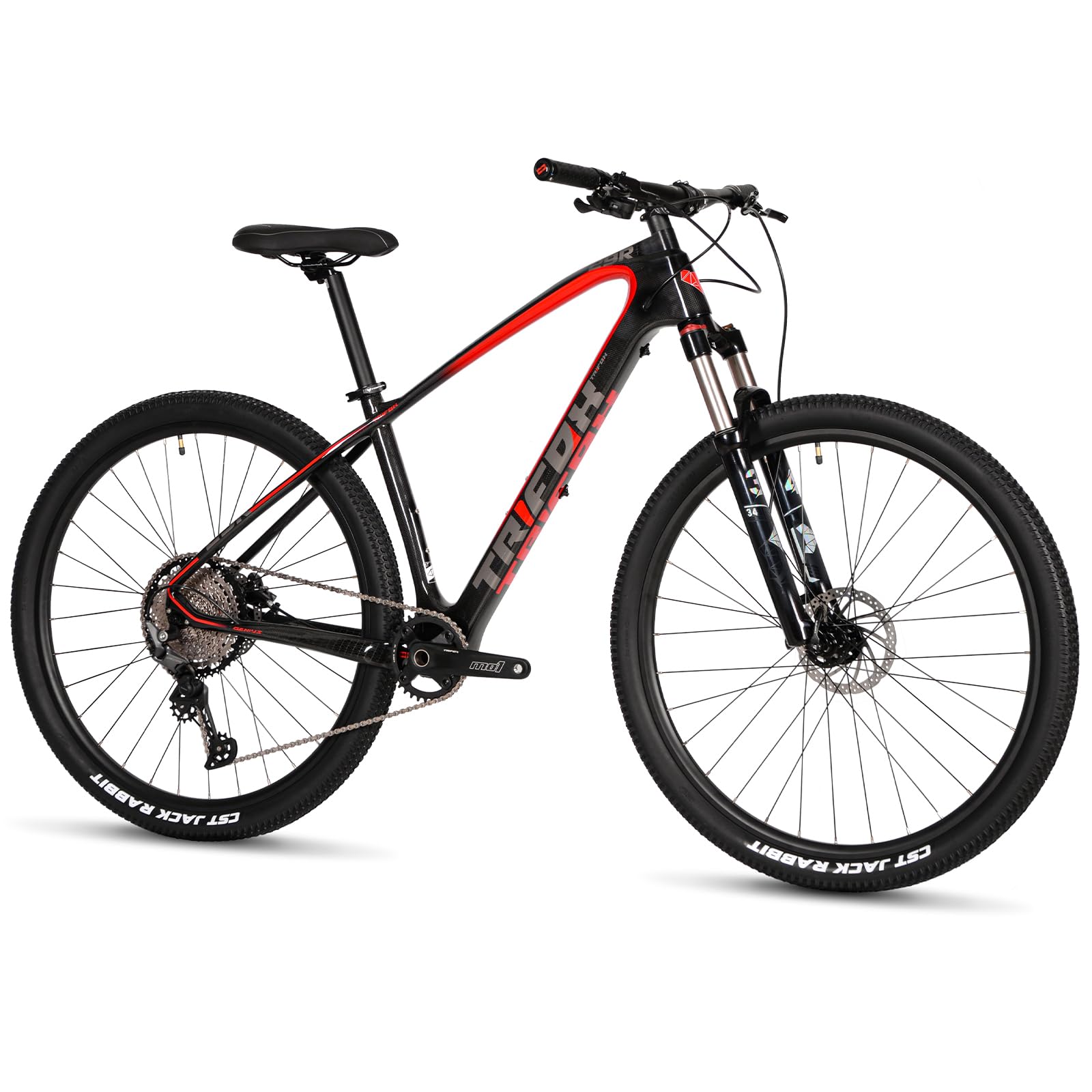
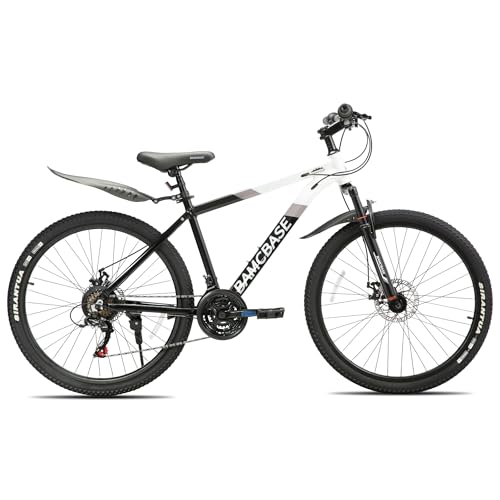

What Each Price Tier Gives You
Entry Tier, Around $500 to $800
Entry tier cross country bikes are almost always aluminum hardtails with a basic coil or entry air fork, a wide range 1x drivetrain on better examples, and hydraulic brakes on the strongest ones. Weight is higher and small parts are plain, but the riding position and geometry are sound. This tier suits riders testing the sport on smooth trails and fire roads, and it leaves budget for a helmet, shoes, and a floor pump.
Mid Tier, Around $800 to $1,500
Mid tier bikes add a lighter air fork with a lockout for climbs, stronger hydraulic disc brakes, and tubeless ready wheels and tires. Frames get tidier cable routing and sometimes a dropper post, which lowers the saddle for descents at the push of a lever. For most beginners who ride weekly, this tier is the sweet spot, because every added dollar improves a part you touch on every ride.
Upper Tier, Around $1,500 to $2,500
Upper tier beginner friendly bikes bring lighter frames, smoother forks with more adjustment, and crisper shifting across a wider gear range. Some riders step into carbon frames here, which cut weight and mute trail buzz. The gains are real but smaller, and replacement parts cost more. Choose this band if you already ride often, plan to enter local races, or simply want one bike to grow with for several seasons.
How to Choose the Best Cross Country Mountain Bike
Beginner Friendly Features That Matter
Simple controls top the list. A 1x drivetrain removes the front shifter, so you change gear with one hand and never drop a chain between chainrings. A fork lockout firms the front end for climbs and smooth paths. Clear frame size charts, mounting points for two water bottles, and tires with moderate knobs for mixed surfaces all help a new rider. Avoid bikes that need special tools for basic adjustments, because you will learn maintenance faster with standard parts.
Bike Type and Riding Style
Cross country bikes are built for speed over distance: light frames, fast rolling tires, and an efficient pedaling position. Trail bikes add more suspension and slacker angles for rough descents, while enduro bikes go further still and climb slowly. Road and gravel bikes are faster on pavement but lack the tires and suspension for rocky trails. Match the bike to where you will actually ride most weekends, not to the hardest trail you can imagine. Our guide to the best mountain bike cross country options explains the category in more depth.
Weight and Components Upgrade Path
Weight matters on climbs, and cross country bikes for beginners usually land around 27 to 33 lb. Lighter wheels and tires make the biggest felt difference, so a frame with standard parts you can upgrade later is a smart buy. Check that the wheels are tubeless ready and the frame uses common standards for the bottom bracket and headset. A good rule is to ride the bike stock for a season, then upgrade tires first, since they change grip and speed more than any other part at the price.
Frame Material and Geometry
Aluminum is the default at beginner prices: light enough, durable, and affordable. Steel rides smoothly but weighs more, and carbon is light and stiff at a higher price with more care needed after crashes. Geometry numbers guide fit and handling. A head angle around 67 to 69 degrees balances climbing and descending for cross country use, and reach should let you ride with a slight bend in your elbows, neither cramped nor stretched. Always match frame size to your height and inseam using the maker chart.
Wheel Size and Tires
Most adult cross country bikes use 29 inch wheels, which roll over roots and rocks smoothly and hold speed well. Smaller 27.5 inch wheels feel nimble and suit shorter riders. Tire width around 2.2 to 2.4 inches with low center knobs gives fast rolling with enough cornering bite. Tubeless setups let you run lower pressure for grip and comfort and seal small punctures as you ride. When your first set wears out, our guide to the best cross country tires mountain bike riders choose can help you pick replacements.
Brakes, Hydraulic vs Mechanical Disc
Hydraulic disc brakes are the clear recommendation. They stop harder with less hand effort, control speed better on long descents, and adjust themselves as pads wear. Mechanical disc brakes cost less and use cables you can fix anywhere, but they need more hand force and more frequent adjustment. Whichever type you choose, bed in new pads with a series of gentle stops before your first real ride, and keep rotor surfaces clean and free of oil.
Drivetrain and Gearing
A modern 1x drivetrain with 10 to 12 gears and a wide range cassette covers steep climbs and fast flats with one shifter. The smallest gear decides your climbing comfort, so look for an easy low gear if your trails are hilly. Groupsets from the major makers shift reliably at beginner tiers; the differences are weight and smoothness. Keep the chain clean and lubricated and any tier will shift well. Riders who settle on a hardtail long term may enjoy our guide to the best hardtail cross country mountain bike designs.
Types of Cross Country Mountain Bikes
Hardtail Mountain Bikes
A hardtail has a suspension fork and a rigid rear end. It is lighter, cheaper, and simpler than a full suspension bike, and it teaches smooth line choice because the rear wheel follows the ground exactly. For cross country terrain and beginner budgets, a hardtail is the default recommendation. Footwear matters too, and our guide to the best cross country mountain bike shoes covers pedal grip and stiffness.
Full Suspension Cross Country Bikes
Cross country full suspension bikes add a short travel rear shock, usually 100 mm, that keeps the rear tire in contact with rocks and roots. They climb well on rough ground and reduce fatigue on long rides, but they cost more, weigh more at beginner prices, and need shock service. Choose one only if your trails are rough enough that a hardtail leaves you shaken.
Entry Level Aluminum Bikes
Many budget bikes look like cross country machines but use heavy steel forks and mechanical brakes. They are fine for paths and light dirt roads, yet they limit learning on real singletrack because the fork flexes and the brakes fade. If you start here, plan to upgrade the brakes and tires first.
Care and Maintenance Tips
- Check tire pressure before every ride. Tubeless tires often sit around 22 to 30 psi depending on rider weight and terrain, and a quick squeeze test is not accurate enough.
- Clean and lube the chain every 100 to 200 miles. A clean chain shifts better and can double the life of your cassette and chainring.
- Have a professional tune up yearly. A shop can check brake pads, true the wheels, and torque key bolts before small issues become repairs.
- Wash gently and dry fully. Use a bucket and soft brush rather than a pressure washer, which forces water into bearings.
Cross Country Mountain Bikes: Your Questions Answered
What makes cross country mountain bikes for beginners different?
They favor light weight, efficient geometry, and simple parts over downhill toughness. Suspension travel is shorter, usually around 100 to 120 mm at the fork, and tires roll faster. The goal is a bike that climbs willingly and builds skills and fitness, rather than one built to absorb jumps and drops.
How much should I spend on my first bike?
Around $500 to $1,500 covers the sensible range for a first cross country bike. Below that band, brakes and forks often disappoint quickly. Within it, you get hydraulic brakes, a 1x drivetrain, and a frame worth upgrading. Reserve part of your budget for a helmet, gloves, a pump, and a multitool, because those items are not optional extras.
Hardtail or full suspension for beginners?
A hardtail is the better first buy for most cross country riders. It costs less at the same component quality, weighs less, and has fewer parts to service. Full suspension adds comfort and control on rough descents, but budget versions are heavy and can feel vague. Upgrade later once your trails and skills clearly demand rear suspension.
What size bike do I need?
Start with the maker size chart using your height and inseam, then confirm standover clearance and reach. Most brands size frames small, medium, large, and extra large. Between sizes, shorter riders usually size down for control, while taller riders size up for climbing comfort. A short parking lot ride reveals more than any chart, so use retailer test rides when you can.
Final Thoughts on Beginner Cross Country Mountain Bike
Put fit first, then hydraulic brakes and a simple wide range drivetrain, and let weight and upgrade potential break any ties. A hardtail in the entry or mid tier will serve most new riders for years. Compare the best beginner cross country mountain bike options in the product table above against those checks, and you will start your trail seasons on the right machine. Apply these checks to any best beginner cross country mountain bike you compare.


