
Best Mountain Bike Tires: A First Time Buyer's Guide for 2026
Disclosure: We may earn a commission when you buy through links on this page, at no extra cost to you. As an Amazon Associate I earn from qualifying purchases. Learn more

A first time buyer guide to mountain bike tires: sizes, casings, tread, tubeless and pressure, from Maxxis to budget picks.
Tires are the cheapest way to change how a mountain bike rides. The right pair adds grip on loose corners, rolls faster on hardpack and shrugs off sharp rocks, while the wrong pair can make a good bike feel sketchy or sluggish. If you are buying replacement tires for the first time, terms like TPI, EXO, tubeless ready and ETRTO can be confusing. This guide to the best mountain bike tires explains them in plain English so you can choose with confidence.
We start with the basics, explain the key specs, cover picks for specific needs, list rookie mistakes and walk through setup. Tires are safety equipment: always match tire size to your rim, inflate within the pressure range printed on the sidewall and check that your bike's frame and fork have enough clearance for wider tires.




Mountain Bike Tires 101: The Basics
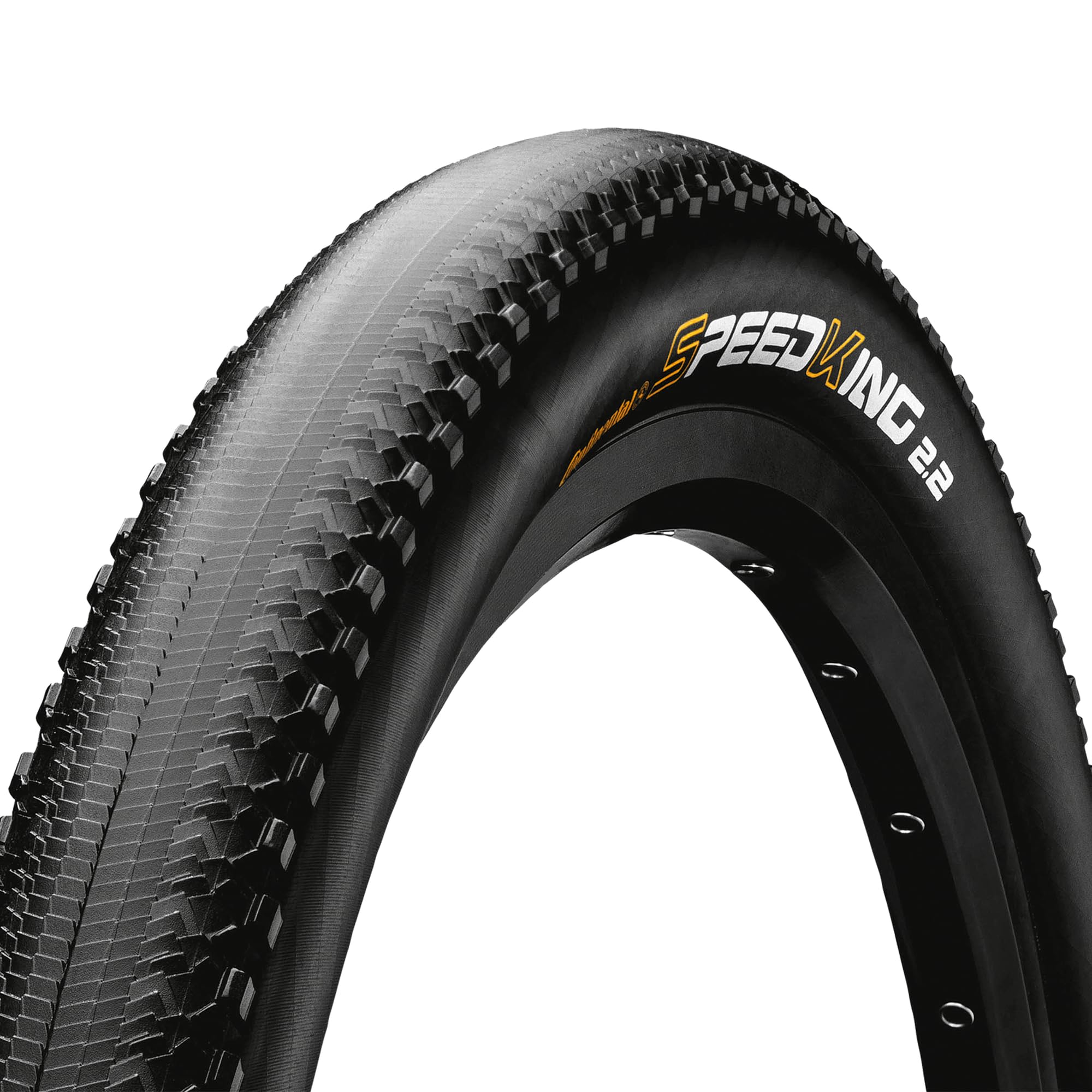
A mountain bike tire has three main parts. The tread is the knobby rubber pattern that grips the ground. The casing is the fabric body under the rubber, which affects weight, suppleness and puncture resistance. The bead is the edge that locks onto the rim, made from steel wire or folding aramid fiber.
Tires come in three common wheel sizes: 26 inch on older and dirt jump bikes, 27.5 inch, sometimes called 650b, and 29 inch on most modern trail and cross country bikes. Width is listed in inches, such as 2.25, 2.4 or 2.6, with plus tires reaching 2.8 to 3.0 inches. The ETRTO number, such as 57-622, gives the exact width and bead seat diameter in millimeters; 622 means a 29 inch rim and 584 means 27.5 inch.
A few more terms show up often. Tubeless ready tires seal to compatible rims with liquid sealant, letting you run lower pressures without pinch flats. Compound describes rubber softness; softer rubber grips better but wears faster. TPI, threads per inch, describes casing fabric; higher TPI is lighter and more supple, while lower TPI is tougher.
Front and rear tires can be different: many riders use a grippier tire up front and a faster rolling tire in the back.
How to Choose the Best Mountain Bike Tires: Key Specs in Plain English
Six factors decide which tires suit you: compatibility with your bike, casing and build, safety features, installation, extras and brand support.
Wheel and Bike Compatibility
Start with what your bike can accept. Check the size printed on your current tire sidewall, such as 29 x 2.35, and match the wheel diameter exactly.
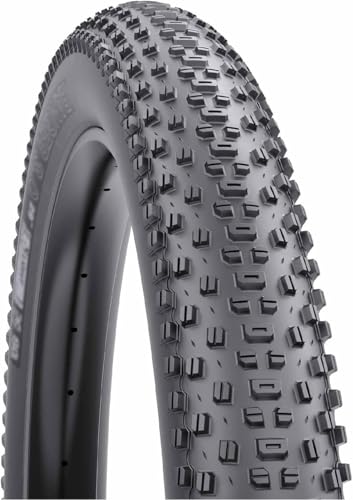
Rim internal width matters too; Fincci notes its 29 x 2.25 tires fit rims with a 21 to 30 mm inner width and are not compatible with narrow city or trekking rims. Wider tires need more frame and fork clearance, so measure before going from 2.3 to 2.6 inches or to a 3.0 inch plus tire like WTB's Ranger. E-bike riders should look for an e-bike rating; Maxxis and Continental list E25 ratings on several tires, meaning they are approved for e-bikes up to 25 km/h.
Build Quality and Casing
Casing determines toughness and feel. Light cross country casings save weight but cut more easily. Trail casings, such as Maxxis EXO, add sidewall protection against rocks.
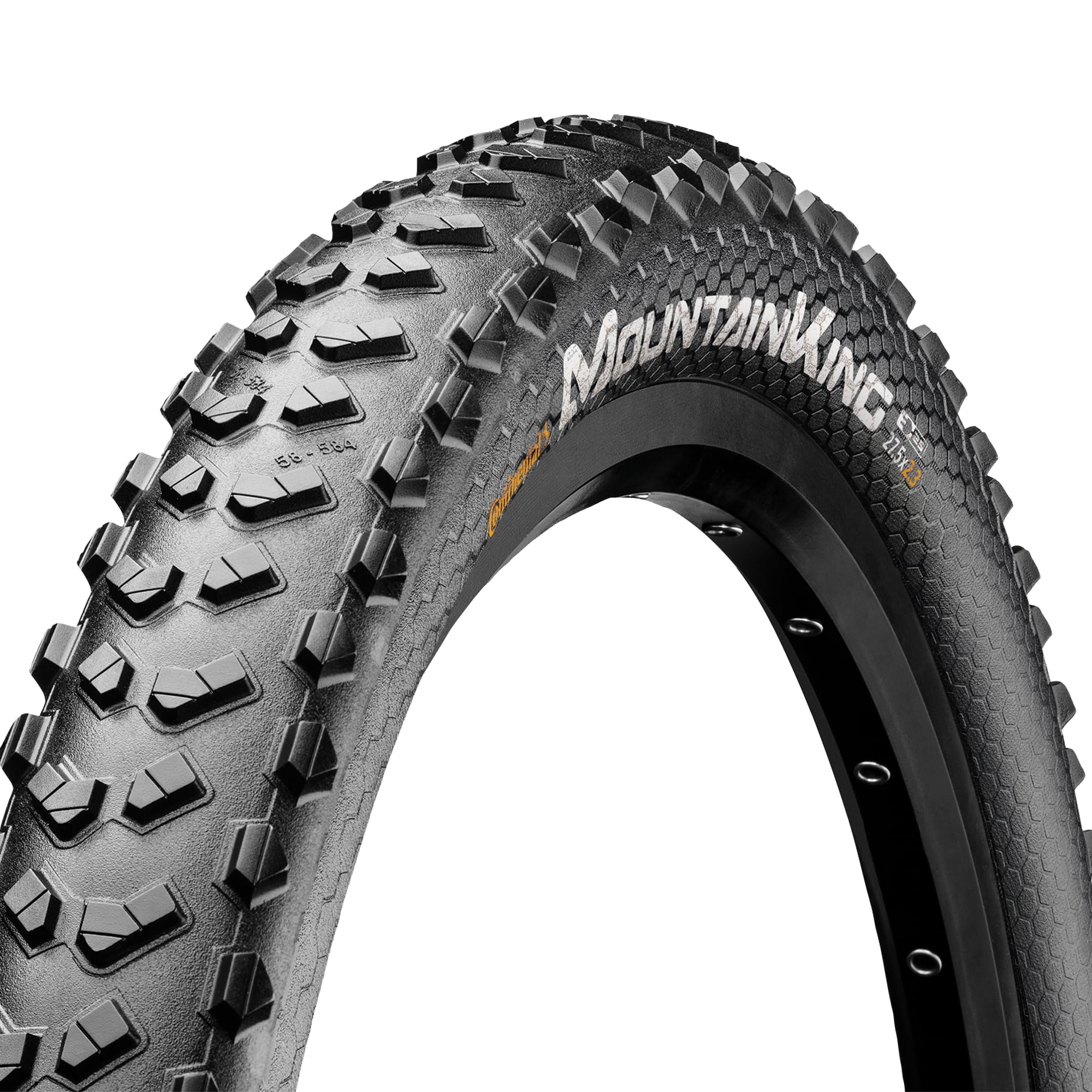
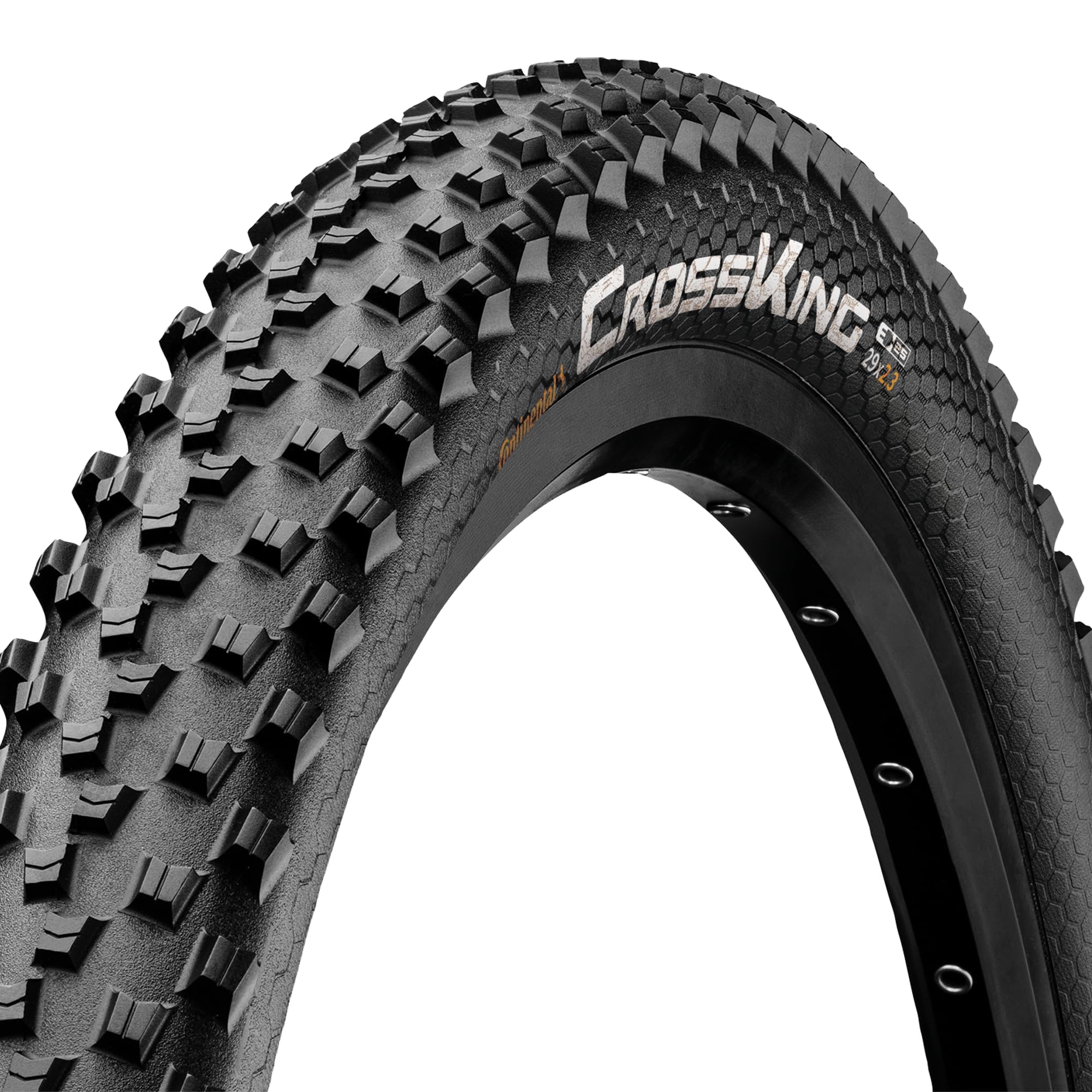
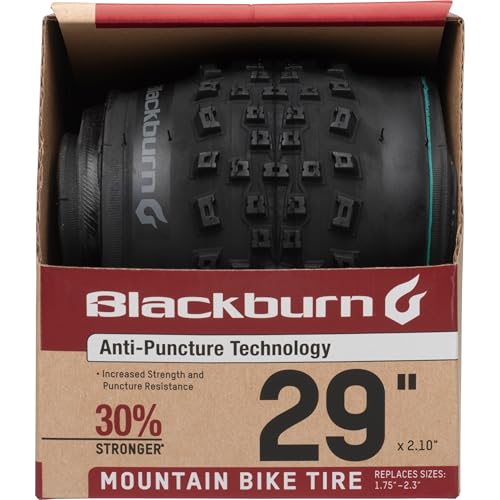
Heavier casings like Maxxis EXO+ and DoubleDown, and Schwalbe's Super Trail or Super Gravity, suit aggressive trail, enduro and bike park riding. WTB uses SG1 and SG2 puncture protection layers, Continental adds protection on its Mountain King and Cross King lines and Blackburn says its budget tire adds a protective layer under the tread. Choose a tougher casing if you ride rocky trails or have flatted often.
Safety Features: Grip and Braking
Grip is a safety feature. Tall, widely spaced side knobs, like those on the Maxxis Minion DHF and Assegai, hold the bike in corners. Ramped center knobs roll faster but brake less sharply.
Softer compounds, such as Maxxis 3C MaxxTerra and MaxxGrip or Schwalbe's Addix Soft, grip wet roots and rocks better. For beginners, a predictable, all round tread like Continental's Mountain King or Schwalbe's Nobby Nic builds confidence. Always pair tires with properly adjusted brakes and correct pressure.
Ease of Installation
Folding bead tires, used by most premium models, weigh less and pack easily, while wire bead tires, like WTB's 26 inch Vigilante, cost less but are heavier. Tubeless setups need tubeless ready rims, rim tape, valves and sealant, plus a floor pump that can seat the bead. Budget tires with tubes, like Fincci's set that includes 2 Schrader inner tubes, are the simplest swap. If tubeless is new to you, a bike shop can do the first setup.
Features and Extras
Some tires add features for specific riding. Tan sidewalls, offered on some Maxxis Assegai versions, change the look. Directional or front specific designs, like WTB's Vigilante front tire, prioritize grip where it matters most.
Fast rolling designs, like WTB's Ranger and Continental's Cross King, suit long rides and bikepacking. Dirt jump tires, like Continental's Speed King, roll quickly on smooth surfaces. Choose features that match where you actually ride.
Warranty and Brand Support
Major tire brands, including Maxxis, Schwalbe, Continental and WTB, have broad dealer networks and clear size charts. Budget brands like Blackburn and Fincci offer low prices, and Fincci lists manufacturer warranty and after sale support. Tires are wear items, so warranties usually cover manufacturing defects rather than cuts and wear. Keep receipts and inspect new tires before installing.
Price vs Value
Budget mountain bike tires cost around $20 to $35 each, such as Blackburn's 29 x 2.10 to 2.25 tire, around $20, or WTB's 26 inch wire bead Vigilante, around $37. A Fincci pair with tubes costs around $62. Premium trail tires cost around $72 to $102 each, including the Maxxis Minion DHF around $74, Maxxis Assegai around $73, Continental Mountain King around $73, WTB Vigilante and Ranger around $73 and Schwalbe Nobby Nic Evo around $102. Premium tires usually offer better compounds, lighter casings and tubeless compatibility.
Best Mountain Bike Tires for Specific Needs
Different riders need different tires. Here is where to focus.
Best Electric Mountain Bike Tires: Tips for First Time Buyers
The best electric mountain bike tires have reinforced casings and e-bike ratings. E-bikes are heavier and accelerate harder, which wears tires faster and stresses sidewalls. Look for E25 ratings, like those on the Maxxis Minion DHF and Continental Mountain King, and choose trail or heavier casings. Run pressures toward the middle of the sidewall range to support the extra weight.
Best Beginner Mountain Bike Tires
The best beginner mountain bike tires offer predictable grip and good puncture resistance. Continental's Mountain King and Schwalbe's Nobby Nic are well rounded choices that handle a wide mix of trails. A width around 2.3 to 2.4 inches balances grip and rolling speed. Beginners should not chase the lightest tire, since tougher casings prevent frustrating flats.
Best Affordable Mountain Bike Tire
The best affordable mountain bike tire for most riders is a durable, all round tread from a known brand on sale, or a budget option like Blackburn's tire. Blackburn's 29 inch tire, around $20, has a tall knobby tread, a protective layer under the tread and a folding carbon steel bead, with a 35 to 65 PSI range. It suits casual trail and commuting use.
Best Hardtail Mountain Bike Tire
The best hardtail mountain bike tire adds cushion to make up for the lack of rear suspension. Slightly wider tires, around 2.4 to 2.6 inches, and supple casings smooth out roots and rocks. WTB's Vigilante 29 x 2.5 adds grip up front, and the Maxxis Minion DHF works front or rear. A 3.0 inch plus tire like WTB's Ranger can add even more comfort if your frame has room.
Best Inexpensive Mountain Bike Tire
The best inexpensive mountain bike tire for a quick, simple replacement is a complete set with tubes. Fincci's pair of 29 x 2.25 tires with Schrader tubes, around $62, includes a 1 mm nylon puncture protection layer and fast rolling tread for mixed trail and pavement riding. It suits riders who want to replace worn stock tires without a tubeless setup.
Best Mountain Bike Tires for Aggressive Trail and Enduro
Riders who descend steep, technical trails need maximum cornering and braking grip. The Maxxis Assegai and Minion DHF in 3C MaxxTerra or MaxxGrip compounds with EXO+ or heavier casings are long standing favorites for this kind of riding. Expect more weight and slower rolling on climbs.
Rookie Mistakes to Avoid
- Buying the wrong size. 27.5 and 29 inch tires are not interchangeable. Match the size on your sidewall and check ETRTO.
- Ignoring frame clearance. Wider tires can rub frames and forks, especially in mud.
- Running the wrong pressure. Too high reduces grip; too low risks rim strikes and burping. Stay within the sidewall range.
- Choosing the lightest casing for rocky trails. Light tires save grams but flat more often.
- Installing directional tires backward. Check the rotation arrow on the sidewall before mounting.
Getting Started: Setup and First Use
Read the sidewall for size, pressure range and rotation direction. Check that your rim tape is intact and, for tubeless, that you have valves and sealant.
Mount one bead, then the other, working from the valve outward with tire levers only if needed. For tubeless, add sealant, seat the beads with a quick burst of air and spin the wheel to spread sealant. For tubes, add a little air before seating the tire so the tube does not pinch.
Set pressure within the sidewall range; many trail riders start around 22 to 28 PSI front and 25 to 30 PSI rear depending on weight, tire size and tubeless setup. Take a short shakedown ride on familiar ground, then adjust a couple of PSI at a time. Inspect tires regularly for cuts, worn knobs and sealant leaks, and top up sealant every few months.
Mountain Bike Tires: Your Questions Answered
How long do mountain bike tires last?
Most mountain bike tires last from a few hundred to a couple thousand miles, depending on compound, terrain and riding style. Soft compounds and rocky, abrasive trails wear tires fastest, and rear tires usually wear before front tires. Replace a tire when side knobs are rounded or torn, the casing shows cuts or threads or it no longer holds air reliably.
What specs matter most?
Size, casing and tread pattern matter most. Match wheel diameter and choose a width your frame and rims can handle. Pick a casing that suits your terrain, from light cross country to EXO+ or DoubleDown for rough trails, and choose a tread that balances grip and rolling speed for your riding.
Will it fit my bike?
It will fit if the wheel diameter matches and your frame, fork and rims can handle the width. Check the size on your current tire, your rim's internal width and the clearance around the tire. Leave at least a few millimeters of space on each side for mud. When in doubt, ask a bike shop.
Do I need professional installation?
No, most riders can install tires with tubes at home using tire levers and a pump. Tubeless setups are also doable at home but take practice, a good pump and sealant. A bike shop can handle the first tubeless installation and show you the process.
Should I go tubeless?
Tubeless is worth it for most trail riders. It lets you run lower pressure for better grip, seals small punctures with sealant and reduces pinch flats. You need tubeless ready rims and tires, valves and sealant, plus occasional sealant top ups.
Should my front and rear tires be the same?
Not necessarily; many riders run a grippier tire up front and a faster rolling tire in the back. The front tire controls steering and cornering, so extra grip there adds confidence. A popular pairing is a Maxxis Assegai or WTB Vigilante up front with a Minion DHF or a faster rolling tread in the rear. Matching tires is simpler and works fine for casual riding.
Final Thoughts
When choosing mountain bike tires, focus on three things: the right size and width for your bike, a casing that matches your terrain and a tread that balances grip and rolling speed. The Maxxis Minion DHF and Assegai suit aggressive trail riding, Continental's Mountain King and Schwalbe's Nobby Nic suit beginners and all round riders, WTB's Vigilante and Ranger suit hardtails and bikepacking and Blackburn and Fincci suit tight budgets. The best mountain bike tires make every ride safer, faster and more fun.
For more mountain bike guides, see the best mountain bikes under 1000, the best mountain bike helmet, the best flat bike pedals and the best grips for mountain bike. Then compare current prices in the product table above.


