
Best Mountain Bike Helmet: A Buying Guide for Trail Riders
Disclosure: We may earn a commission when you buy through links on this page, at no extra cost to you. As an Amazon Associate I earn from qualifying purchases. Learn more

Nothing ends a trail ride faster than a helmet that shifts on a rough section or leaves the back of your head exposed on a backward tumble. If you have ever pulled a lid off the shelf and wondered whether it would actually protect you on singletrack, you are not alone. Choosing the best mountain bike helmet means looking past the shell color and thinking about riding discipline, rotational impact protection, coverage, and fit. In this guide, you will learn how those pieces fit together so you can shop with confidence instead of guessing.
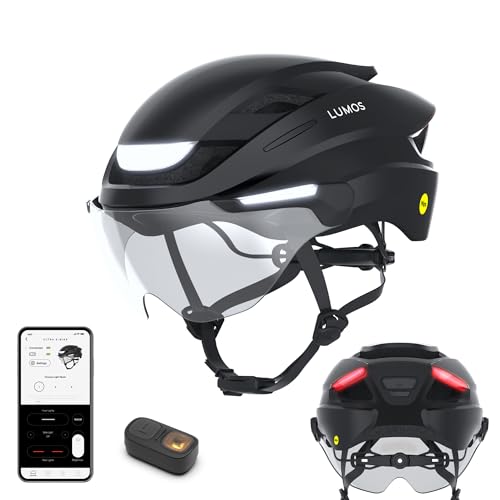
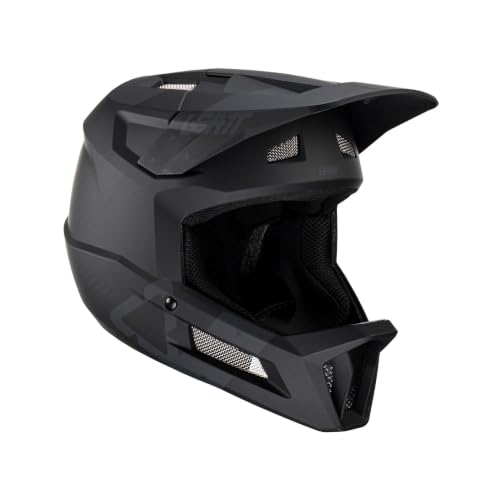
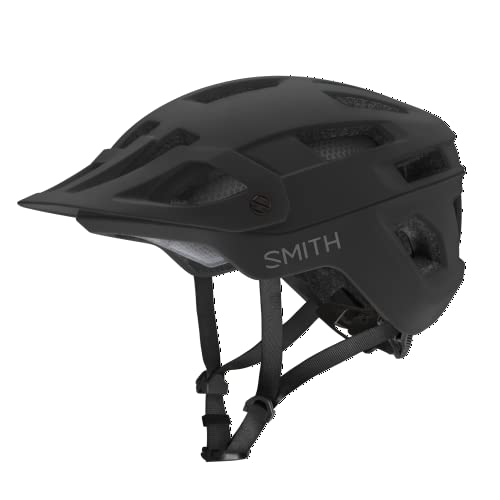
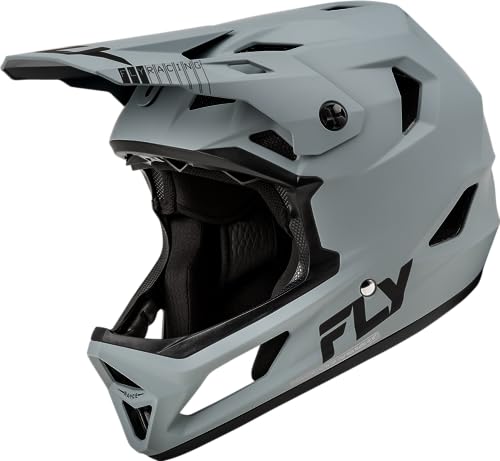
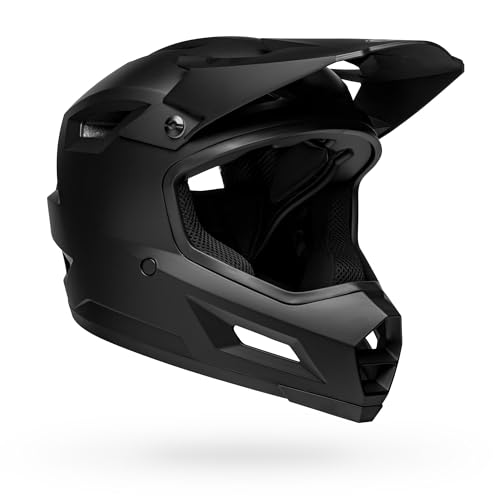

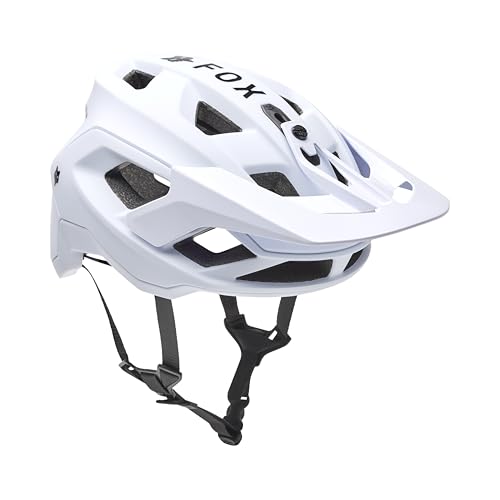
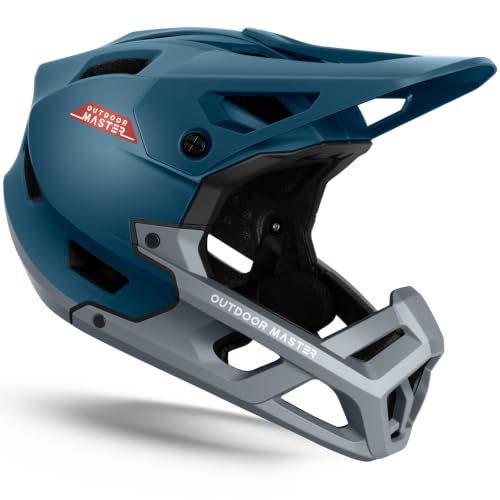

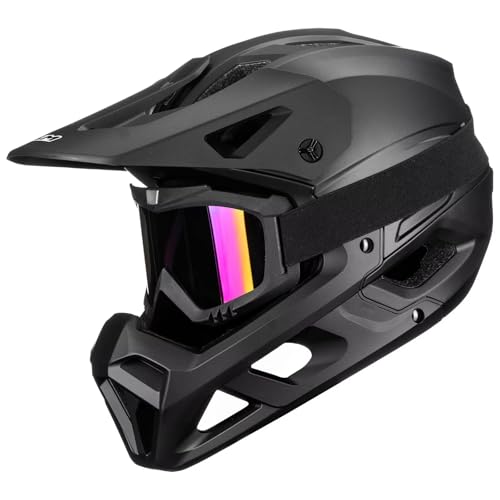
Riding Style Determines the Helmet You Need
Before you compare any specs, figure out what kind of riding you actually do most weekends. A cross-country racer, an all-day trail rider, and an enduro or downhill rider all put very different demands on a helmet, and the shell type that suits one can feel like the wrong tool for another. This guide focuses on adult off-road helmets specifically. If you are shopping for a young rider instead, a kids bike helmet is built around different sizing and coverage priorities.
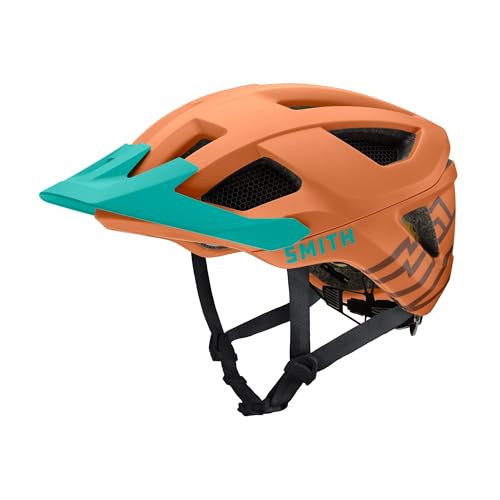
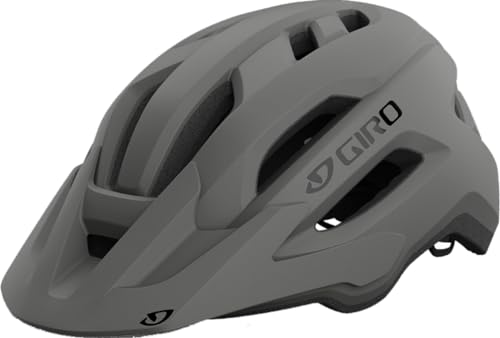
Half-Shell Helmets for XC and All-Mountain Riding
Half-shell helmets cover the top, sides, and back of the head without a chin bar, which keeps them light and well ventilated. They suit cross-country and general trail riding where climbing efficiency and airflow matter as much as impact protection. Riders on entry-level setups, including many mountain bikes under $1,000, often start here because a half-shell works for nearly every ride except full gravity days.
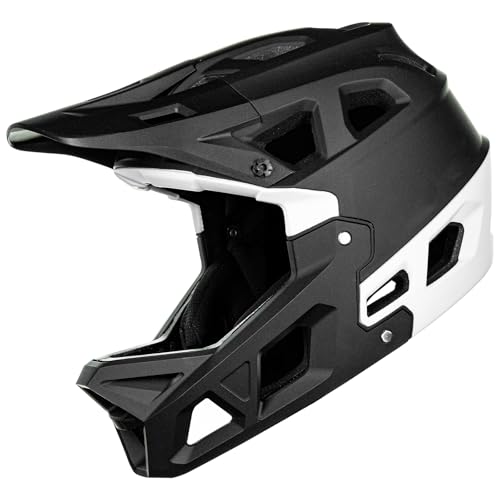
Full-Face and Convertible Helmets for Enduro and Downhill
Full-face helmets add a rigid chin bar and deeper coverage around the jaw and temples, which matters once speeds climb and crashes get more violent. Enduro and downhill riders lean on these, and some events require them outright. Convertible models with a removable chin bar split the difference, letting you pedal up in a lighter configuration and lock in the extra protection before a descent. As riders move toward bigger terrain, often alongside upgrades like mountain bikes under $2,000, a convertible or full-face helmet tends to make more sense, and for many gravity riders it is simply the best mountain bike helmet option once speeds pick up.
Rotational Impact Protection: MIPS and the Other Systems
Most crashes on singletrack are not straight-on hits. You catch a root at an angle, or you go down sideways on a berm, and the head twists on impact. That rotational force is a major contributor to concussions, which is why rotational protection has become close to standard on any helmet worth buying today.
How Rotational Protection Works
MIPS, the most common system, adds a low-friction layer inside the shell that lets the helmet slide slightly relative to your head during an angled impact. That small amount of movement absorbs rotational energy that would otherwise transfer straight to your brain. It is not a magic shield, but independent testing consistently shows it reduces rotational forces compared with helmets that skip it entirely, which is one reason rotational protection is now treated as close to standard on any best mountain bike helmet worth buying.
MIPS Alternatives Worth Knowing
MIPS is not the only approach. WaveCel uses a collapsible cellular structure built into the foam itself, while systems like SPIN, Turbine, and Koroyd rely on their own padding or honeycomb designs to manage rotational energy. None of these has been proven definitively superior to the others in every scenario, so treat the presence of some rotational protection system as the baseline requirement, not the deciding factor between two otherwise similar helmets.
Coverage, Ventilation, and Visor
Once shell type and rotational protection are settled, the next differences that separate an average lid from the best mountain bike helmet come down to how much of your head is actually covered and how the helmet handles heat and glare on the trail.
Why Rear Coverage Matters More Off-Road
Mountain bikers fall backward and sideways far more often than road cyclists, who mostly go over the front. That is why trail, enduro, and downhill helmets extend noticeably lower and farther around the back and sides of the skull than a typical road helmet. When you try one on, check that the coverage wraps well past your temples and down toward the base of your skull, not just across the crown.
Balancing Airflow With Protection
More foam and deeper coverage can trap heat, so helmet designers route vents carefully to pull air across the scalp during long climbs. Look for a pattern of vents that runs from front to back rather than a few scattered holes, since that channel effect is what actually keeps you cool once you are grinding up a fire road.
What a Visor Should and Shouldn't Do
A visor blocks low sun and deflects branches and mud spray, and on gravity-focused helmets it should also sit clear of goggles rather than pushing them down onto your face. Most quality visors adjust up or flip out of the way entirely, which matters on steep, slow climbs where a fixed visor can block your view of the trail right in front of your wheel.
Getting the Fit and Retention System Right
Every safety feature described above only works if the helmet actually stays put on your head during a crash, so fit deserves as much attention as any spec sheet.
Measuring Your Head Correctly
Wrap a soft tape measure around the widest part of your head, roughly an inch above your eyebrows, and match that number to the manufacturer's size chart rather than guessing based on a hat size. Sizes and shapes vary enough between brands that trying a helmet on, or at least checking return policies, beats ordering by number alone.
Dialing In the Retention System
The rear dial should snug the helmet without pinching, and the helmet should not shift when you shake your head side to side or tilt it forward. Straps should form a V just under each ear with the buckle centered under your chin. A helmet that passes these checks in the shop is far more likely to stay in position during an actual fall, which is really the whole point of choosing the best mountain bike helmet for your head shape rather than just the most popular one.
Safety Certification and When to Replace Your Helmet
Beyond fit and features, two practical questions come up again and again: what certification should you look for, and how long should this helmet actually last?
What CPSC and ASTM F1952 Actually Cover
Every bicycle helmet sold in the United States must meet the CPSC standard, which tests impact attenuation and strap strength under 16 CFR Part 1203. Some downhill-oriented and full-face helmets carry an additional ASTM F1952 rating, a voluntary standard that tests at higher speeds and includes chin bar impact testing. Check the label inside the helmet, usually stitched near the padding, to confirm what it is certified for.
Signs It's Time for a New Helmet
Replace a helmet immediately after any impact, even if the shell looks fine, since the foam can compress invisibly in ways that ruin its next-crash performance. Outside of a crash, most manufacturers recommend replacing a helmet every three to five years as UV exposure, sweat, and general wear degrade the foam and straps over time.
Frequently Asked Questions
Is MIPS worth it for a mountain bike helmet?
Yes, for most riders. Independent testing shows MIPS and similar systems meaningfully reduce rotational force in angled impacts, which are the most common type of crash on singletrack. It adds a little weight and cost, but the tradeoff is worth it if you want the best mountain bike helmet for regular off-road riding.
Do you need a full-face helmet for mountain biking?
Only if your riding leans toward enduro, downhill, or bike park laps at speed. Cross-country and general trail riders are usually better served by a half-shell or convertible helmet that keeps weight and ventilation reasonable.
What is the difference between a road helmet and a mountain bike helmet?
A mountain bike helmet extends farther down the back and sides of the head because off-road riders are more likely to fall sideways or backward. Road helmets prioritize low weight and aerodynamics for forward-facing crashes and long hours in the saddle.
How should a mountain bike helmet fit?
It should sit level on your head, roughly one to two finger-widths above your eyebrows, without shifting when you shake your head. The retention dial should snug it firmly but comfortably, and the straps should form a V just below each ear.
How often should you replace a bike helmet?
Replace it immediately after any crash involving a head impact, even without visible damage. Without a crash, plan on replacing it every three to five years as the foam and straps age.
Are more expensive mountain bike helmets actually safer?
Not necessarily in raw protection, since all helmets sold in the US must meet the same CPSC minimum. Higher prices usually buy better ventilation, lighter weight, more adjustable fit systems, and sometimes additional rotational protection tech rather than a dramatically safer shell.
Do mountain bike helmets need a visor?
It is not mandatory, but most riders find one useful for blocking sun, mud, and low branches. Just make sure it is adjustable or removable so it does not interfere with goggles or your sightline on steep climbs.
Making Your Decision
Start with how and where you actually ride, then layer in rotational protection, coverage, ventilation, and a fit you have physically checked. None of these factors work in isolation, and skipping one, like buying a great shell type but ignoring fit, undercuts the whole helmet. Get those fundamentals right and the best mountain bike helmet for you becomes a much easier call.