
Best Water Bottle for Athletes: A First Time Buyer's Guide for 2026
Disclosure: We may earn a commission when you buy through links on this page, at no extra cost to you. As an Amazon Associate I earn from qualifying purchases. Learn more

A first time buyer guide to athletic water bottles: squeeze, insulated and jug styles, lids, sizes and care.
Athletes put water bottles through far more than a desk job ever will. Bottles get squeezed mid ride, tossed into gym bags, dropped on courts and filled with sports drinks and ice day after day. If you are choosing one for training for the first time, the options can feel endless: squeeze bottles, insulated steel, straw lids, chug caps and half gallon jugs. This guide to the best water bottle for athletes explains the basics so you can pick a bottle that fits your sport and routine.
We cover bottle types and materials, explain each spec in plain English, list rookie mistakes and walk through setup and care. Hydration needs vary with body size, sport, heat and sweat rate, so talk with a doctor or sports dietitian if you train hard in heat, have a medical condition or are unsure how much to drink.




Water Bottles 101: The Basics
Water bottles for athletes fall into a few main styles. Squeeze bottles, like the CamelBak Podium Chill and Gatorade's 32 ounce bottles, are soft plastic bottles you squeeze for fast drinks without stopping, popular with cyclists and team sports. Insulated stainless steel bottles, like Owala FreeSip, Hydro Flask, YETI Rambler and Stanley IceFlow, keep water cold for hours. Hard plastic bottles, like Nalgene's 32 ounce wide mouth bottle, are light, tough and inexpensive. Half gallon and gallon jugs, like AQUAFIT's, hold a full day of water and often have time markers.
A few terms show up often. Double wall vacuum insulation traps air between steel layers to keep drinks cold. Wide mouth openings make it easy to add ice and clean. BPA free means the plastic is made without bisphenol A. Tritan is a durable BPA free plastic used by Nalgene.
Lid styles include straw lids, chug caps, flip straws and high flow valves.
How to Choose the Best Water Bottle for Athletes: Key Specs in Plain English
Six factors decide which bottle suits you: sport specific features, materials and safety, durability, size and carrying, comfort and how you clean it.
Features That Matter for Athletes
Fast, one handed drinking matters most during activity. The CamelBak Podium Chill, around $18, has an easy squeeze body, a high flow self sealing cap and a shape designed to fit bike cages, plus double wall insulation that keeps water cold about twice as long.
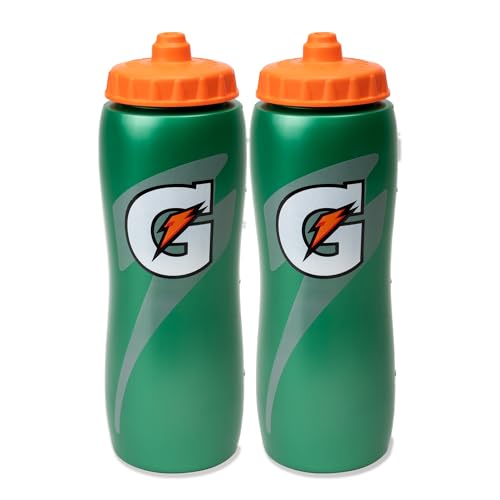
Gatorade's 32 ounce squeeze bottles, around $18 for 2, use a high flow valve and a fast cap that is easy to remove and fill. Owala's FreeSip spout, around $35 for 32 ounces, lets you sip through a built in straw or tilt back to swig, with a push button lid that locks. Choose based on whether you drink while moving or between sets.
Material and Food Safety
Stainless steel, like YETI's 18/8 kitchen grade steel and Hydro Flask's pro grade steel, does not hold flavors and resists rust. Plastic bottles should be BPA free; Nalgene lists BPA, BPS and phthalate free Tritan Renew, and Gatorade lists BPA free. Steel bottles are better for sports drinks and juices because they resist odors. Avoid putting hot liquids in lids that are not rated for heat; YETI notes its Chug Cap is not intended for hot drinks.
Durability and Build
Athletes drop bottles, so toughness matters. Nalgene describes its bottle as practically indestructible, impact resistant and leak proof. YETI says its stainless steel bottles are puncture and rust resistant.
Insulated steel bottles can dent if dropped on concrete but keep working. Squeeze bottles are lighter and can crack over time with heavy use and dishwasher heat. Replaceable seals, like Stanley's IceFlow lid seal, extend lid life.
Size and Carrying
Choose capacity based on your session length. A 24 ounce bottle, like the CamelBak Podium Chill or Stanley IceFlow Flip Straw 2.0, suits short runs, rides and classes.
A 26 to 32 ounce bottle, like YETI's Rambler 26 or Hydro Flask's and Owala's 32 ounce, suits typical gym sessions and practices. A 40 ounce Owala FreeSip Sway or 64 ounce YETI Rambler or AQUAFIT jug suits all day training and tournaments. Check cup holder and bike cage fit; Owala notes its 32 ounce bottle does not fit standard car cup holders.
Comfort and Ergonomics
Handles and weight affect comfort. Hydro Flask's Flex Cap has a flexible handle, YETI's Chug Cap uses a TripleHaul handle and Stanley's IceFlow has an easy carry handle. Stanley says its AeroLight spun steel insulation makes the IceFlow about 33 percent lighter than standard stainless steel bottles. Squeeze bottles are lightest of all and easiest to grip with sweaty hands.
Cleaning and Dishwasher Safety
Bottles that are easy to clean stay fresher. Hydro Flask, YETI, Nalgene and Stanley say their bottles are dishwasher safe, and Stanley's spout is removable for cleaning.
Wide mouth openings, like Nalgene's and Hydro Flask's, fit a brush and ice cubes easily. Straw lids and valves have small parts that need regular scrubbing. Owala's wide opening helps with cleaning and adding ice.
Price vs Value
Budget bottles cost around $16 to $27, including Nalgene's 32 ounce bottle around $16, CamelBak's Podium Chill around $18, Gatorade's 2 pack around $18 and AQUAFIT's half gallon around $27. Insulated steel bottles cost around $35 to $45, such as Owala's FreeSip, Stanley's IceFlow, Hydro Flask's 32 ounce and YETI's Rambler 26. YETI's 64 ounce Rambler costs around $65. Many athletes own a squeeze bottle for training and an insulated bottle for all day use.
Insulation and Temperature
Cold water is more pleasant to drink during hard efforts, which encourages athletes to drink more. Double wall vacuum insulation, used by Owala, Hydro Flask, YETI and Stanley, keeps water cold for many hours; Hydro Flask lists 24 hours cold and Owala lists up to 24 hours cold.
Insulated squeeze bottles like the CamelBak Podium Chill offer a middle ground, staying cooler than a plain plastic bottle while still letting you squeeze. Non insulated bottles like Nalgene's and Gatorade's are lighter and cheaper but warm up quickly in the sun. If you train outdoors in summer, insulation is worth the extra weight.
Rookie Mistakes to Avoid
- Choosing a bottle that is hard to drink from mid workout. Screw caps slow you down. Choose squeeze valves, straws or chug caps.
- Buying too small. A 16 ounce bottle runs out fast during long sessions. Match capacity to your workout length.
- Ignoring bike cage or cup holder fit. Check dimensions before buying for a bike or car.
- Leaving sports drinks in bottles. Sugary drinks breed mold. Rinse bottles soon after use.
- Skipping lid cleaning. Straws and valves trap residue. Take lids apart and scrub them regularly.
Getting Started: Setup and First Use
Wash a new bottle and lid with warm soapy water before first use to remove manufacturing residue. Take the lid apart to learn how seals and straws come out. For insulated bottles, pre chill with ice water for a few minutes before filling for longer cold time. Mark your bottle with your name for team sports.
Plan your hydration around your training. Many athletes sip regularly during exercise rather than drinking large amounts at once, and add electrolyte drinks for long or hot sessions. Use time marker bottles like AQUAFIT's if you struggle to drink enough during the day. Carry a backup bottle on long rides or hot days.
Choosing for Your Sport
Cyclists should choose squeeze bottles that fit bike cages, like the CamelBak Podium Chill. Runners often prefer light handheld bottles or hydration vests, with smaller 16 to 24 ounce bottles. Gym goers and lifters benefit from 32 ounce insulated bottles with straw or chug lids, like Owala's FreeSip or Hydro Flask.
Team sport athletes and coaches love Gatorade squeeze bottles for quick sideline drinks and easy sharing. Hikers and outdoor athletes rely on tough wide mouth bottles like Nalgene. All day trainers and tournament players do well with 40 to 64 ounce bottles like Owala's Sway or YETI's 64 ounce Rambler.
Frequently Asked Questions
What features matter most in water bottles for athletes?
Fast drinking, leak resistance, the right capacity and easy cleaning matter most. Choose a squeeze valve, straw or chug cap you can use mid workout, a size that lasts your session and a lid that seals in a gym bag. Insulation helps for long, hot sessions.
How long do water bottles last?
Stainless steel bottles can last many years, while plastic squeeze bottles usually last a season or two of heavy use. Lids and seals wear out first; brands like Stanley offer replaceable seals. Replace bottles that crack, smell after cleaning or no longer seal.
Is it better to own more than one bottle?
Yes, many athletes use two bottles for different needs. A squeeze bottle works best during training, while an insulated bottle keeps water cold through the day. A second bottle also lets you carry water and an electrolyte drink separately.
Are athletic water bottles dishwasher safe?
Many are, but check each brand's instructions. Hydro Flask, YETI, Nalgene and Stanley say their bottles are dishwasher safe. Hand washing insulated bottles can help preserve paint and finish, and high heat can warp some plastic squeeze bottles over time.
What material is safest for drinking?
Food grade stainless steel and BPA free plastics are both considered safe choices. Stainless steel, like YETI's 18/8, does not hold flavors and works well for sports drinks. BPA free plastics like Nalgene's Tritan are light and durable. Clean any bottle regularly to prevent bacteria growth.
Can I put electrolyte drinks in an insulated bottle?
Yes, most stainless steel bottles handle sports drinks and electrolyte mixes well. Rinse the bottle soon after use and wash it daily, since sugary drinks leave residue that can cause odors and mold. Check the lid instructions, as some straw and valve parts need extra scrubbing after sports drinks.
Our Verdict
When choosing a bottle for training, focus on three things: a lid that lets you drink fast, a capacity that matches your session and materials that stay clean and fresh. The CamelBak Podium Chill and Gatorade squeeze bottles suit cyclists and team sports, Owala FreeSip and Hydro Flask suit gym goers, Nalgene suits outdoor athletes and YETI's 64 ounce Rambler suits all day training. The best water bottle for athletes is the one you will actually carry and drink from every session.
For more fitness and outdoor guides, see the best fitness and smart watches, the best bike computer, the best coffee tumbler and the best hiking watches. Then compare current prices in the product table above.


