Best Dual Zone Wine Fridge: What to Look For (Buying Guide)
Disclosure: We may earn a commission when you buy through links on this page, at no extra cost to you. As an Amazon Associate we earn from qualifying purchases. Learn more
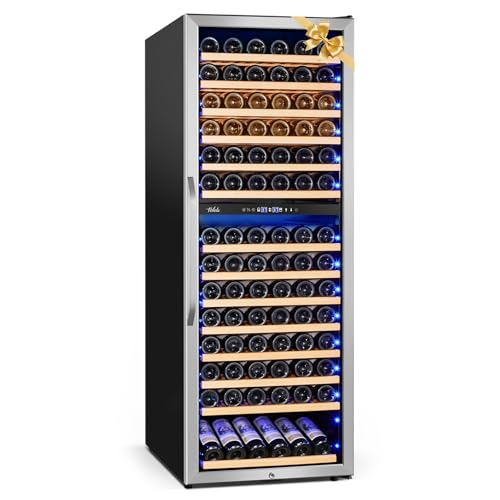
If your household drinks both red and white regularly, a single-temperature cooler is always a compromise. One bottle ends up too warm, the other too cold, and someone reaches for the fridge instead. That's the exact problem a dual zone wine fridge is built to solve: two separate compartments, each holding its own temperature, so red and white can sit ready to pour at the same time. This guide walks through how that two-zone system actually works, where compressor and thermoelectric models differ for this specific job, and what to check before you buy so both zones perform the way they're supposed to.
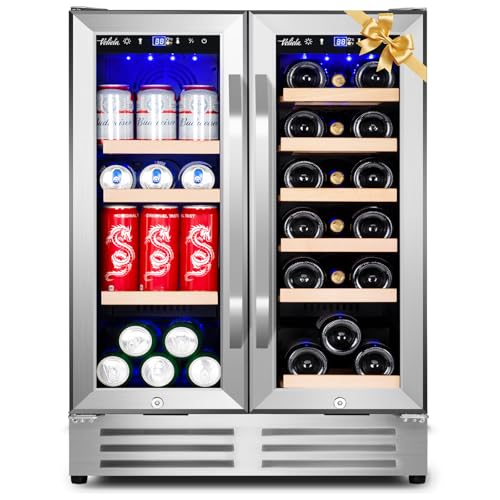
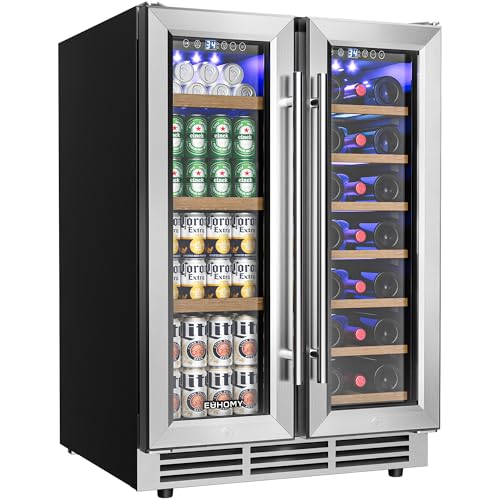
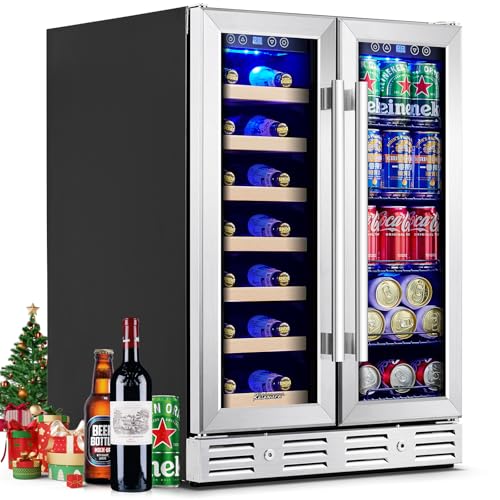
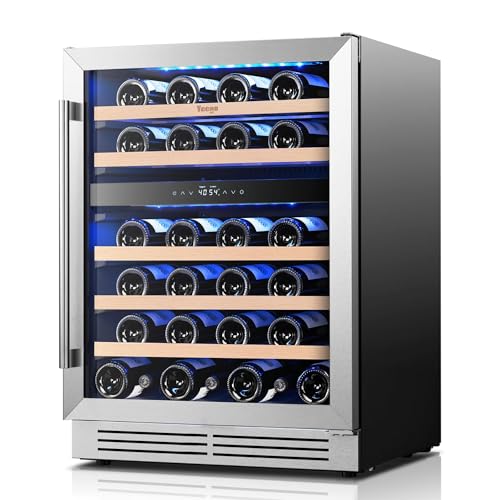
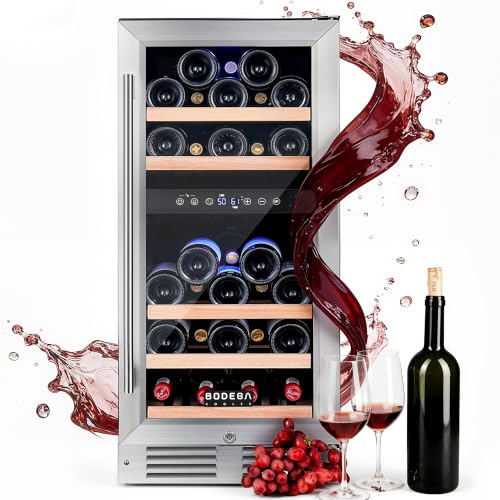
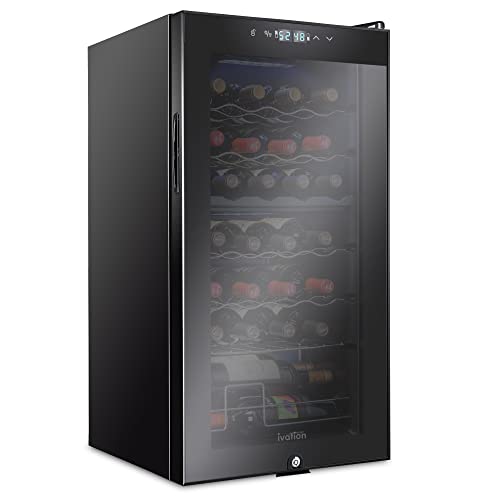

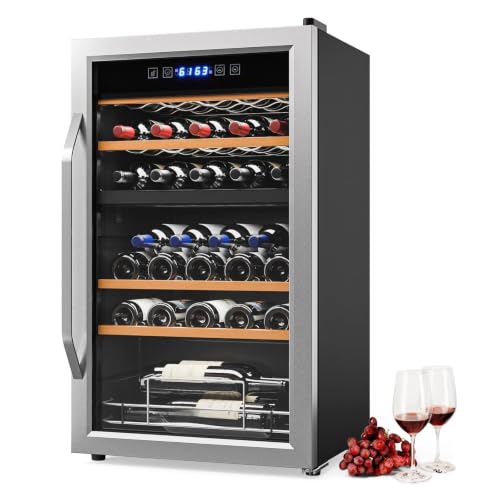
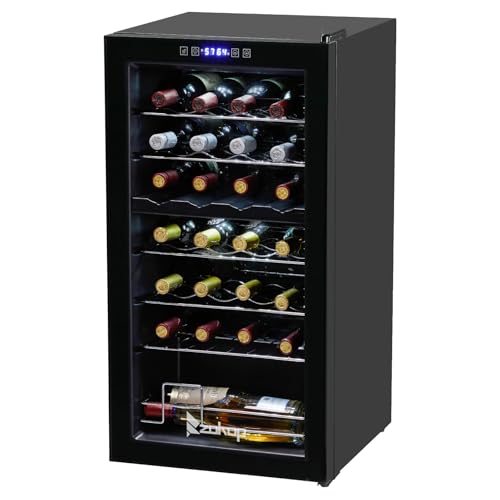
How Dual-Zone Cooling Actually Works
Two Compartments, Two Independent Climates
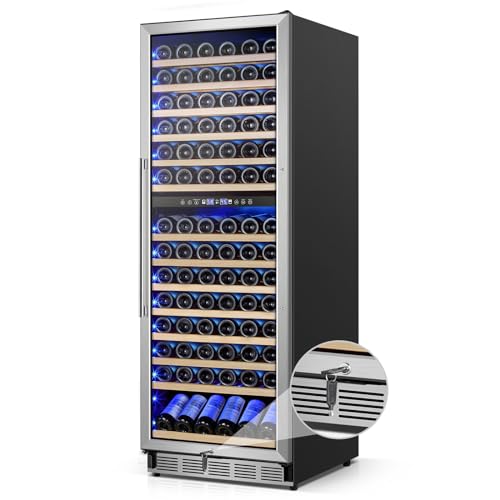
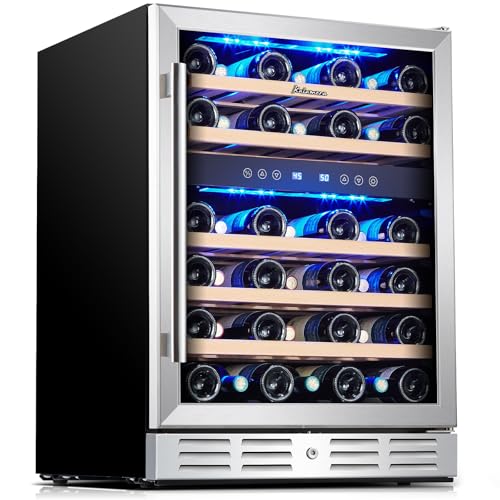
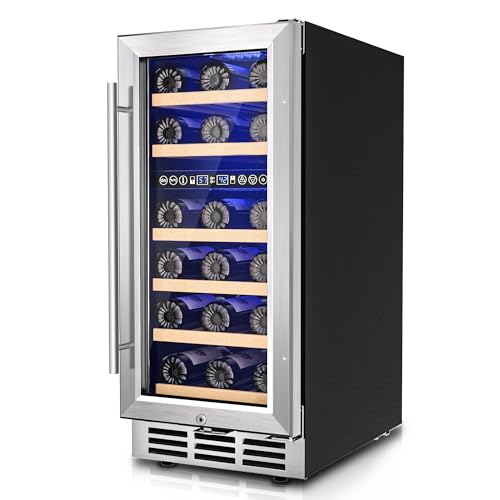
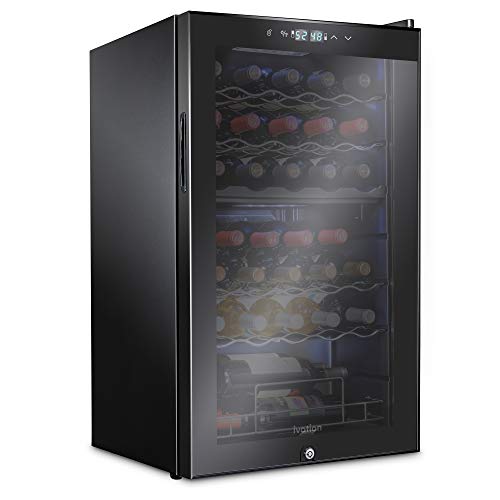
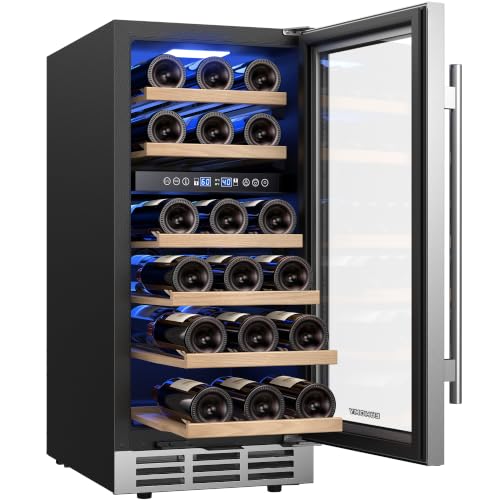
Instead of one cabinet cooled to a single setpoint, a dual-zone unit splits the interior into an upper and lower section, each with its own thermostat, sensor, and airflow path. You set each zone independently, usually somewhere between 40°F and 65°F, and the appliance manages both without one setting dragging the other along. This is the core difference from a standard wine fridge, which only ever holds one temperature for the entire cabinet.
What Keeps the Zones From Mixing Temperatures
An insulated divider sits between the two compartments to stop warm and cool air from bleeding into each other. Better-built units use a solid, well-sealed barrier and route each zone's airflow separately, so the colder zone doesn't quietly pull the warmer one down (or vice versa). Cheaper models sometimes skip proper insulation here, which is why zone bleed is one of the most common complaints in this category.
Compressor vs Thermoelectric: Which Suits Two Independent Zones
Compressor Dual-Zone Units
Compressor cooling uses the same refrigerant-based system as a standard fridge, just split to serve two zones. It can pull temperatures down further, usually into the high 30s to low 40s Fahrenheit, which matters if you want a proper chill for sparkling wine alongside room-temperature reds. It also holds steady in warmer rooms, garages, and basements where ambient heat would otherwise fight the cooling system. The tradeoff is more vibration and audible cycling noise, which can matter if the unit sits somewhere quiet.
Thermoelectric Dual-Zone Units
Thermoelectric cooling uses a solid-state element with no compressor and no moving parts to speak of, so it runs almost silently and without vibration, a genuine plus for long-term wine storage. The catch is limited cooling range. Most thermoelectric dual-zone models struggle to get much below 50°F, and performance drops noticeably once the room around them gets warm. That makes them a better match for a climate-controlled living space than a garage or an uninsulated porch.
Dialing In Temperatures for Red and White at the Same Time
Typical Zone Ranges
A common split runs the upper zone around 45-50°F for whites, rosés, and sparkling wine, with the lower zone set to roughly 55-65°F for reds. These aren't rigid rules, and you can adjust either zone to match what you actually drink, but they're a reasonable starting point if you're not sure where to begin.
Getting the Split Right for Your Habits
Think about which bottles you open most and set the zones around that habit rather than a generic chart. If reds dominate your collection, size the larger zone for them and keep the smaller zone for the occasional white. Households that drink both in roughly equal amounts get the most value out of a true 50/50 zone split.
Why One Zone Sometimes Drifts (and How to Avoid It)
Owner reports of dual-zone units consistently point to a handful of causes: a sensor placed too close to the door or fan, a worn door seal letting room air in, or a blocked vent between the compartments. When one zone won't hold its setting while the other works fine, it's rarely the whole unit failing, it's usually one localized issue. Before assuming the appliance is defective, check that the door seals fully, nothing inside is blocking the vents, and the unit has a few inches of clearance on all sides for the compressor or thermoelectric element to breathe. Units with a single shared cooling source split awkwardly between zones tend to drift more than models built with genuinely separate cooling paths for each compartment, so it's worth checking how a model actually separates its zones rather than assuming "dual-zone" always means fully independent hardware.
Layout and Placement for a Two-Zone Cooler
Built-In vs Freestanding
Freestanding units need airflow on all sides and generally can't be boxed into a cabinet without overheating. Built-in models are front-venting and designed for that tight fit, similar to how you'd plan clearance for a counter-depth refrigerator under a counter. Check the spec sheet for which category a model falls into before you buy, since forcing a freestanding unit into a built-in space shortens its lifespan.
Bottle Capacity per Zone
Capacity is usually split unevenly between the two zones, often with a larger compartment for reds and a smaller one for whites or sparkling wine. Look at the per-zone number, not just the total bottle count, since a 30-bottle unit split 20/10 behaves very differently from one split evenly. If you're outgrowing the unit's storage but don't need a second temperature, a dedicated wine rack can hold overflow bottles that are ready to drink soon at room temperature.
Do You Actually Need Dual-Zone, or Would Single-Zone Work
Signs Dual-Zone Is Worth It
Dual-zone makes the most sense if you regularly serve both red and white in the same evening, you're building a mixed collection meant for both aging and near-term drinking, or you entertain often enough that guests expect both options chilled and ready. It's also useful if you want to store sparkling wine properly cold while still aging reds nearby.
When Single-Zone (or a Second Small Unit) Makes More Sense
If you mostly drink one type of wine, or you always decant and let bottles adjust to room temperature before serving anyway, paying extra for a second zone you rarely use doesn't add much. Someone who just wants one bottle chilled for tonight is usually better served by a compact single bottle wine chiller than a full two-zone appliance. And if what you actually care about is fitting a specific number of bottles rather than running two temperatures, it's worth comparing options sorted purely by capacity, like a 12 bottle wine cooler, before paying for zone independence you won't use.
Frequently Asked Questions
Do dual-zone wine fridges use one compressor or two?
It varies by model. Some use a single compressor with a valve system that routes cooling to each zone separately, while higher-end units use two fully independent compressors, one per zone. Independent compressors generally hold temperature more precisely.
What temperatures should each zone be set to?
A common starting point is 45-50°F for whites and sparkling wine in one zone, and 55-65°F for reds in the other. Adjust from there based on which wines you drink most.
Can I run a dual-zone fridge as a single temperature unit?
Yes. Most models let you set both zones to the same temperature if you don't need the split, though you're still paying for hardware you're not using compared to a single-zone unit.
Why does one zone stay warm while the other cools fine?
This usually points to a sensor placement issue, a door seal that isn't sealing, or a blocked vent between compartments rather than a total system failure. Check those first before assuming the unit needs repair.
Are thermoelectric dual-zone units reliable long-term?
They're reliable within their limits. They run quietly and have fewer moving parts to fail, but they can't cool as low as compressor models and struggle more in warm rooms, so match the technology to where the unit will actually sit.
Do dual-zone units cost more to run than single-zone?
Generally yes, since two zones mean more components working. The difference is usually modest, but it's worth weighing against how often you'll actually use the second temperature.
Making the Right Call for Your Wine Habits
A dual-zone wine fridge earns its price when you genuinely drink across both temperature ranges, not just because two zones sounds better than one. Match the cooling technology to where the unit will live, check how well the zones are actually separated, and set each compartment around habits you already have rather than a generic chart. Get those three things right and the fridge will do its job quietly for years.