Best French Door Refrigerators With Drawer: Buying Guide
Disclosure: We may earn a commission when you buy through links on this page, at no extra cost to you. As an Amazon Associate we earn from qualifying purchases. Learn more
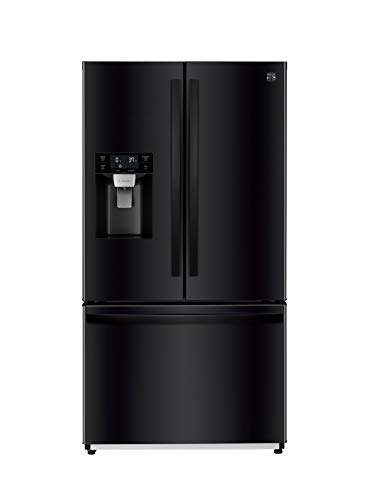
A complete buying guide to french door refrigerators with a drawer, covering capacity, drawer types, temperature zones, energy efficiency, and common buying mistakes.
Shopping for a new refrigerator often comes down to how you want to reach your food every day. Among the best french door refrigerators with drawer designs, the layout puts fresh food at eye level behind two swinging doors up top, with a pull-out drawer below for frozen items or flexible temperature-controlled storage. That single design choice changes how you load groceries, how often you bend down, and how much floor space the appliance needs. Before you settle on a model, it helps to understand how drawer configuration, sizing, energy use, and extra features actually affect daily life in your kitchen. This guide walks through what actually matters, not just spec sheet numbers, so you can narrow your search with confidence.
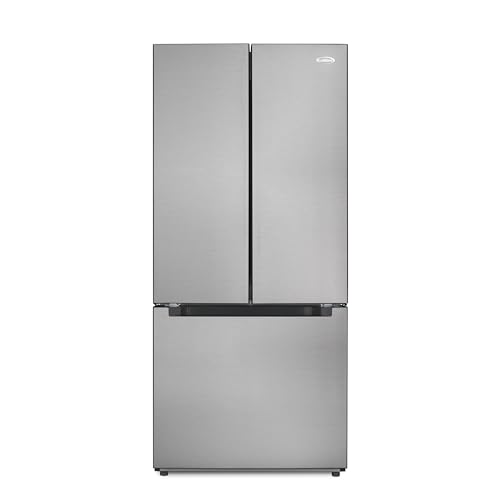
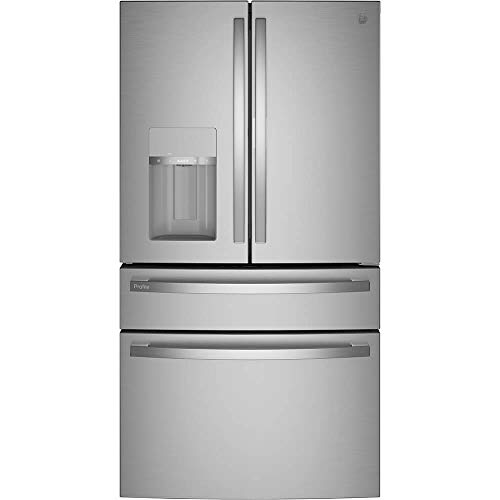
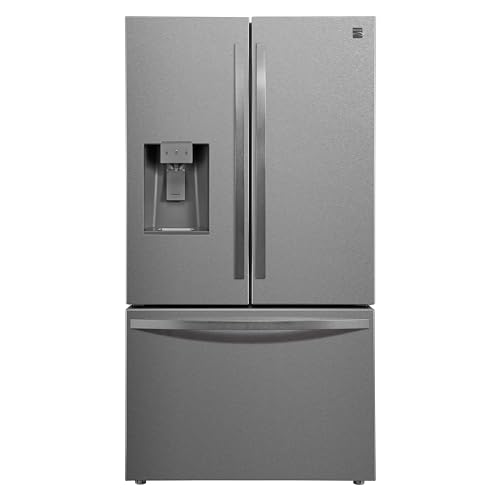
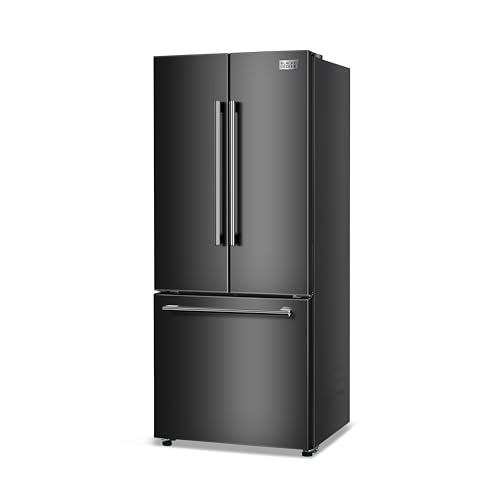
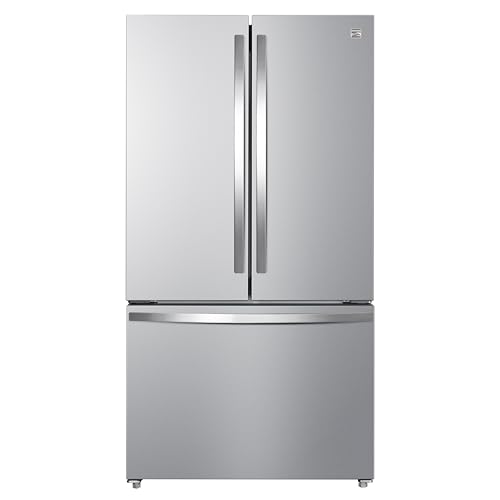
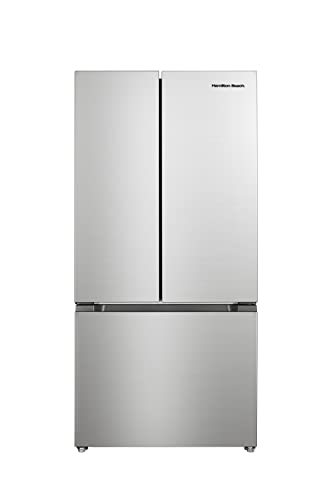
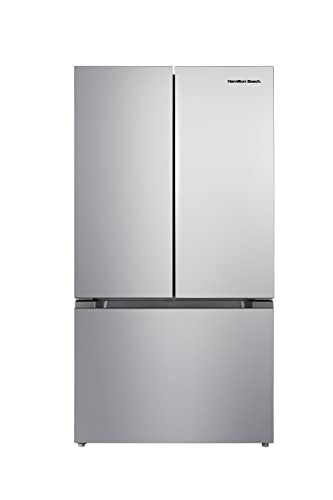

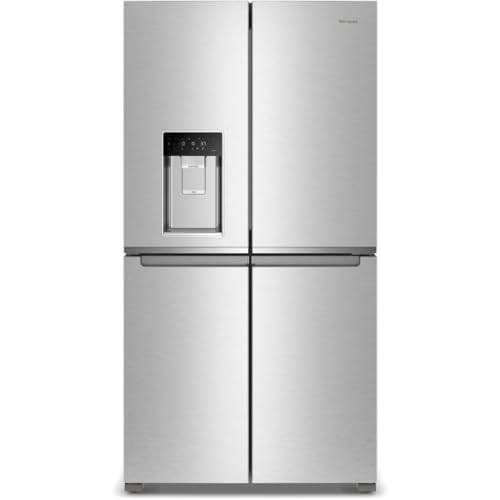
Drawer Configuration: Bottom Freezer vs. Middle Flex Drawer
Not every drawer serves the same purpose, and picking the wrong configuration can leave you frustrated within a few weeks of ownership. Two main layouts dominate this category, and each suits a different kind of household.
Single Bottom Freezer Drawer
This is the classic setup: one deep drawer at the base holds all your frozen goods, usually split into an upper basket for everyday items and a lower bin for bulk storage like meat or frozen vegetables. It works well if your freezer needs are modest and you mostly grab a bag of peas or a box of waffles a few times a week. The tradeoff is depth. Items at the bottom of a full drawer can get buried and forgotten.
Middle Flex or Convertible Drawer
Some models add a second drawer between the refrigerator and freezer sections that can shift between fridge and freezer temperatures, or hold a fixed mid-range setting for deli meats, beverages, or produce. This is genuinely useful around holidays or large gatherings when you need extra chilled space temporarily. It adds cost and one more seal to maintain, so weigh whether you would use the flexibility often enough to justify it.
Why a Drawer at the Bottom Actually Makes Sense
The logic behind this layout is simple once you think about how often you open each compartment. You reach for milk, leftovers, and produce many times a day, so keeping those items at eye level in the top doors saves your back and speeds up meal prep. Frozen goods get pulled out far less often, so tucking them into a lower drawer is a reasonable tradeoff. It is one reason best french door refrigerators with drawer configurations show up so consistently on retailer top-seller lists.
Compare that to a side-by-side layout, where the freezer runs the full height of one narrow column. A side-by-side keeps everything vertical and easy to scan, but it splits your fresh food storage into a narrower space that struggles with wide platters or sheet pans. If you are weighing the two formats directly, it is worth reading a dedicated side-by-side refrigerator buying guide alongside this one before deciding. For most households that cook often and entertain occasionally, the wide-shelf, drawer-based layout wins on everyday convenience, even if it means bending down for the occasional bag of ice.
Matching the Fridge to Your Kitchen Cutout
French door models with a bottom drawer tend to run wider and shallower than side-by-side units, which is part of their appeal but also their biggest fitting challenge. Before you shop, measure the width, height, and depth of your existing cutout, and add clearance for door swing and hinge hardware. Door bins full of jars are heavy, and doors that cannot open past ninety degrees will make loading awkward.
Depth matters just as much as width. Standard-depth models stick out several inches past your counters and cabinets, which maximizes interior capacity but looks bulky in a smaller kitchen. Counter-depth versions sit nearly flush with your cabinetry for a built-in look, though they usually trade away some storage volume to get there. If a flush profile matters to your kitchen design, our counter-depth refrigerator sizing guide covers the tradeoffs in more depth. Always double-check the doorway and hallway path the unit needs to travel during delivery, since a fridge that fits your kitchen can still get stuck at the front door.
Energy Efficiency and What It Actually Costs to Run
Refrigerators run around the clock, so efficiency differences add up over the life of the appliance. Look for an Energy Star certification as a baseline; it signals the unit meets efficiency targets well above the federal minimum. Beyond the label, ask about the compressor type. Inverter compressors adjust their speed to match cooling demand instead of switching fully on and off, which tends to use less electricity and run quieter than older fixed-speed designs.
Door and drawer seals also affect efficiency more than most shoppers expect. A worn or poorly fitted gasket lets cold air leak out, forcing the compressor to work harder to hold temperature. When you compare models in a showroom, open and close each door and drawer to feel how snugly the seal closes. A well-built drawer should glide smoothly on its rails and seat firmly with a light push, without needing to be slammed shut.
Extra Features Worth Paying For
Once you have settled on layout, size, and efficiency, the remaining decision is which upgrades genuinely earn their price. A handful of features on best french door refrigerators with drawer models tend to deliver real day-to-day value rather than just looking impressive on a spec sheet.
- Dual ice makers, one in the freezer and a smaller one in the door, which matter most for households that entertain or fill coolers often.
- Humidity-controlled crisper drawers that let you set separate moisture levels for produce that wilts versus produce that rots, extending freshness noticeably.
- Adjustable and spill-proof shelving that lets you reconfigure the interior for tall items without removing a shelf entirely.
- Smart connectivity features such as temperature alerts sent to your phone, which are convenient but not essential if you already check the fridge daily.
Prioritize the features that solve a problem you actually have. It is easy to pay extra for a touchscreen or camera you rarely use while skipping a sturdier drawer rail that would have mattered every single day.
Frequently Asked Questions
Is a bottom freezer drawer harder to organize than a traditional freezer?
It can be if you fill it without a system. Using stackable bins or baskets inside the drawer keeps smaller items visible and stops food from getting buried at the bottom over time.
Do French door refrigerators with a drawer use more energy than other styles?
Not inherently. Energy use depends more on insulation quality, compressor type, and overall size than on door configuration, so compare Energy Star ratings rather than assuming one layout is automatically less efficient.
How much clearance does the drawer need to fully extend?
Most drawers need close to their own depth in open floor space in front of the unit to slide out fully. Check the manufacturer's installation specs rather than estimating, since this varies by model.
Can the middle flex drawer replace a second refrigerator?
For light use, yes. It can hold drinks or overflow produce for a gathering, but it is too small to substitute for genuine second-fridge capacity if you regularly store bulk groceries.
Is counter-depth worth it if I have a smaller kitchen?
Often yes, for the flush look and easier walkway clearance, but expect noticeably less interior storage than a standard-depth model of similar width. Measure your actual grocery habits before assuming you need the extra depth.
Why does my drawer feel harder to close over time?
This is usually a rail or seal issue rather than something wrong with the compressor. Clean the rails and check for food debris blocking the track before assuming you need a repair call.
Are these refrigerators harder to fit through doorways during delivery?
Sometimes, since the wide two-door design needs more swing clearance than a single side-by-side door. Measure your narrowest doorway and hallway turn in advance, not just the final kitchen spot.
A Few Last Considerations Before You Decide
No single configuration is right for every kitchen, and the best choice depends on how you actually cook, shop, and store food day to day. Weigh drawer type, footprint, and efficiency against your household's real habits rather than the longest feature list. A model that fits your space and matches how you use a fridge daily will serve you better than one chosen on specs alone.