
Best Compost for Raised Beds 2026: A Buying Guide
Disclosure: We may earn a commission when you buy through links on this page, at no extra cost to you. As an Amazon Associate I earn from qualifying purchases. Learn more

Learn how to choose compost for raised beds: texture, nutrients, drainage, and bagged versus bulk options, plus how much you need for healthy soil.
Good soil starts with good compost, and the best compost for raised beds balances nutrients, drainage, and structure in one mix. Raised beds drain faster than ground soil, so compost choice shapes watering and plant health all season. The comparison table below gives an overview, and this guide explains what to look for.
Compost is not one product. Manure based, plant based, mushroom, and blended composts each behave differently in a raised bed. This guide compares them by texture, nutrient release, and ease of use, so you can fill beds with confidence.

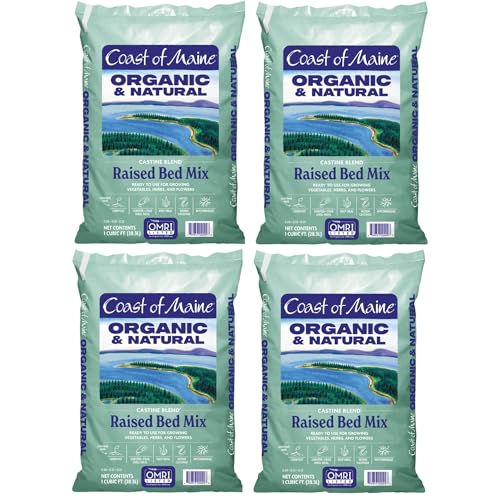


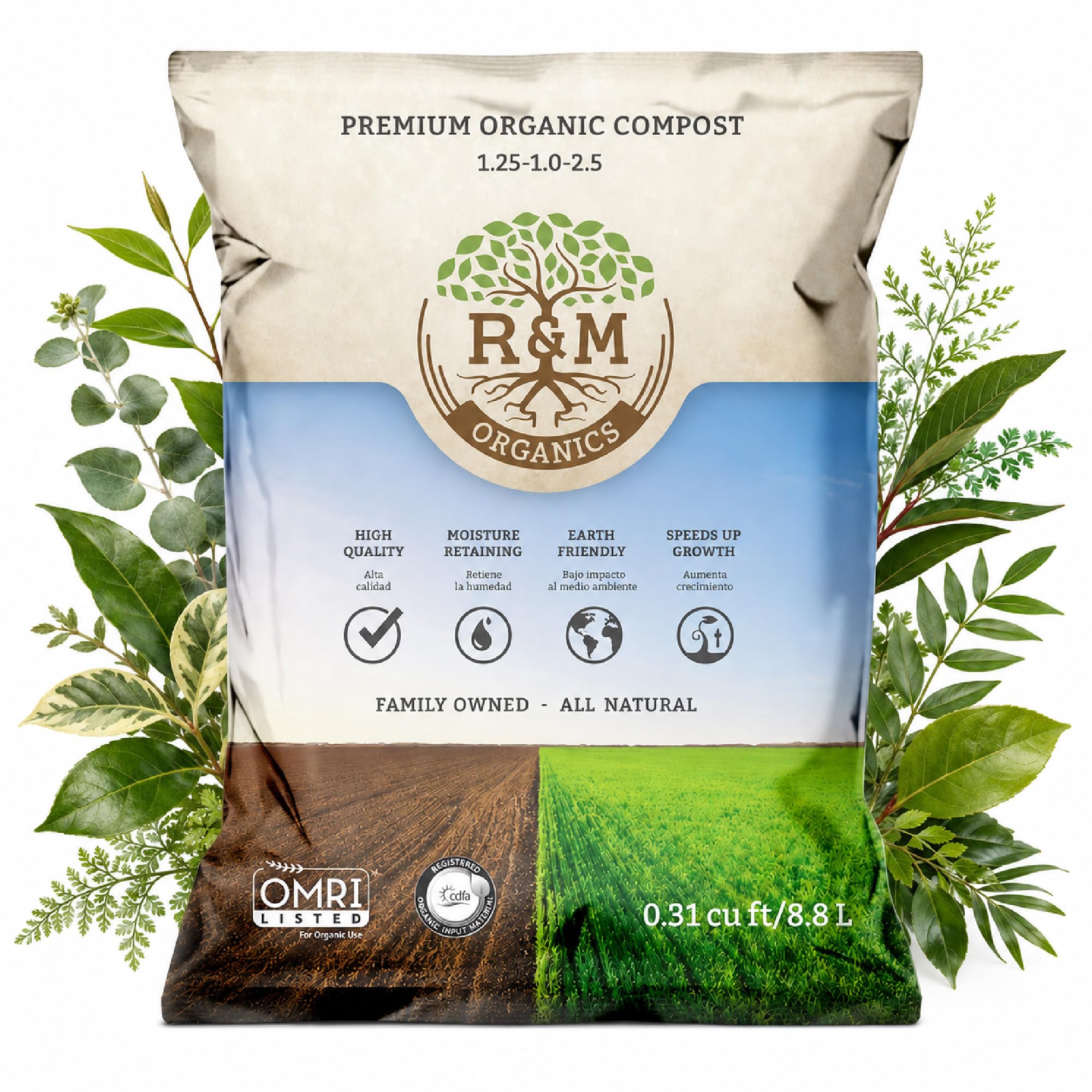
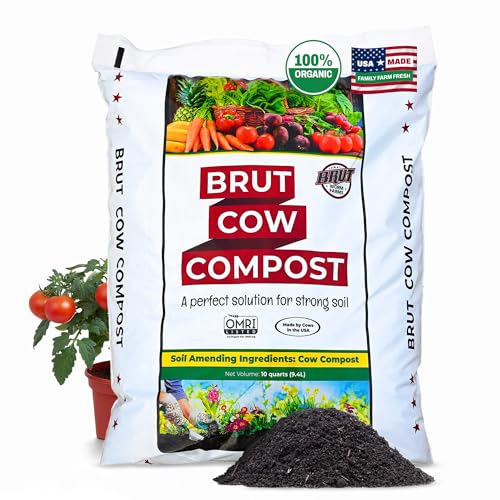
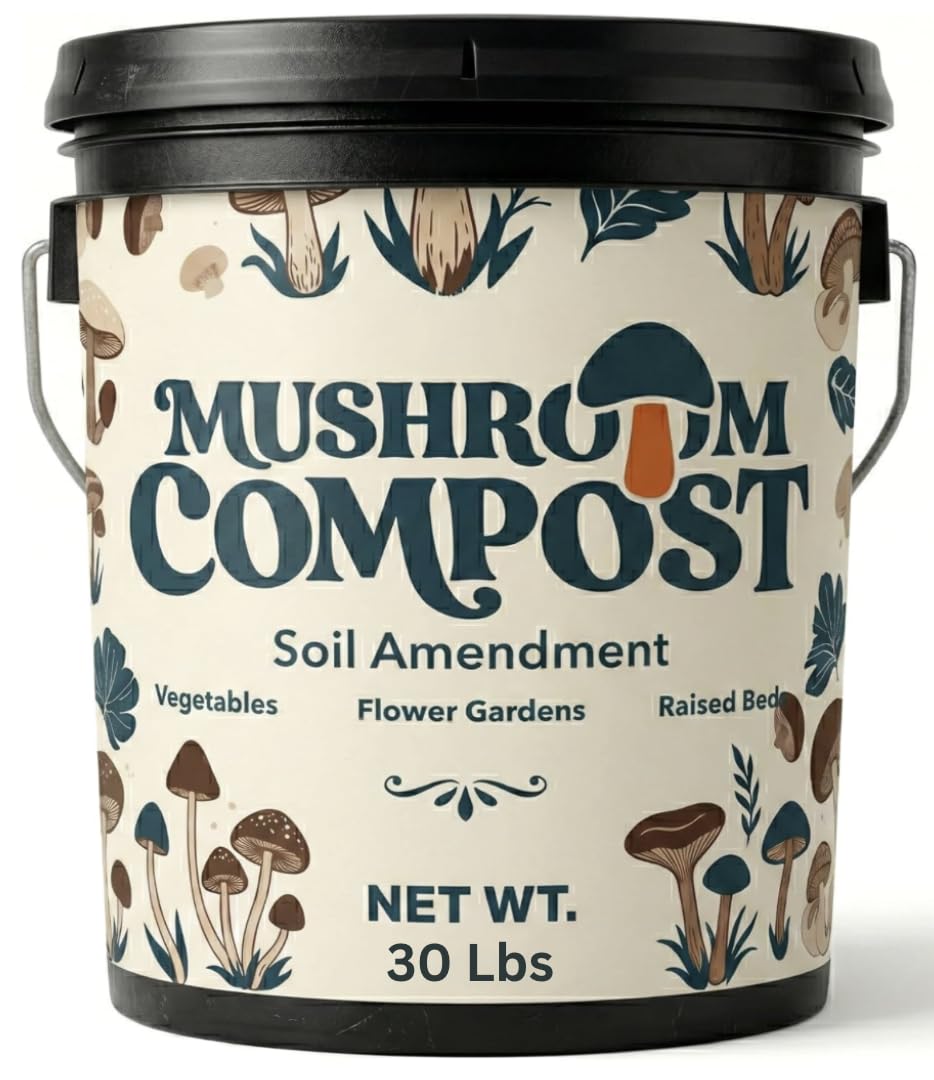
Why Raised Beds Need the Right Compost
Raised beds warm early, drain freely, and let roots grow deep, but they also dry out faster and need regular feeding. Compost adds organic matter that holds moisture, feeds soil life, and slowly releases nutrients. Without enough compost, raised bed soil compacts and dries into a hard crust.
Think of compost as both food and structure. It feeds plants over weeks, not just days, and it keeps soil loose enough for roots and worms to move. A bed filled with poor compost will disappoint even with good seeds and careful watering.
Compost Types Compared
Each compost type brings strengths and cautions. Matching type to your plants and your budget prevents common disappointments.
Manure Based Compost
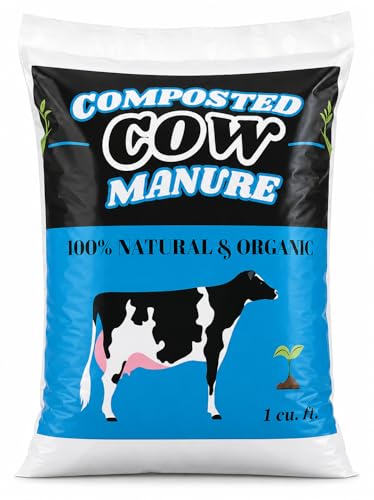
Manure compost offers rich nutrients and suits hungry crops such as tomatoes, squash, and leafy greens. Well composted manure should smell earthy, not sharp, and should be fully broken down. Fresh manure can burn roots and carry weed seeds, so avoid it for direct planting.
Check the source when possible. Manure from animals treated with certain herbicides can harm garden plants, so buy from trusted suppliers and ask about sourcing if you grow food crops.
Plant Based and Mushroom Compost
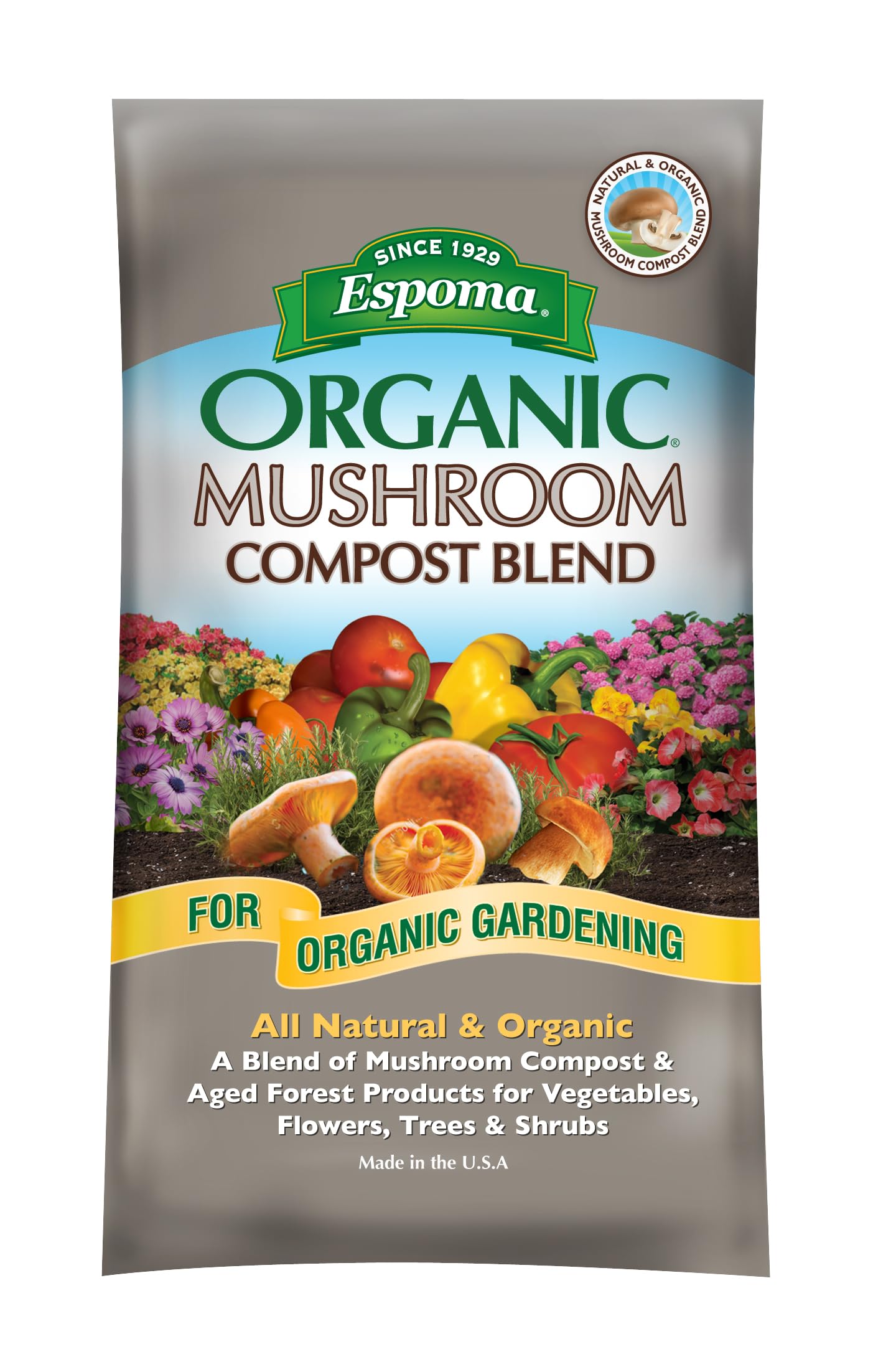
Plant based compost, made from leaves, straw, and green waste, gives steady structure and moderate nutrients. It suits general beds and mixes well with topsoil. Mushroom compost adds calcium and organic matter but can be salty, so use it in moderation and mix well rather than filling a bed with it alone.
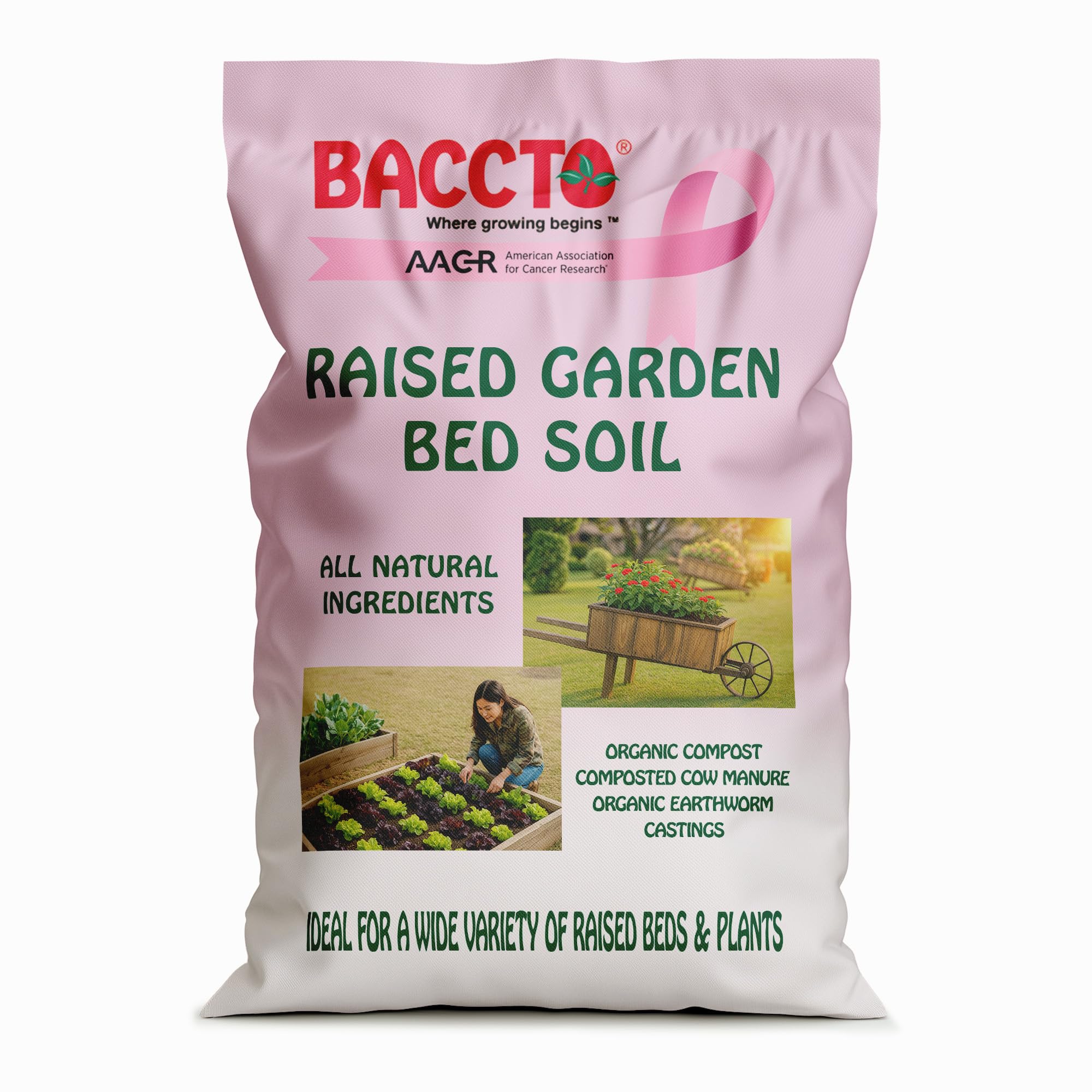
Blended composts combine types for balance. A blend often gives the easiest result for beginners, since it avoids the extremes of any single source. Read the bag label for ingredients rather than trusting the front claim alone.
Texture, Drainage, and How Much to Use
Good compost feels crumbly and moist, not sticky or dusty. Squeeze a handful: it should hold shape briefly then break apart. Sticky compost signals excess moisture or unfinished material, while dusty compost may be too dry and low in organic life.
For a new bed, a mix of roughly one part compost to two parts topsoil gives a good start, with extra compost worked into the top layer each season. Existing beds benefit from a yearly top dressing of a few inches, gently mixed into the surface rather than dug deep.
Estimate volume before ordering. Multiply bed length by width by depth to get cubic volume, then compare with bag sizes. Bulk delivery suits large beds and saves packaging, while bags suit small beds and precise top dressing.
Bagged Versus Bulk Compost
Bagged compost offers consistency, easy transport, and clear labels. It costs more per volume but suits small gardens and renters. Bulk compost costs less for large beds but varies more between loads, so inspect a sample before delivery when possible.
Store bags in a dry spot and use them within the season when you can. Old bags left in rain can compact and lose structure. Bulk piles should sit on a tarp or hard surface to keep soil and weeds out of the mix.
For vegetable focused beds, see best compost for raised vegetable beds and best compost for raised garden beds. Mix focused shoppers may compare best compost mix for raised beds, and bagged buyers should look at best bagged compost for raised beds.
Mixing Compost With Topsoil
Mix compost and topsoil thoroughly rather than layering them in thick bands, since layers can create drainage barriers that trap water. A fork or shovel mix through the top depth gives roots an even medium to explore from the start.
Water the mix after filling and let it settle for a day before planting. Settling reveals low spots that need topping up, so beds start level rather than sinking unevenly after seedlings emerge. Level beds water more evenly all season.
For heavy clay topsoil, add extra coarse compost and a little grit to improve drainage. For sandy topsoil, add more fine compost to hold moisture. Adjusting the mix to your base soil beats using a fixed recipe blindly.
Feeding Beds Through the Season
Side dress growing plants with compost when growth slows or leaves pale, rather than feeding on a rigid calendar. Plants signal need through color and vigor, and responsive feeding avoids both hunger and overfeeding waste.
Mulch over compost top dressings to keep moisture in and weeds down. Straw, shredded leaves, or bark mulch all work, provided mulch stays clear of plant stems to prevent rot. Mulch also protects soil life from sun and drying winds.
At season end, add a generous compost layer and let worms and weather work it in over winter. This autumn feeding rebuilds organic matter lost during summer growth and prepares beds for spring without spring rush digging.
Avoiding Common Compost Problems
Smelly compost usually signals excess moisture or unfinished material. Spread it to dry, mix with dry leaves or straw, and allow more air before using it in beds. Patience fixes most odor problems without wasting the batch.
Weed seedlings in compost top dressings should be pulled early before they seed. Mulching and prompt weeding keep beds clean, while ignoring early weeds turns a small job into a large one within weeks.
Salt damage shows as leaf edge browning, especially in dry weather. If salt is suspected, water deeply to leach salts and dilute future compost with topsoil. Choose lower salt compost types for sensitive seedlings and salt prone beds.
Frequently Asked Questions
How much compost does a new raised bed need?
A new bed usually needs about one third compost mixed with topsoil, plus a top layer for planting. Calculate bed volume first, then buy slightly more than the math suggests, since compost settles after watering. Top up yearly as soil level drops.
Can I fill a raised bed with compost alone?
Pure compost drains and settles unevenly and can lack the mineral structure roots need. A mix with topsoil gives better stability, drainage, and nutrient balance. Use pure compost as a top dressing rather than a full fill.
How do I know compost is fully finished?
Finished compost smells earthy, looks dark and crumbly, and shows no recognizable food or manure pieces. Sharp smells, heat, or visible chunks signal unfinished material that should age longer before planting.
Should I worry about weed seeds in compost?
Well made hot compost kills most weed seeds, but poorly made compost can introduce them. Buy from reputable suppliers, and mulch beds after planting to suppress any seeds that do sprout. Hand pull early weeds before they set seed.
How often should I add compost to raised beds?
Add a top dressing each growing season, and more often for hungry crops. Raised beds lose organic matter faster than ground soil, so yearly feeding keeps structure and fertility steady rather than letting beds decline.
Final Thoughts
Choose compost by texture, source, and plant needs, not by bag claims alone. A crumbly, earthy smelling blend mixed well with topsoil gives raised beds a strong start and steady feeding all season. The product table above summarizes the main types.
Measure your beds, mix thoughtfully, and top dress yearly. The best compost for raised beds for your garden is the one that keeps soil loose, moist, and alive through the whole growing season.


