
Best Boards for Raised Garden Beds by Budget: Smart Picks for 2026
Disclosure: We may earn a commission when you buy through links on this page, at no extra cost to you. As an Amazon Associate I earn from qualifying purchases. Learn more

Learn how to choose the best boards for raised garden beds on any budget, what each price tier includes, and which upgrades are worth paying for.
Prices for raised bed boards swing wildly, from a few dollars for a plain pine plank to premium composite kits that cost more than the soil, plants, and tools combined. That spread leaves most gardeners asking the same question: where does extra money actually buy a better bed? Finding the best boards for raised garden beds is less about the highest price and more about knowing what each tier gives you.
This guide breaks the market into three budget levels, explains what your money gets at each one, and flags the upgrades worth paying for and the ones you can safely skip. Start with the comparison table below, then use the tier advice to match a material to your climate and your plans.

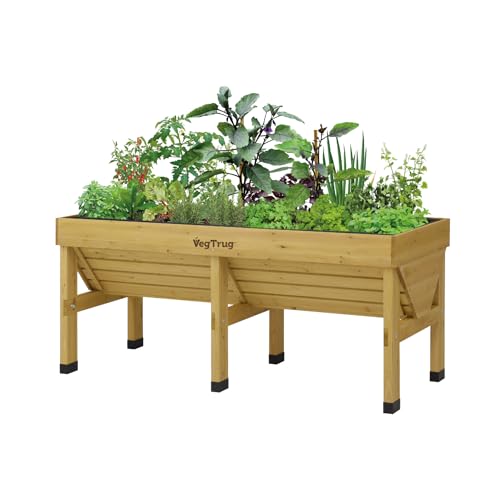

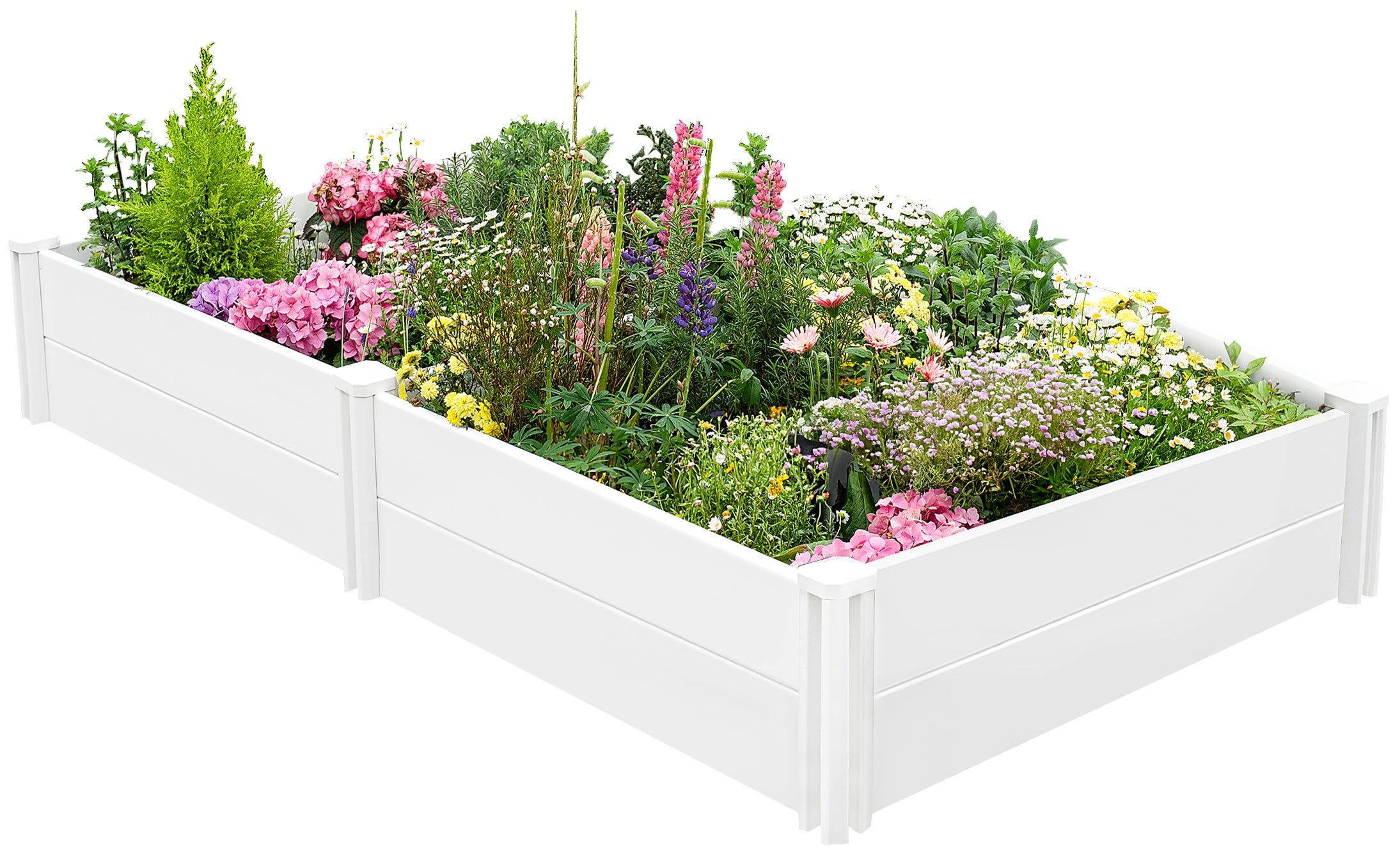

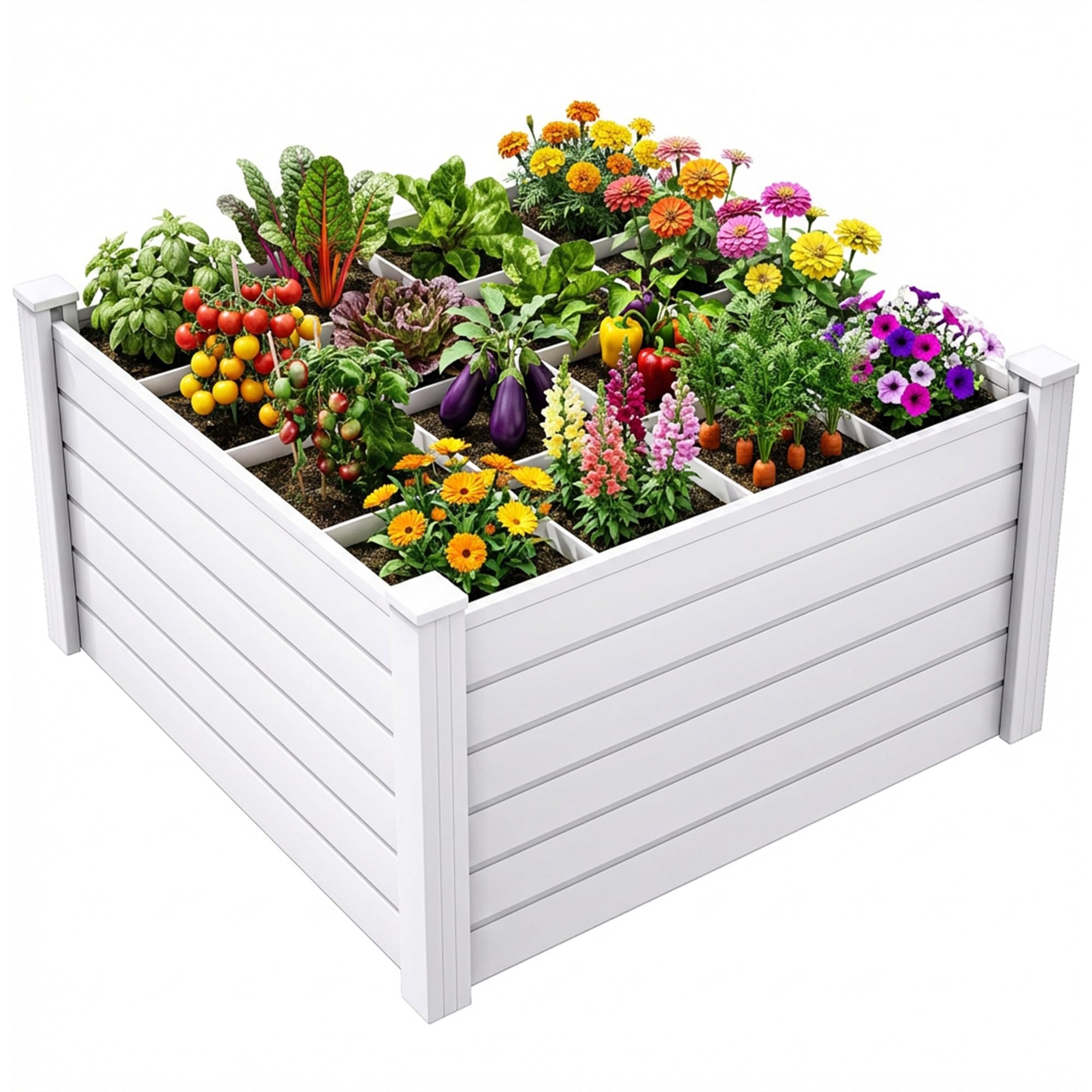
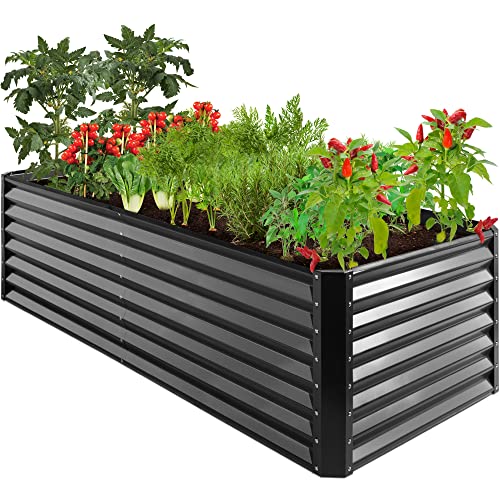
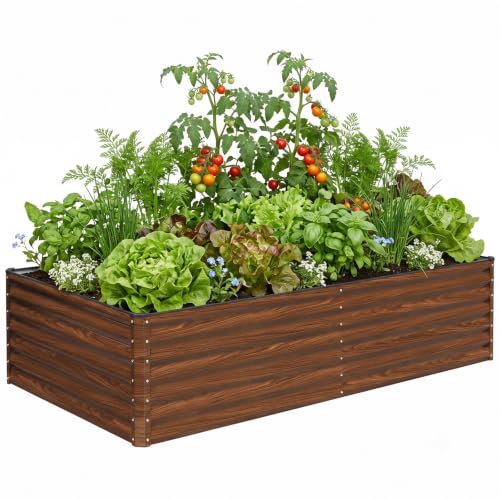
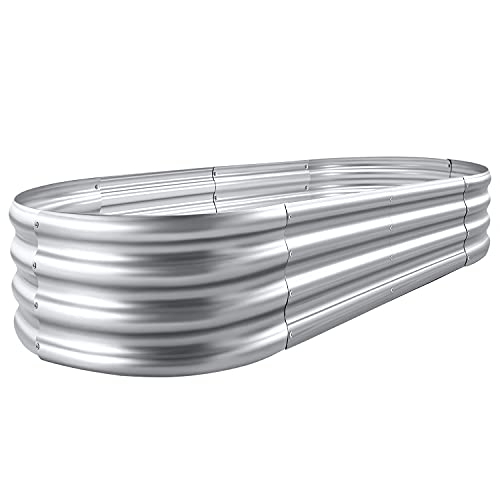
Three Budget Levels Compared
Think of the levels below as shopping strategies rather than specific products. Each one describes the kind of board to look for, who it suits, and the honest trade off you accept at that price.
Budget Level: Plain Lumber, Short and Simple
At the budget level you are looking at untreated pine or fir boards, often sold as standard dimensional lumber for about $8 to $15 per 8 foot board. The strengths are price and availability: every lumber yard stocks them, cuts are free or cheap, and a full 4 by 8 foot bed frame can come together for about $40 to $90. This level suits renters, trial beds, and anyone testing whether raised bed gardening fits their yard at all. The limitation is lifespan, since plain soft lumber in constant soil contact often softens within about 3 to 5 years. Treat it as a low risk way to start, and let the first bed teach you the size and layout you truly want.
Midrange Level: Cedar and Sturdy Kits
The midrange centers on cedar boards and well made lumber kits, with boards around $20 to $40 each and complete bed frames often about $100 to $250 depending on height. Cedar brings natural rot resistance, light weight, and a clean look that suits front yard beds, while kits add precut boards and corner hardware that save an afternoon of measuring. The trade off is that cedar still ages, silvering in color and slowly thinning at the soil line over about 7 to 10 years. For most home gardeners who plan to stay put, this level delivers the best balance of cost, looks, and service life.
Premium Level: Composite and Metal Edged Systems
Premium boards are usually composite planks made from wood fiber and recycled plastic, or lumber paired with heavy metal corner systems, with bed frames often running about $250 to $500 or more. What you buy is time: composite shrugs off moisture, does not rot, and can serve well past 10 years with almost no upkeep. Premium kits also tend to offer taller profiles and cleaner joinery for deep, permanent beds. The limitation is flexibility and feel, since composite can flex on long spans without internal braces and lacks the natural look some gardeners want. Choose this level when the bed is a long term fixture and your time matters more than the price gap.
What Your Money Gets You at Each Price Tier
Budget Tier: What to Expect
Budget boards give you a functional frame and nothing extra. Expect standard thicknesses, some variation in straightness from board to board, and no hardware included, so add screws and corner stakes to the list. You will likely finish or replace parts sooner, and that is acceptable when the bed itself is an experiment. Spend your limited dollars on adequate thickness first, because a straight, sturdy cheap board outperforms a thin board at any price. Gardeners on this tier often read our guide to the best boards for raised beds for the beginner basics before they buy.
Midrange Tier: The Sweet Spot for Most Buyers
Midrange money buys durability where it counts. Cedar or quality kit lumber resists rot for years, boards arrive straighter and more uniform, and corner brackets or stacking systems make assembly square and fast. You also gain taller options, so a two course bed that saves your back becomes realistic. This tier rarely includes soil or liners, so budget for fill separately. For a household planning several seasons of vegetables in the same spot, the midrange usually shows the lowest cost per year of use, which is why so many experienced gardeners land here.
Premium Tier: When Spending More Pays Off
Premium tiers pay off when replacement is the real enemy. If a bed sits in a wet climate, against a fence you cannot easily reach, or in a community garden where rebuilding is a hassle, a composite frame that lasts a decade or more earns its price. You also get consistent dimensions, color that stays put, and systems designed to stack or connect for larger layouts. The payoff shrinks if you may move soon or redesign the garden, because a permanent frame in the wrong place becomes an obstacle. Match the premium spend to a settled plan, not a tentative one.
Features Worth Paying For (and Ones to Skip)
Intended Use and Who It Is For
Your crops and your timeline should set the tier before any feature does. A single season herb bed near the kitchen door needs little more than budget lumber, while a deep bed for root vegetables that you expect to use for a decade justifies cedar or composite. Gardeners with limited mobility benefit most from taller beds, and height multiplies board cost, so that need alone can move you up a tier. Be honest about how long you will garden in this spot, and buy for that horizon.
Safety and Certifications
Safety is one upgrade that is usually free. Untreated boards of any tier are a sound choice for food beds, and composite products often carry recycled content claims worth checking on the label. If you consider treated lumber for its lifespan, pick modern residential rated stock and add a fabric liner between wood and soil as a simple barrier. Skip mystery reclaimed wood for vegetable beds, whatever the savings, because unknown finishes are not worth the doubt. When you fill the bed, our guide to the best dirt for raised garden beds helps you match soil choices to the same safety thinking.
Build Quality and Materials
Pay for material quality before appearance. In lumber, that means boards with tight grain, few loose knots, and no twist you can see when you sight down the edge. In composite, it means dense planks with a solid feel and a warranty that covers fading and cracking, ideally 10 years or more. Our guide to the best wood for raised garden beds compares species in depth if you lean toward natural lumber. A useful rule at any tier: the inside face works hardest, so judge a board by how its material handles constant damp contact, not by its showroom finish.
Features That Matter for Raised Garden Beds
Raised beds demand three things ordinary lumber use does not: constant moisture resistance, strength against outward soil pressure, and safe contact with food crops. Boards around 2 inches thick, or composite planks with internal bracing on spans over 4 feet, handle the pressure without bowing. Heights of 8 to 12 inches cover most vegetables, while 18 to 24 inches suit deep rooted crops and seated gardening. Drainage is handled by the open bottom, so no board feature replaces a level, well prepared base. Prioritize those specs over decorative caps and finishes.
Ease of Use and Setup
Kits earn their premium when your time or tools are limited. Precut boards with corner joints can go from box to filled bed in a weekend morning, while raw lumber rewards gardeners who already own a saw and a drill. Weight matters during setup, since a long composite or cedar board is a one person carry, but a waterlogged replacement years later is not. If you plan several beds, a repeatable system you can extend next season is worth more than a small saving today. Stackable designs also let you start shallow and add height as your budget recovers.
Long Term Costs to Factor In
The frame is only the first line of the budget. Soil fill for a 4 by 8 foot bed at 12 inches deep runs about 32 cubic feet, and compost top ups are needed each season as the fill settles and breaks down. Add corner hardware, liners, and a hose long enough to reach, plus replacement boards on the schedule your material sets: a few years for plain lumber, a decade or more for composite. Sealants and oils are optional for cedar and mostly cosmetic, so treat them as appearance spending, not protection. A warranty of 10 years or longer on premium boards has real value here, because one avoided rebuild can erase the price difference between tiers.
Boards: Your Questions Answered
What features matter most in boards for raised garden beds?
Rot resistance, thickness, and height matter most. The board lives against damp soil, so durable material decides lifespan more than any finish. Stock around 2 inches thick resists bowing under wet soil, and a height of 8 to 12 inches suits most crops. After those three, look at straightness and warranty. Decorative details add cost without adding seasons, so rank them last when you compare two boards at different prices.
How do I maintain a board?
Maintenance is light. Brush soil and mulch away from the outside face each spring so the wood can dry, check corner screws and tighten any that have worked loose, and keep string trimmer line off the boards, since repeated nicks invite moisture in. Cedar needs no finish to perform, though an oil can refresh its color. Composite boards mainly need a wash with water and a soft brush. Inspect the soil line each fall, because that hidden band is where wear always starts.
How long does a board last?
Lifespan follows material more than price alone. Plain pine or fir commonly lasts about 3 to 5 years in soil contact, cedar about 7 to 10 years, and composite often beyond 10 years. Wet climates and shady, slow drying spots shorten every estimate, while a gravel base and good drainage lengthen them. When one board softens, replace just that side promptly. Letting a weak board sag strains the corners and can turn a small repair into a rebuild.
Are expensive boards worth it?
They are worth it when the bed is permanent and rebuilding would be disruptive. A composite frame that serves 12 years in a wet yard can cost less per year than two cedar frames, and far less than three pine ones. They are not worth it for trial layouts, rental homes, or beds you may move. Do the simple math: divide the frame price by the years you realistically expect, and compare that yearly figure across tiers before you decide.
How much should I spend on a board?
Spend in line with your horizon. For a first or temporary bed, a frame budget of about $40 to $90 in plain lumber is sensible. For a settled home garden, about $100 to $250 for cedar or a solid kit fits most yards. Reserve about $250 to $500 for composite when the location is final. Whatever tier you choose, keep enough budget for quality soil, because great boards around poor fill still grow poor vegetables. Our guide to the best plants for raised garden beds can help you plan crops that repay the investment.
Our Verdict
Match the tier to your timeline: budget lumber for experiments, cedar for the settled home garden, composite for permanent beds in damp spots. Judge every option by rot resistance, thickness, and cost per year rather than shelf price alone, and keep the product table above handy while you compare. That approach leads you to the best boards for raised garden beds your budget can honestly support.


