
Best Compost for Window Boxes: Types Compared and How to Choose for 2026
Disclosure: We may earn a commission when you buy through links on this page, at no extra cost to you. As an Amazon Associate I earn from qualifying purchases. Learn more

Confused by all the options? We compare every type of compost side by side so you can choose the best compost for window boxes for your space and budget.
A window box is the most demanding small garden you own. It is shallow, narrow, exposed to wind on several sides, and often baked by sun reflecting off the wall behind it. A mix that works in a deep patio pot can fail here within weeks. Finding the best compost for window boxes starts with understanding how the main compost types behave in that thin strip of soil.
This guide compares each type by weight, moisture behavior, feeding strength, and price, then shows you how to match a type to your box size, your plants, and your watering habits. Check the comparison table below first, then read the type notes that fit your situation.


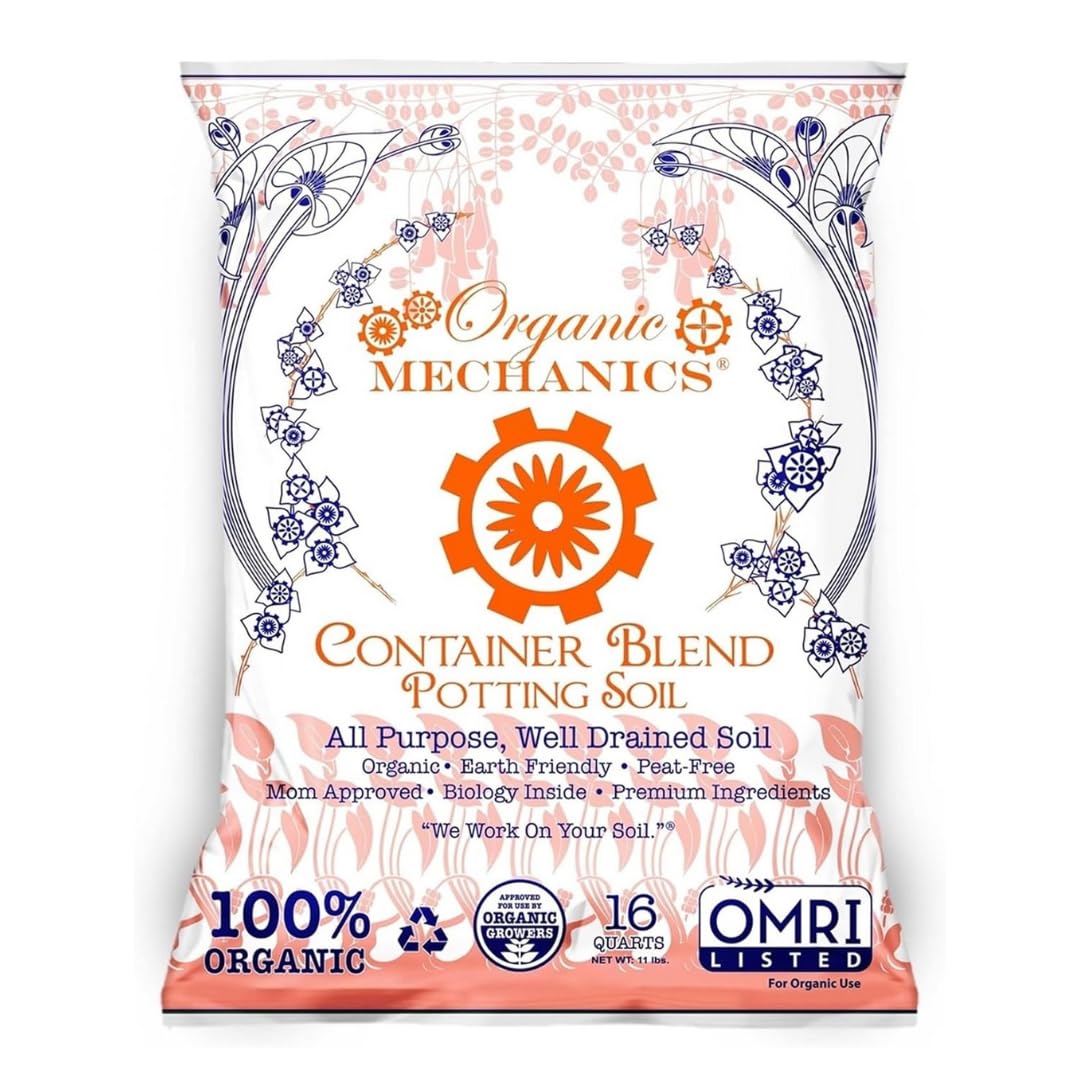
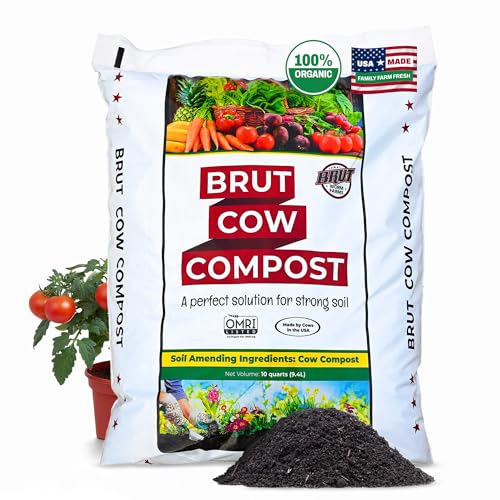
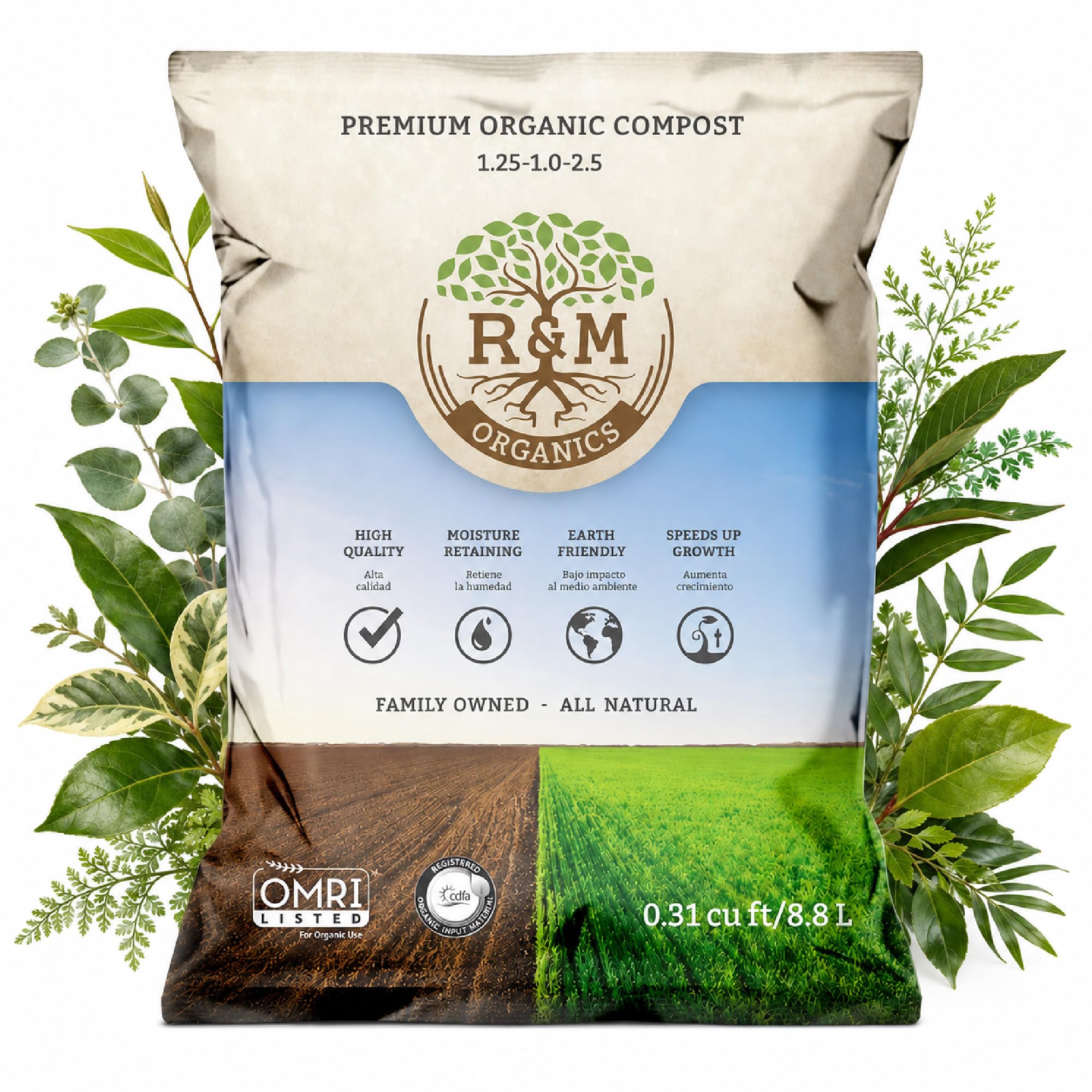
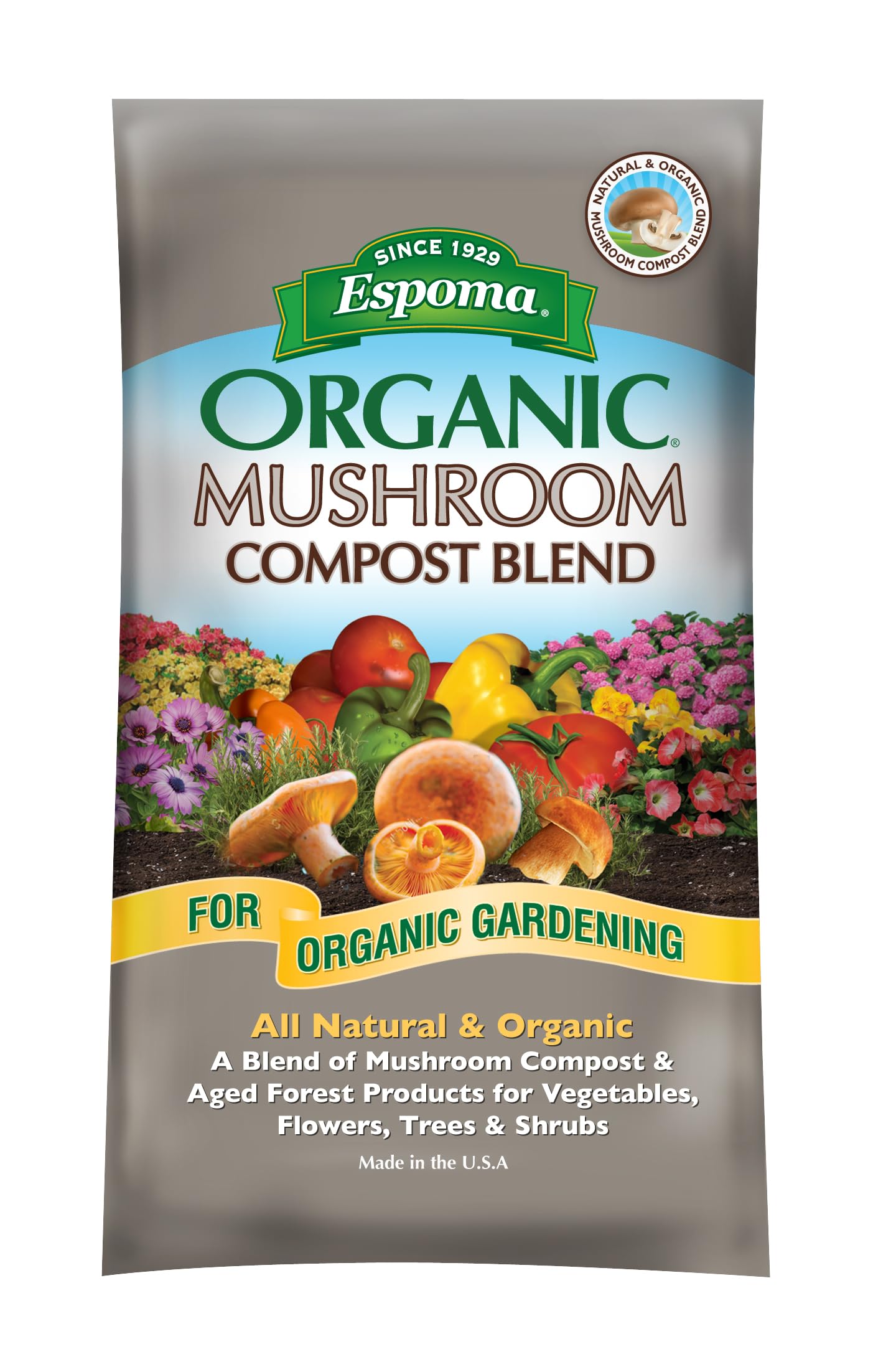
Types of Compost Compared
Four broad types cover nearly every bag you will see. They differ mainly in ingredients, and ingredients decide everything that follows: how heavy the box gets, how often you water, and how soon you need to feed. Read each type with your own window in mind, especially its sun exposure and how easily you can reach it with a watering can.
Premium and Heavy Duty Options
Premium blends pack in rich, mature compost, often with worm castings, biochar, or added slow release organic feed. They feed longer, sometimes eight to twelve weeks before plants need supplementing, and their dense biology helps shallow soil hold together around roots. The trade off is weight and price: a filled 36 inch box with a rich blend can be surprisingly heavy, so check your brackets first. Expect to pay around $20 to $30 per cubic foot. Choose this type for prized flower displays and for boxes that are awkward to reach, where fewer feedings and waterings save real effort across the season.
Lightweight and Expandable Options
Lightweight blends build on coconut coir, fine bark, and perlite, and some arrive as compressed blocks that expand several times their size when soaked. A filled box can weigh a third less than one filled with a dense blend, which protects older brackets and makes seasonal removal easy. The weakness is feeding power: coir itself carries few nutrients, so these blends rely on added fertilizer that washes out of shallow soil quickly. Plan to feed every two to three weeks. Prices run around $14 to $24 per cubic foot once expanded. This type suits renters, high windows, and anyone who swaps displays often.
Organic and Eco Friendly Options
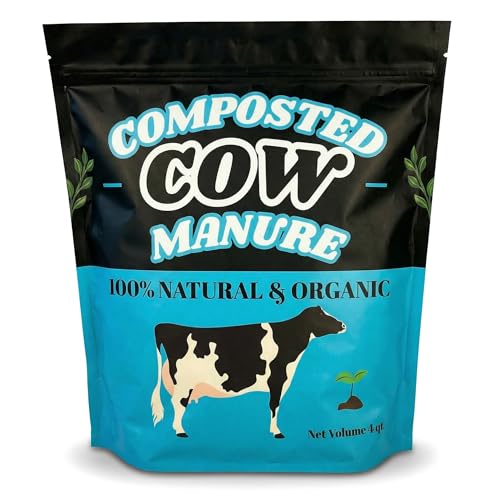
Organic blends use certified inputs, often peat free, and lean on composted manures, leaf mold, and green waste processed to set standards. They suit herbs and edible trailing plants grown outside a kitchen window, where you want confidence about what touches your food. Nutrient release is gentle and steady, and the material improves each time you refresh the box. Costs sit around $16 to $28 per cubic foot. The main caution is variability: small batch organic products can differ between bags, so buy enough from one purchase to fill all your boxes consistently.
Standard Options
Standard all purpose compost blends composted green waste and bark into a middle of the road product at around $10 to $18 per cubic foot. For annual flowers in a box you refill each spring, this is often all you need, especially blended with fresh potting mix. The limits show up in texture, which can run coarse for a shallow box, and in feeding life, which may fade after about six weeks. Screen it through your fingers as you fill and break up large pieces. If you are also choosing the boxes themselves, our guide to the best window box planters covers sizes and materials that pair well with each compost type.
Premium and Heavy Duty Options vs Lightweight and Expandable Options: Which Should You Choose?
Decide on five points. Weight: lightweight wins, and it is not close, which matters on old timber or long boxes. Feeding life: premium wins, holding nutrients weeks longer in shallow soil. Watering: coir based lightweight blends rewet easily after drying out, while rich premium blends hold more water but can crust at the surface. Cost: premium costs more per bag yet may save a bottle of feed across the season. Plant choice: heavy feeders such as petunias and geraniums favor premium blends, while herbs and trailing foliage do fine in lightweight ones. If you grow trailing plants, our guide to the best vines for window boxes shows which varieties stay in scale with shallow soil volumes.
How to Choose the Right Compost
Match the Product to Your Garden Size and Layout
Measure each box in inches, then estimate volume: length times width times depth, divided by 1,728, gives cubic feet. A typical 36 by 8 by 8 inch box holds about 1.3 cubic feet of fill, and compost blended at a third of the mix means roughly half a cubic foot per box. Count every box before buying, including any you plan to add, because running short mid planting usually means a second, mismatched bag. Layout matters as well: boxes above head height argue for lighter blends, while ground floor boxes can carry richer, heavier ones.
Performance Specs: Coverage, Drainage, and NPK
Three numbers tell you most of what a label can. Coverage tells you how far a bag goes, so compare cost per cubic foot across types. Drainage behavior shows in the ingredient list: bark and perlite open the mix, while fine compost and coir hold water. NPK values on compost are modest, often near 1 1 1, because compost feeds by slow release rather than by concentration. Treat a very high NPK claim on a compost bag with suspicion, since it usually means added synthetic fertilizer does the work. For shallow boxes, steady low numbers beat a strong early surge that leaches away.
Safety for Edibles, Kids, and Pets
Window boxes often hold herbs within reach of the kitchen, so safety deserves a direct check. Choose products labeled for organic gardening, such as OMRI listed blends, when food plants are involved, and confirm the compost was processed at temperatures that reduce pathogens and weed seeds. Wash hands after filling boxes and rinse harvested herbs as normal. Keep stored bags sealed away from pets, because rich compost smells like food to a dog. If your box grows only flowers, these checks matter less, but transparent ingredient labeling remains a good quality signal for any type.
Features That Matter for Window Boxes
Shallow soil changes the rules in three ways. First, moisture swings are extreme, so the blend needs water holding ingredients such as coir or leaf mold, not just drainage material. Second, roots fill the whole volume fast, so fine texture matters more than in deep pots; coarse chunks waste precious space. Third, the box sits against your home, so a clean, low odor, mature compost protects your open windows on warm evenings. Timing ties in too: our guide to the best time to plant window boxes explains how planting date affects how long a fresh blend must perform.
Tips to Get the Most From Your Compost
- Water early in the morning. Shallow boxes dry fastest at midday, so morning watering lets the blend absorb moisture before heat and wind strip it away.
- Refresh the top layer each season. Replacing the top third with fresh compost restores nutrients without disturbing established roots lower down.
- Set boxes level before filling. A tilted box drains to one end, leaving one dry plant and one drowned plant in the same display.
- Feed little and often. Small weekly doses suit shallow soil better than one heavy monthly dose that mostly washes out of the drainage holes.
Composts: Your Questions Answered
What features matter most in compost for window boxes?
Fine texture, moisture holding, and maturity matter most. A shallow box has no spare volume, so every handful must hold water, feed gently, and leave room for roots. Look for screened material with coir, leaf mold, or fine bark high on the ingredient list. Avoid coarse, unfinished compost with visible wood chunks, because it dries unevenly and can draw nitrogen away from your plants as it continues to break down.
What is the difference between garden soil and potting mix?
Garden soil is dense mineral soil made for ground beds, and in a window box it compacts into a heavy slab that roots struggle to penetrate. Potting mix is a soilless blend built to stay light and drain freely in containers. Compost sits between them as an amendment: you blend it into potting mix, usually at about one part compost to two or three parts mix, to add nutrients and water holding capacity that plain potting mix lacks.
How much compost do I need for my window boxes?
Work from box volume. A 36 inch box holds roughly 1.3 cubic feet of fill, so at a one third blend you need about 0.4 cubic feet of compost per box. Four boxes therefore take a little under 2 cubic feet, and one large bag usually covers the job with some left for a mid season top up. If you sow directly, our guide to the best seeds for window boxes helps you match shallow rooted varieties to the volume you have.
Is organic compost worth it for window boxes?
It is worth it when the box grows herbs or other edibles, because certified inputs give you a clear record of what went into the material. For flower only boxes, the practical gap narrows: a mature standard blend, refreshed on schedule, performs nearly as well for less money. Either way, spend first on maturity and texture. An unfinished organic bag will disappoint you faster than a well finished conventional one, whatever the labels promise.
How long does compost last in a window box?
Expect one full growing season of strong performance. Nutrients fade after roughly six to twelve weeks depending on type and watering, while the structure itself lasts longer. Most gardeners replace half to all of the fill each spring and work the old material into ground beds, where it still adds value. The box material affects this cycle too, since heat and drainage differ by construction, a point covered in our guide to the best material for window boxes.
Final Thoughts
Match the type to your constraints first: weight limits point to lightweight blends, hungry flowers point to premium ones, and edibles point to certified organic options. Then confirm fine texture and honest coverage math before you buy. Compare your shortlist with the product table above, and you will choose the best compost for window boxes for your home with confidence.


