
Best Compost for Raised Garden Beds 2026: What Actually Matters
Disclosure: We may earn a commission when you buy through links on this page, at no extra cost to you. As an Amazon Associate I earn from qualifying purchases. Learn more

Use this checklist for compost for raised garden beds: source, maturity, texture, salt, and mix ratio, plus how to refresh beds each season for steady growth.
A checklist beats guesswork when you buy the best compost for raised garden beds. Instead of comparing brands by slogans, check source, maturity, texture, and mix ratio. The comparison table below gives an overview, and this guide turns those checks into a practical routine.
This guide focuses on whole garden beds rather than a single crop. It covers beds that mix flowers, herbs, and vegetables, where balanced compost matters more than a formula tuned to one plant type.


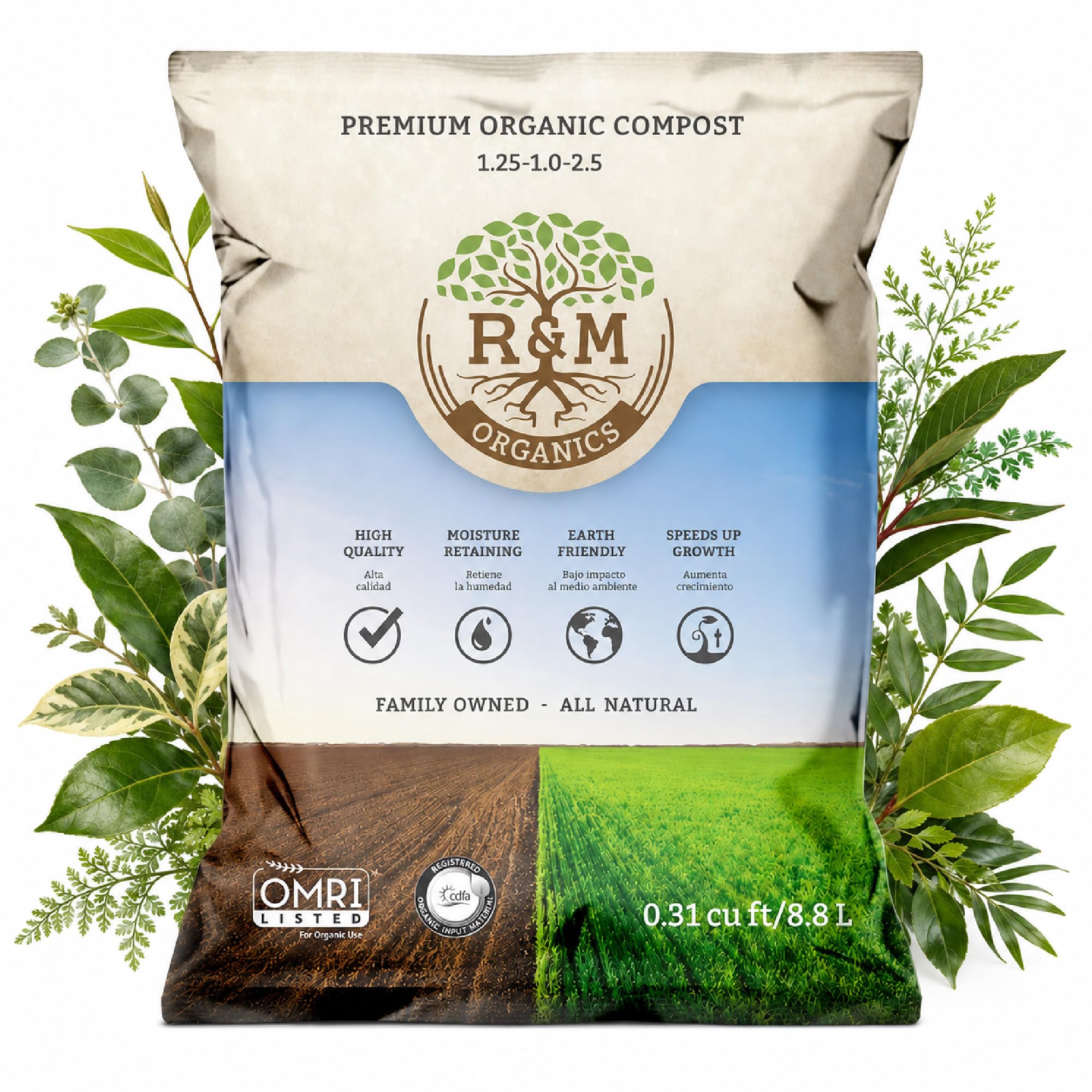
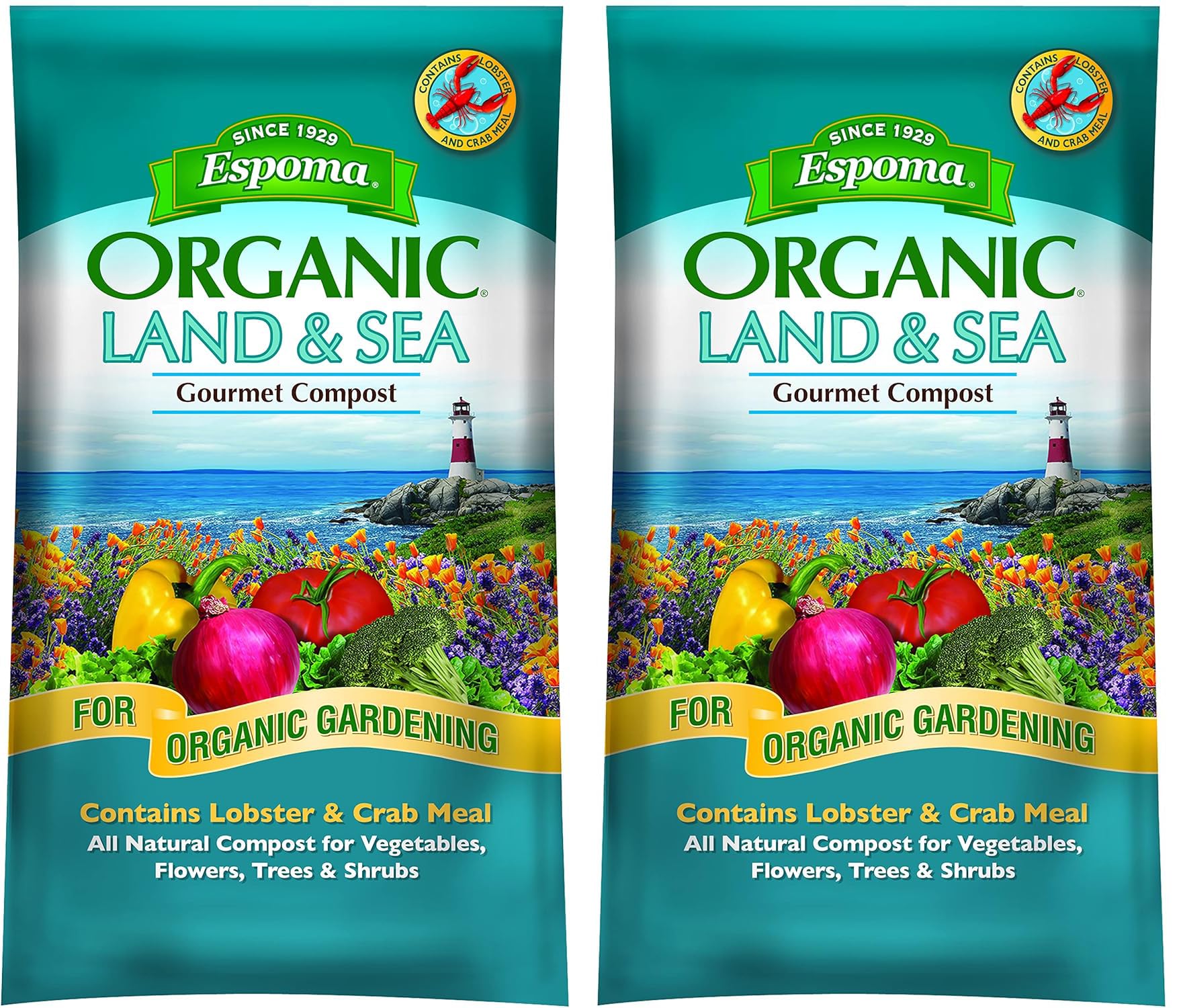
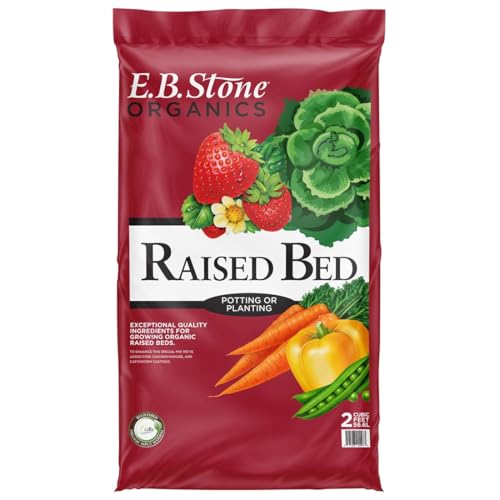
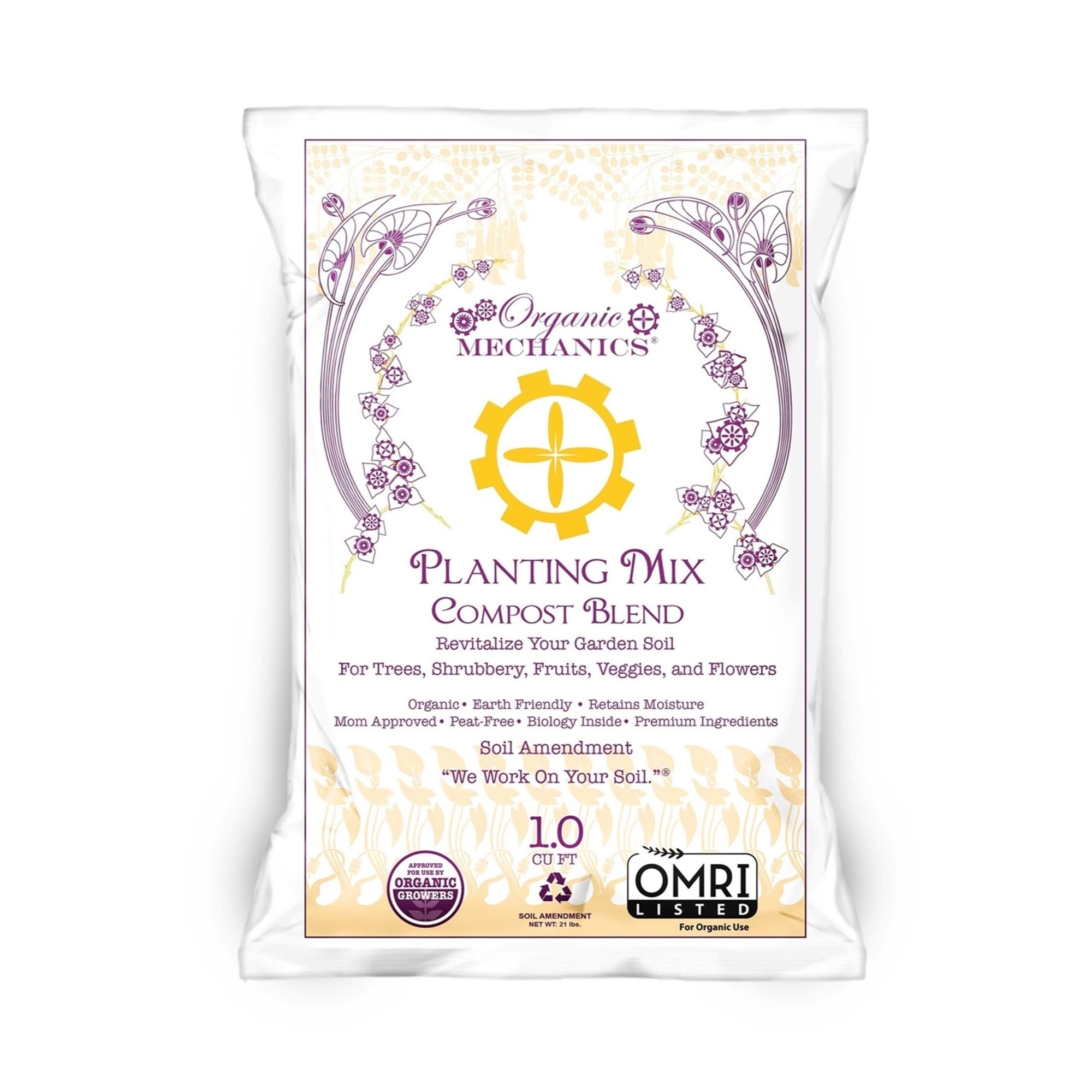

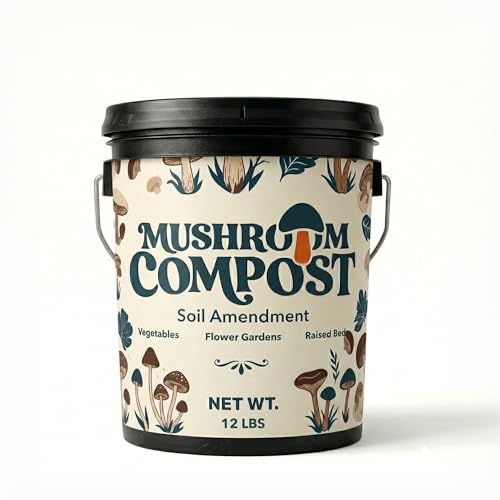
A Practical Buying Checklist
Start with maturity. Finished compost smells earthy and looks uniform, while unfinished compost smells sharp and still shows raw material. Maturity matters because unfinished compost can rob nitrogen from soil as it continues to break down, starving young plants.
Next check source and salt. Manure and mushroom composts can carry higher salt, which stresses seedlings in dry weather. Plant based blends usually run lower in salt and suit mixed beds. When in doubt, mix compost with topsoil rather than planting directly into pure compost.
Features That Matter for Garden Beds
Garden beds need compost that supports many plant types at once. That means moderate nutrients, good drainage, and structure that stays loose through rain and watering cycles.
Texture and Drainage Balance
Good garden compost drains freely yet holds moisture. Test a handful: it should feel damp and crumbly, not soggy or powdery. If water pools on the surface after watering, the mix needs more coarse organic matter or better bed drainage.
Coarse bits such as small bark pieces improve drainage in heavy mixes, while fine compost suits seed starting and top dressing. A blend of fine and coarse material often gives the best all round bed performance.
Nutrient Release and Soil Life
Compost feeds soil life, which in turn feeds plants. Worms, fungi, and microbes break organic matter into plant available nutrients over weeks. Avoid sterilized or overly processed mixes that lack this living component, since they behave more like filler than food.
Do not chase the highest nutrient numbers. Excess nutrients can burn seedlings and pollute runoff. Steady, moderate feeding with yearly top dressing beats a single heavy dose that fades fast.
Match Compost to Garden Size and Layout
Small gardens suit bagged compost with clear labels and easy handling. Large gardens suit bulk delivery, which cuts cost and packaging but needs space for a pile and a wheelbarrow route to beds. Plan delivery access before ordering bulk, since trucks need a clear path.
For beds of different ages, prioritize the newest and most depleted beds. Old beds with rich soil need only a light top dressing, while new beds need a full mix. Spending compost where it helps most stretches the budget without starving any bed.
Seasonal Refresh Routine
Refresh beds at the start of each growing season. Remove old mulch, spread a layer of compost, and gently fork it into the top few inches. Avoid deep digging that disturbs soil life and brings weed seeds to the surface.
Midseason, top dress hungry crops with a thin compost layer and water it in. At season end, add a thicker layer to protect soil over winter and feed soil life while beds rest. This rhythm keeps beds productive without yearly full replacement.
The closest related guide is best compost for raised beds, which covers general bed mixes.
Reading Bag Labels Well
Bag labels vary in honesty, so read ingredient lists rather than front claims. Look for specific sources such as composted bark, leaf mold, or manure, and be wary of vague terms that hide filler materials. Specific labels usually signal better quality control.
Check for certifications or testing statements where available, and note the intended use on the bag. Some mixes suit containers, others suit beds, and using the wrong type can cause drainage or nutrient mismatches that disappoint.
Compare bags by volume and weight together, since wet bags weigh more without containing more compost. A lighter dry bag may offer better value than a heavy wet one, so judge by stated volume and texture rather than weight alone.
Working With Different Bed Ages
New beds need full mixing and generous compost to build structure from scratch. Work compost through the full depth, water well, and allow settling before planting. Rushing new beds leads to uneven growth and constant topping up.
Mature beds need lighter annual top dressings that maintain fertility without over enriching. Test plant response each season and adjust amounts rather than repeating the same heavy dose yearly regardless of need.
Tired beds with compacted, pale soil benefit from a restorative year with cover crops and extra compost. Planting green manures over winter and digging them in spring rebuilds structure faster than compost alone in severely depleted beds.
Compost and Water Management
Compost improves both drainage and water holding, but it cannot fix poor bed construction. Ensure beds drain freely and do not sit in standing water, since soggy compost loses structure and harms roots. Raise beds or improve base drainage when water pools persistently.
Water compost rich beds deeply but less often to encourage deep roots. Frequent shallow watering keeps roots near the surface and increases drought vulnerability. Deep watering trains roots downward into the compost enriched zone.
In dry climates, mulch heavily over compost to slow evaporation and protect soil life. In wet climates, favor coarser compost and good drainage to prevent waterlogging. Climate adaptation beats a universal recipe for bed success.
Frequently Asked Questions
What makes garden bed compost different from general compost?
Garden bed compost balances nutrients and structure for mixed planting rather than tuning to one crop. It should drain well, hold moisture, and feed soil life steadily. General compost can work, but check maturity and salt before using it in beds.
How deep should compost top dressing be?
A layer of about one to two inches, worked lightly into the surface, suits most beds each season. Thicker layers suit depleted beds, while thin layers suit rich beds. Avoid burying stems, which can rot when compost piles against them.
Can compost replace fertilizer entirely?
Compost covers many needs but may not supply enough of every nutrient for hungry crops. Leafy greens and fruiting plants sometimes need extra feeding during peak growth. Use compost as the base and add targeted feeding only when plants show need.
Is homemade compost good for raised garden beds?
Yes, when fully finished and well balanced. Homemade compost varies in nutrients, so mix it with topsoil and observe plant response. Avoid adding diseased plants, treated wood, or pet waste to home piles used for food beds.
Why is my bed soil level dropping each year?
Organic matter breaks down and settles, which lowers bed levels naturally. Yearly top dressing replaces that loss. If levels drop very fast, check for excessive drainage or soil washing out through bed gaps.
Final Thoughts
Use the checklist: maturity, source, salt, texture, and mix ratio. Those five checks predict bed performance better than brand names or bag claims. The product table above gives a quick reference for the main compost types.
Refresh beds each season, watch how plants respond, and adjust the mix over time. The best compost for raised garden beds for your garden is the one that keeps mixed beds loose, fertile, and easy to work year after year.


