Best Bagged Compost for Raised Beds 2026: Rich Soil, Better Harvests
Disclosure: We may earn a commission when you buy through links on this page, at no extra cost to you. As an Amazon Associate I earn from qualifying purchases. Learn more

Learn how to choose bagged compost for raised beds for texture, nutrients, drainage, and value, with mixing ratios and seasonal advice for growers.
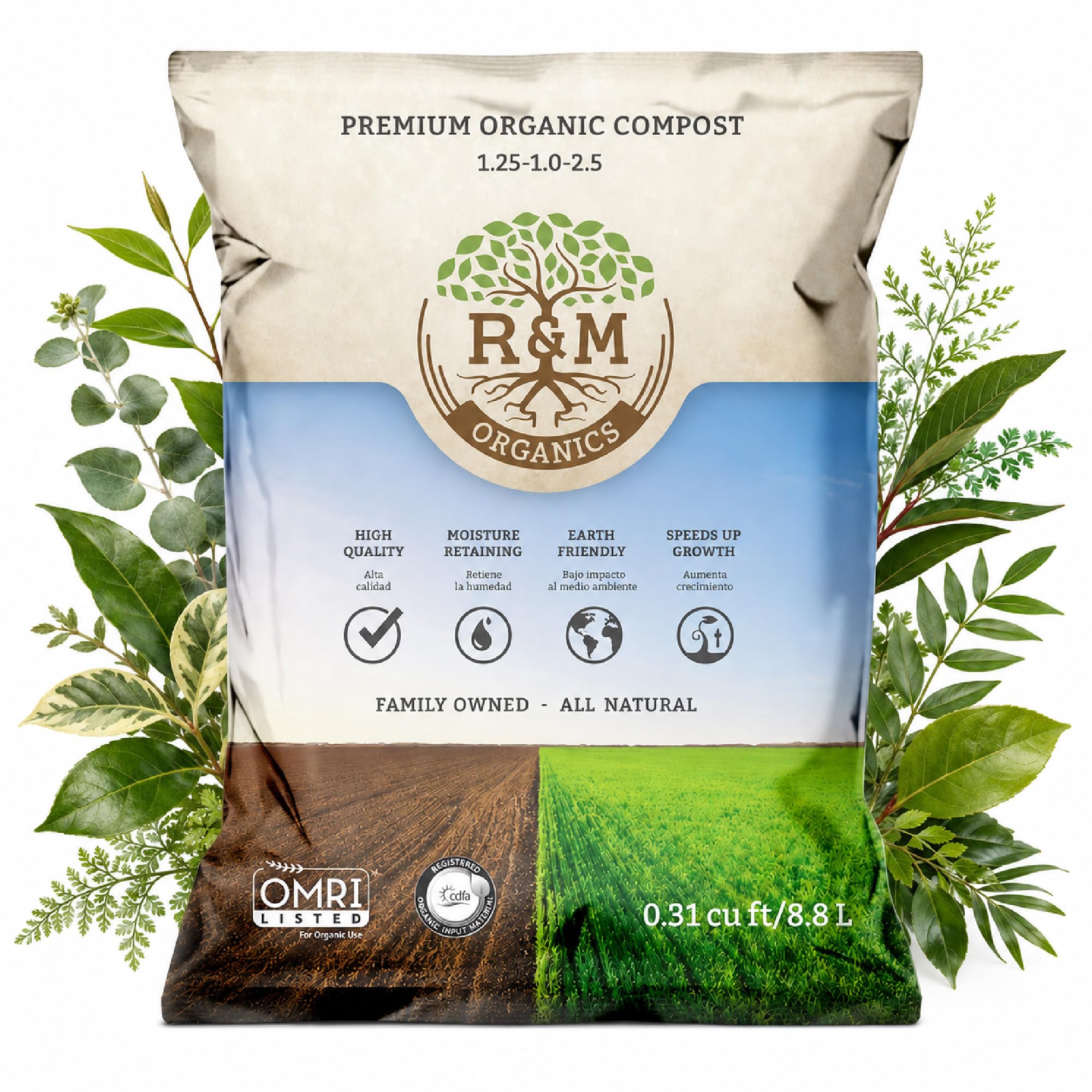
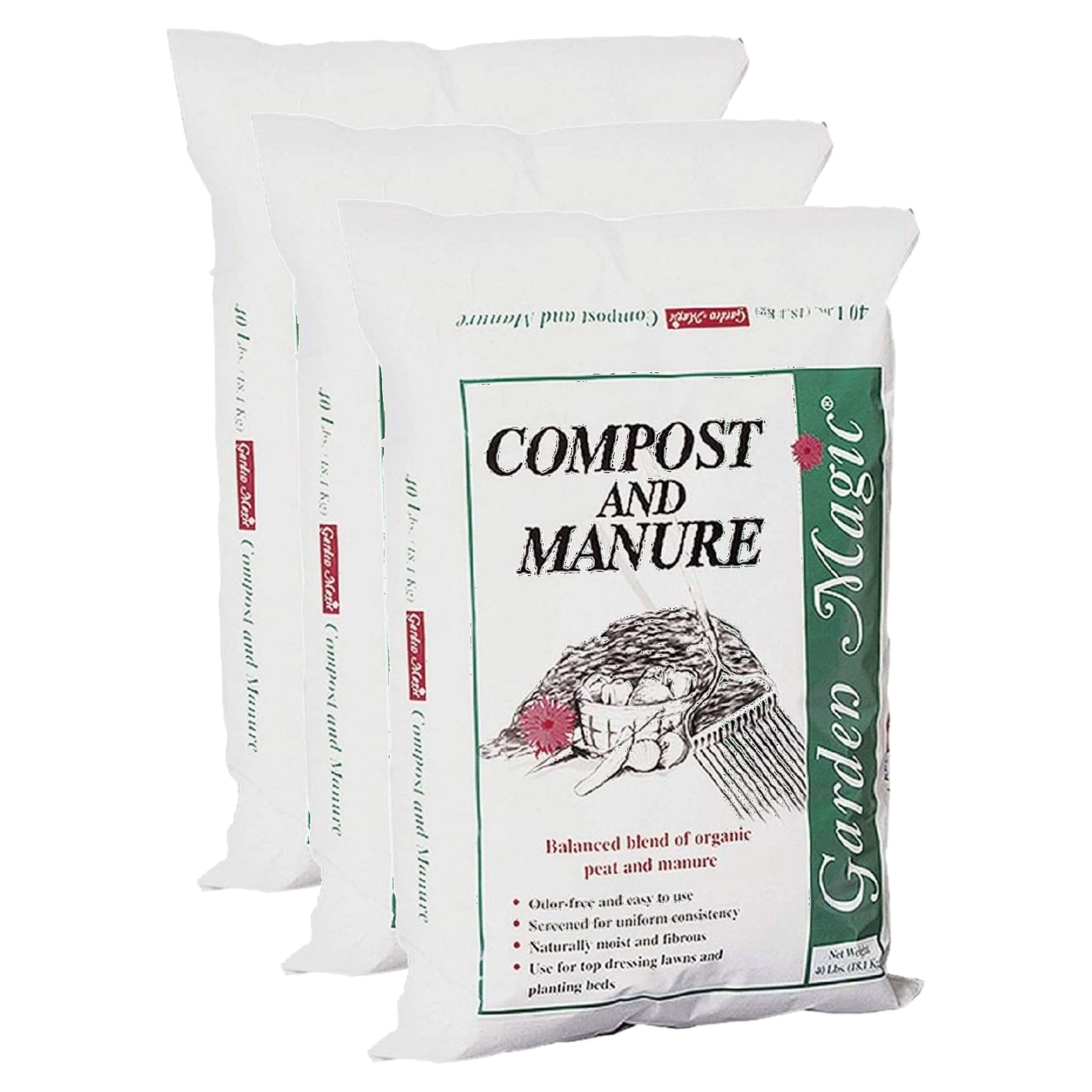
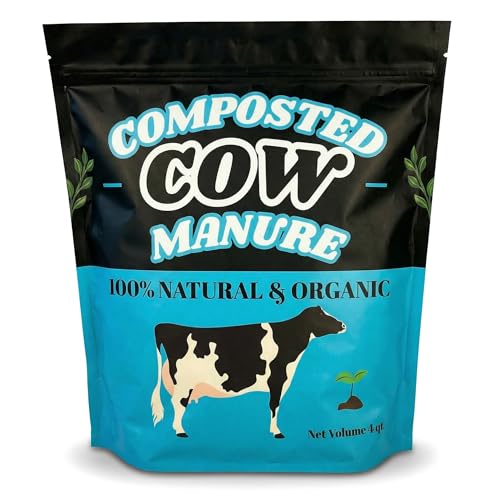
Best bagged compost for raised beds gives gardeners consistent, weed free organic matter that improves soil structure, feeds plants, and holds moisture through dry spells. The comparison table below compares compost types, from multipurpose blends to manure based and peat free options.
Raised beds drain and dry faster than ground soil, so compost choice shapes watering, feeding, and root health all season. This guide explains compost types, texture, nutrients, mixing ratios, and application timing, so your beds stay fertile year after year.

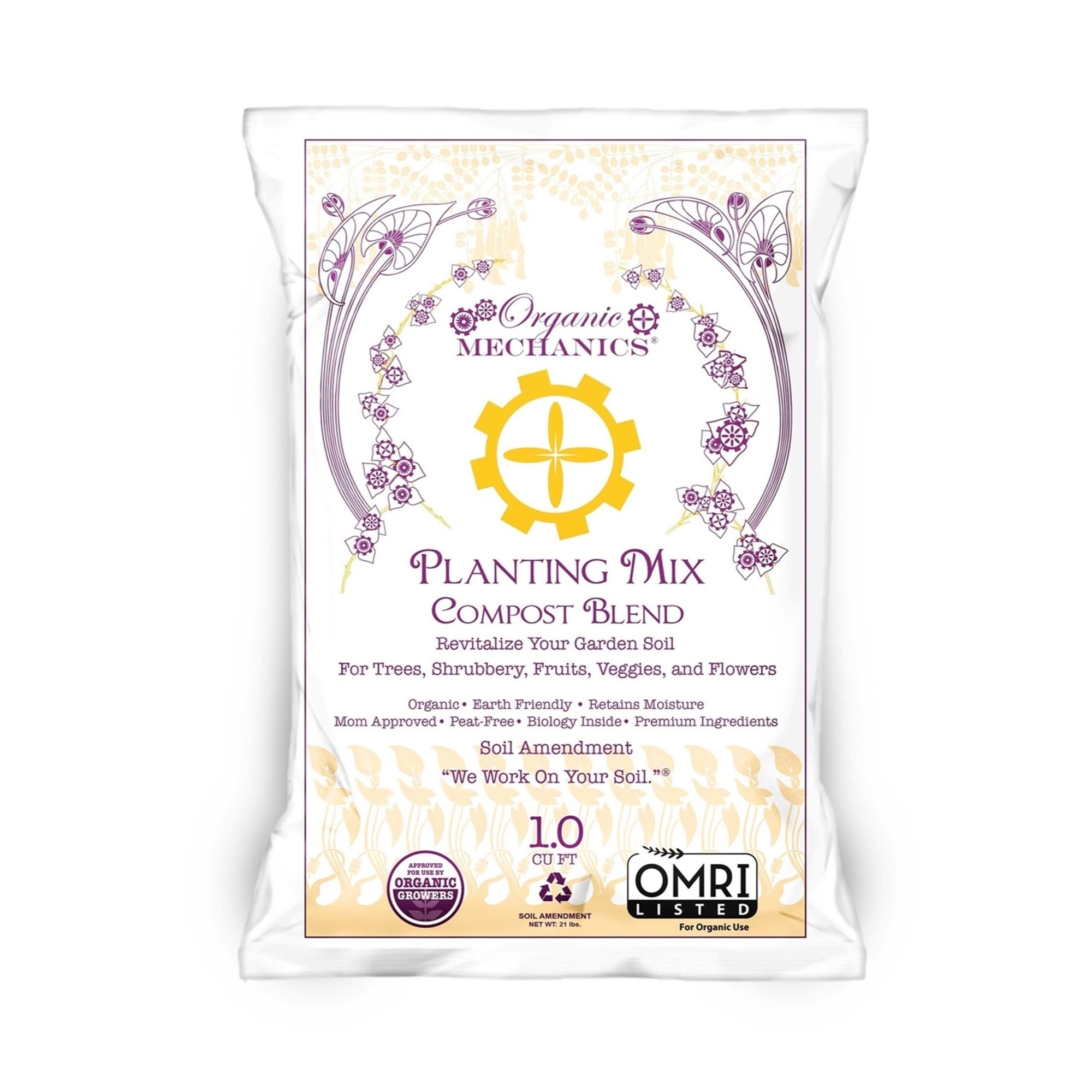
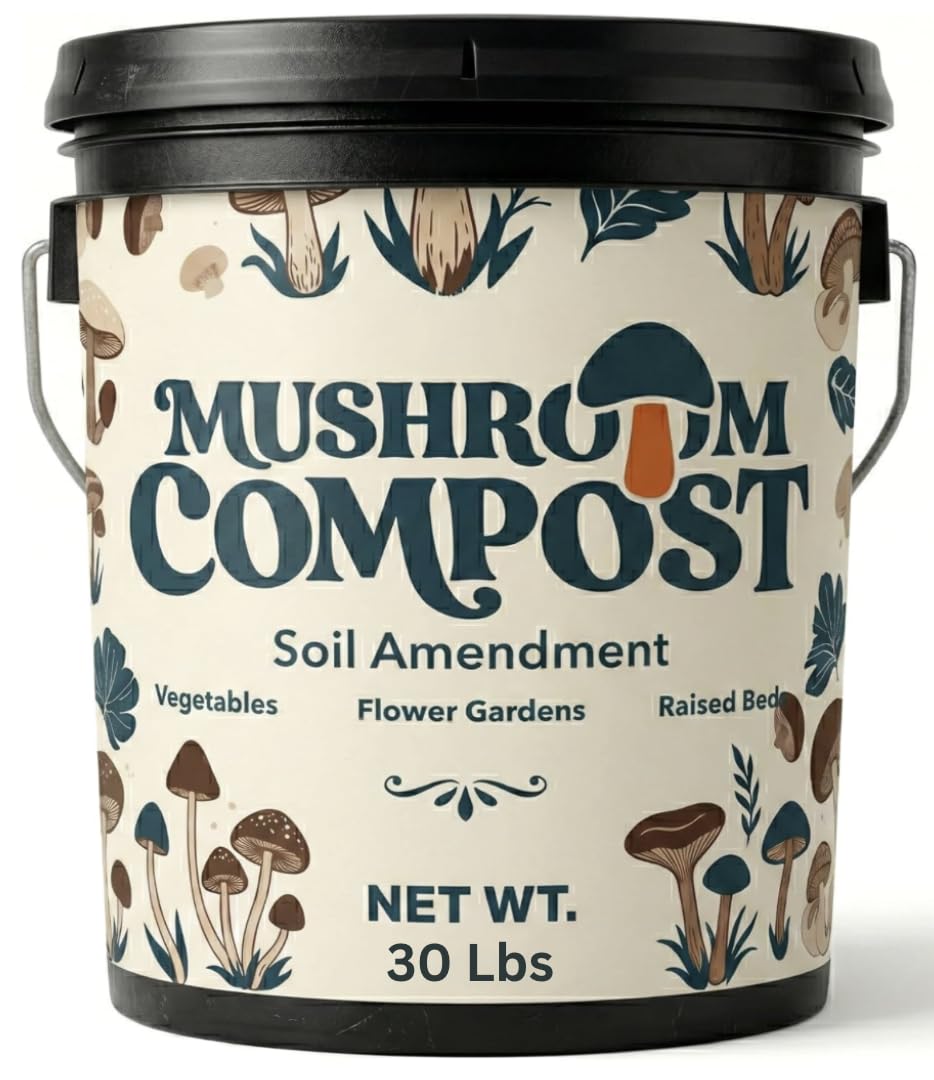
Why Raised Beds Need Compost
Raised bed soil settles, compacts, and loses organic matter each season as plants feed and watering washes nutrients down. Annual compost top dressing replaces that lost matter, restoring structure, microbial life, and water holding capacity.
Compost also buffers pH, improves drainage in heavy mixes, and retains moisture in sandy ones, making beds more forgiving for beginners. A bed topped yearly with good compost needs less synthetic feed and suffers fewer watering extremes.
Compost Types and Ingredients
Multipurpose compost blends green waste, bark, and coir for general planting, offering reliable texture and moderate nutrients. Manure based compost adds richer nitrogen and microbial life, suiting hungry crops like squash and tomatoes but needing care with fresh seedlings.
Peat free compost uses coir, bark, and green waste for sustainable gardening, though texture and water retention vary between brands. Mushroom compost brings chalk and nutrients that suit many vegetables but may raise pH too high for acid loving plants.
Texture, Smell and Quality Checks
Good bagged compost feels dark, crumbly, and moist without being soggy, with a pleasant earthy smell and few large woody chunks. A sour or ammonia smell signals unfinished compost that can harm seedlings, so let such bags air and mature before use.
Check bags for weed seeds, plastic fragments, and excessive wood, which indicate poor screening. Squeeze a handful: it should hold shape briefly then crumble, showing balanced moisture and structure for raised beds.
Comparing Related Options
Broader compost guidance starts with best compost for raised beds for bulk and homemade options, while best compost for raised vegetable beds narrows to edible crops. Garden bed mixes live in best compost for raised garden beds, and best bagged soil for raised beds compares complete soils versus compost alone, with best compost mix for raised beds covering blended recipes.
Compare shortlisted composts on texture, ingredient transparency, nutrient level for your crops, and value per liter. A compost that suits your crops and mixes cleanly into existing bed soil beats a cheaper bag that clumps or smells unfinished.
Mixing Ratios and Application
For new beds, mix roughly one part compost with two parts topsoil and one part drainage material like perlite or grit for balanced structure. For annual top dressing, spread 2 to 3 inches of compost over the bed surface and let worms and watering work it down.
Avoid digging compost deep into established beds, since that disturbs roots and soil life; surface mulching feeds gently and preserves structure. For seedlings, mix compost with seed starting medium rather than planting directly into rich compost alone.
Seasonal Timing and Long Term Bed Care
Autumn top dressing lets compost settle over winter, feeding soil life before spring planting, while spring dressing suits beds that need immediate fertility. Either works, so choose the timing that fits your routine and crop plan.
Rotate crops yearly, since different plants draw different nutrients and break pest cycles. Keep beds mulched through summer to retain moisture, and retest soil every few years to track pH and nutrient trends rather than guessing.
Compost for Specific Crops
Tomatoes and squash thrive in rich manure based compost with steady moisture, rewarding heavy feeding with abundant harvests. Top dress these crops mid season with extra compost to sustain growth through long fruiting periods.
Root crops like carrots and parsnips prefer lighter compost mixes with fewer fresh manure chunks, since rich lumps cause forking and misshapen roots. Sieve compost for root beds and mix with sand for straight clean roots.
Leafy greens need nitrogen rich compost for lush growth, but avoid overfeeding, which produces soft leaves vulnerable to pests. Balanced multipurpose compost with regular liquid feeds suits salads better than a single heavy compost dose.
Making Your Own Compost to Supplement Bags
Homemade compost supplements bagged products beautifully, recycling kitchen scraps and garden waste into free soil food. Balance green materials like vegetable peelings with brown materials like cardboard and dry leaves for fast odor free decomposition.
Turn homemade heaps regularly and keep them moist but not soggy, since air and water drive the microbes that break waste down. A well managed heap produces dark crumbly compost in months, while neglected heaps take far longer.
Combine homemade and bagged compost by mixing them for beds, using bagged products for consistency and homemade for bulk. This blend saves money while maintaining reliable texture and nutrient levels across the garden.
Common Compost Mistakes
Overusing compost causes waterlogging and nutrient excess, especially in containers and small beds where drainage is limited. Stick to recommended top dressing depths and mix compost with soil rather than filling beds with pure compost.
Using unfinished compost harms seedlings through ammonia and heat, so always check smell and texture before planting. Mature compost smells earthy and feels crumbly, while unfinished material smells sharp and contains visible undecomposed chunks.
Ignoring pH causes problems for acid loving plants like blueberries, since alkaline composts raise pH beyond their tolerance. Test soil pH before choosing compost types, and reserve mushroom compost for crops that tolerate chalky conditions.
Compost Tea and Liquid Feeds
Compost tea brewed from bagged compost gives plants a gentle liquid feed that complements solid top dressing. Steep compost in water for a day, strain carefully, and apply to soil rather than leaves for best results.
Liquid feeds act faster than solid compost, helping struggling plants recover quickly during growth spurts. Use compost tea as a supplement, not a replacement, since solid compost builds long term soil structure that liquids cannot.
Apply compost tea in cool morning or evening hours to avoid leaf scorch and evaporation losses. Dilute strongly brewed tea before use, since concentrated feeds can overwhelm young roots.
Raised Bed Soil Recipes
A classic raised bed recipe mixes topsoil, compost, and drainage material in balanced proportions for versatile growing. One part compost, two parts topsoil, and one part perlite or grit suits most vegetables and flowers reliably.
Adjust recipes for specific crops: add extra grit for Mediterranean herbs that hate wet feet, and extra compost for hungry brassicas that demand rich soil. Tailoring mixes beats one recipe for every bed.
Refresh bed recipes annually with compost top dressing rather than full replacement, since established soil life improves with age. Complete soil replacement destroys microbial networks that took seasons to build.
Compost and Water Conservation
Compost rich soil holds moisture far longer than poor soil, reducing watering frequency and helping beds survive dry spells. Mulching compost surfaces with straw or bark further cuts evaporation and keeps roots cool.
Water beds deeply but less often to encourage deep roots, since shallow daily watering creates weak root systems dependent on constant moisture. Compost improved soil supports deep watering strategies beautifully.
Collect rainwater for raised beds when possible, since rainwater lacks chlorine and suits soil microbes better than tap water. A water butt near beds makes sustainable watering convenient and economical.
Frequently Asked Questions
How much compost do raised beds need?
Raised beds need 2 to 3 inches of compost top dressing each year, which works out to roughly one 1.5 cubic foot bag per 8 square feet of bed surface. New beds need more for initial filling, mixed with topsoil. Heavy feeders like tomatoes benefit from extra compost mid season. Measure bed area first to avoid buying too little or too much.
Can I plant directly into bagged compost?
Most plants grow poorly in pure compost, which holds too much water and nutrients for young roots. Mix compost with topsoil and drainage material for beds, or blend with seed starting medium for containers. Seedlings especially need gentler mixes. Mature plants tolerate richer mixes, but balanced soil always performs better long term.
Is manure compost safe for vegetables?
Well composted manure is safe for vegetables when fully matured and applied weeks before harvest. Avoid fresh manure on edible crops, since it can carry pathogens and burn roots. Choose bagged compost labeled as matured or composted, and wash produce before eating. Root crops deserve extra caution with manure timing.
What is the difference between compost and soil?
Compost is decomposed organic matter that feeds soil life and improves structure, while soil provides mineral bulk, drainage, and root anchorage. Raised beds need both: soil for structure and compost for fertility. Bagged soil blends combine them, while pure compost alone lacks mineral content. Mix the two for best results.
Should I choose peat free compost?
Peat free compost protects wetlands and performs well for most raised bed crops when you choose a quality brand. Texture varies more than peat blends, so check moisture retention and screen size before buying in bulk. Water peat free mixes carefully, since some dry out faster. Good peat free compost supports healthy beds sustainably.
Final Thoughts
Choose best bagged compost for raised beds by texture, ingredient quality, crop needs, and honest value per liter. The product table above compares compost types, but the bag that smells earthy, crumbles well, and suits your crops wins. Top dress yearly, mix wisely, and your raised beds will reward you with healthy harvests.