
Best Compound Loppers: What Your Money Really Gets You for 2026
Disclosure: We may earn a commission when you buy through links on this page, at no extra cost to you. As an Amazon Associate I earn from qualifying purchases. Learn more

See how the best compound loppers differ by price, what budget, mid range, and premium tiers include, and which features are worth paying for.
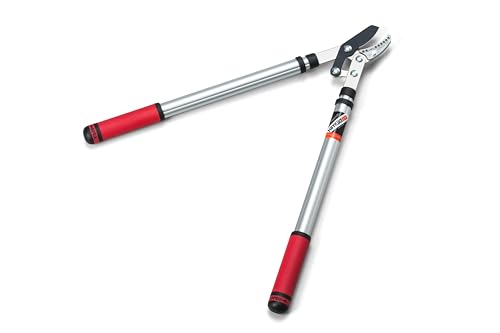
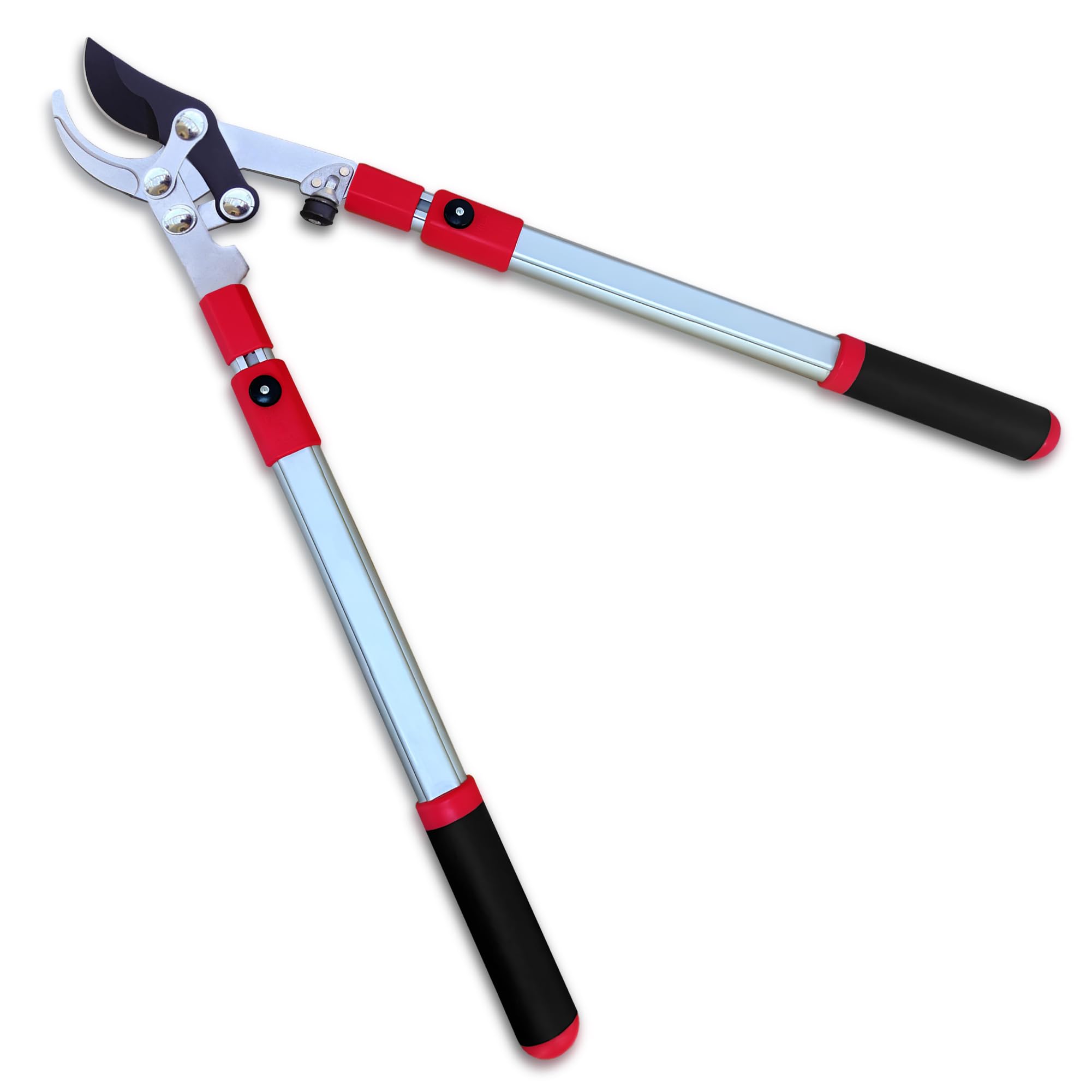
Compound loppers use a linked pivot system that multiplies the force from your arms, so a branch that would stop ordinary bypass loppers often closes with a steady squeeze instead. Prices spread widely, from under $30 to about $150 at the top end, and the gap is not just about brand names. Steel quality, handle length, replaceable parts, and plain comfort all shift as you move up.
This guide walks through what each price tier actually includes, which features repay their cost, and which ones you can skip without regret. Use the comparison table below to shortlist models, then match them against the tier notes here so you pay for cutting power you will truly use. Finding the best compound loppers for your yard mostly means matching the tool to your branches, your strength, and how often you prune.
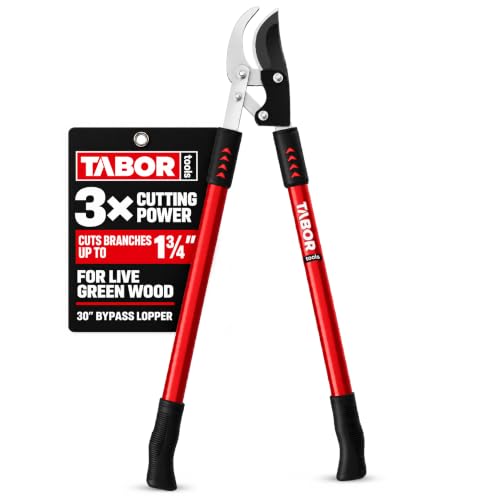
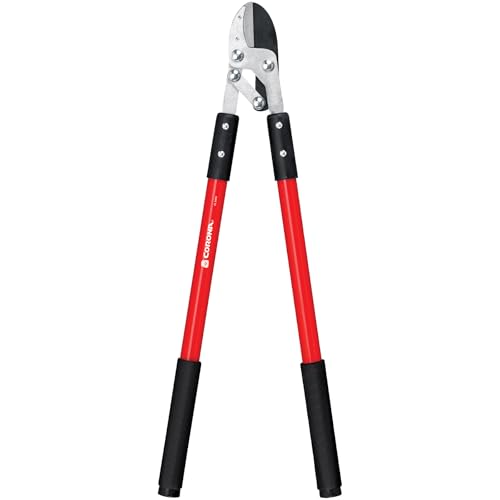
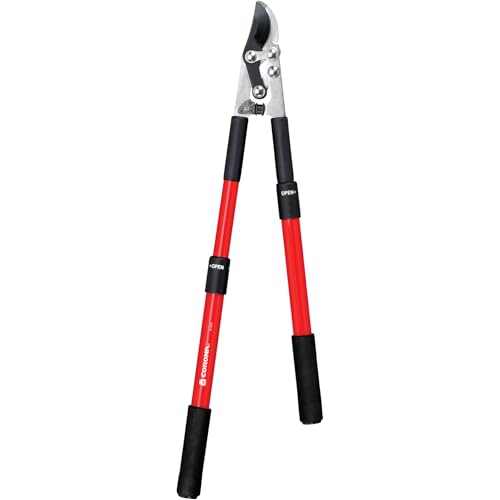
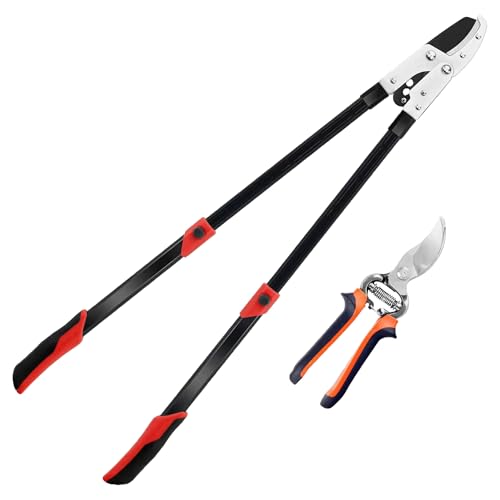



What Your Money Gets You at Each Price Tier
Price tiers in this category track build quality more honestly than most tool categories. The cutting head design stays similar across the range, so what changes is the material inside the blade and handles, the finish that slows rust, and whether worn parts can be swapped instead of replacing the whole tool.
Budget Tier: What to Expect Under About $40
Budget compound loppers usually pair a stamped or basic carbon steel blade with steel tube handles and simple foam grips. Cutting capacity often lands around 1.25 to 1.5 inches on green wood, and the compound linkage still gives a real force advantage over plain loppers. The trade offs show up over time: coatings wear faster, grips can split, and spare blades are rarely sold. For a small yard with young shrubs and a few light pruning sessions a year, this tier does honest work.
Mid Range Tier: The Sweet Spot for Most Buyers
Models at about $40 to $80 typically upgrade to a harder forged or high carbon steel blade with a low friction coating that sheds sap and resists rust. Handles move to fiberglass or oval aluminum, which cuts weight while staying stiff under load, and stated capacity usually reaches 1.75 to 2 inches. Bumpers, a positive blade latch, and replaceable blades and anvils start appearing here. If you prune fruit trees, roses, and overgrown shrubs several times a season, this tier balances durability, comfort, and price better than any other.
Premium Tier: When Spending More Pays Off
Premium compound loppers at about $80 to $150 add fully replaceable cutting heads, precision ground blades that hold an edge through heavy seasons, and handles tuned for leverage with less flex. Some add geared or ratcheting assistance on top of the compound linkage for very dense hardwood. Telescoping handles with secure locking collars also become common. This tier suits large properties, orchard work, and anyone whose hands tire quickly, since each cut asks less of your grip and shoulders.
Features Worth Paying For and Ones to Skip
Listings for the best compound loppers lean hard on upgrade language, yet not every upgrade on the box changes your day in the yard. The features below are the ones that affect cut quality, safety, or how long the tool stays useful, along with notes on the tier where each one normally appears.
Safety Details That Matter on Compound Loppers
A locking latch that holds the blade fully closed is the safety feature worth insisting on at any price, since an open lopper blade in a wheelbarrow or truck bed is a genuine hazard. Shock absorbing bumpers between the handles protect your knuckles when a cut snaps shut, and textured grips that stay secure with gloves on matter more than padded thickness. Skip decorative safety claims and check instead that the pivot bolt has a lock nut, because a linkage that loosens mid cut can twist the blade.
Matching Compound Loppers to Your Intended Use
Think about the wood you cut most, not the thickest branch you might meet once. Regular pruning of green growth under an inch suits shorter, lighter models from any tier, while regular work on mature fruit trees or hardwood justifies mid range or premium capacity. Gardeners who share tools with family may prefer the forgiving gearing of a premium model. If your pruning is mostly light shaping, our guide to the best loppers for gardening covers smaller tools sized for that work.
Size, Weight, and Handle Length on Compound Loppers
Handle length drives leverage as much as the linkage does. Models around 24 to 28 inches handle most garden work and store easily, while 32 inch and telescoping handles reach higher branches and multiply force on thick cuts, at the cost of more weight overhead. Weight matters during a long session: a tool near 3 pounds feels fine for twenty cuts and tiring for two hundred. Choose the shortest, lightest model that still covers your usual branch sizes, and reach for length only when your trees demand it.
Warranty and Replacement Parts Support
A long warranty signals that the maker expects the linkage and blade to survive real use, and many mid range and premium brands back their loppers for ten years or for life. More valuable day to day is parts support: replacement blades, bumpers, and pivot hardware keep a good tool cutting instead of becoming scrap. Before buying, check that spare blades for that exact model are sold and priced reasonably. Budget tools with no parts support are effectively disposable, which changes their true cost.
Ease of Use and Everyday Handling
Compound action only helps if you can open the handles wide enough to engage it, so check the grip spread if your hands are small. Smooth linkage movement, a blade that opens without sticking, and grips shaped for two handed squeezing all reduce fatigue. A bypass head that passes close without a gap leaves cleaner cuts on live wood. If most of your cuts are on dead wood instead, an anvil head crushes less and lasts longer there, and our guide to the best anvil loppers explains that style in depth.
Matching Compound Loppers to Your Branches and Your Strength
Start with an honest branch survey. Walk your yard and note the thickest live branches you cut in a normal season, then choose a rated capacity slightly above that figure, since ratings assume green wood and a centered cut. Dead hardwood of the same diameter needs noticeably more force, so size up if deadwood clearing is a regular job.
Capacity is only half the match. If you work mostly at shoulder height or above, longer or telescoping handles keep the cutting head on the branch without a ladder for many jobs; our guide to the best limb loppers focuses on that reach problem. For low shrubs and thickets, a compact model is easier to maneuver between stems. Hand pruners still win below about half an inch, and our overview of the best loppers pruners helps you draw that line across your whole pruning kit.
Strength and stamina deserve the same honesty. Compound linkage can multiply your input force several times over, yet the last part of a thick cut still asks a lot of your hands. If arthritis or reduced grip strength is a factor, favor premium models with added gearing, longer handles you can brace against your body, and lighter fiberglass construction, and plan shorter sessions with breaks.
Common Mistakes to Avoid
- Cutting branches thicker than the rated capacity, which bends the blade sideways and ruins its alignment.
- Twisting the handles to free a stuck cut, which warps the linkage plates and makes later cuts wander.
- Using a bypass compound lopper on dead hardwood all season, which chips the thin blade edge.
- Buying the longest handles available for ground level shrubs, which adds weight and awkward leverage you never need.
- Leaving sap and moisture on the blade after use, which starts rust that roughens every later cut.
- Judging value by price alone without checking spare blade availability, which turns a repairable tool into a throwaway.
Long Term Costs to Factor In
The purchase price is only part of ownership. A replacement blade for a mid range or premium model typically costs about $15 to $30, far less than a new tool, and a sharpening stone or file adds a few dollars once. Budget models without spare parts must be replaced whole when the edge chips or the linkage loosens, so a $35 tool replaced three times costs more than an $80 tool serviced once.
Care itself is cheap and quick. Wipe sap off the blade with a cloth and a little oil after heavy sessions, work a drop of oil into the pivot points, and snug the pivot bolt if play develops. Keep the blade dry in storage and the edge will hold through many seasons. These small habits protect the coating and linkage, which are exactly the parts that separate a lopper that lasts three years from one that lasts fifteen.
FAQ
Are expensive compound loppers worth the money?
Yes, if you prune often or cut near the top of the capacity range, premium compound loppers repay their price through replaceable heads, better steel, and less effort per cut. The time and hand fatigue saved across a long day of orchard or hedge work adds up over a season. If you prune twice a year on small shrubs, a mid range model gives most of the benefit for much less money.
What features matter most when buying compound loppers?
Blade steel, rated capacity, and replaceable parts matter most, because they decide cut quality today and whether the tool can be restored later. Before ordering, squeeze the handles on a display model or check the return policy, since grip spread and opening width vary more between models than the listings suggest. A secure blade latch and a lock nut on the pivot bolt are small details that separate careful designs from careless ones.
How do I maintain a compound lopper?
Store a compound lopper latched shut and indoors, since damp sheds and garages feed rust on the blade and springs even when the tool sits unused. Wipe the blade after each session, oil the pivot points, and check the pivot bolt for side to side play every few months, because growing play is the earliest sign that the linkage needs attention or a hardware refresh.
How much should I spend on a compound lopper?
Most homeowners land well at about $40 to $80, the tier where good steel, replaceable blades, and comfortable handles meet. Count your mature trees and how many heavy pruning days you face each year: one small tree points to the budget tier, while several fruit trees or an acre of shrubs justifies premium. Spending to match your actual workload beats both underbuying and overspending on capacity you never use.
How long does a compound lopper last?
A mid range or premium compound lopper commonly lasts ten years or more with basic care, while budget models often serve three to five years before the blade or linkage gives out. Lifespan depends less on the calendar than on storage and load: tools kept dry and used within their rated capacity far outlast tools left outside or forced through oversized deadwood.
Final Thoughts
Price in this category buys real things: harder steel, replaceable parts, lighter handles, and leverage that spares your hands. Match the tier to your branch sizes and pruning frequency, insist on a locking latch and spare blade support, and the product table above will point you to the right shelf. Choose well once, and the best compound loppers for your yard will keep making clean, easy cuts season after season.


