
Best Compost Mix for Raised Beds: Matching the Right Blend to Your Routine for 2026
Disclosure: We may earn a commission when you buy through links on this page, at no extra cost to you. As an Amazon Associate I earn from qualifying purchases. Learn more

Discover the best compost mix for raised beds for your needs. We match features to real use cases so you avoid overpaying and get the right fit the first time.
There is no single raised bed blend that suits every gardener, because raised beds themselves do very different jobs. One grows salad greens for a beginner on a small patio, while another feeds a family through a long season of tomatoes and squash. The best compost mix for raised beds for the first gardener would waste money in the second garden, and the rich blend the second gardener needs could overwhelm the first.
So this guide starts with how you garden, then works back to the mix. Read the gardener profiles, check the comparison table below, and match the features in each section to your own routine, bed size, and climate.
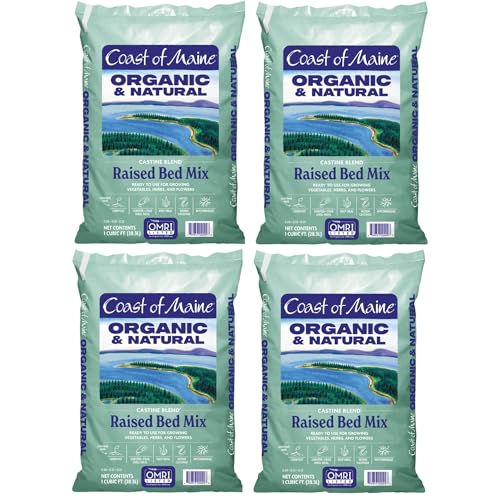

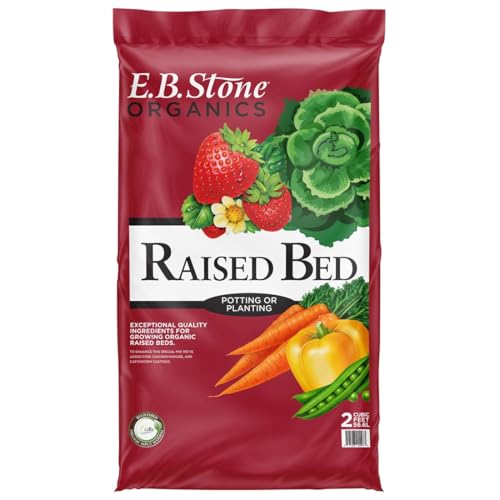
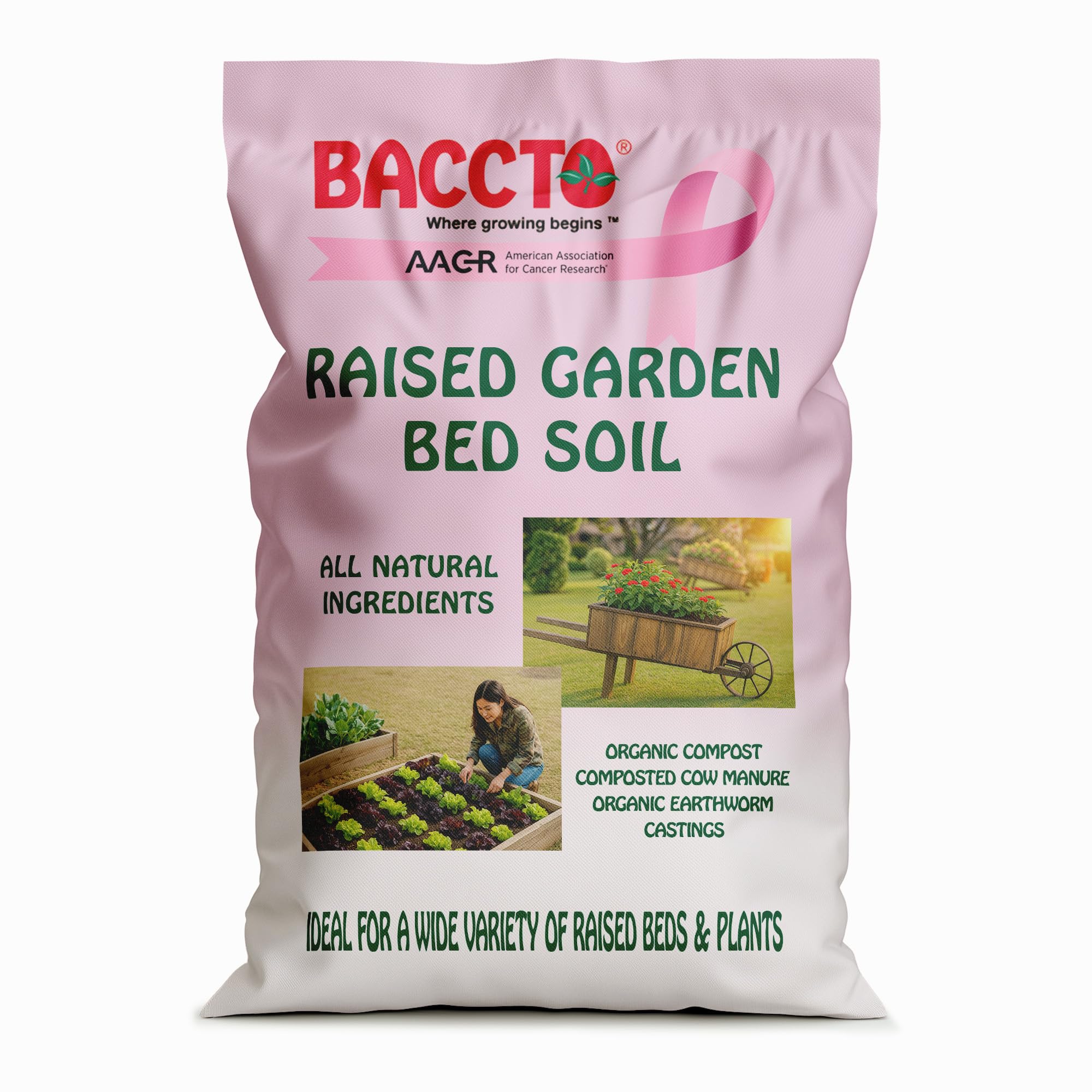
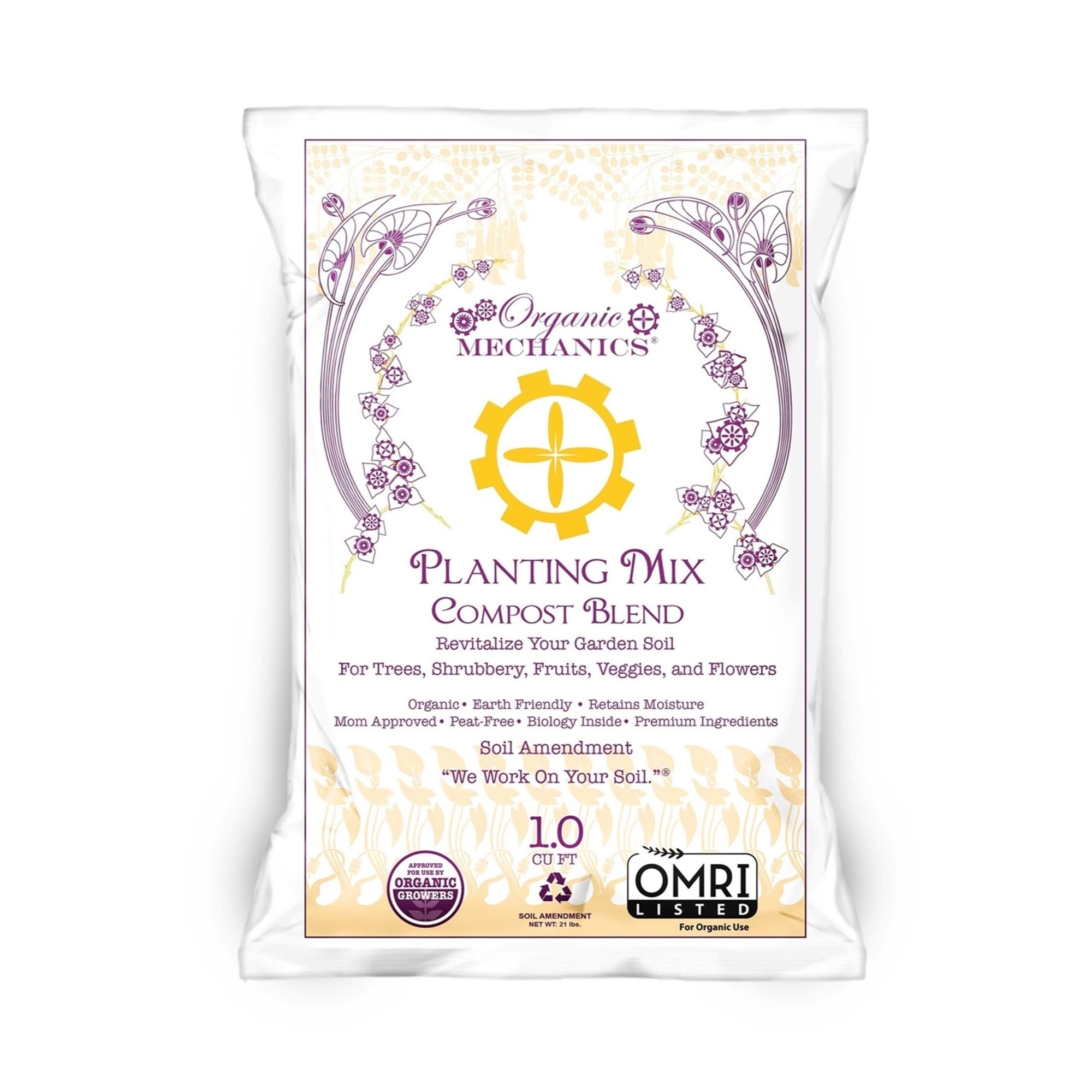

Who Should Buy Which Compost Mix?
Compost mixes for raised beds are really blends: compost for nutrition and biology, plus materials such as topsoil, coir, or bark that give the bed structure and drainage. Your routine decides the proportions you should favor. Find your profile below and note the traits to prioritize before you look at any bag or bulk load.
For Bad Weather and Tough Conditions
If your beds face heavy rain, hard freezes, or hot dry wind, structure is your first concern. Favor mixes with a solid share of composted bark and coarse organic matter, which keep drainage open when storms soak the bed and resist collapsing into sludge. A blend of roughly one third compost, one third topsoil, and one third coarse material holds up well. In wet climates, avoid mixes heavy in fine peat style material that stays saturated. Mulch on top matters as much as the mix itself here, since it shields the surface from rain impact and temperature swings.
For Weekend Beginners
If you garden in short weekend sessions and want reliable results without constant adjusting, choose a premixed raised bed blend with compost already balanced against soil and drainage material. You pay more per cubic foot than mixing your own, but you skip the math and the sourcing. Look for a stated blend ratio on the bag and a texture that pours without huge clumps. Beginners growing greens and herbs need only moderate nutrition, so a mid strength mix is ideal. Our guide to the best compost for raised beds goes deeper on compost quality itself if you later want to top up with a richer amendment.
For Frequent or Serious Users
Daily gardeners and heavy harvesters should think in terms of a system, not a single bag. Start with a durable base mix, then plan annual compost additions of an inch or two on top, because intensive cropping pulls nutrients out fast. You benefit from buying in bulk: a cubic yard delivered often costs far less per cubic foot than bagged blends. Favor mixes with diverse compost feedstocks, since varied inputs bring a wider nutrient spread. If you grow the same demanding crops yearly, our guide to the best compost for raised vegetable beds covers feeding strategies for hungry beds in detail.
For Small Spaces and Easy Storage
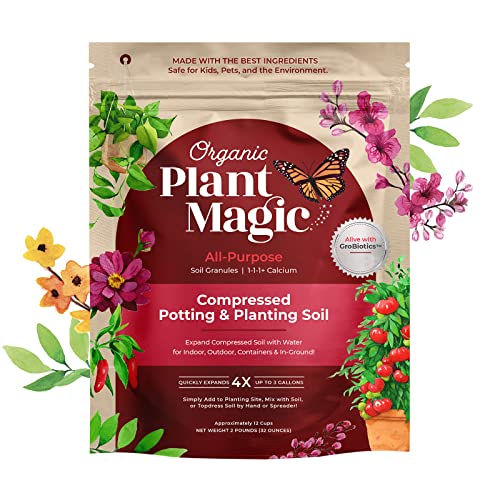
Small patio beds and balcony setups reward compact, lightweight choices. Bagged blends based on coir and fine compost are easy to carry, store in a corner, and pour without a wheelbarrow. Compressed coir blocks expand with water and store on a shelf, which suits gardeners with no shed. The trade off is price per cubic foot and lower nutrient reserves, so plan a light feeding routine through the season. Measure your beds carefully and buy close to the volume you need, because storing half open bulky bags is exactly what a small space cannot absorb.
Key Features to Compare
Match the Product to Your Garden Size and Layout
Volume math prevents the classic mistake of a half filled bed. Multiply bed length, width, and depth in feet to get cubic feet: a 4 by 8 foot bed filled 12 inches deep needs 32 cubic feet, which is about 1.2 cubic yards. Bags usually state cubic feet, while bulk loads come by the yard, so convert before comparing prices. Layout shapes choice too: beds against a fence dry unevenly, and tall beds over 18 inches can use a cheaper bulky base layer with your quality mix reserved for the top 10 to 12 inches where roots feed.
Value and Coverage per Dollar
Compare cost per cubic foot across every option, including delivery fees for bulk loads, which can erase the savings on small orders. A useful rule: bulk wins once you need more than about 2 cubic yards, while bags win below that for convenience. Also weigh nutrient density. A compost rich mix at one price can outperform a diluted mix at two thirds of the price, because you use less and refresh less often. For a wider look at complete blends, our guide to the best mix for raised beds compares full recipes, while our guide to the best soil mix for raised beds focuses on the soil component.
Durability and Weather Resistance
A raised bed mix should keep its structure for years, not collapse into a dense layer after one winter. Compost itself keeps breaking down, so every bed settles; expect to top up 1 to 2 inches each year. Mixes with bark and other slow inputs settle less and keep drainage channels open. In cold regions, freeze and thaw cycles actually help crumble overly fine mixes, but they also heave shallow rooted plants, so mulch after the ground cools. Store spare bags under cover, because a bag left in rain gains water weight, grows odor, and starts losing quality before it ever reaches your bed.
Features That Matter for Raised Beds
Raised beds drain faster and warm sooner than ground soil, and your mix must answer both traits. Drainage needs coarse particles, yet the mix must still hold enough moisture for roots between waterings, which is why balanced blends pair compost with both soil and structural material. Aim for a pH between 6.0 and 7.0 for most vegetables, and check that the compost portion is fully mature: unfinished compost can heat up and tie up nitrogen in a confined bed. Salt levels matter as well, especially with manure heavy compost, because salts concentrate in raised beds faster than in open ground.
Common Mistakes to Avoid When Buying Compost Mixes
- Buying on price alone. The cheapest mix often carries the most filler, so you pay again in poor growth and early refresh costs.
- Filling the whole bed with pure compost. Compost is an ingredient, not a complete medium; pure compost can hold too much water, run hot with nutrients, and settle dramatically.
- Skipping the volume math. Guessing leads to a half filled bed or a driveway pile of surplus mix you must store.
- Ignoring your crop plan. Leafy greens and fruiting vegetables need different feeding strength, a mismatch our guide to the best compost for raised garden beds helps you avoid.
- Forgetting the annual top up. Budget for a yearly compost layer from the start, or the bed slowly starves no matter how good the first fill was.
Tips to Get the Most From Your Compost Mix
- Water early in the morning. Deep morning watering encourages roots to grow downward into the full depth of the mix.
- Refresh bed soil with compost each season. A 1 to 2 inch layer worked into the surface restores nutrients and biology where roots feed most.
- Rotate crop families. Moving plant families around the beds balances nutrient demand and slows soil borne disease buildup.
- Keep a mulch layer year round. Mulch protects the mix from crusting, drying, and nutrient splash loss during heavy rain.
Compost Mixes: Your Questions Answered
What features matter most in compost mixes for raised beds?
Balance matters most: enough compost for nutrition, enough structure for drainage, and enough fine material to hold moisture. A practical target is a blend near one third compost, with mature, screened material that smells earthy. Check pH near neutral and confirm the compost is finished rather than hot and active. Beds are a closed system compared with open ground, so mistakes in balance show up faster and are harder for plants to escape.
How much mix do I need for my raised beds?
Multiply length, width, and fill depth in feet. A 4 by 8 foot bed at 12 inches deep needs 32 cubic feet, about sixteen 2 cubic foot bags or roughly 1.2 cubic yards in bulk. Add about 10 percent to your estimate for settling during the first weeks of watering. If your beds are deeper than 12 inches, you can fill the bottom with cheaper bulky organic material and reserve your quality mix for the top layer.
Is organic compost mix worth it?
For food beds, certified organic mixes are usually worth a modest premium because input standards limit synthetic residues and manures must be properly composted. For ornamental beds, a good conventional blend performs similarly, and the savings can fund your annual top ups instead. What you should never compromise on is maturity: an unfinished mix, organic or not, will underperform. Judge by smell, texture, and a transparent ingredient list alongside any certification.
How long does a raised bed mix last before it needs replacing?
The base mix does not need full replacement for many years if you maintain it. What it needs is annual attention: a compost top up of 1 to 2 inches, occasional loosening if it compacts, and pH checks every couple of years. Full replacement only becomes necessary if the bed accumulates disease problems, persistent weed seeds, or contamination. Think of the mix as a living system you feed, rather than a product with an expiry date.
What is the difference between garden soil and potting mix in a raised bed?
Garden soil is mineral based and heavy; used alone in a raised bed it can compact and drain poorly, though a share of topsoil adds useful body to a blend. Potting mix is soilless, light, and free draining, but it dries fast and carries few nutrients at bed scale, and it is costly in large volumes. Raised bed blends sit between the two, combining soil, compost, and structural material to get drainage, moisture holding, and nutrition in one fill.
The Bottom Line
Start from your routine: beginners do best with a balanced premixed blend, serious growers with a durable base plus annual compost additions, and small spaces with light bagged options. Confirm volume math and price per cubic foot before you buy. Set your shortlist against the product table above, and you will pick the best compost mix for raised beds for the way you actually garden.


